


Key Information Guide



Introduction
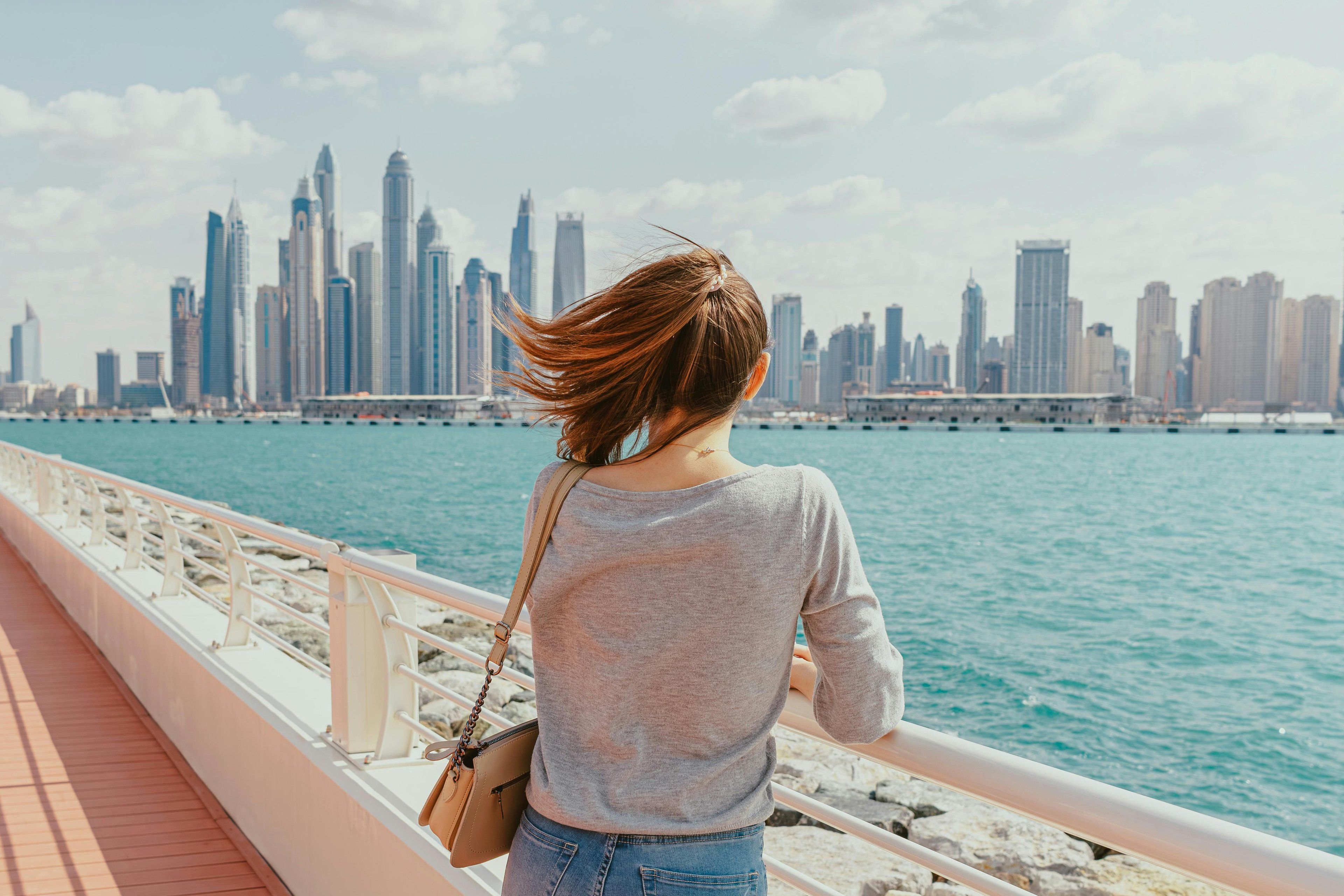
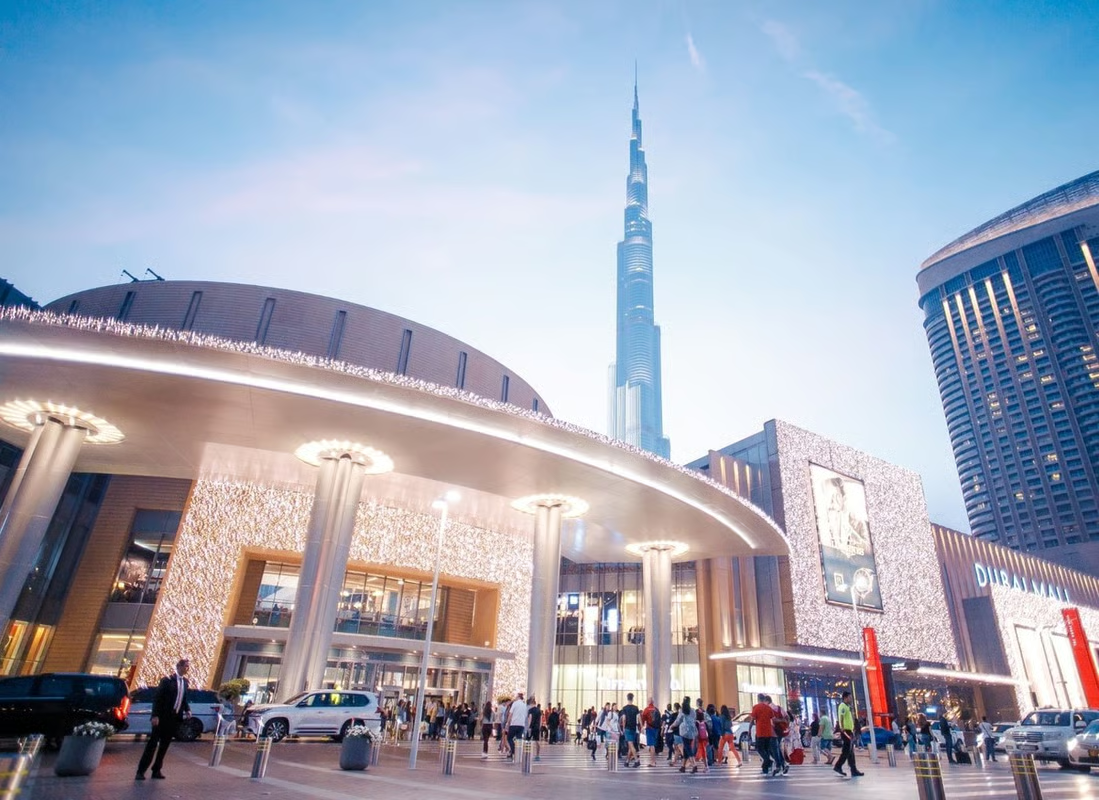
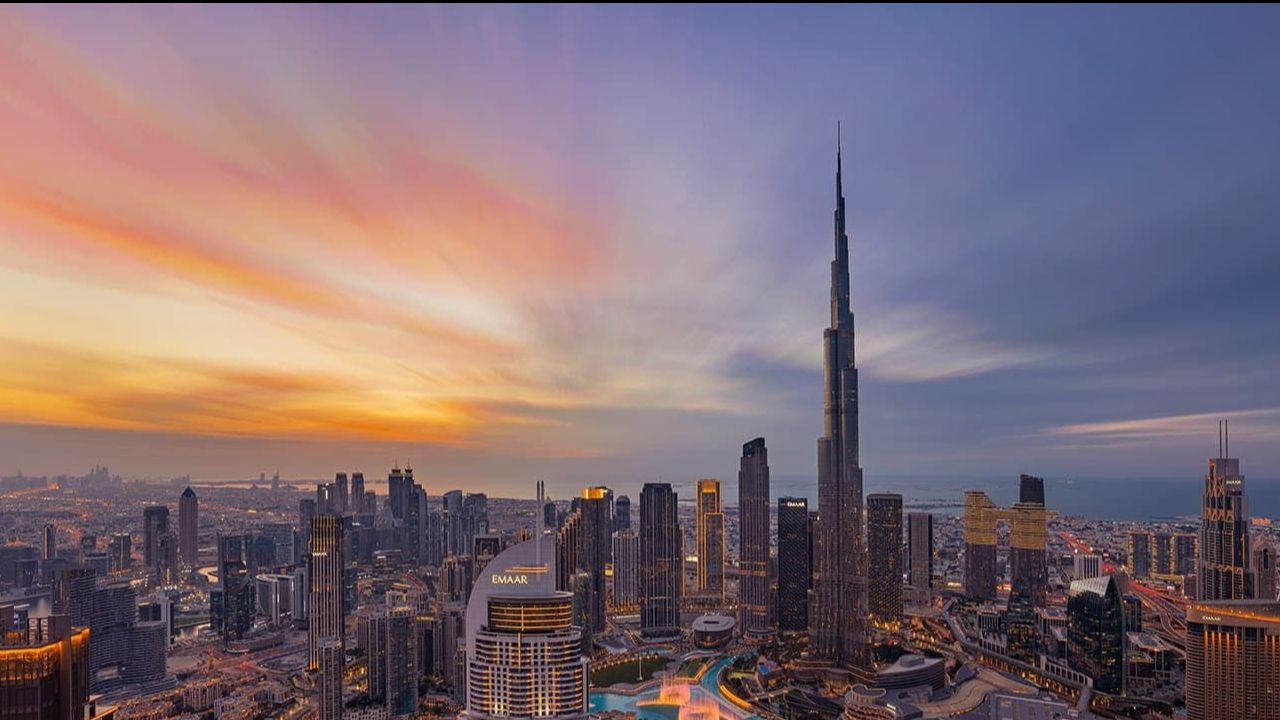
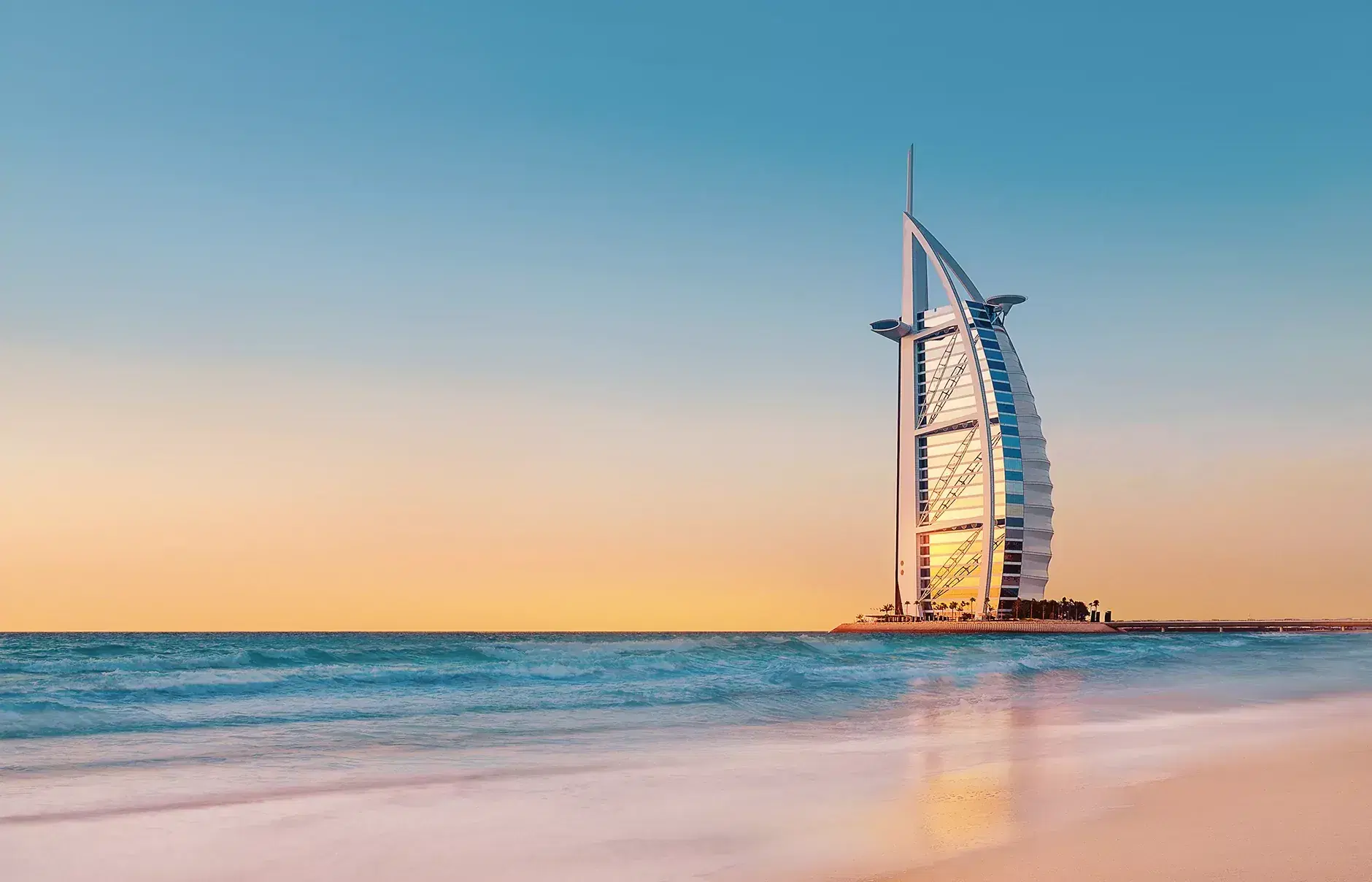
Dubai is a sprawling, car-oriented city where distances between key areas are significant. Downtown, the Marina, Old Dubai, and the beach districts each operate as self-contained zones with their own dining, retail, and entertainment. The Metro connects the major corridors, but taxis and ride-hailing fill the gaps — especially for beach clubs, desert excursions, and Palm Jumeirah. The city works well for first-time visitors who prefer structured itineraries and for repeat travellers who want to go deeper into specific neighbourhoods. Plan your days by zone. Use Downtown and DIFC for skyline viewpoints, cultural attractions, and fine dining. Use Dubai Marina and JBR for waterfront walks, casual restaurants, and sunset views. Use Deira and Bur Dubai for souks, heritage sites, and street food. The Metro Red Line links the airport to most of these corridors, and the Tram extends coverage along the coast. Stack experiences within one area per half-day to avoid losing time in traffic, which peaks between 7–9 AM and 5–7 PM.

Getting There

Local Transport
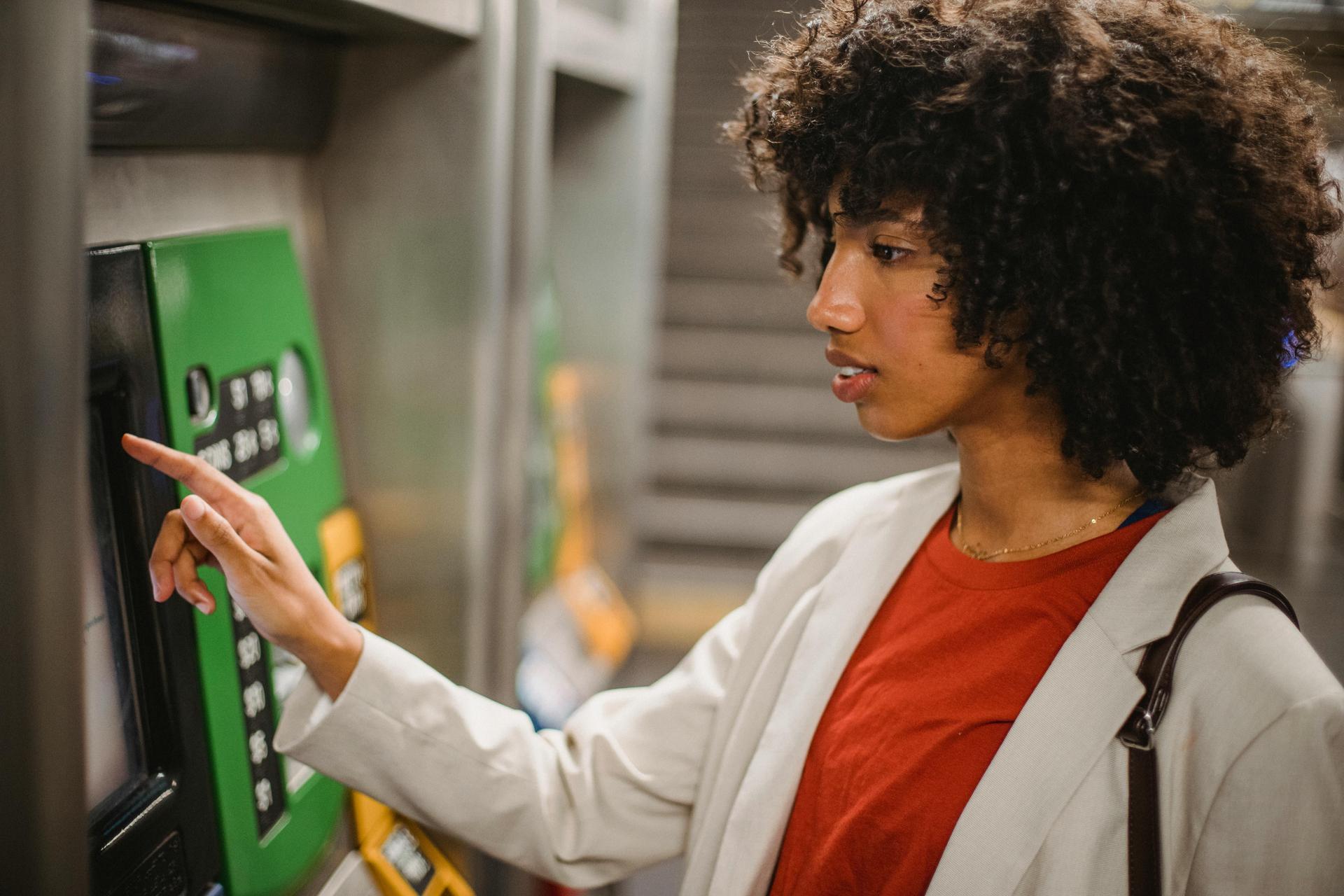
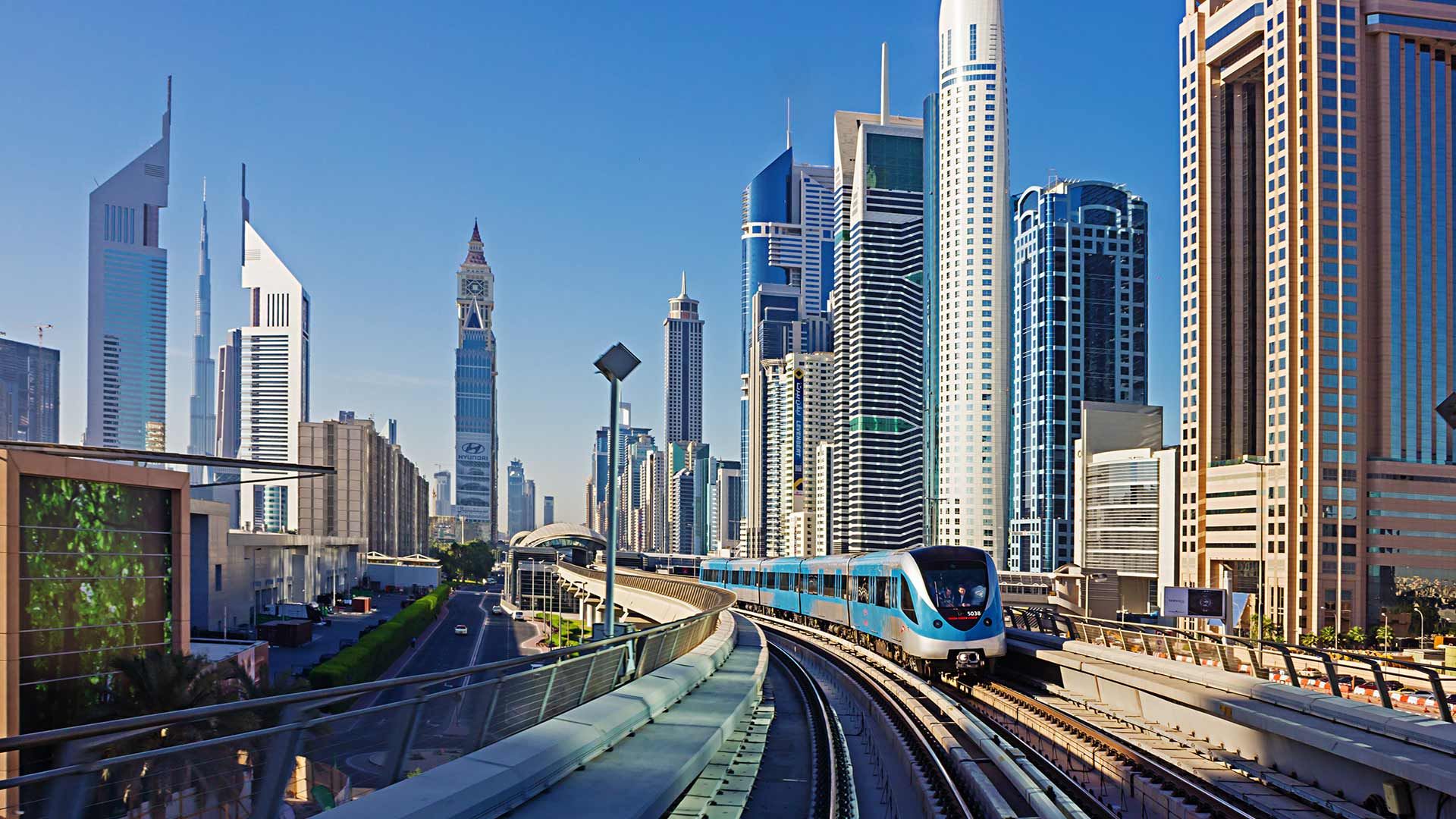
Metro (Red & Green Lines) — The Dubai Metro is the backbone for tourist routes. The Red Line runs from the airport through Downtown, Mall of the Emirates, and Dubai Marina. The Green Line covers heritage areas including Gold Souk, Spice Souk, and Al Fahidi. Trains run from around 5 AM to midnight (extended on Fridays). A Gold Class cabin at the front of each train offers more space during rush hours. Fares start at AED 3 per zone and are capped at AED 14 per day on a Silver Nol card.
Tram — The Dubai Tram connects Dubai Marina, JBR, and Palm Jumeirah with interchanges to the Metro Red Line. It runs from early morning to late evening at 8–10 minute intervals. Air-conditioned stations with platform screen doors make it comfortable year-round.
Buses — Buses fill the gaps between Metro lines and serve residential areas. Routes operate from 4 AM to 1 AM, with some 24-hour services. Fares start at AED 3, paid via Nol card. Taxis — Taxis are metered, regulated, and widely available. The Dubai Taxi Corporation fleet is recognisable by its cream body and coloured roofs. Starting fare is AED 5 (daytime) or AED 5.50 (after 10 PM), plus AED 2.19 per kilometre. Taxis accept card payments.
Waterways — Traditional abra boats cross Dubai Creek for AED 1 — a quick, atmospheric crossing between Deira and Bur Dubai. The Dubai Ferry serves longer scenic routes between Marina, Canal, and Al Ghubaiba. Water taxis operate within Dubai Marina.
Palm Monorail — A 5.5 km monorail runs along the trunk of Palm Jumeirah, connecting the mainland to Atlantis at the crescent. It is the only public transport option on the Palm.