


What to Pack for Singapore: A Tropical Packing List That Actually Helps
9 min read

Sandeepa K
Author
Long-term traveller and AI Expert.
SHARE BLOG
TABLE OF CONTENTS
Key Takeaways
- Singapore stays hot and humid year-round (25–32°C / 77–90°F with 80%+ humidity), so lightweight, breathable fabrics like cotton and linen should form the core of your suitcase.
- Indoor spaces — malls, MRT trains, museums, restaurants — are aggressively air-conditioned (often below 22°C / 72°F), so pack a light cardigan or jacket you can pull on and off throughout the day.
- Temples and mosques require covered shoulders and knees, and shoes you can slip off easily — carry a light scarf or shawl for unplanned visits.
- Leave the chewing gum, e-cigarettes, and vapes at home. All three are prohibited, and customs officers do check.
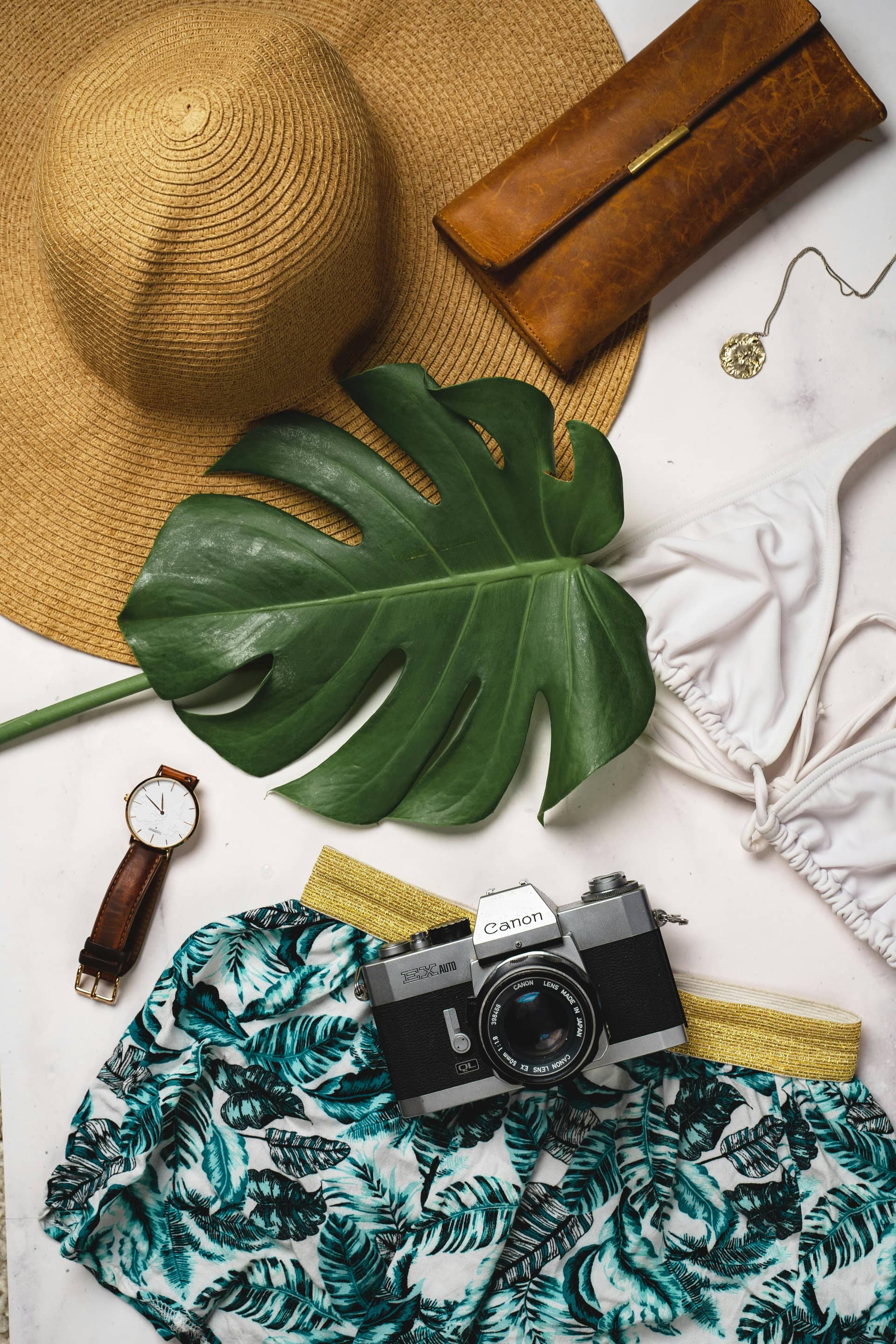
What to pack for Singapore comes down to one challenge: managing the constant swing between equatorial heat outdoors and icy air conditioning indoors. Temperatures hover around 30–32°C (86–90°F) with 80–85% humidity for most of the year, and rain can arrive without warning any afternoon. Pack light, breathable layers, a compact umbrella, and a few modest pieces for temple visits — and you'll move through the city comfortably from hawker centre to rooftop bar.
Singapore is one of the easiest destinations in Southeast Asia to pack for, partly because it's one of the most developed. If you forget something — sunscreen, a phone charger, an extra pair of shorts — you can pick it up within minutes at a pharmacy, a convenience store, or one of the island's many shopping malls. That said, a little planning goes a long way. The difference between a well-packed bag and a rushed one often shows up on day two, when the humidity has defeated your cotton tee, your feet are blistered from the wrong shoes, and you're shivering inside the ArtScience Museum in a tank top.
This packing list covers clothing, footwear, tech essentials, and the items Singapore won't let you bring through customs — organised by what you'll actually be doing on the ground, not just a flat checklist of products. Whether you're spending three days ticking off the top 20 things to do in Singapore or settling in for a longer stay, this guide will help you pack with purpose and leave the filler at home.

Singapore's Climate — Why It Changes Everything You Pack
Singapore sits almost exactly on the equator, and its climate reflects that position with remarkable consistency. According to the Meteorological Service Singapore, daytime temperatures range from 30°C to 33°C (86–91°F) throughout the year, dropping to around 24–26°C (75–79°F) at night. Humidity rarely falls below 80%, and the UV index regularly hits 10–12 during midday hours. If you're arriving from a temperate climate, the heat will feel immediate and persistent the moment you step out of Changi Airport's air-conditioned terminal.
There is no "cool season" to plan around. January is marginally cooler than April by about 1–2°C, but you won't notice the difference on the ground. What does shift is rainfall.
Monsoon Months vs Drier Periods
The northeast monsoon runs from November through early March and brings Singapore's heaviest rainfall — December alone averages around 287mm (over 11 inches) spread across 19 rainy days. The southwest monsoon follows from June through September with lighter but steady showers. The inter-monsoon windows (March–May and October–November) tend to be the hottest, with afternoon thunderstorms that arrive hard and pass quickly.
For your packing, the practical takeaway is this:
- November to January: Pack a compact, wind-resistant umbrella or a lightweight rain jacket. Showers can last for hours, not minutes.
- March to May: The hottest window. Prioritise moisture-wicking fabrics and high-SPF sunscreen. Afternoon storms are brief but intense.
- June to September: Moderate rain, slightly less intense heat. A foldable umbrella in your daypack is enough.
The AC Factor — Why You Need a Layer Indoors
This is the packing detail most first-time visitors miss. Singapore's indoor spaces — shopping malls along Orchard Road, MRT carriages, museums, hotel lobbies, restaurants — are cooled to 20–22°C (68–72°F). That's a 10–12°C drop from the street outside. Walking between these extremes a dozen times a day can leave you chilled, especially in damp clothing.
Pack a light cardigan, a thin hoodie, or a packable windbreaker that fits into your day bag. You'll want it on the MRT, in air-conditioned restaurants, and especially during long museum or gallery visits at places like the ArtScience Museum or the National Gallery.
Clothing — What to Wear in Singapore
What to wear in Singapore is less about fashion and more about function. The local dress code is relaxed — Singaporeans typically wear shorts, t-shirts, and sandals for everyday errands. You won't stand out in casual clothing, and overdressing will only make you uncomfortable. The goal is to stay cool, dry quickly, and be ready to cover up when a temple or mosque visit calls for it.
Everyday Essentials
Build your suitcase around these core items:
- Tops: 4–5 lightweight tops in cotton, linen, or moisture-wicking blends. Avoid synthetic polyester — it traps heat and odour in high humidity. Loose fits work better than anything fitted.
- Bottoms: 2–3 pairs of shorts or skirts in breathable fabric, plus 1–2 pairs of lightweight long trousers or a maxi skirt (double duty for temple visits and evening outings).
- Light layer: 1 cardigan, thin zip-up hoodie, or packable jacket for air-conditioned interiors.
- Underwear: Moisture-wicking undergarments dry faster and feel better than standard cotton in tropical humidity. Pack at least one extra set beyond what you'd normally bring — you may change more than once a day.
- Swimwear: At least one swimsuit if you're visiting Sentosa Island, hotel pools, or waterparks like Adventure Cove.
Avoid dark colours that absorb heat, heavy denim (it takes forever to dry in humidity), and anything that wrinkles badly when packed — you won't want to iron in a tropical holiday.
What to Wear for Temple and Mosque Visits
Singapore is home to Buddhist temples, Hindu temples, and mosques, and each has dress code expectations that visitors should respect. The common requirement across all three: cover your shoulders and knees.
- Buddhist temples (e.g. Buddha Tooth Relic Temple in Chinatown): Shoulders and knees covered. Shoes removed at the entrance — wear slip-on sandals or shoes without complicated laces.
- Hindu temples (e.g. Sri Mariamman Temple): Same coverage rules. Women are often asked to cover their hair. Remove shoes before entering.
- Mosques (e.g. Sultan Mosque in Kampong Glam): Shoulders, chest, and knees covered for both men and women. Women should cover their hair — popular mosques like Sultan Mosque provide loaner robes and headscarves at the entrance, but carrying your own lightweight scarf means you're always prepared.
Quick Tip — The Temple-Ready Layer
- Pack one lightweight scarf or sarong that folds small. It covers bare shoulders at temples, works as a headscarf at mosques, doubles as a beach cover-up on Sentosa, and can serve as a light blanket on over-chilled flights.
- A pair of loose-fitting trousers or a midi skirt that you can pull on over shorts takes 30 seconds and saves the awkwardness of being turned away at the door.
Evening and Rooftop Bar Dress Codes
Most restaurants in Singapore are casual — hawker centres, food courts, and neighbourhood restaurants have no dress expectations beyond wearing a shirt and shoes. But rooftop bars (like CÉ LA VI at Marina Bay Sands or 1-Altitude), fine dining restaurants, and certain hotel lounges enforce smart-casual dress codes.
- Men: Collared shirt or a clean polo, long trousers or chinos, closed-toe shoes. No flip-flops, no singlets, no sports jerseys.
- Women: A sundress, blouse and skirt, or tailored shorts with a nice top. Sandals are usually fine unless the venue specifies otherwise.
One smart-casual outfit that can handle a dinner reservation and a post-dinner drink is enough for most trips.
What to Wear on Sentosa and Outdoor Adventures
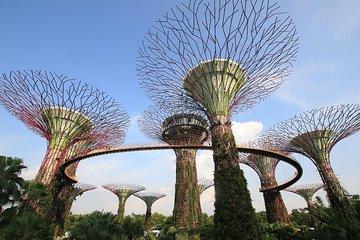
If your itinerary includes Sentosa Island, Gardens by the Bay, nature reserves, or the Night Safari, you'll want a separate set of activity-ready clothing:
- Quick-dry shorts and a moisture-wicking top for walks through MacRitchie Reservoir or Bukit Timah Nature Reserve
- Rash guard or sun-protective swim shirt for beach days and waterparks — the UV index in Singapore regularly exceeds 10, and sunburn sets in fast
- Light, long-sleeved shirt for the Night Safari or evening nature walks, where mosquitoes are active

Footwear — Comfort Over Style
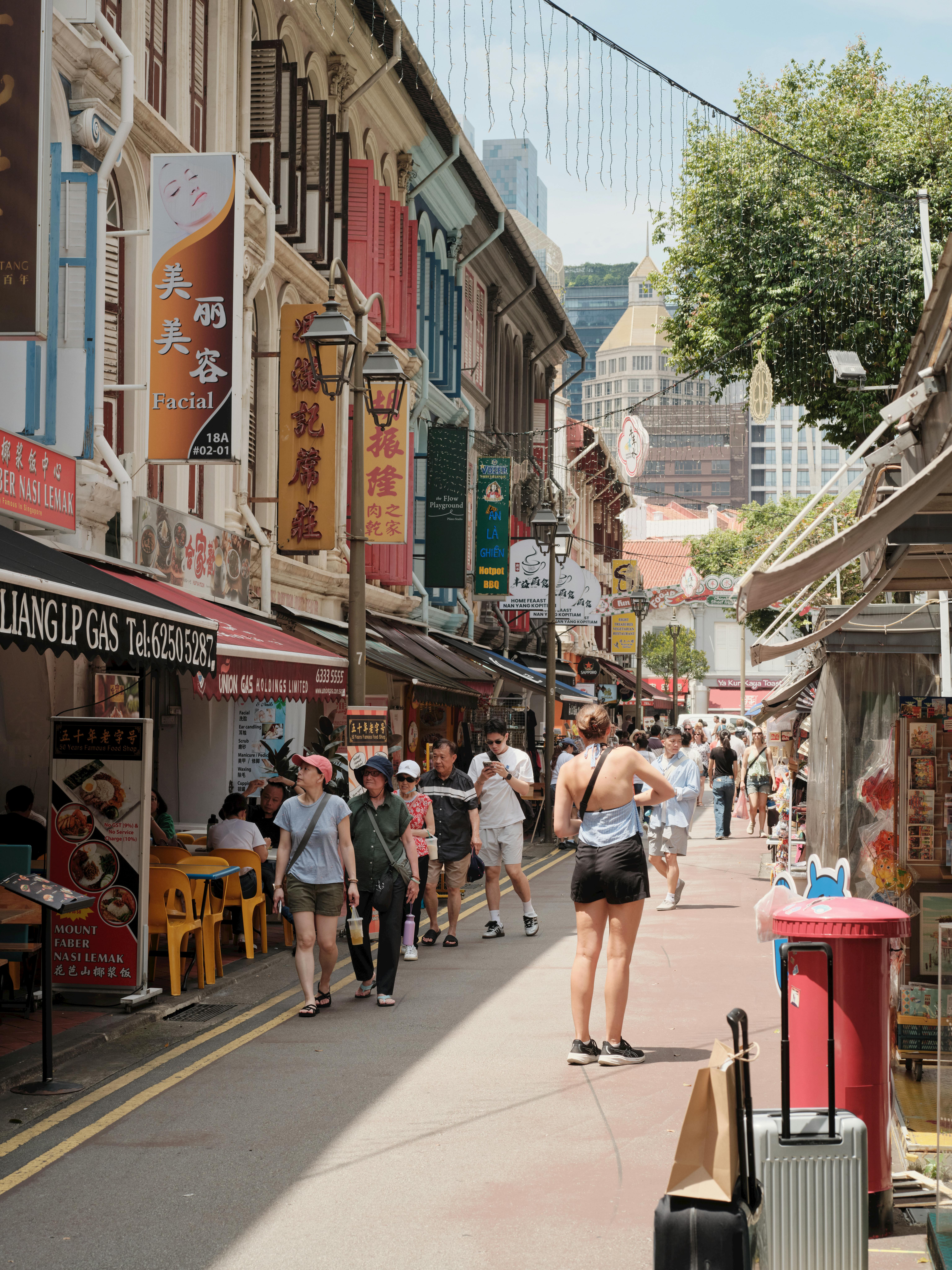
Packing the right shoes for Singapore matters more than most travellers expect. This is a city built for walking — 15,000 to 20,000 steps a day is normal if you're exploring actively — and the combination of heat, humidity, and sudden downpours makes footwear choice more important than you'd expect.
Walking Shoes for Full-Day Exploration
Your primary pair should be lightweight, breathable, and broken in before you arrive. Cushioned sneakers with mesh uppers work well. Avoid brand-new shoes, leather boots, or anything without ventilation — your feet will overheat within an hour.
If you're choosing between two pairs, go for one that can handle getting wet. Afternoon rain showers soak pavements and puddles form fast, especially in older neighbourhoods like Little India and Kampong Glam. Shoes that stay heavy and soggy after a downpour will slow you down for the rest of the day.
Waterproof or Quick-Dry Options
For Sentosa beach visits, waterparks, or island-hopping day trips to Pulau Ubin, pack water-friendly sandals with a back strap (sport sandals or reef shoes). Standard flip-flops work for the beach but don't provide enough grip or support for extended walking.
Easy Slip-On Shoes for Temple Visits
You'll remove your shoes at temples, mosques, and some traditional homes. Shoes with buckles, laces, or complicated straps slow you down and can become awkward when 20 other visitors are doing the same at the entrance. A simple pair of slide sandals or loafers makes the process painless.
Footwear Packing List — The Three-Shoe Rule
- Pair 1: Breathable walking sneakers (wear these on the plane to save suitcase space)
- Pair 2: Sport sandals or quick-dry slides (Sentosa, temples, casual evenings)
- Pair 3 (optional): Smart-casual shoes if you have a rooftop bar or fine dining reservation






Tech, Gadgets and Travel Essentials
Singapore is a highly connected city with reliable public Wi-Fi, near-universal card acceptance, and well-stocked electronics stores on practically every block. But a few items are worth packing from home to avoid overpaying or wasting time hunting them down on arrival.
Power Adapter (Type G / UK-Style)
Singapore uses the Type G plug — the same three-pin rectangular design used in the United Kingdom, Malaysia, and Hong Kong. If your devices use a different plug type (US two-prong, European round pins, or Australian angled pins), you'll need a travel adapter.
- Voltage: Singapore runs on 230V / 50Hz. Most modern phone chargers, laptop chargers, and camera chargers are dual-voltage (check the label — it should say "100–240V"). If your device is not dual-voltage (some US hair dryers and curling irons are single 120V), you'll need a voltage converter as well, or your device could be damaged.
- Recommendation: A universal travel adapter with USB-A and USB-C ports covers all your needs in one unit. You can buy adapters at Changi Airport's electronics shops, but they cost more than packing one from home.
Portable Charger, Umbrella and Reusable Water Bottle
These three items earn their suitcase space every single day in Singapore:
- Portable charger (10,000mAh or higher): Between navigation, ride-hailing on Grab, scanning QR codes for menus, and photographing Marina Bay at golden hour, your phone battery drains fast. A compact power bank keeps you going through a full day.
- Compact umbrella: Non-negotiable. Rain arrives without much warning, especially between November and March. Choose a wind-resistant model — Singapore thunderstorms can be fierce. A foldable one that fits in a daypack is ideal.
- Reusable water bottle: Singapore's tap water is safe to drink. Fill up at hotel rooms, public fountains, and water stations at attractions like Gardens by the Bay instead of buying plastic bottles. Staying hydrated in tropical heat requires roughly 2–3 litres a day — more if you're walking extensively.
SIM Card or eSIM
Having mobile data makes navigating Singapore's MRT system, booking Grab rides, and looking up hawker centre recommendations far easier than relying on patchy public Wi-Fi. Your options:
- Tourist SIM cards: Available at Changi Airport from carriers like Singtel, StarHub, and M1. Prices start around SGD 12–15 (USD 9–11) for 7 days with 100GB data.
- eSIM: If your phone supports it, purchase an eSIM online before departure (providers like Airalo and Nomad offer Singapore plans from USD 5–8 for 1–2 weeks). No physical card swap needed.
- Global roaming: Some international plans include Singapore coverage, but check data rates — roaming can be expensive if your plan isn't designed for Asia.
Apps to Download Before You Arrive
- Grab: Singapore's dominant ride-hailing and food delivery app — the local equivalent of Uber
- MyTransport: Real-time MRT and bus information, route planning, and estimated arrival times
- Google Maps: Works well for walking directions and public transport routing across the island
- iChangi: Changi Airport's official app for flight status, terminal maps, and lounge bookings
What NOT to Pack — Singapore's Prohibited and Restricted Items
Singapore enforces its import laws seriously, and customs officers at Changi Airport do inspect luggage. Ignorance isn't accepted as a defence, and fines are steep. Before you finish packing, remove or double-check these items.
Chewing Gum, E-Cigarettes and Vapes
This is the rule most travellers have heard about, but many don't realise how broadly it applies:
- Chewing gum: Importing, selling, and distributing chewing gum is illegal in Singapore. The only exception is therapeutic dental gum prescribed by a doctor or dentist. Don't pack it, even for personal use — customs officers regularly check for it.
- E-cigarettes, vapes, and refill pods: All electronic nicotine delivery systems are banned in Singapore. This includes disposable vapes, refillable devices, e-liquids, and heated tobacco products (like IQOS). Possession alone can result in fines up to SGD 2,000 (approximately USD 1,500). Do not bring any vaping products into the country.
- Chewing tobacco: Also prohibited.
Medication Restrictions
Singapore classifies some common medications as controlled substances. If you take prescription medication — especially anything containing codeine, benzodiazepines, or strong opioid painkillers — carry your doctor's prescription and a letter confirming your medical need. Without documentation, these medications can be confiscated and you may face legal complications.
Over-the-counter medications like paracetamol, ibuprofen, antihistamines, and basic cold remedies are available at pharmacies throughout Singapore (Guardian and Watsons are the two main chains), so there's no need to pack a large supply from home.
Alcohol and Tobacco Import Limits
- Alcohol: Duty-free allowance is 1 litre of spirits, 1 litre of wine, and 1 litre of beer — but only if you're arriving from a country other than Malaysia and have been outside Singapore for at least 48 hours. If arriving from Malaysia, there is no duty-free alcohol allowance at all.
- Tobacco: There is no duty-free cigarette allowance for Singapore. Every cigarette brought into the country must be declared and duty paid at the customs counter. The tax runs approximately SGD 0.45 per stick — a full pack of 20 costs around SGD 9 (USD 7) in duty alone.
The "Don't Pack" Summary
- Chewing gum (any type, unless prescribed)
- E-cigarettes, vapes, refill pods, or heated tobacco devices
- Controlled medications without a prescription letter
- Large quantities of alcohol or undeclared tobacco
- Pirated or counterfeit goods (DVDs, software, designer copies)
- Firecrackers or fireworks
Forgot Something? Where to Buy Essentials in Singapore
If you land in Singapore and realise you've left something behind, don't stress. This is one of the most well-stocked cities in the world for everyday shopping, and most essentials cost the same or less than what you'd pay at home.
Pharmacies and Convenience Stores
Guardian and Watsons pharmacies operate in nearly every MRT station, mall, and neighbourhood in Singapore. Both carry sunscreen, insect repellent, deodorant, basic toiletries, plasters, and over-the-counter medication. 7-Eleven and Cheers convenience stores are open 24 hours and stock travel-sized toiletries, phone chargers, and umbrellas.
- Sunscreen (SPF 50): SGD 15–25 (USD 11–19)
- Compact umbrella: SGD 8–15 (USD 6–11)
- Travel adapter: SGD 10–20 (USD 7–15)
- Insect repellent: SGD 8–12 (USD 6–9)
Affordable Clothing
If you need an extra outfit — or you've underestimated how many changes a humid day demands — Singapore has plenty of budget-friendly options:
- Bugis Street Market: Singapore's largest street market for affordable casual clothing, sandals, and accessories. Expect to pay SGD 10–20 (USD 7–15) for a basic top or pair of shorts.
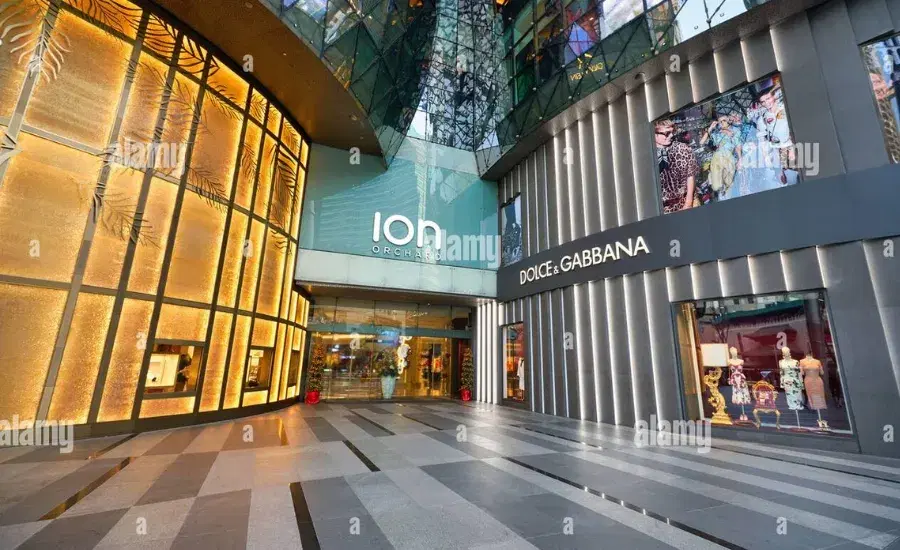
- Uniqlo: Multiple locations across the island, including ION Orchard and VivoCity. Lightweight, breathable basics designed for warm climates — the AIRism range is particularly suited to tropical weather.
- Chinatown Street Market: Souvenir shops here also sell basic t-shirts, hats, and sandals at low prices.
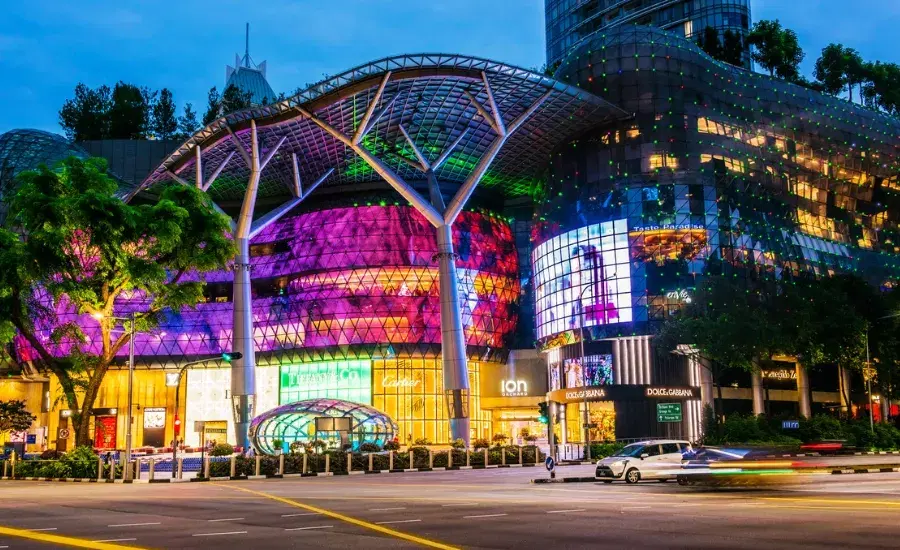
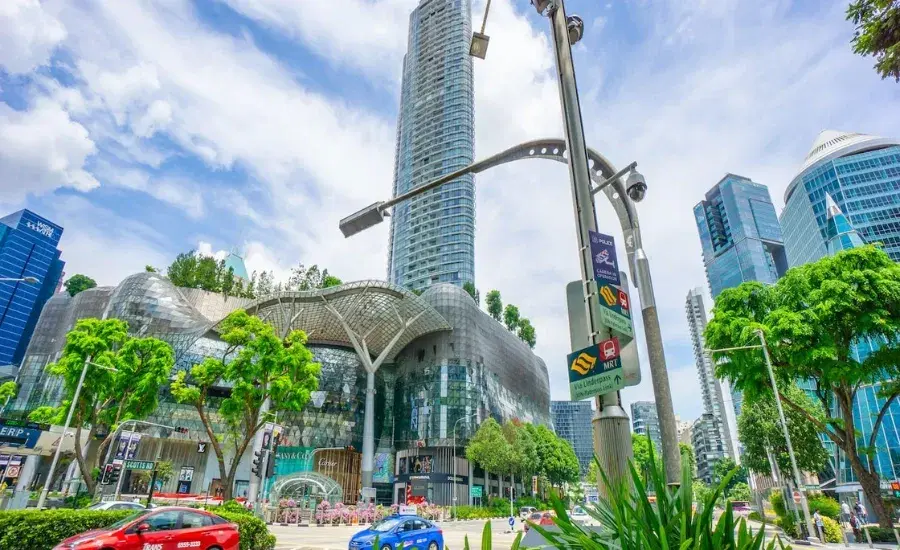
- Orchard Road malls: For mid-range to premium shopping, ION Orchard, Paragon, and Ngee Ann City cover every price point from H&M to designer labels.
Travjoy's activity recommendations are researched and approved by local experts, so you can plan your days with confidence — knowing exactly what each outing requires in terms of dress code, weather readiness, and gear. Browse Singapore on Travjoy to see what fits your itinerary.
Pack Smart, Explore Light
Singapore rewards the traveller who packs light and packs right. A few breathable layers, one modest outfit for temple visits, a compact umbrella, and the awareness to leave prohibited items behind — that's the core of a Singapore packing list that works. Everything else you can pick up on the ground, often for less than you'd pay at home.
The real packing secret is knowing what you'll actually be doing. A day at Gardens by the Bay calls for different gear than a rooftop cocktail at Marina Bay Sands, and a morning at Sultan Mosque needs a different outfit than an afternoon on Sentosa's beaches. Plan around your itinerary, not around a generic checklist, and you'll never feel over- or under-prepared.
Ready to build that itinerary? Start planning your Singapore trip on Travjoy and match your packing list to the experiences that matter most to you.


.svg&w=1920&q=75)