


What to Buy in Bali: A Complete Shopping Guide, by a Local
12 min read
Sandeepa K
Author
Long-term traveller and AI Expert.
SHARE BLOG
TABLE OF CONTENTS
Key Takeaways
- The strongest buys in Bali are silver jewellery from Celuk Village, hand-stamped batik from Tohpati, kopi luwak from a verified wild plantation, wood carvings from Mas, and ata-grass bags from Tenganan.
- Markets like Sukawati and Ubud Art Market reward bargaining; designer boutiques in Seminyak and Canggu, malls, and most fixed-price souvenir stores do not.
- Budget IDR 1,500,000–4,000,000 (USD 95–250) per person for souvenirs across a week, plus 20–30% extra if you're buying silver, gold, or a statement painting.
- Two scams account for most rip-offs: cage-farmed coffee sold as wild kopi luwak, and plated metal sold as 925 silver — both are easy to spot once you know what to check.
The best things to buy in Bali are silver jewellery from Celuk Village, hand-stamped batik textiles from Tohpati, kopi luwak from a verified single-origin plantation, wood carvings from Mas, and handwoven ata-grass bags from Tenganan. Markets like Sukawati and Ubud Art Market sit at the affordable end with active bargaining; designer boutiques in Seminyak and Canggu sit at the fixed-price luxury end.
By 6am, the lanes around Sukawati Art Market are already moving — vans loading rolled-up sarongs in bulk, vendors stacking wooden Garuda statues onto pegboards, baskets of silver hooks ready to be hung. By 11am, the same goods are marked up two or three times, and by mid-afternoon some pieces have circulated through three different stalls before a tourist buys them at five times wholesale.
This is the gap most visitors miss when they ask what to buy in Bali. The island has plenty of real craft — Celuk's silversmiths have been working for generations, Mas village carves wood that ends up in galleries from Paris to Singapore — but the buying experience rewards a bit of homework. Where something is made changes the price by a factor of three. How you pay changes it again.
This guide covers the items actually worth taking home, where they are honestly made, what a fair 2026 price looks like in rupiah and US dollars, and how to spot the most common fakes — particularly with kopi luwak and silver, where most travellers get caught.
The eight things actually worth buying in Bali
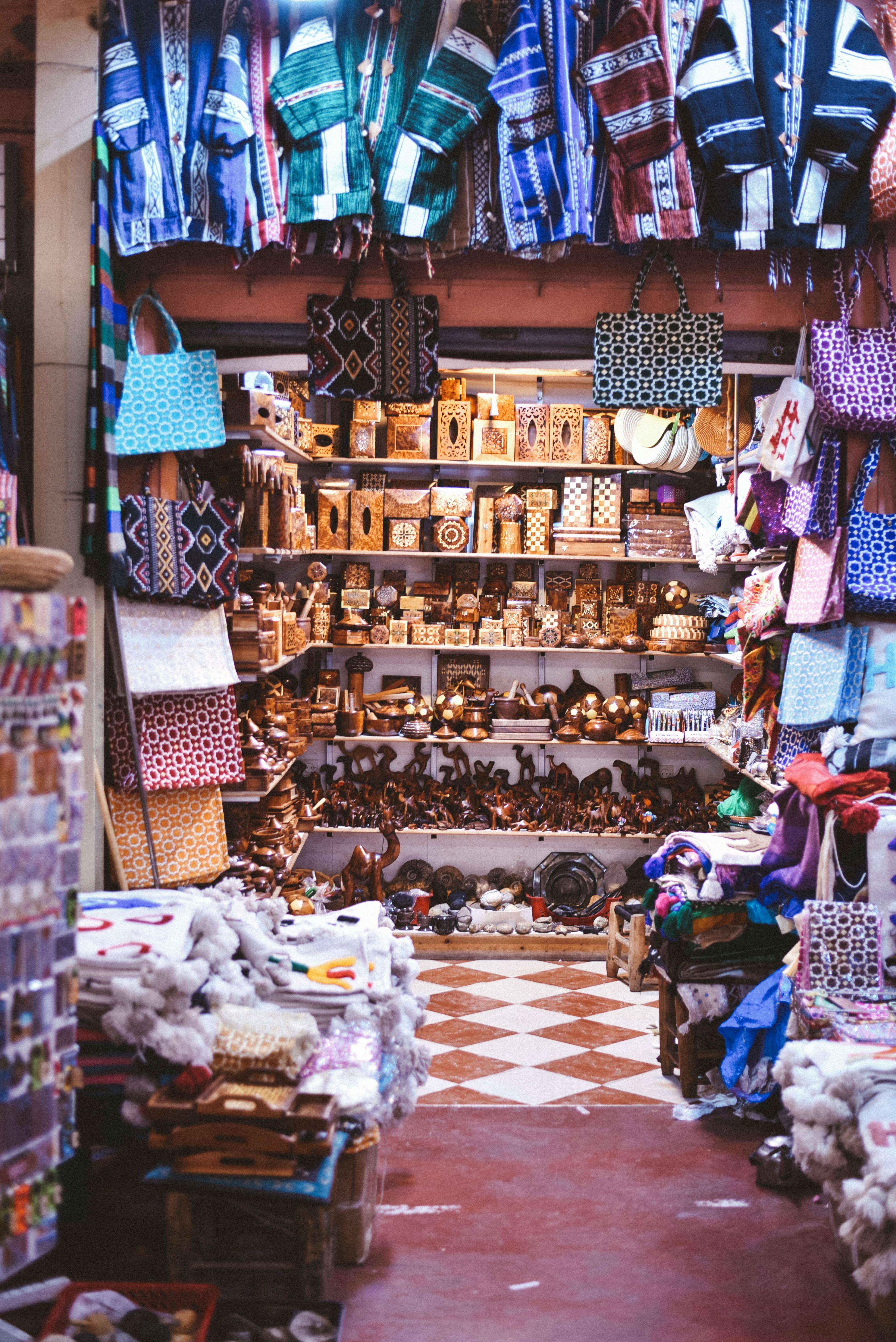
The strongest buys fall into eight categories: silver jewellery, hand-stamped batik, kopi luwak, wood carvings, ata-grass bags, aromatherapy oils, traditional paintings, and local snacks and spirits. Each has a clear source region and a fair-price range. The rest of what fills market stalls — fridge magnets, generic surf prints, plastic souvenirs — is mass-produced and not specific to Bali.
Balinese silver jewellery (from Celuk Village)
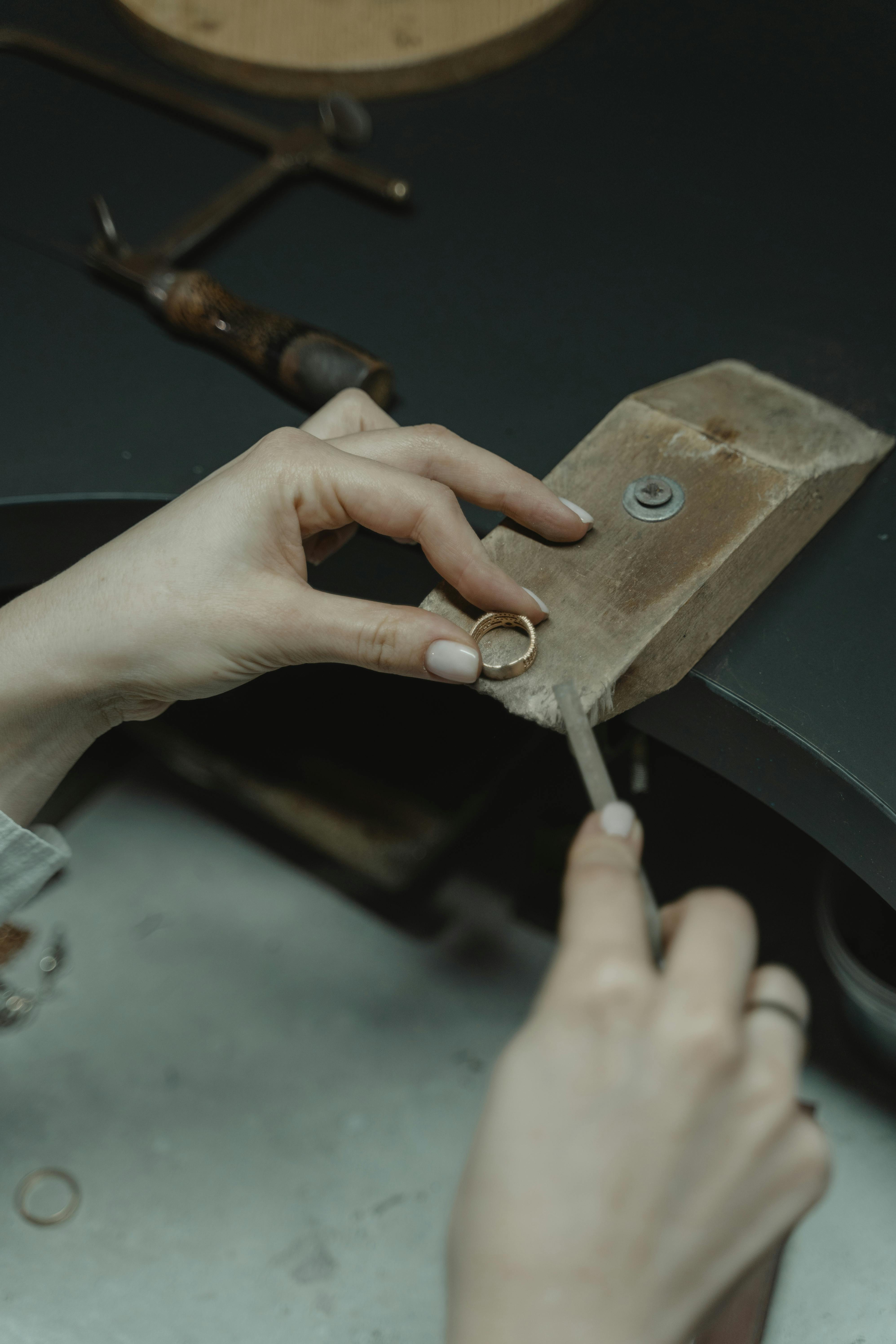
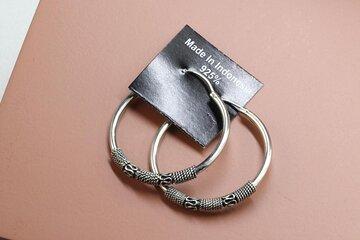
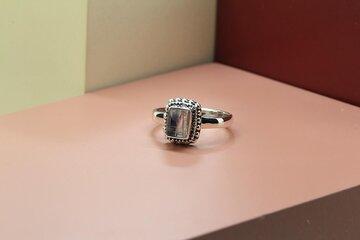
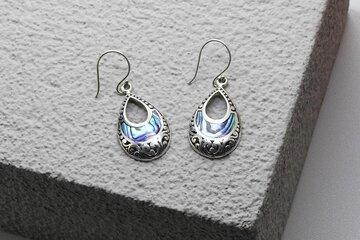
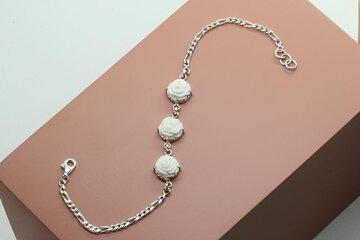
Celuk Village in Gianyar regency is Bali's silver-making centre. Three families from the Pande caste began the craft in the 1970s; almost every household in the village now works silver. Most pieces are 925 silver (92.5% pure, 7.5% copper for durability), and the 925 hallmark stamped inside a ring band or on a clasp is the formal guarantee.
What a fair price looks like:
- Simple stud earrings: IDR 150,000–400,000 (USD 10–25)
- Mid-detail ring: IDR 350,000–800,000 (USD 22–50)
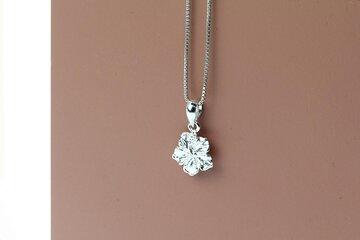
- Statement necklace: IDR 1,500,000–4,000,000 (USD 95–250)
- Designer brand (Sunaka, John Hardy, STRUGA): USD 200–3,000+
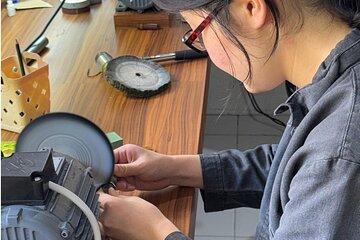
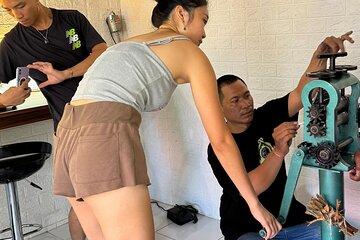
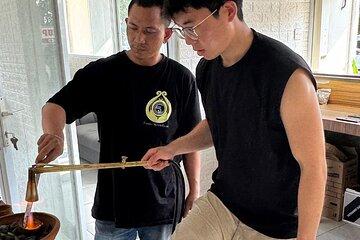
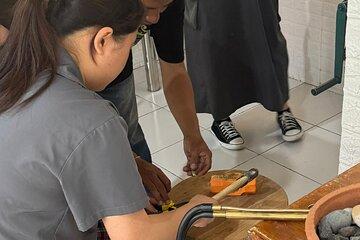
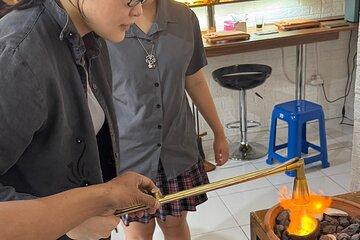
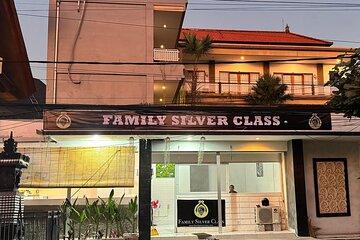
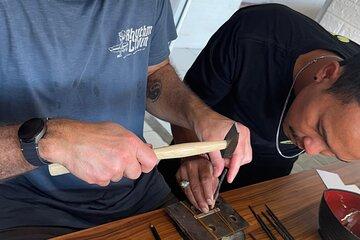
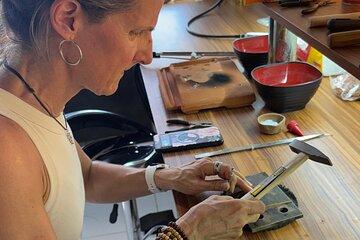
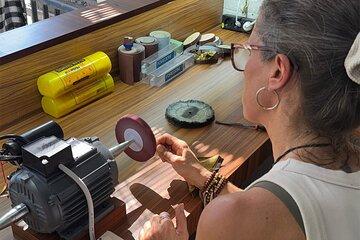
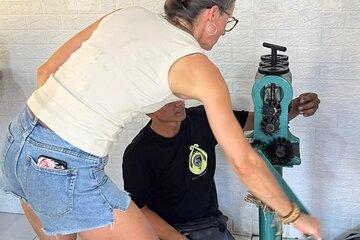
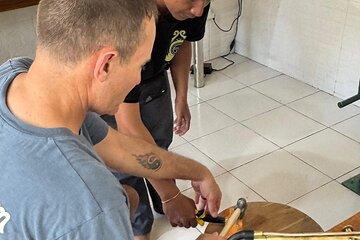
The trap to avoid is the air-conditioned Celuk showroom that drivers take you to on bus tours — markups of 4–5x over fair price are common, and online reviews are full of stories of travellers paying USD 250 for jewellery sold elsewhere for USD 15. The honest pricing sits in smaller family workshops down the side streets, or at vetted designer boutiques in Ubud and Seminyak. A silver jewellery making class in Celuk is one way to skip retail entirely — you'll pay around IDR 450,000–700,000 (USD 28–45), keep the 5–7g piece you make, and watch how the metal is actually worked.
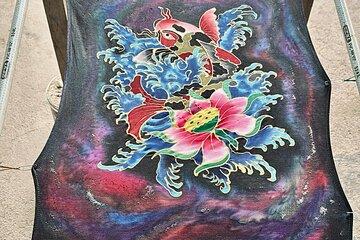
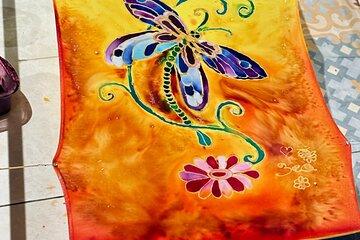
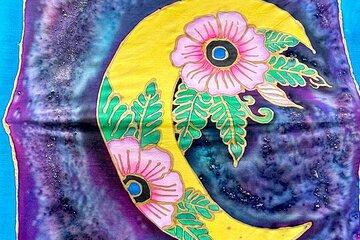
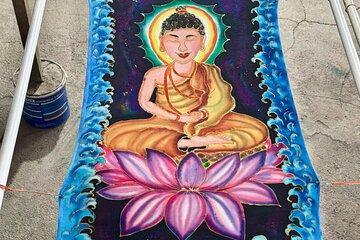
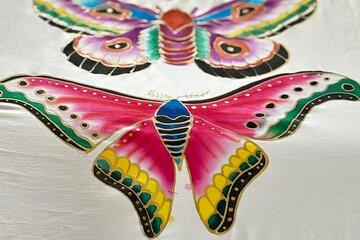
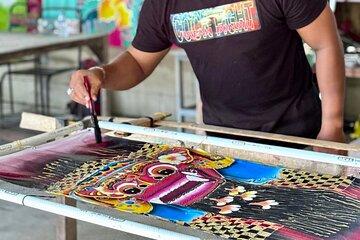
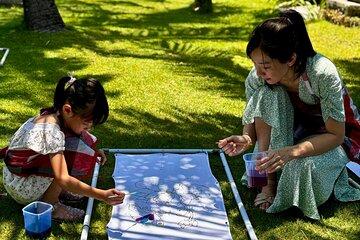
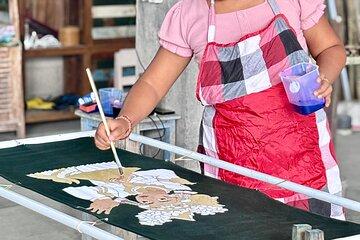
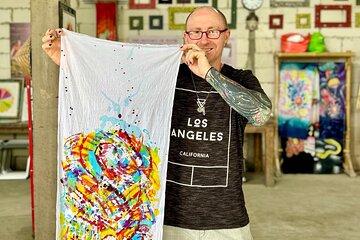
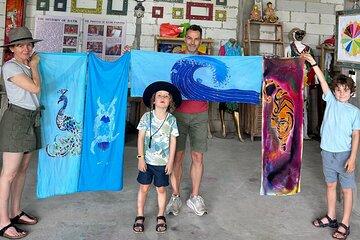
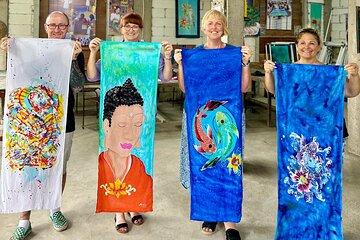
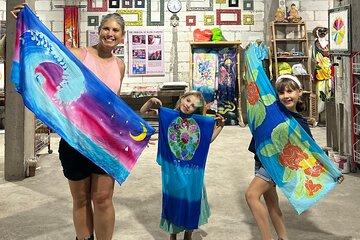
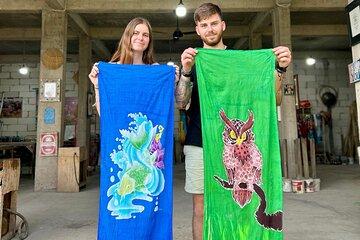
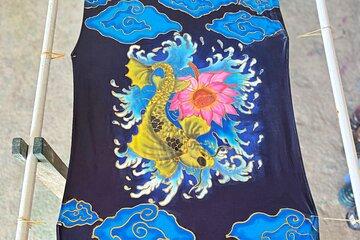
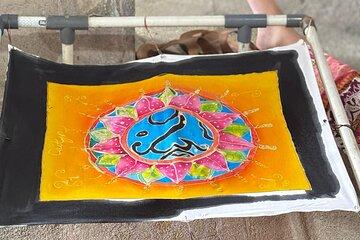
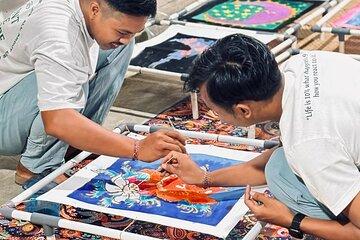
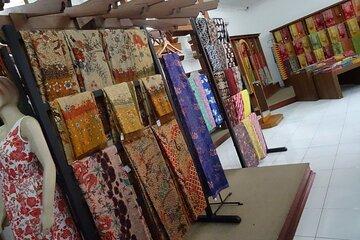
Batik textiles and sarongs (from Tohpati and Java)
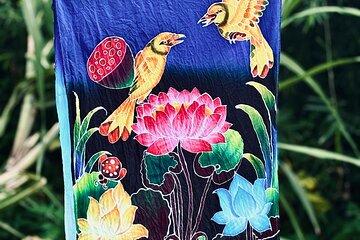
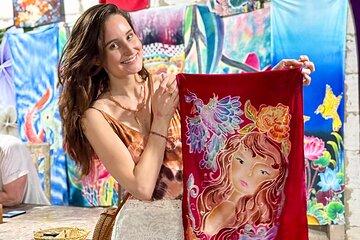
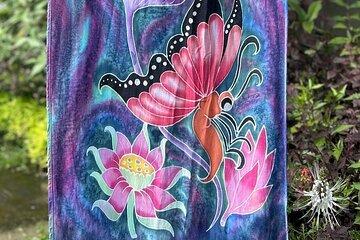
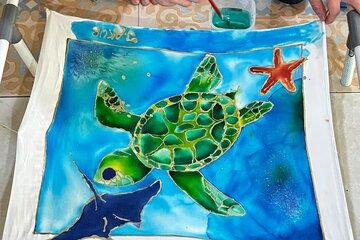
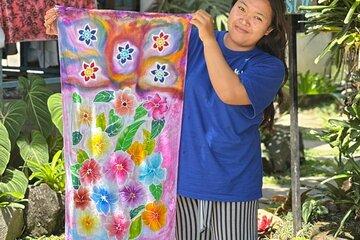
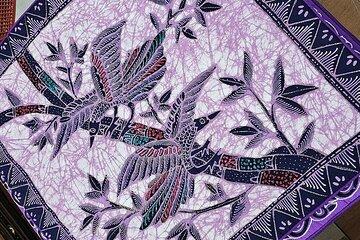
Batik in Bali comes in three honest grades and one fake one. Real batik is so culturally significant that UNESCO recognises Indonesian batik as Intangible Cultural Heritage.
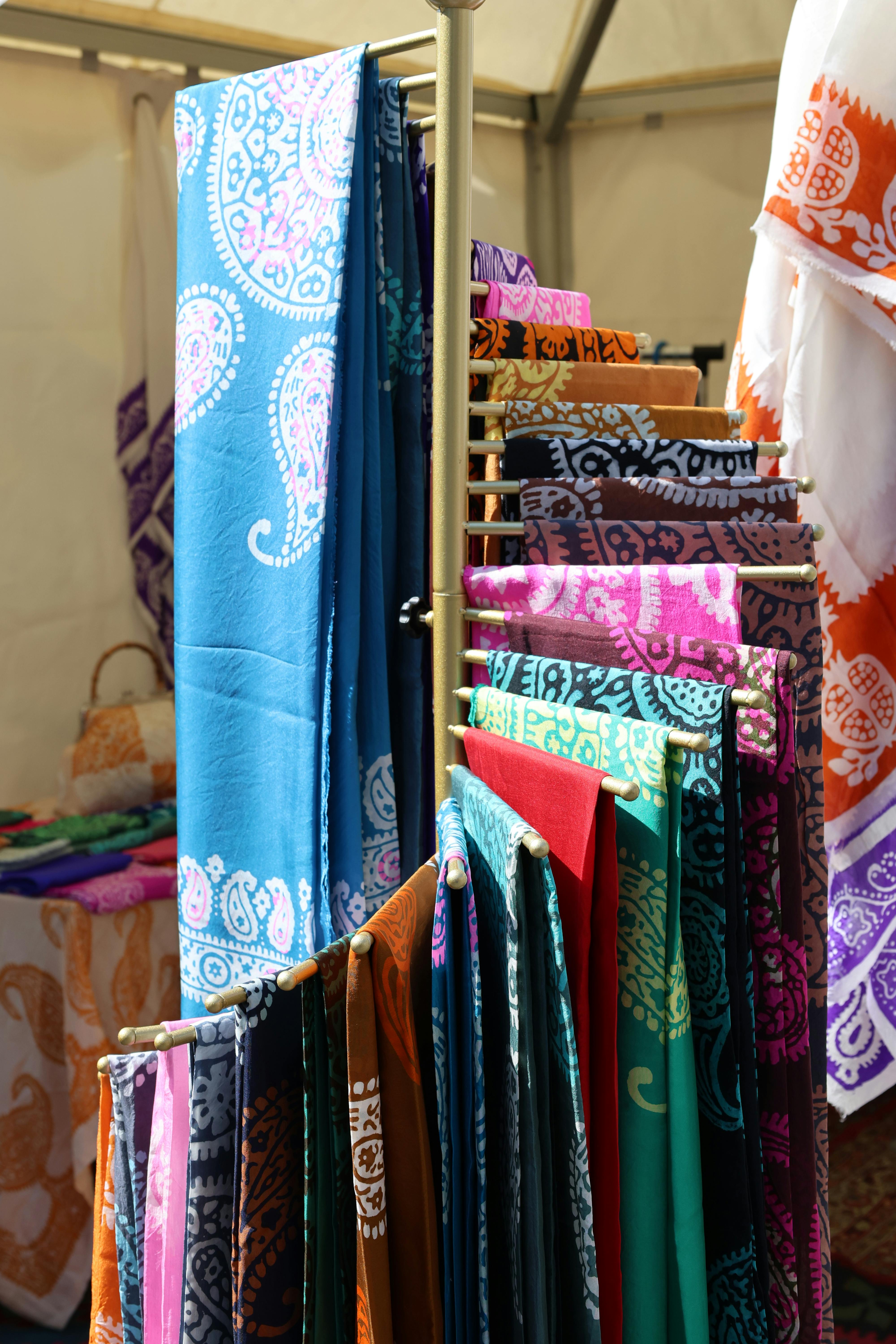
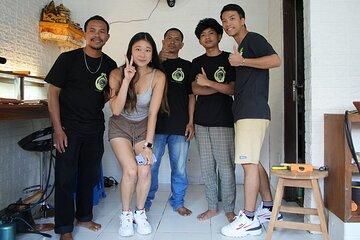
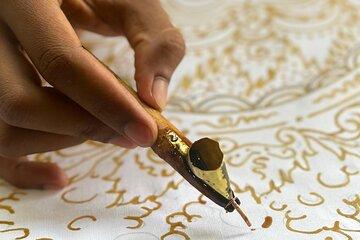
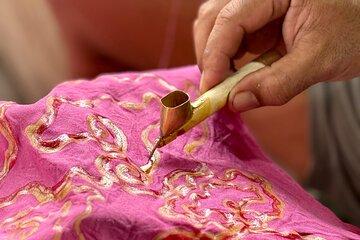
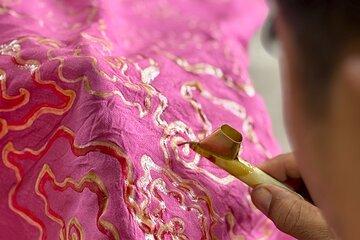
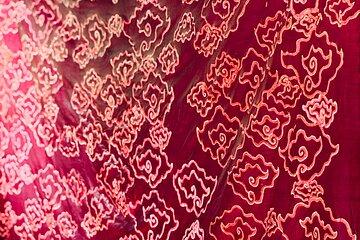
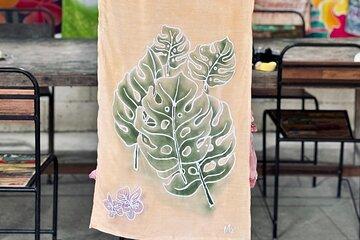
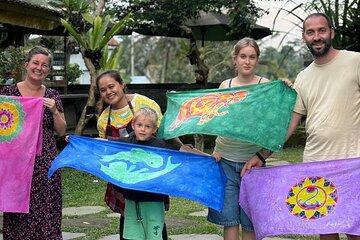
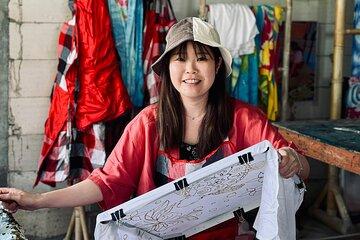
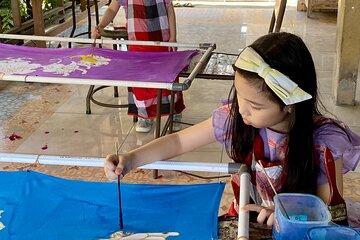
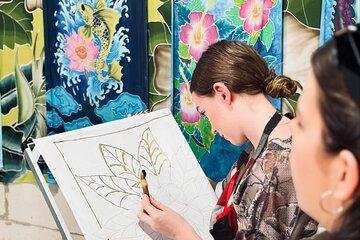
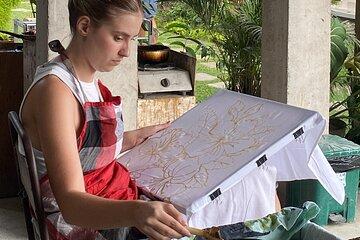
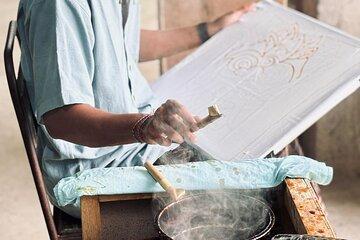
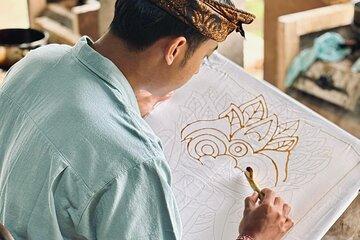
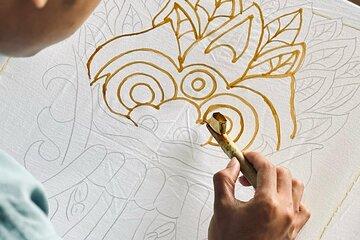
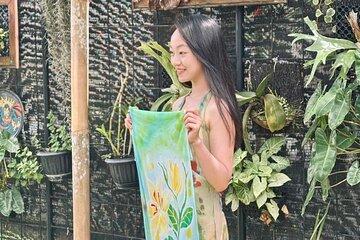
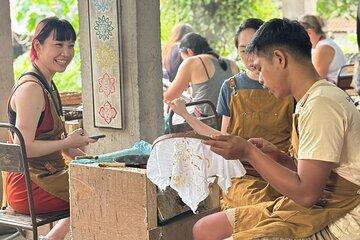
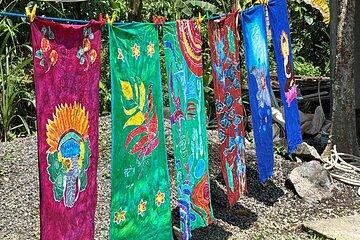
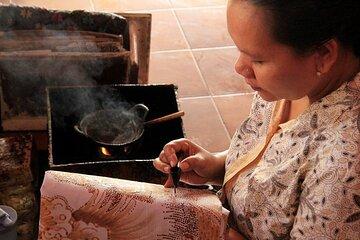
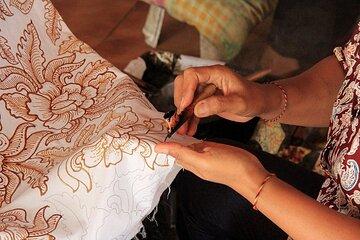
- Batik tulis (hand-drawn with a canting wax pen): the highest grade. Takes weeks. Slight imperfections in the wax lines are the signature of authenticity. IDR 800,000–3,500,000 (USD 50–220) for a sarong-length piece.
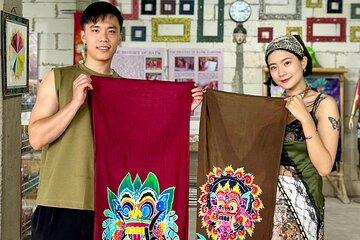
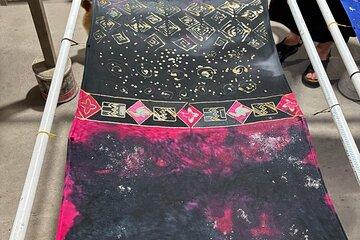
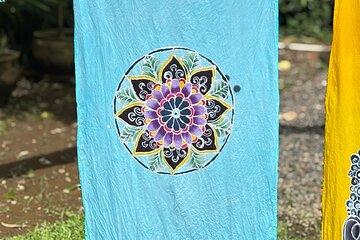
- Batik cap (hand-stamped with a copper block): repeated regular pattern, still made with wax and natural fabric. IDR 150,000–500,000 (USD 10–32).
- Batik print: machine-printed polyester. Stiff, vivid, design only on one side. IDR 50,000–100,000 (USD 3–6). This is what you'll be sold at most beach stalls — it's a sarong, not batik.
- "Batik" that is none of the above: anything claiming to be batik tulis under IDR 500,000 almost certainly isn't.
The test: rub the inside of the fabric. Real batik colours bleed through equally on both sides; prints don't. Tohpati village near Denpasar is the batik-making centre — most quality sellers in markets source from there.
Kopi luwak and Bali coffee
Be honest with yourself about kopi luwak before you spend money on it. Roughly 80% of what is sold globally as kopi luwak is either cage-farmed or not luwak at all, and authentic wild-sourced kopi luwak has a hard price floor: a wild Asian palm civet processes only 50–100 cherries per night, and wild-collected product retails at minimum USD 100 per 100g. Anything sold under USD 20–30 per 100g — including most of what's poured at Bali coffee plantation tasting sessions — is from caged civets force-fed cherries, or simply ordinary arabica in luwak packaging.
If wild kopi luwak matters to you, ask plantations directly: are the civets caged or free? Vague answers ("ethically sourced", "sustainable") mean caged. Genuine producers will name the forest area, show their wild-collection routes, and price accordingly.
The honest alternative most locals actually drink:
- Single-origin Kintamani arabica: IDR 80,000–150,000 (USD 5–10) per 200g, bright and citrus-noted
- Pupuan arabica (West Bali highlands): IDR 100,000–180,000 (USD 6–11) per 200g, earthier
- Bali honey-processed beans: IDR 150,000–250,000 (USD 10–16) per 200g
For honest packaged coffee at fixed prices, Krisna Oleh-Oleh branches across Bali stock Kintamani and Pupuan beans without the airport markup.
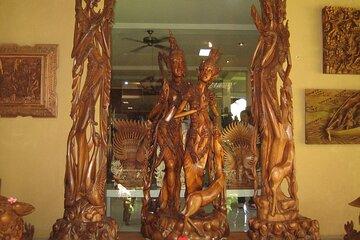
Wood carvings from Mas village
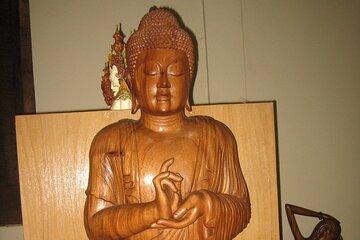
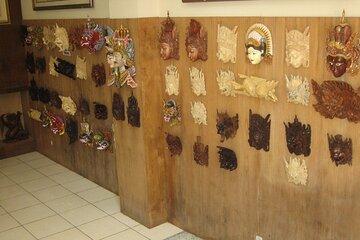
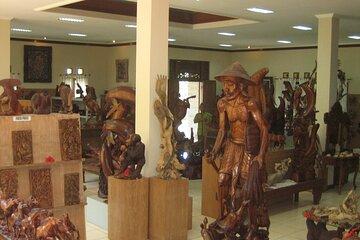
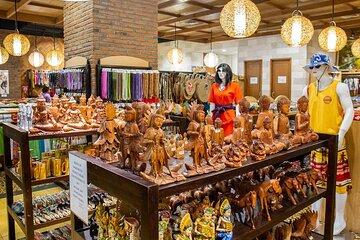
Mas village, also in Gianyar, has carved wood for centuries — Buddha heads, Garuda figures, Hindu deities, and abstract pieces in teak, suar, hibiscus, and jackfruit wood. Pricing tracks size and the density of detail:
- Small pieces (under 20cm): IDR 100,000–300,000 (USD 6–19)
- Medium (20–60cm): IDR 500,000–2,000,000 (USD 32–125)
- Large statement (over 60cm): IDR 5,000,000+ (USD 315+)
- Workshop-direct prices are 30–50% below market stall prices
A customs note: Australia and New Zealand often require fumigation certificates for raw wood. Buy from sellers who can produce one — most established Mas workshops can. The US, EU, Singapore, and India are more relaxed but still inspect for pests.
The other things worth bringing home
The second tier covers items that are well-made and useful, even if they're not as headline-worthy as silver or batik. None should be dismissed — for some travellers, an ata-grass bag or a small Ubud painting will be the most meaningful piece they take home.
Ata-grass bags from Tenganan village
Tenganan in East Bali is a preserved Bali Aga (pre-Hindu Balinese) village where families weave bags from ata grass collected in the nearby forest. The grass is boiled in coconut oil, sun-dried for weeks to a warm golden tone, then handwoven into round, oval, or boxy shapes. The result is light, sturdy, and unmistakably Balinese.
- Small clutch: IDR 300,000–600,000 (USD 19–38)
- Medium round bag: IDR 700,000–1,500,000 (USD 45–95)
- Large structured tote: IDR 1,500,000–3,000,000 (USD 95–190)
Aromatherapy oils and natural skincare
Bali's wellness industry produces high-quality essential oils and botanical skincare. The brands worth seeking out at fair prices:
- Utama Spice (Ubud) — frangipani, sandalwood, lemongrass oils. IDR 80,000–250,000 (USD 5–16) for 10ml pure oil.
- Sensatia Botanicals — soap, body washes, face care. IDR 60,000–180,000 (USD 4–11) per item.
- Blue Stone Botanicals — body oils and balms made with cold-pressed local oils.
Avoid bargain-bin essential oils at markets — most are diluted with mineral oil and the labelled scent is synthetic.
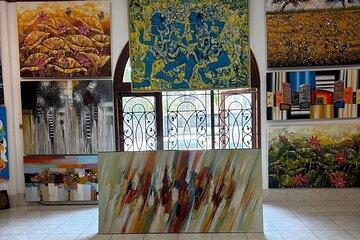
Paintings (Ubud and Batuan styles)
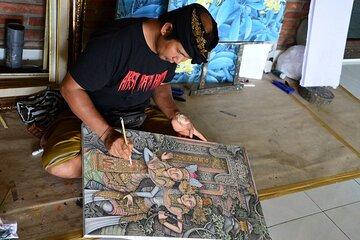
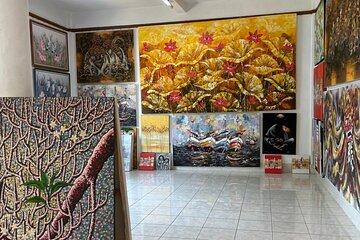
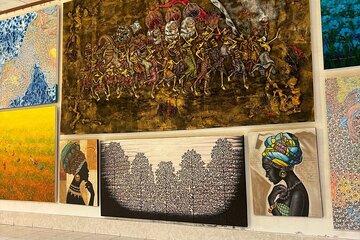
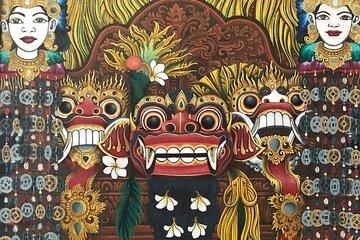
Two distinct traditions live side by side in central Bali. Ubud-style paintings use pastel washes, modernist compositions, and nature themes; Batuan-style paintings are dark, densely populated, and tell Hindu epic stories. To learn the difference before buying, ARMA Museum, Neka Art Museum, and Blanco Renaissance Museum all give free orientation.
- Small original (A4 size, market): IDR 300,000–800,000 (USD 19–50)
- Mid-size original (gallery): IDR 1,500,000–5,000,000 (USD 95–315)
- Recognised artist signed piece: IDR 10,000,000+ (USD 630+)
Test for original vs print: originals have visible brush texture, slightly uneven canvas tension, and an imperfect canvas back. Prints are uniform and flat. Most Ubud Art Market vendors will roll a canvas off its stretcher for safer transport home.
Local snacks, spices, and arak/brem
- Kacang Disco (seasoned crunchy peanuts): IDR 25,000–50,000 (USD 1.50–3) per pack
- Kintamani vanilla beans: IDR 100,000–300,000 (USD 6–19) per 100g
- Sea salt from Kusamba: IDR 30,000–80,000 (USD 2–5) for a small jar
- Arak (rice or palm spirit): IDR 80,000–200,000 (USD 5–13) per bottle
- Brem (fermented rice wine): IDR 60,000–150,000 (USD 4–10) per bottle
What to skip when working out what to buy in Bali
- Generic surf-brand T-shirts from market racks — most are counterfeits, and the brands they imitate sell better-priced originals at Drifter and Beachwalk
- Plastic fridge magnets and bottle-opener souvenirs — not made in Bali, often imported from China
- "Antique" anything sold openly at a tourist market — genuine antiques are protected by Indonesian cultural heritage law and rarely sold to walk-in buyers
- Branded perfumes at street stalls — almost always fake, and customs at home can confiscate them
- Cheap pearls labelled "Bali pearl" — most are dyed shell or plastic, not pearl
Where to shop — markets, villages, malls, and boutiques
Where you shop matters more than what you shop for. The same wood carving costs IDR 100,000 in a Mas village workshop, IDR 250,000 at Sukawati Art Market, IDR 600,000 at Ubud Art Market, and IDR 1,200,000 in a Seminyak boutique. None of those prices is wrong — they reflect different rent, selection, and service. What to buy in Bali is really a question of which zone you choose: pick the one that matches what you want to spend and how much you want to negotiate.
Traditional markets (Sukawati, Ubud, Sindhu)
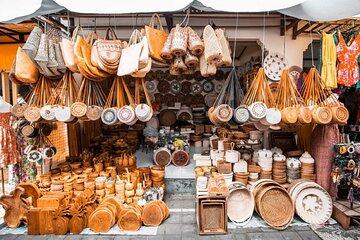
Sukawati Art Market is the biggest, cheapest, and most chaotic — two floors of stalls selling sarongs, paintings, wood carvings, baskets, and small silver. Sukawati Morning Market next door operates wholesale-style and is where shop owners from across Bali stock up. Ubud Art Market opposite Ubud Palace is more polished, slightly pricier, and easier to combine with cultural sights. Sindhu Night Market in Sanur and Pasar Senggol in Gianyar are smaller and more locally-skewed, with good street food alongside the shopping.
Bargaining rule of thumb at all three: start at 40–50% of the asking price, settle around 50–65%.
Artisan villages (Celuk, Mas, Tohpati, Tenganan)
Buying direct from the village is the route most locals take when shopping seriously. Celuk for silver, Mas for wood, Tohpati for batik, Tenganan for ata-grass. Two warnings: the largest showrooms in Celuk and Mas pay drivers 10–30% commission and price accordingly. Walk one or two streets back from the main road and look for smaller workshops where the artisans work in view — that's where fair pricing lives.
Modern malls (Beachwalk, Seminyak Village, Discovery)
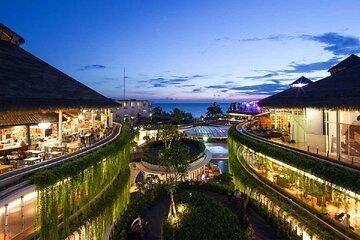
Beachwalk Shopping Center near Kuta Beach is the largest, with international brands and fixed prices. Seminyak Village is smaller and more interesting — its anchor tenants are local Bali designers rather than global chains. Discovery Mall Kuta mixes both. Malls work best for cosmetics, electronics, branded fashion, and last-minute airport runs. They do not work for traditional craft or bargain hunting.
Designer boutiques (Seminyak Jl. Kayu Aya, Canggu Batu Bolong)
Bali's resort-wear boutique scene is one of its quiet strengths. Brands like Lulu Yasmine, Magali Pascal, Biasa, Uma and Leopold, and Paulina Katarina design and produce on the island, often with hand-printing and natural dyes. Prices sit between USD 80–400 per piece, mostly fixed. The flagship strip is Jl. Kayu Aya in Seminyak; the alternative younger-skewing scene is on Jl. Pantai Batu Bolong in Canggu. No bargaining.
| Shopping zone | Best for | Price level | Bargaining? | Best for which traveller |
|---|---|---|---|---|
| Sukawati Art Market | Bulk souvenirs, sarongs, wood, paintings | Lowest | Yes (start 40–50%) | Bargain hunters, groups buying gifts |
| Ubud Art Market | Mid-range crafts, batik, baskets | Low–mid | Yes (start 50–60%) | First-timers, central-Bali itineraries |
| Celuk Village | Silver and gold jewellery, workshops | Mid–high | Sometimes (small workshops only) | Anyone serious about silver |
| Mas Village | Wood carvings, statues | Mid | Yes (at workshops) | Collectors, home-decor buyers |
| Seminyak boutiques | Designer resort wear, fine jewellery | High | No | Luxury travellers, couples |
| Canggu Batu Bolong | Beach-luxe, ethical brands, surf | High | No | Younger travellers, fashion-led |
| Beachwalk / Seminyak Village | International brands, cosmetics, electronics | Mid–high | No | Convenience shoppers, families |



How to bargain in Bali markets without offending anyone
Bargaining at Balinese markets is expected, but it's a conversation, not a contest. A typical exchange takes 60–90 seconds and ends with both sides happy. The opening price the vendor quotes you is almost always 2–3x what they'll accept — your job is to land somewhere in the middle of that band without making anyone uncomfortable.
The opener-counter-walkaway flow
The standard rhythm at any Bali market:
- Vendor opening price: IDR 500,000
- Your counter (40–50% of asking): IDR 200,000
- Vendor comes down: IDR 400,000
- You raise slightly: IDR 250,000
- Land around: IDR 280,000–320,000
Always smile. Compliment the piece. If you reach a point where the vendor won't move further, the walk-away is a legitimate tool — half the time they'll call you back with a final price. If they don't, there are usually three more stalls selling the same item within fifty metres.
A few Indonesian phrases that change the dynamic:
- "Mahal" — too expensive
- "Boleh kurang?" — can you lower it?
- "Harga terakhir?" — final price?
- "Terima kasih" — thank you (essential, whether or not you buy)
When NOT to bargain
Pushing on price in the wrong setting reads as rude. No bargaining at:
- Fixed-price boutiques (Lulu Yasmine, Biasa, Magali Pascal, Uma and Leopold)
- Malls — Beachwalk, Seminyak Village, Discovery, Mal Bali Galeria
- Fixed-price souvenir hubs like Krisna Oleh-Oleh
- Any shop with displayed price tags and no "negotiable" sign
- Restaurants, cafes, spas, and yoga studios — never
Cash, small notes, and digital payment realities
- Indonesian rupiah (IDR) is the only practical currency at markets and most small shops
- Small bills (IDR 10,000 to IDR 50,000) make bargaining smoother and avoid the "no change" stall
- Boutiques and malls accept Visa and Mastercard, often with a 2.5–3% surcharge passed to you
- QRIS (Indonesia's domestic QR payment standard) works at a growing number of boutique shops if your bank supports it
- Withdraw rupiah at airport BCA or Mandiri ATMs — avoid privately-branded ATMs near tourist zones (poor rates, occasional skimmers)
How to avoid the five most common Bali shopping scams
Most rip-offs in Bali are not violent — they're commission-driven misdirection, fake-product substitution, or polite pressure. Five patterns catch the majority of travellers.
1. Cage-farmed kopi luwak sold as wild
The biggest one. Roughly 80% of the kopi luwak market globally is cage-farmed product mislabelled as wild. Civets kept in small enclosures and force-fed cherries produce inferior coffee and live in poor welfare conditions — BBC investigations have documented this across Bali and Java for over a decade. The plantations charging IDR 100,000–300,000 for "kopi luwak" tasting sets are not selling wild product. If you care about either authenticity or animal welfare, buy regular Kintamani arabica from the same farms — it's the same beans grown a few rows over, without the welfare problem.
2. Plated metal sold as 925 silver
Three checks before you pay:
- Look for the 925 stamp — inside a ring band, on a necklace clasp, on the hook of an earring
- Weigh it in your hand — real silver is dense and feels substantial; plated brass feels light and tinny
- Tarnish test if the seller will allow it — real silver tarnishes slowly over months; plated metal flakes
No 925 stamp means no guarantee. If a vendor insists "it's still silver", it isn't.
3. Inflated Celuk Village showroom prices (the driver-commission problem)
Private drivers in Bali routinely earn 10–30% commission from large jewellery showrooms, batik factories, and coffee plantations they bring you to. Your prices include that commission, plus the showroom's own margin. The mathematics are not in your favour.
Insider reality check: the driver-commission stop
- The "free" jewellery showroom your driver suggests is paying him 15–25% of whatever you spend
- Air-conditioned, glass-cased showrooms with bus parking outside are almost always commission stops
- Polite phrasing to skip: "Can we go straight to Mas without the silver showroom?" or "We'd like to find a small workshop on the side streets instead"
- If you book a shopping experience through Travjoy, the drivers and guides are on flat fees rather than commission — the prices you see are the prices locals pay, because the routing has been researched and approved by local experts who know which showrooms are clean and which aren't
4. "Antique" wood carvings made last week
Truly old Balinese carvings are protected as cultural heritage and rarely for legitimate sale. The dark, "aged" finish on tourist carvings is almost always shoe polish, tea, or a quick coat of stain. Most market wood carvings are two to six weeks old, not sixty years. The honest sellers in Mas will tell you the piece is new — and that's better for you anyway, because customs back home won't query a new carving the way they would a claimed antique.
5. Polyester print sold as batik tulis
The sarong you're holding for IDR 80,000 at Kuta Beach is not hand-drawn batik tulis. It can't be — real batik tulis takes weeks of wax-resist work and starts at IDR 800,000. Three tells:
- Print runs only on one side of the fabric; real batik soaks through evenly
- Print fabric feels stiff and synthetic; real batik is soft natural cotton or silk
- Real batik shows tiny imperfections in the wax lines — that's the proof of hand-work
Budget, packing, and customs — the practical end
Working out your budget for what to buy in Bali comes down to whether you're hunting souvenirs or a signature piece. Three tiers cover most travellers.
How much to budget
- Low-spend (souvenirs only): IDR 800,000–1,500,000 (USD 50–95) per person — sarongs, snacks, small carvings, a few oils
- Mid-spend (the typical Bali shopper): IDR 1,500,000–4,000,000 (USD 95–250) per person — silver pieces, mid-tier batik, oils, a small painting
- High-spend (statement piece): IDR 6,000,000–30,000,000+ (USD 380–1,900+) — designer dress, gold or designer silver jewellery, large painting or carving
- Add 20–30% buffer if you're buying for friends and family back home
Packing and shipping fragile items
- Wood carvings: wrap in clothing and place in the centre of your suitcase, away from the wheels
- Paintings: ask the seller to roll the canvas off the stretcher — flat travel is far safer than framed
- Silver: small zip pouches with anti-tarnish strips; keep in carry-on if valuable
- Larger items: most Sukawati and Mas vendors arrange DHL or FedEx shipping for around USD 30–80 per box to most international destinations, with tracking and insurance. Clarify timing (typically 7–14 days) and ask for the tracking number before paying.
Customs realities by country
- Australia: declare all wood products on arrival; fumigation certificate often required for raw wood. Spirits limited to 2.25L per adult.
- Singapore: 1L of liquor duty-free; wood carvings and textiles generally fine.
- India: gold jewellery has personal limits (40g for women, 20g for men) under the Customs Act. Declare anything over.
- EU and UK: most handicrafts welcome; food restrictions are stricter (no fresh fruit, no unsealed dairy).
- US: declare goods over USD 800. USDA inspects food — vanilla beans, dried spices, and sealed snacks usually pass; fresh produce does not.
- Everywhere: counterfeit branded goods can be confiscated and fined — leave the fake Gucci sunglasses on the rack.
Plan your Bali shopping trip
When you're working out what to buy in Bali, the craft economy rewards a bit of planning. Buy your silver in Celuk, your wood in Mas, your batik from Tohpati or a Tohpati-supplied stall, and your kopi luwak only from a plantation that openly shows wild civet sourcing — or skip it and buy single-origin Kintamani arabica instead. Use markets for bargaining and bulk; use boutiques for one-off pieces; use malls only for cosmetics and last-minute airport runs. And if you'd rather have a driver who isn't on commission, a workshop visit that isn't a sales pitch, or a shopping tour mapped to what you actually want to take home, Travjoy's Bali experiences are researched and approved by local experts so you can buy with confidence rather than guesswork. Start planning your Bali trip on Travjoy.

.svg&w=1920&q=75)