



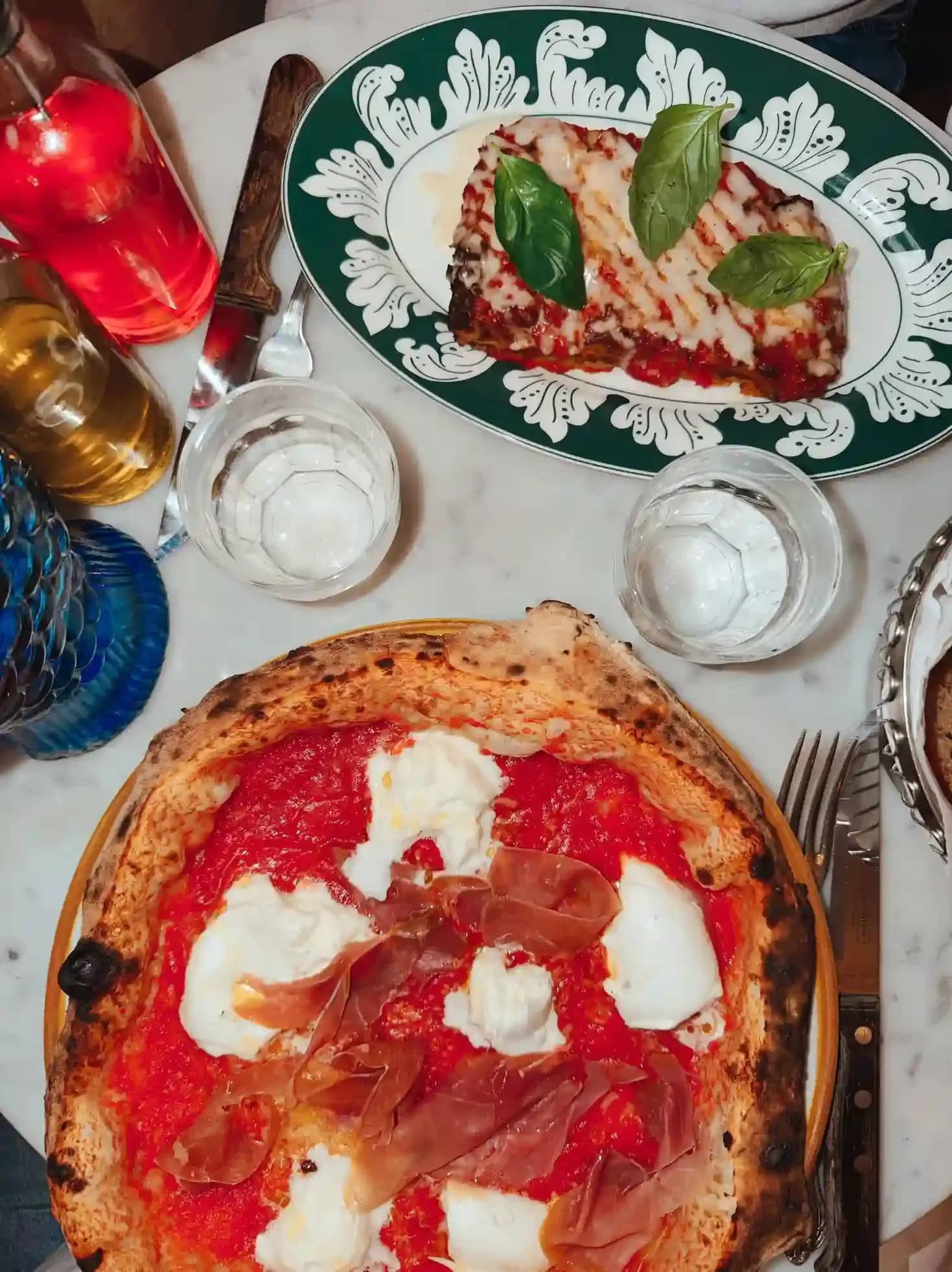
Top Things to Eat in London: A Complete Guide for Discerning Travellers — The Dishes Worth Crossing Town For
8 min read
Key Highlights
- The British canon to order first: fish and chips, a proper Sunday roast with Yorkshire pudding, the full English, and pie and mash.
- Where the elevated version lives — the chippy worth the detour, the gastropub roast booked a week ahead, the market stall doing one thing perfectly.
- London's immigrant classics that define the city: the salt beef beigel on Brick Lane and chicken tikka masala, the country's adopted national dish.
- The sweet course Londoners actually eat: clotted-cream scones, sticky toffee pudding, and afternoon tea done at a grand hotel.
- What to drink alongside, and the fastest way to taste several dishes in a morning without planning every stop yourself.
The top things to eat in London fall into three groups: the British classics worth ordering first (fish and chips, a Sunday roast, the full English), the immigrant dishes that now define the city (the Brick Lane salt beef beigel, chicken tikka masala), and the sweet course of scones, sticky toffee pudding and afternoon tea. The trick on a return visit is knowing where the standout version is served — the right chippy, the gastropub roast, the market stall — rather than settling for whatever sits nearest the station.
London does not have a single dish you must eat and a hundred you can ignore. It has a layered food culture — Victorian chippies and East End pie shops sitting a few streets from Bangladeshi curry houses, Jewish bakeries and Italian-run cafés, all of it now reworked by a generation of chefs treating the classics with proper attention. For a returning visitor, the question is rarely what to eat. It is where the version worth your time actually is.
This guide is organised by the dish, not the postcode. For each plate you get what it is, why it earned its place, and the kind of room where it is done well — from a Friday-night chippy to a grand hotel tea room. Prices are listed in pounds with a rough US dollar equivalent so you can judge what the spend buys before you sit down. Where a dish is best tasted across several stops, the experiences on Travjoy are researched and approved by local experts, which spares you the guesswork of sorting the standout from the tourist trap.
The British classics worth ordering first
If you eat only two traditional things in London, make them fish and chips and a Sunday roast — they are the dishes the city does with the most conviction. Both are widely available and both reward a little discrimination: the difference between a forgettable plate and a memorable one is almost entirely about where you order it. These are the anchors of any list of things to eat in London.
Fish and chips — go to a chippy, not a pub
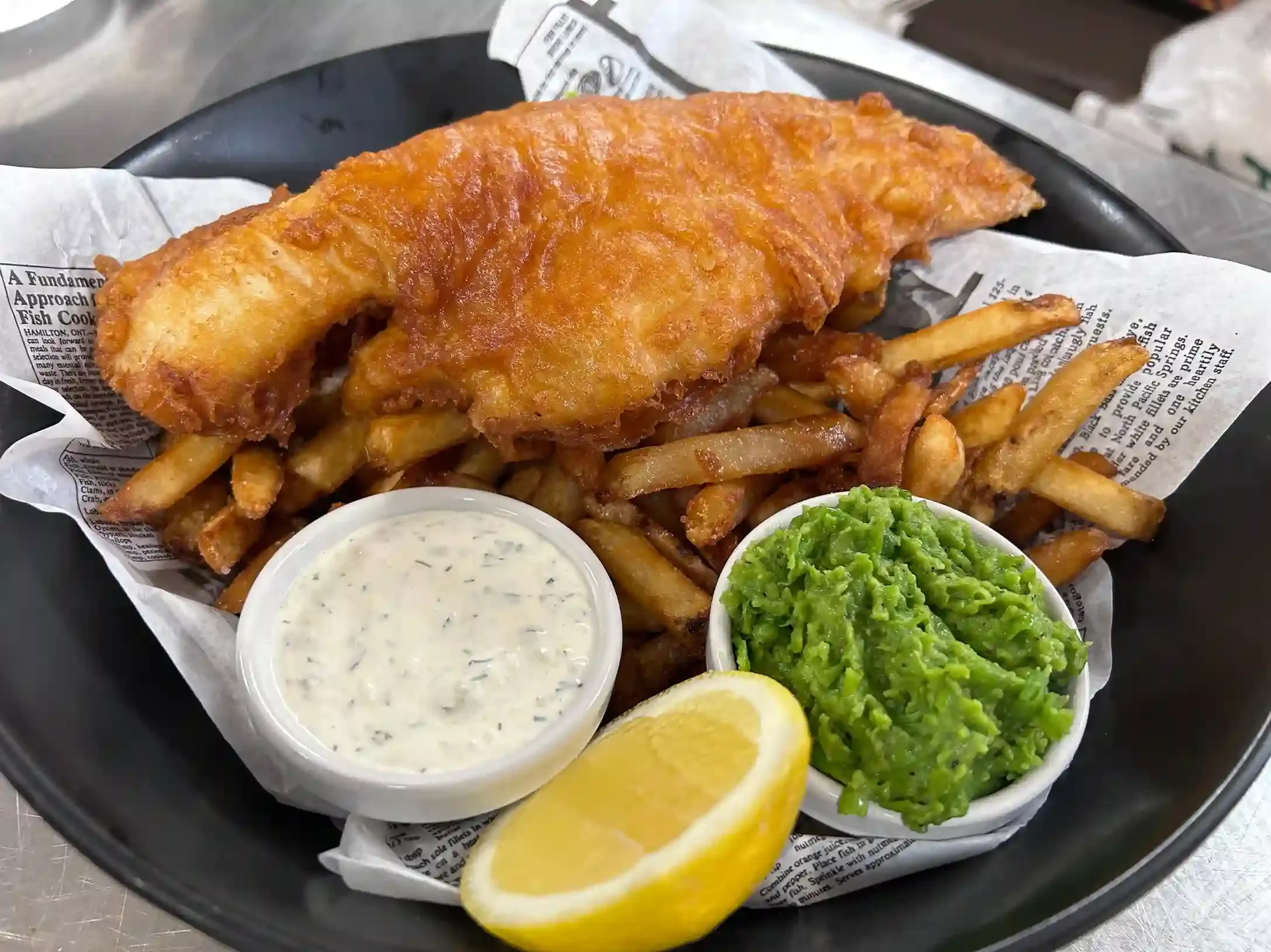
Fish and chips is battered white fish (usually cod or haddock) with thick-cut chips, mushy peas, and a shake of salt and malt vinegar. It became a London staple in the mid-1800s in the East End, and the best versions still come from a dedicated "chippy" rather than a pub kitchen running it as a side line. Look for fish fried to order, batter that shatters rather than sags, and chips that are fluffy inside.
- A standard portion at a good chippy: £12–£18 (about $16–$24)
- A gourmet, restaurant-fried version with a premium cut: £22–£30 (about $29–$40)
- Best eaten hot and straight away — it does not travel well
Increasingly, London chefs are taking the dish seriously, frying sustainable fish in lighter batters and serving it in proper dining rooms. If you would rather sit down to an elevated take than queue at a counter, several of the city's fine-dining rooms put a refined fish and chips on the menu.
Sunday roast — the meal that anchors the week
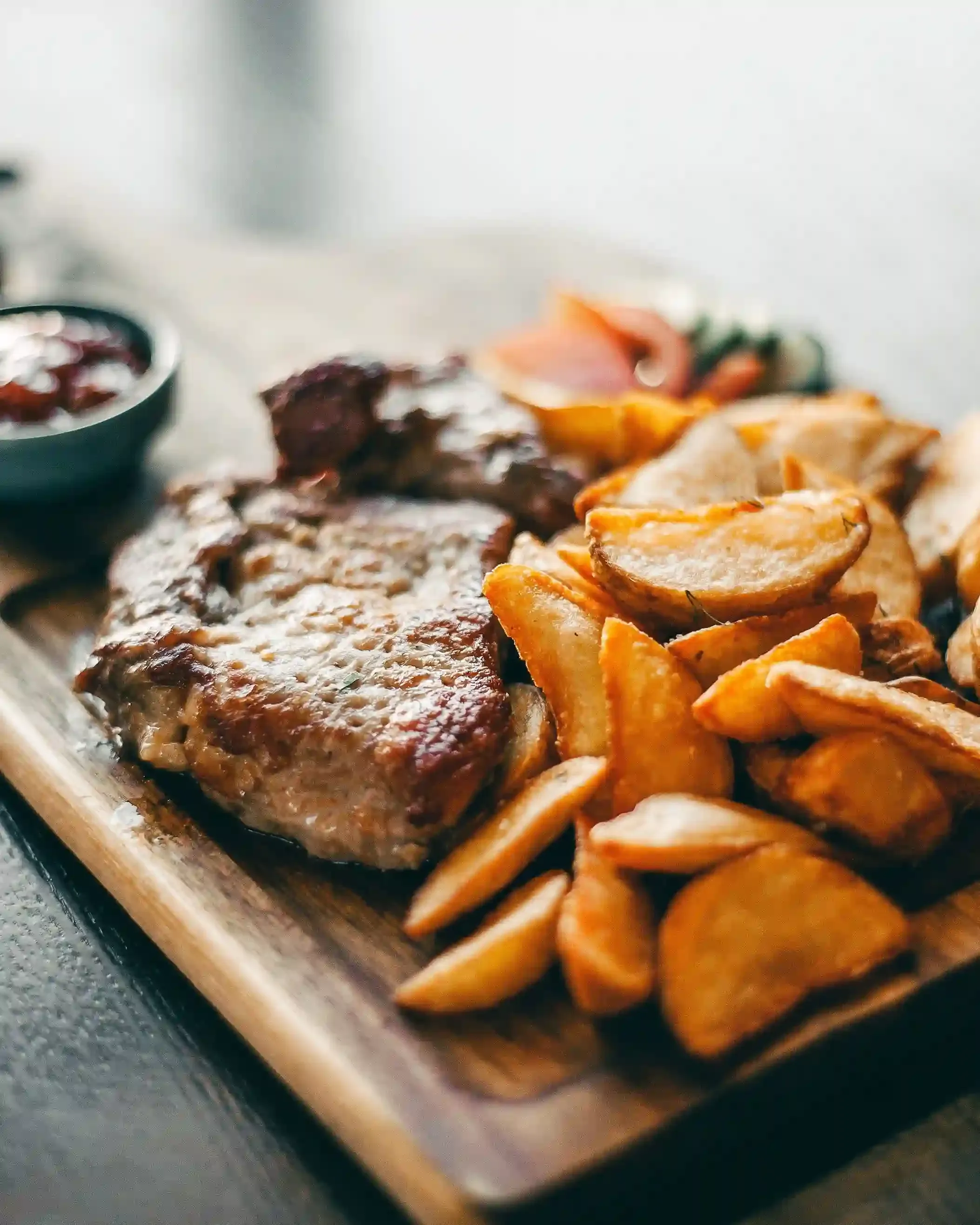
A Sunday roast is roasted meat (beef, lamb, chicken or pork) with roast potatoes, seasonal vegetables, gravy and, with beef, a Yorkshire pudding — a crisp, hollow batter popover built to soak up the juices. It is the one meal Londoners still gather for at the table, and it is served only on Sundays, usually from noon until it sells out mid-afternoon. A good London gastropub is where you want to eat it.
- Served: Sundays only, typically 12pm–4pm (kitchens often run out by late afternoon)
- A roast at a good gastropub: £20–£32 (about $26–$42) per person
- The better rooms take bookings — reserve a few days ahead, especially for a group
Ordering a roast like a local
- Beef pairs with the Yorkshire pudding; if there is no Yorkshire on the plate, you have ordered the wrong meat for the full effect.
- Ask for extra gravy — it is rarely a problem, and a dry roast is a wasted one.
- Go for the onion or red-wine gravy over plain if you are offered a choice.
- Book ahead. The best roasts sell their tables and their meat by 2pm.
Pub and café staples worth a detour
Beyond the headline dishes, London's pubs and cafés run a steady repertoire of plates that are cheaper to find but no less worth your attention — the full English, bangers and mash, pie and mash, and the scotch egg. These are the everyday flavours of the city, the good versions made with proper sausages, real gravy and a cook who cares — and they belong on any honest list of things to eat in London.
The full English breakfast
The full English (or "fry-up") is a single plate of bacon, sausage, eggs, baked beans, grilled tomato, mushrooms, fried bread or toast, and often black pudding. It started as a leisurely gentry breakfast in Georgian and Victorian times and is now a weekend ritual across the city. The measure of a good one is the quality of the sausage and bacon, not the size of the plate.
Bangers and mash, pie and mash
These two are the comfort end of British cooking. Bangers and mash is sausages over creamy mashed potato with onion gravy; pie and mash is a minced-beef pastry pie with mash and a green parsley "liquor" sauce, a dish born in the Victorian East End. Both are pub and café food, hearty and built for a cold, grey day.
- Bangers and mash at a good pub: £13–£18 (about $17–$24)
- Traditional pie and mash: £8–£14 (about $11–$18)
- Look for the sausage and mash served inside a giant Yorkshire pudding if you see it — a London favourite
The scotch egg — the perfect pub snack
A scotch egg is a soft-boiled egg wrapped in seasoned sausage meat, coated in breadcrumbs and deep-fried. The mark of a great one is a yolk still slightly runny when you cut it open — harder to pull off than it sounds, and the sign of a kitchen paying attention. Order it with a pint as a pre-dinner snack rather than a meal.
London's market plates and old-city bites
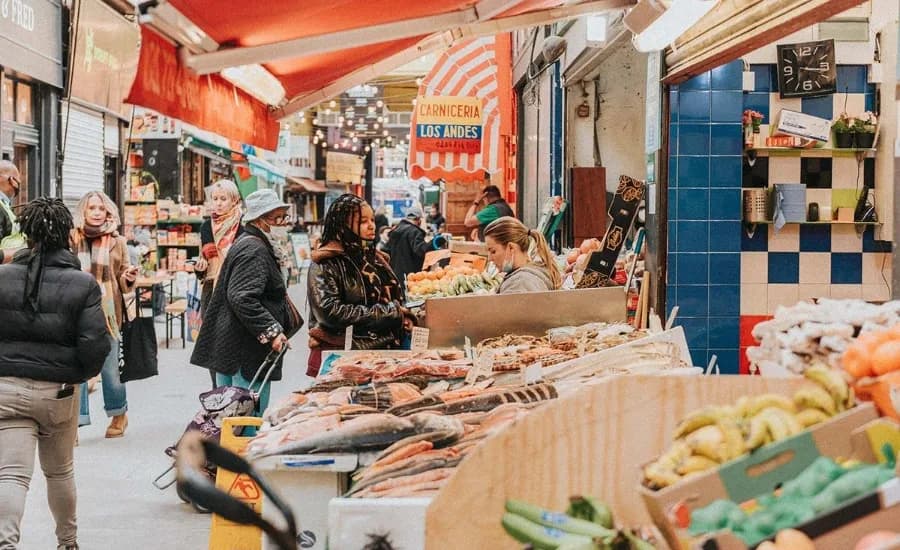
For the dishes that don't fit on a pub menu — fresh oysters, raw-bar shellfish, proper British cheese, the salt beef beigel — head for the city's food markets and a couple of old-city institutions. This is where you eat standing up, one excellent thing at a time, and where the historic East End food culture is still alive.
Borough Market — oysters, cheese and a raclette roll
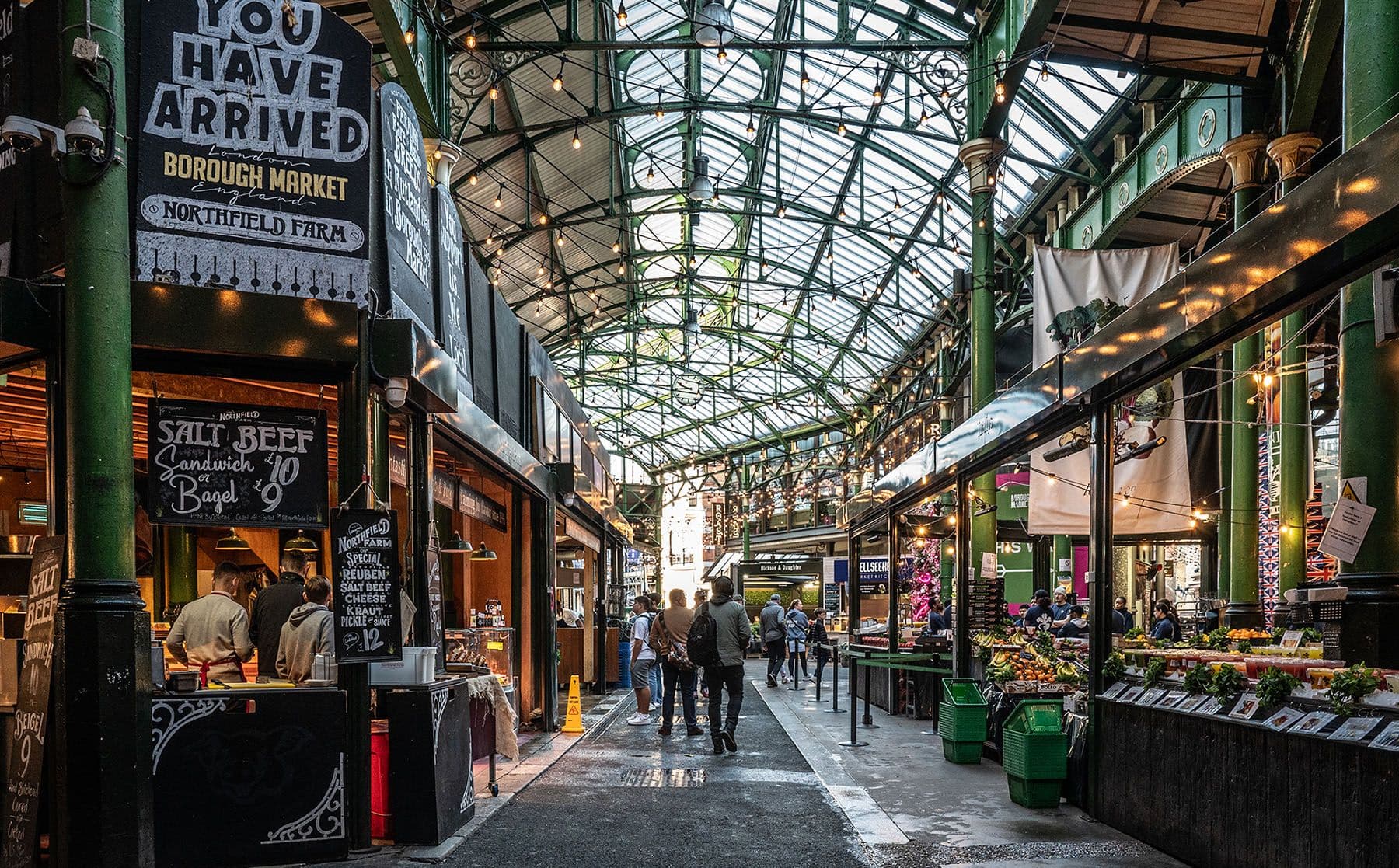
London's most famous food market is the single best place to graze across British produce in one visit. At Borough Market you can eat freshly shucked oysters at a raw bar, taste your way through a counter of 400-odd British cheeses, and pick up a molten raclette-and-potato roll, all within a few hundred metres. Go mid-morning on a weekday to beat the lunch crush.
- Half a dozen oysters at a market raw bar: £15–£24 (about $20–$32)
- A raclette or toasted-cheese roll: £8–£10 (about $11–$13)
- Quietest window: weekday mornings; busiest: Friday and Saturday lunch
The salt beef beigel on Brick Lane
The salt beef beigel is one of London's defining late-night bites — a dense, chewy Polish-Jewish beigel split and packed with hot salt beef, mustard and pickle. Jewish immigrants brought the beigel to the East End in the 19th century, and the 24-hour bakeries on Brick Lane have been serving them around the clock for decades. A salt beef beigel after a long evening is a genuine London rite, and one of the more characterful things to eat in London.




The curry house and London's global table
Some of the best things to eat in London are not British in origin at all — the city's defining flavours include chicken tikka masala, often called the country's adopted national dish. London is home to nearly 300 nationalities, and its immigrant kitchens are not a side note to the food scene; they are the main event. If you eat one "global" dish here, make it a curry on or around Brick Lane.
Chicken tikka masala and the British curry
Chicken tikka masala is tandoori-cooked chicken in a mild, creamy, spiced tomato sauce — a dish developed by South Asian chefs in Britain and now so embedded it is routinely called the national dish. The curry houses around Brick Lane and the wider East End are the traditional home of the British curry, though the city's Bangladeshi, Punjabi, Sylheti and Gujarati kitchens reward anyone who orders beyond the familiar.
- A curry-house main: £12–£20 (about $16–$26)
- Order tikka masala once, then branch into a regional dish you can't get easily at home
- The best curry houses are busy at dinner — book or arrive early on weekends
Global street food at the markets
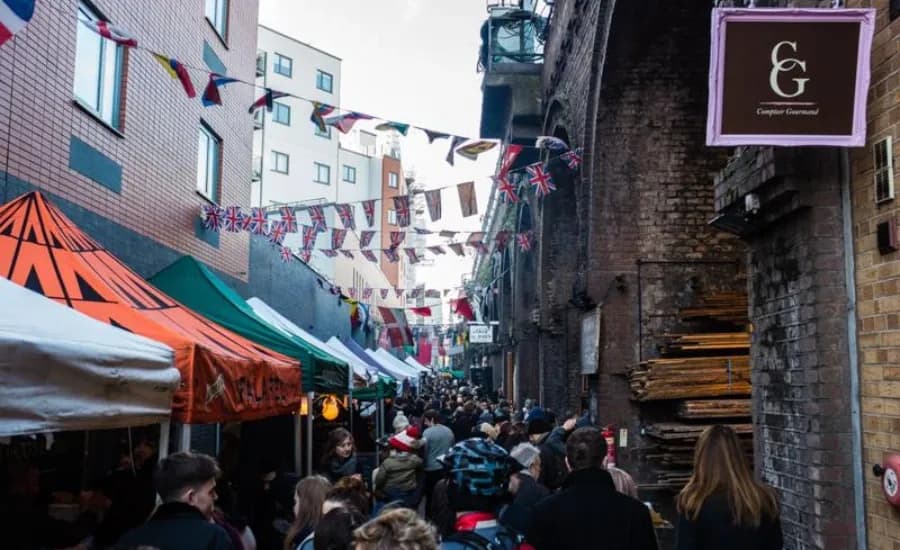
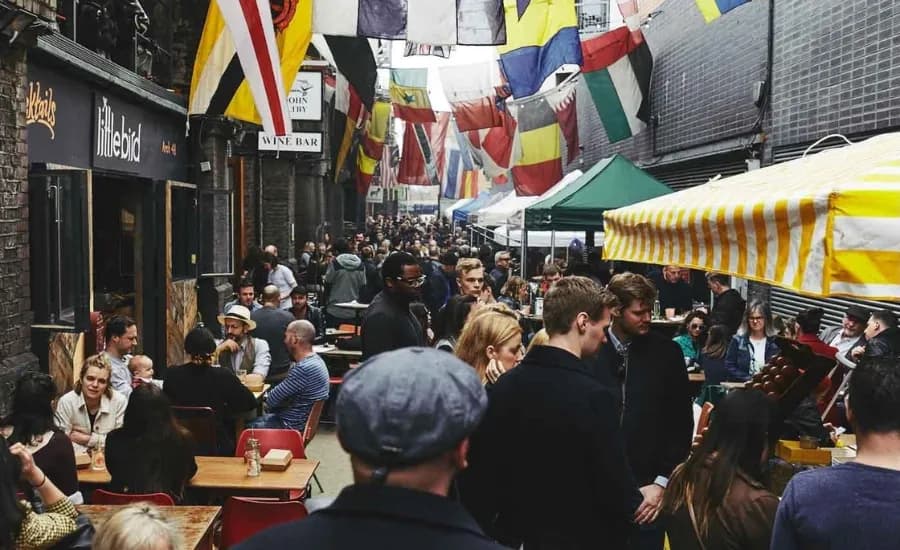
For a single sitting that crosses continents, the city's food markets are the move. London's street food scene runs from Maltby Street's tucked-away railway arches to Mercato Metropolitano's converted-warehouse food hall, where dozens of kitchens cook everything from Neapolitan pizza to Sri Lankan hoppers. It is the easiest way to eat several cuisines well in one afternoon, and to see how the city actually eats now.

Afternoon tea, scones and the sweet course
The sweet side of London's food culture is as worth planning for as the savoury — and afternoon tea is the set-piece. Beyond the tea ritual itself, the dishes to seek out are a proper scone with clotted cream and jam, sticky toffee pudding, and Eton mess in summer. This is the course Londoners actually look forward to, despite Britain's mixed culinary reputation abroad.
Afternoon tea and the clotted-cream scone
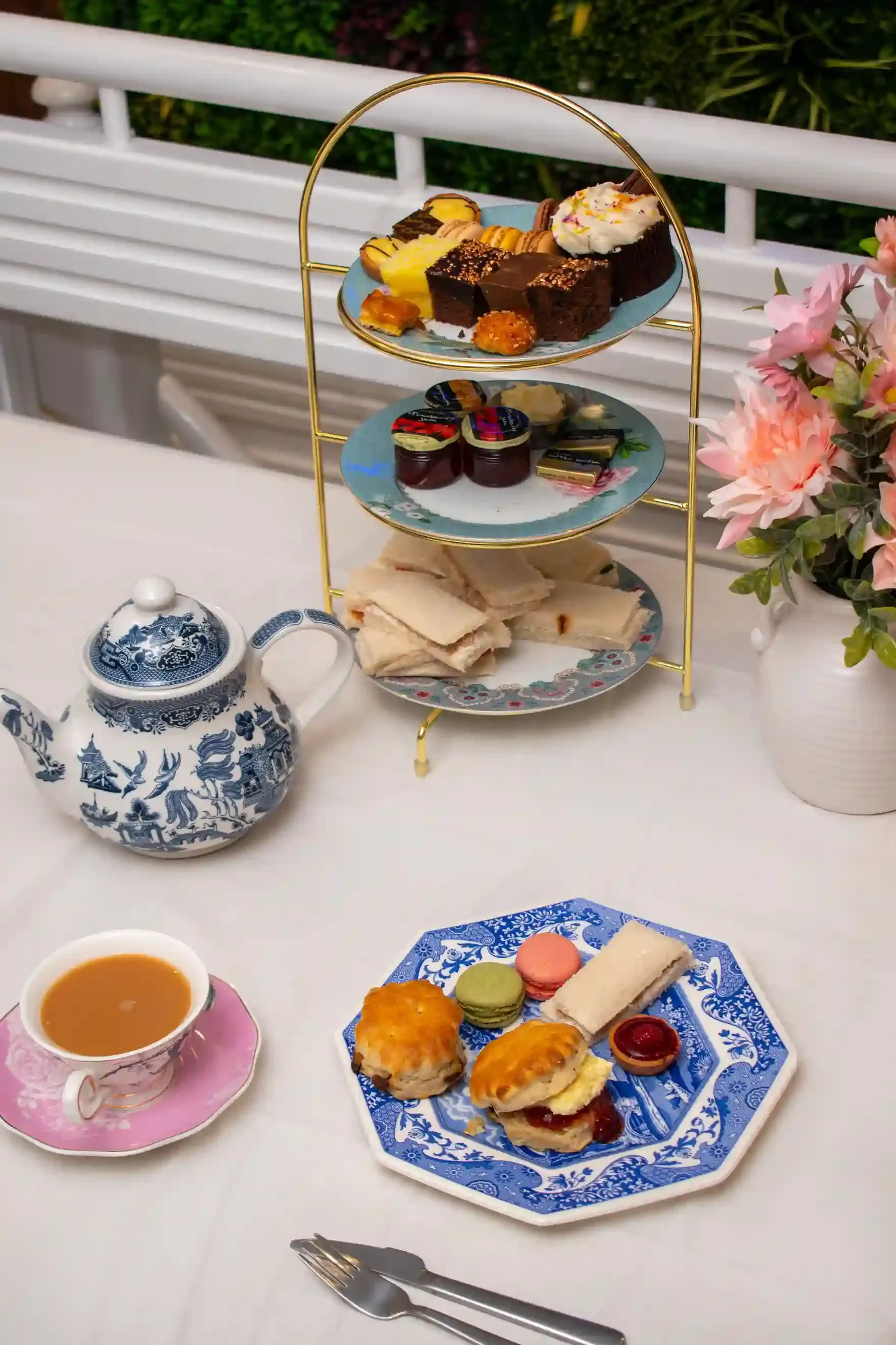
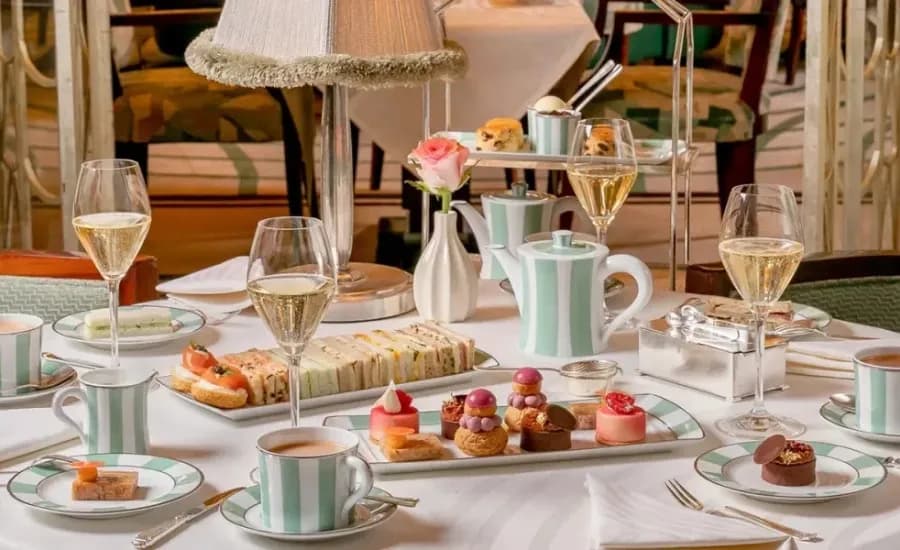
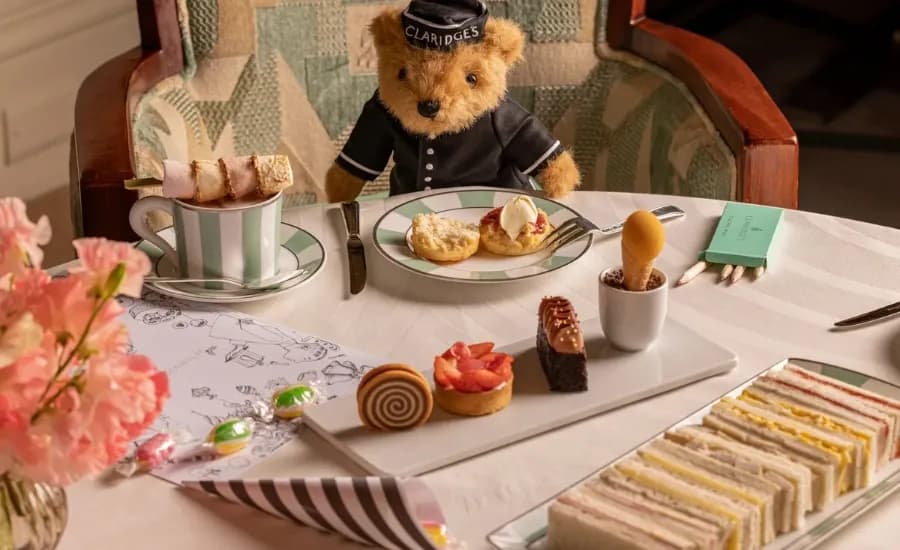
Afternoon tea is a tiered stand of finger sandwiches, warm scones with clotted cream and jam, and small cakes, served with a pot of tea — traditionally between about 2pm and 5pm. The full version at a grand hotel is a sit-down occasion of an hour or two; a simple "cream tea" is just scones and tea. For the elevated version, the grand-hotel tea rooms are the benchmark — book afternoon tea at Claridge's or a comparable room and treat it as the meal, not a snack.
- Afternoon tea at a grand hotel: £70–£120 (about $92–$158) per person
- A simple cream tea (scones and tea): £10–£18 (about $13–$24)
- Served roughly 2pm–5pm; the best rooms book out days or weeks ahead
- There is a gentle dress code at the grander hotels — smart-casual at minimum
Sticky toffee pudding and the British dessert canon
Sticky toffee pudding is a moist sponge, often studded with dates, drenched in toffee sauce and served warm with custard or ice cream — one of Britain's best desserts and hard to ruin even at an average kitchen. In summer, swap it for Eton mess, a loose pile of crushed meringue, cream and strawberries. Both turn up on pub and restaurant menus across the city, and both are worth saving room for.
What to drink — and how to taste it all
To eat London properly you should drink it too — a cask ale in a proper pub, a London gin, or a cocktail in a room that takes it seriously. The pub is a social institution as much as a place to drink, and ordering a hand-pulled cask ale at the bar is part of the experience. For the full range of the city's drinks culture, from historic pubs to modern bars, see Travjoy's guide to London's local beverages.
Taste several dishes in one go
If your time is short and you would rather not research every chippy and curry house yourself, a guided food walk is the efficient answer. A half-day London food tour threads several of these dishes together — markets, a curry house, a bakery, a pub — with someone who knows which stall is the real thing. The options listed on Travjoy are researched and approved by local experts, so you skip the trial and error.
Quick reference — the dishes and where to find them
| Dish | What it is | Where it's done well | Rough price |
|---|---|---|---|
| Fish and chips | Battered white fish, thick chips, mushy peas | A dedicated chippy or a fine-dining take | £12–£30 ($16–$40) |
| Sunday roast | Roast meat, potatoes, veg, gravy, Yorkshire pudding | A good gastropub, Sundays only | £20–£32 ($26–$42) |
| Salt beef beigel | Chewy beigel packed with hot salt beef and mustard | 24-hour bakeries on Brick Lane | £6–£10 ($8–$13) |
| Chicken tikka masala | Tandoori chicken in a creamy spiced tomato sauce | East End and Brick Lane curry houses | £12–£20 ($16–$26) |
| Afternoon tea | Sandwiches, scones, cakes and a pot of tea | A grand-hotel tea room | £70–£120 ($92–$158) |
Plan your London food trip
The most rewarding way to approach the top things to eat in London is to treat the city as a set of dishes rather than a list of restaurants: order fish and chips from a real chippy, build a Sunday around a gastropub roast, eat a salt beef beigel after dark on Brick Lane, and give the sweet course — scones, sticky toffee pudding, a proper afternoon tea — the same attention as the mains. The flavours that define the city run from Victorian chippies to Bangladeshi curry houses, and a return visit is the chance to eat past the obvious. When you are ready to line up markets, food tours and tea rooms without sorting the standout from the tourist trap yourself, start planning your London food trip on Travjoy's London page.


.svg&w=1920&q=75)