



Singapore Travel Guide 2026: Everything First-Timers Must Know
22 min read

Author
SHARE BLOG
TABLE OF CONTENTS
- Best window to visit: February to April for dry weather — avoid Chinese New Year closures and June school-holiday pricing spikes
- Daily budgets range from SGD 95 (~USD 70) for backpackers to SGD 600+ (~USD 445+) for luxury stays, with hawker meals keeping food costs remarkably low
- The MRT covers nearly every major attraction — tap your contactless bank card at the turnstile and skip the special transit card entirely
- New in 2026: Rainforest Wild Asia at Mandai, the reopened Singapore Oceanarium, a refreshed Chinatown Heritage Centre, and Disney Cruise Line sailings from Singapore
- Singapore's GST sits at 9% — tourists can claim refunds on purchases over SGD 100 at participating stores before departing from Changi Airport
Singapore is one of the most accessible cities in Asia for first-time international visitors. English is widely spoken, the MRT runs clean and on time, and most Western passports get visa-free entry for up to 90 days. A mid-range traveller can expect to spend SGD 200–285 per day (~USD 150–210) covering a 3-star hotel, hawker and café meals, major attractions, and public transport. The best months to visit are February to April, when rainfall drops and crowds thin out between peak seasons.
Singapore packs the cultural weight of a continent into an island you can cross by car in under an hour. Four distinct ethnic quarters sit within walking distance of each other. Michelin-starred hawker stalls share postcodes with rooftop cocktail bars. A nature reserve older than the country itself backs onto a futuristic waterfront skyline. That density is part of the appeal — but it also means first-timers face a flood of conflicting advice about what to prioritise, where to stay, and how much to budget.
Most guides recycle the same surface-level attraction lists without helping you actually plan. This Singapore travel guide 2026 does the opposite. You'll get structured daily budgets with dual SGD/USD pricing, neighbourhood recommendations matched to your travel style, food strategy beyond "try chicken rice," and a realistic sense of how many days you need. Whether you're visiting as a couple, a family, or a solo traveller, you'll land with a plan — not just a list.
When to Visit Singapore — Weather, Crowds, and Pricing by Season
Singapore is a year-round destination with daily temperatures between 26°C and 32°C and humidity that rarely dips below 80%. There is no "bad" season in any Singapore travel guide 2026 calendar, but there are smarter windows depending on your priorities — and a few dates worth planning around.
Singapore's Tropical Climate Explained
Expect warm, humid conditions every month. Afternoon thunderstorms roll in frequently, especially between November and January during the northeast monsoon. These are sharp downpours that typically last 30–60 minutes before clearing — not all-day washouts. Mornings tend to be drier and slightly cooler, making them the best window for outdoor sightseeing.
Pack light, breathable clothing, a compact umbrella, and sunscreen regardless of when you visit. Indoor attractions and the MRT are aggressively air-conditioned, so a light layer is useful for temperature swings between outdoors and indoors.
Best Months for First-Timers
February to April is the driest stretch, with the most consistent sunshine and the lowest chance of extended rain. Crowds thin out after the Chinese New Year spike, and hotel pricing softens compared to peak periods. This is the most comfortable window for walking-heavy itineraries through cultural neighbourhoods and gardens.
July to October is another solid option if you prefer fewer tourists. The weather stays warm (averaging around 30°C), and accommodation can be slightly cheaper. The trade-off is that this overlaps with the regional haze season — air quality occasionally dips during September and October when agricultural burning peaks in neighbouring countries.
Dates to Avoid or Plan Around
- Chinese New Year (late Jan–mid Feb): The official public holiday spans two days, but many hawker stalls and traditional restaurants close for a week or more. Hotel rates spike, and attractions get crowded. If you visit during CNY, plan your food around places that stay open and book accommodation well in advance.
- June school holidays: Singapore's mid-year school break (late May–late June) fills family-friendly attractions like Sentosa and the Zoo. Expect longer queues and higher domestic tourism traffic.
- Formula 1 Singapore Grand Prix (Sep/Oct): The Marina Bay Street Circuit shuts down roads in the central business district. Hotel rates in the Marina Bay area can double. If you're not attending the race, the disruption outweighs the atmosphere.
At a Glance: Singapore Seasons
- Feb–Apr: Driest, most sunshine — ideal for first-timers
- May–Jun: Warm, building humidity — school holiday crowds from late May
- Jul–Oct: Lower tourist volume, occasional haze in Sep–Oct
- Nov–Jan: Northeast monsoon — heaviest rainfall, especially December; CNY spike in Jan/Feb
What Singapore Actually Costs — Daily Budgets for Every Travel Style
Singapore has a reputation for being expensive, and accommodation and alcohol do cost more than in neighbouring Southeast Asian countries. But the city's hawker culture, efficient public transport, and free outdoor attractions mean your daily spend depends almost entirely on where you eat and sleep. Here's what each tier realistically looks like in 2026.
Budget Tier: SGD 95/Day (~USD 70)
This works if you're comfortable with hostel dorms or capsule hotels, eating almost exclusively at hawker centres, and relying on the MRT. Singapore's budget infrastructure is cleaner and safer than most cities at this price point.
- Accommodation: SGD 30–60/night (~USD 22–45) — dorm beds in Little India, Bugis, or Chinatown
- Food: SGD 15–25/day (~USD 11–18) — three hawker meals plus coffee
- Transport: SGD 5–10/day (~USD 4–7) — MRT and buses
- Activities: SGD 10–20/day (~USD 7–15) — mix of free attractions and one ticketed entry
Mid-Range Tier: SGD 200–285/Day (~USD 150–210)
The sweet spot for most first-timers. You get a private hotel room, a mix of hawker and restaurant meals, and the freedom to use Grab when it rains or you're tired.
- Accommodation: SGD 120–200/night (~USD 89–148) — 3-star hotels near Orchard Road, Bugis, or Chinatown
- Food: SGD 40–60/day (~USD 30–45) — hawker breakfast, café lunch, restaurant dinner
- Transport: SGD 15–25/day (~USD 11–18) — MRT plus 1–2 Grab rides
- Activities: SGD 30–50/day (~USD 22–37) — 1–2 ticketed attractions per day
Luxury Tier: SGD 600+/Day (~USD 445+)
Marina Bay Sands suites, fine dining, and private transfers. Singapore delivers at the top end — but the price gap between mid-range and luxury is steep.
- Accommodation: SGD 450–800+/night (~USD 335–595+) — Marina Bay Sands, Fullerton Bay, Raffles
- Food: SGD 80–200+/day (~USD 60–150+) — tasting menus, rooftop bars, chilli crab at Jumbo
- Transport: SGD 40–60/day (~USD 30–45) — private transfers, Grab Premium
- Activities: SGD 50–100+/day (~USD 37–75+) — private tours, spa treatments, premium experiences
Key Attraction Entry Fees (2026)
- Gardens by the Bay (Flower Dome + Cloud Forest): SGD 53 (~USD 39) for adults
- Universal Studios Singapore: SGD 83 (~USD 62) for adults
- Singapore Zoo: SGD 48 (~USD 36) for adults
- Night Safari: SGD 55 (~USD 41) for adults
- Rainforest Wild Asia: SGD 41 (~USD 30) for adults
- Marina Bay Sands SkyPark Observation Deck: SGD 32 (~USD 24) for adults
- Pinnacle@Duxton Rooftop (budget alternative): SGD 6 (~USD 4.50) for visitors
One practical note on taxes: Singapore's GST rate is 9%. Tourists can claim this back on purchases over SGD 100 through the Tourist Refund Scheme at Changi Airport — look for the "Tax Free" sticker at participating stores and request an eTRS transaction at checkout.
Getting Around Singapore — Transport That Actually Makes Sense
Singapore has one of the most efficient public transport systems in Asia. The MRT (Mass Rapid Transit) connects nearly every major attraction, runs from approximately 5:30 AM to midnight, and costs between SGD 1 and SGD 2.50 (~USD 0.75–1.85) per trip. For most first-time visitors, the MRT plus the occasional Grab ride is all you need.
MRT — Tap Your Contactless Card and Go
You don't need a special transit card. Tap any contactless credit or debit card (Visa, Mastercard) at the turnstile. A small daily fee applies for foreign-issued cards, but it's marginal and far simpler than buying and topping up a separate card. If you prefer a dedicated option, the EZ-Link card (available at MRT stations) works across trains and buses.
The Singapore Tourist Pass offers unlimited rides for one to three days (SGD 22–30, ~USD 16–22). It's only worth it if you plan more than four or five long-distance trips daily. For most visitors, pay-per-ride is cheaper.
Grab and Taxis — When to Use Them
Grab (Southeast Asia's ride-hailing app) is widely available and useful for late-night trips, heavy rain, or routes where the MRT doesn't connect directly. A typical ride costs SGD 8–20 (~USD 6–15). Avoid booking during peak hours (8–9 AM, 5:30–7 PM) when surge pricing can double fares. Standard metered taxis are also reliable — look for ComfortDelGro cabs at taxi stands.
Getting to Sentosa Island
You have three options, and the cheapest is free. Walk across the Sentosa Boardwalk from VivoCity — it takes about 10 minutes and costs nothing. The Sentosa Express monorail from VivoCity Level 3 costs SGD 4 (~USD 3). Driving in via taxi or Grab incurs a vehicle entry fee on top of the fare.
Changi Airport to the City
The MRT runs directly from Changi Airport (Terminals 2 and 3 basement) to the city centre. The trip takes about 30 minutes and costs SGD 1.70–2.50 (~USD 1.25–1.85) — one of the cheapest airport transfers of any major city. A taxi or Grab costs SGD 20–40 (~USD 15–30) depending on the time of day and destination, with a late-night surcharge (midnight–6 AM) adding 50%.
Where to Stay — Picking the Right Neighbourhood for Your Trip
Singapore is compact enough that you can reach most attractions from any central neighbourhood within 20–30 minutes by MRT. The choice of where to stay comes down to what kind of trip you want — food immersion, waterfront views, family convenience, or budget value.
Marina Bay — Skyline Views, Premium Pricing
Marina Bay Sands anchors this area, along with the Fullerton Bay Hotel and a cluster of 5-star properties. You're walking distance from Gardens by the Bay, the ArtScience Museum, and Merlion Park. Nightly rates start around SGD 300 (~USD 222) and climb fast. Best for couples and luxury travellers who want the iconic skyline on their doorstep.
Chinatown and Tanjong Pagar — Heritage, Hawkers, Mid-Range Value
This is the best base for food-focused travellers. Chinatown Complex and Maxwell Food Centre are within walking distance, along with the Buddha Tooth Relic Temple and a streetscape of restored shophouses. Mid-range hotels here run SGD 120–180/night (~USD 89–133). The Chinatown and Tanjong Pagar MRT stations connect you to the rest of the island quickly.
Little India and Bugis — Budget-Friendly, Colourful, Connected
The most affordable central area for accommodation, with dorm beds from SGD 25/night (~USD 18) and private rooms from SGD 80 (~USD 59). Little India is lively, slightly chaotic, and packed with South Indian restaurants and spice shops. Bugis is quieter, with a mix of malls and the historic Kampong Glam neighbourhood next door. Both have excellent MRT access.
Sentosa — Resort Zone for Families
If your trip revolves around Universal Studios, Adventure Cove Waterpark, and beaches, staying on Sentosa saves daily commuting time. Resort hotels here are premium-priced (SGD 250–500+/night, ~USD 185–370+), but the convenience for families with young children can justify the cost. The trade-off: you're isolated from the city's cultural neighbourhoods and hawker scene.
Orchard Road — Shopping and Reliable Mid-Range Chains
Singapore's main retail corridor, lined with malls and international hotel brands. It's central, well-connected by MRT, and easy to navigate. Not the most characterful neighbourhood, but practical for first-timers who want a predictable base. ION Orchard is the standout mall here, with dining options in the basement food hall.
Quick Neighbourhood Picker
- If you want walkable hawker access: base in Chinatown or Tanjong Pagar
- If you want the skyline view: choose Marina Bay
- If you're on a tight budget: stay in Little India or Bugis
- If you're travelling with kids under 10: consider Sentosa
- If you want shopping and chain-hotel reliability: pick Orchard Road
What to See and Do — Singapore's Must-Visit Attractions in 2026
Singapore's top attractions cluster in a few zones, making it easy to group visits by area rather than criss-crossing the island. Here's what to prioritise — and what's new this year.
Marina Bay Waterfront Loop
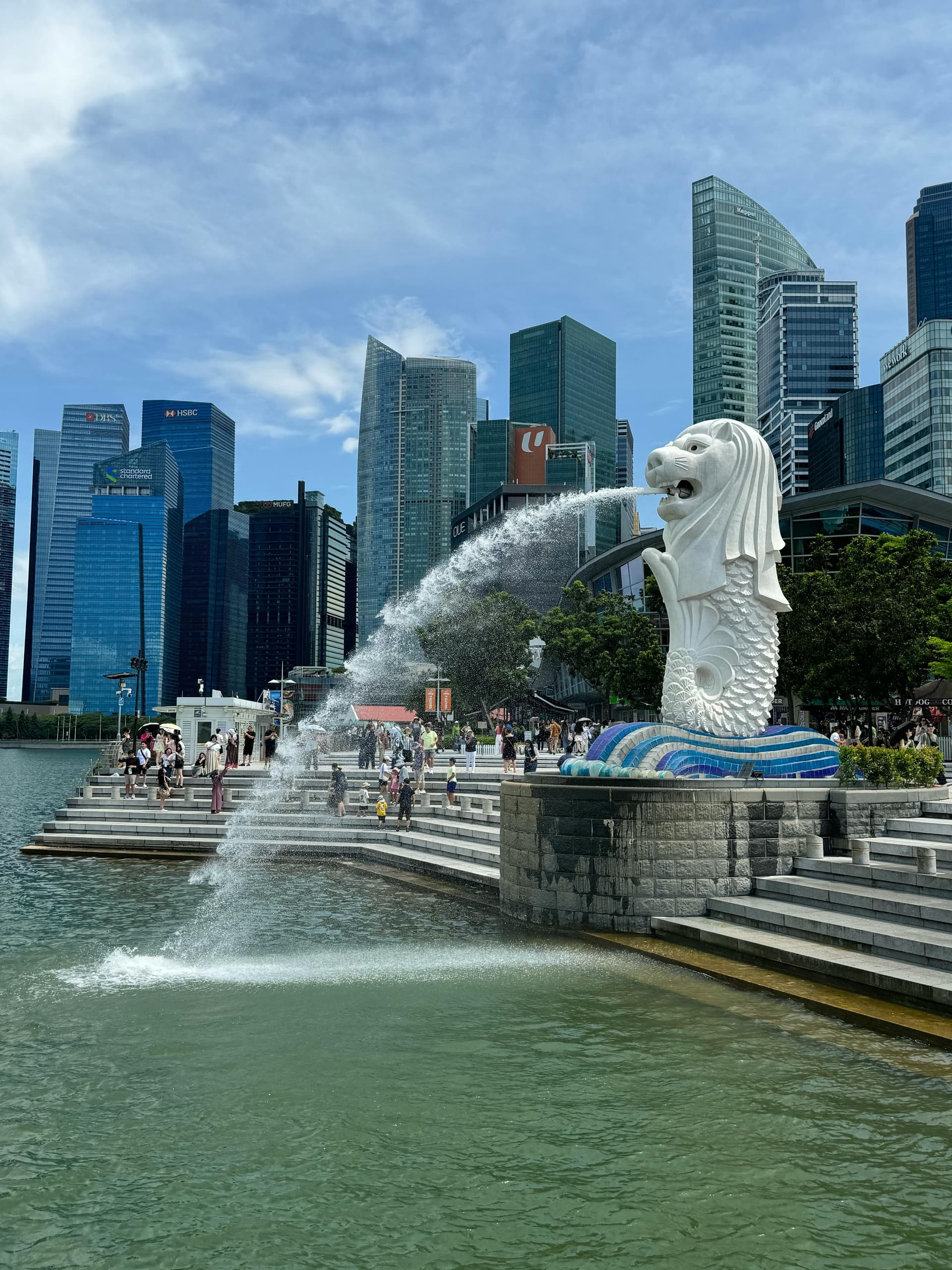
Start at Merlion Park for the classic Singapore photo, then walk along the waterfront to Marina Bay Sands. The SkyPark Observation Deck (SGD 32, ~USD 24) offers panoramic views, but budget-conscious visitors should consider Pinnacle@Duxton instead — a public housing rooftop with comparable skyline views for just SGD 6 (~USD 4.50). In the evening, the Spectra light and water show at Marina Bay Sands runs nightly and is free.
Gardens by the Bay — Free Outdoors, Ticketed Conservatories
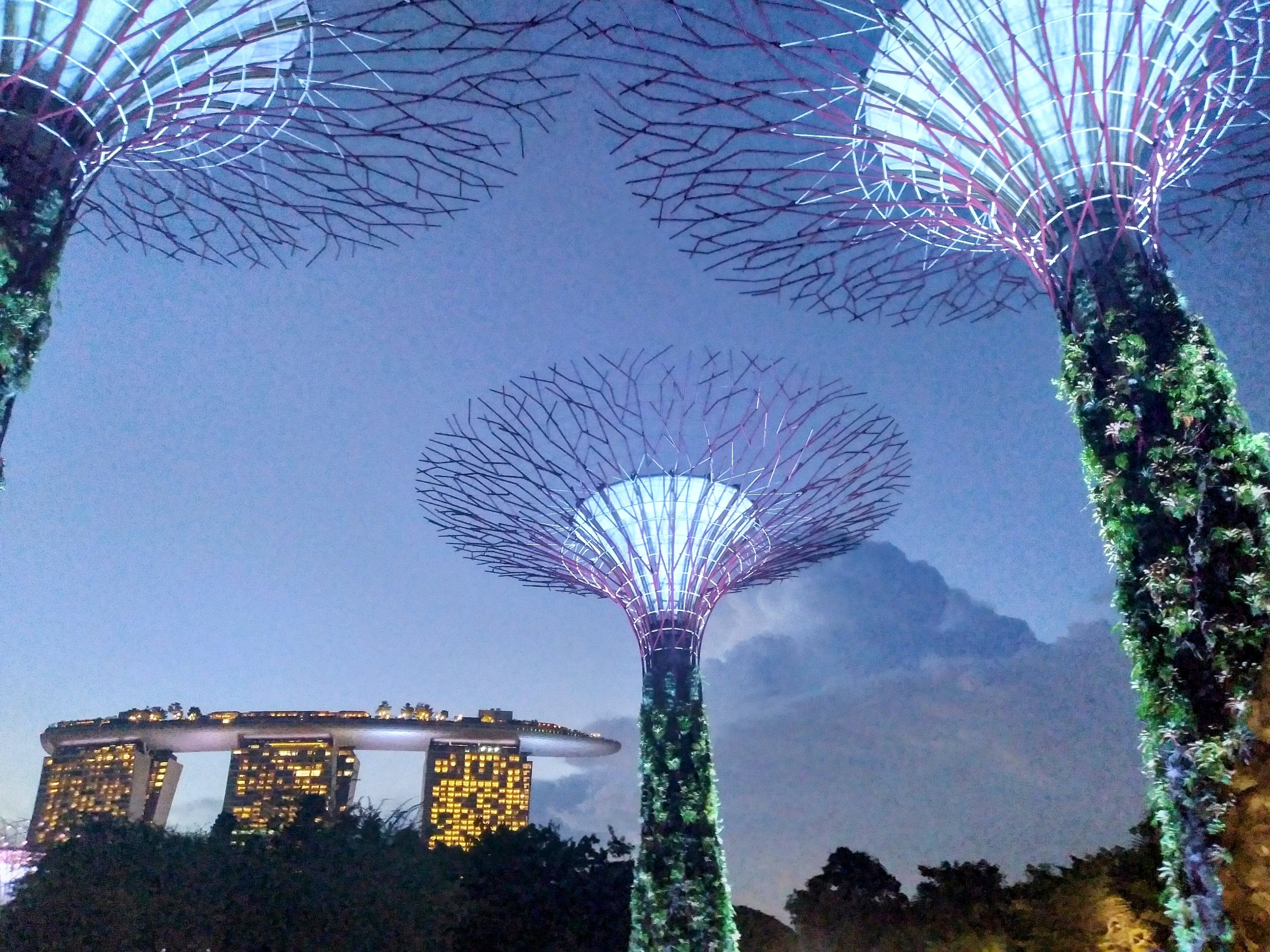
The outdoor Supertree Grove and waterfront promenade at Gardens by the Bay are free and open daily from 5 AM to 2 AM. The Garden Rhapsody light show runs every evening at 7:45 PM and 8:45 PM — no ticket required. The Flower Dome and Cloud Forest conservatories (combined ticket SGD 53, ~USD 39) are worth entering at least once, especially on a rainy afternoon. The OCBC Skyway connecting the Supertrees costs SGD 14 (~USD 10) and is optional.
Cultural Neighbourhoods — Chinatown, Little India, Kampong Glam
These three districts are the cultural core of your Singapore trip, and walking through them costs nothing. Chinatown's shophouse-lined streets lead to the Buddha Tooth Relic Temple and the freshly reopened Chinatown Heritage Centre, which now features richer storytelling and more immersive displays about early immigrant life. Little India is sensory overload in the best way — flower garlands, Tamil music, and South Indian thali lunches for under SGD 8 (~USD 6). Kampong Glam centres on the golden-domed Sultan Mosque, with Haji Lane offering independent boutiques by day and live music bars after dark.
Sentosa Island — Theme Parks, Beaches, Cable Car
Sentosa is Singapore's resort island, home to Universal Studios Singapore (SGD 83, ~USD 62), Adventure Cove Waterpark (SGD 40, ~USD 30), and three public beaches — Siloso, Palawan, and Tanjong. The cable car from Mount Faber offers aerial views of the harbour and costs SGD 35 (~USD 26) for a return trip. Families with children can easily fill two full days here. Solo travellers and couples may find one day sufficient.
New in 2026 — What's Changed Since You Last Checked
Rainforest Wild Asia is the biggest new addition. Located within the Mandai Wildlife Reserve, this 13-hectare park is Asia's first adventure-based zoological attraction. Animals roam freely across naturalistic habitats while visitors navigate elevated walkways, forest trails, and a subterranean cavern inspired by Sarawak's Mulu Caves. The park is home to 36 species, including the François' langur (new to Singapore) and three Malayan tigers. Standard entry costs SGD 41 (~USD 30), with add-on adventures like the Wild Apex via ferrata and Wild Cavern expedition available separately.
The former S.E.A. Aquarium has reopened as the Singapore Oceanarium after a major refurbishment, with expanded exhibits and updated displays. The Chinatown Heritage Centre has also been refreshed with more immersive storytelling. And for cruise travellers, Disney Cruise Line has begun sailings from Singapore in 2026 — a first for the region.
Mandai Wildlife Reserve — Zoo, Night Safari, Bird Paradise, River Wonders
Beyond Rainforest Wild Asia, the Mandai precinct houses four other wildlife parks. Singapore Zoo is widely regarded as one of the world's best open-concept zoos. The Night Safari (SGD 55, ~USD 41) is a unique after-dark experience — the world's first nocturnal zoo, best visited from 7:15 PM onward. Bird Paradise houses 3,500 birds across 400 species. River Wonders focuses on freshwater habitats and is the least crowded of the five parks. Multi-park combo passes save up to 30% if you plan to visit two or more in a day.
Best for families: Zoo + Rainforest Wild Asia (full day). Best for couples: Night Safari + dinner at one of the Mandai precinct restaurants. Best for solo travellers: Rainforest Wild Asia for the trekking experience, then Bird Paradise if time allows.
For a curated list of the city's top experiences, check Travjoy's top 20 picks for Singapore — selections approved by local experts who've tested each option firsthand.
What to Eat — A First-Timer's Guide to Singapore Food
Food is the single best reason to visit Singapore, and the city's hawker centres make world-class eating accessible at any budget. Understanding how hawker centres work — and which dishes to order first — turns a good trip into a great one.
How Hawker Centres Work
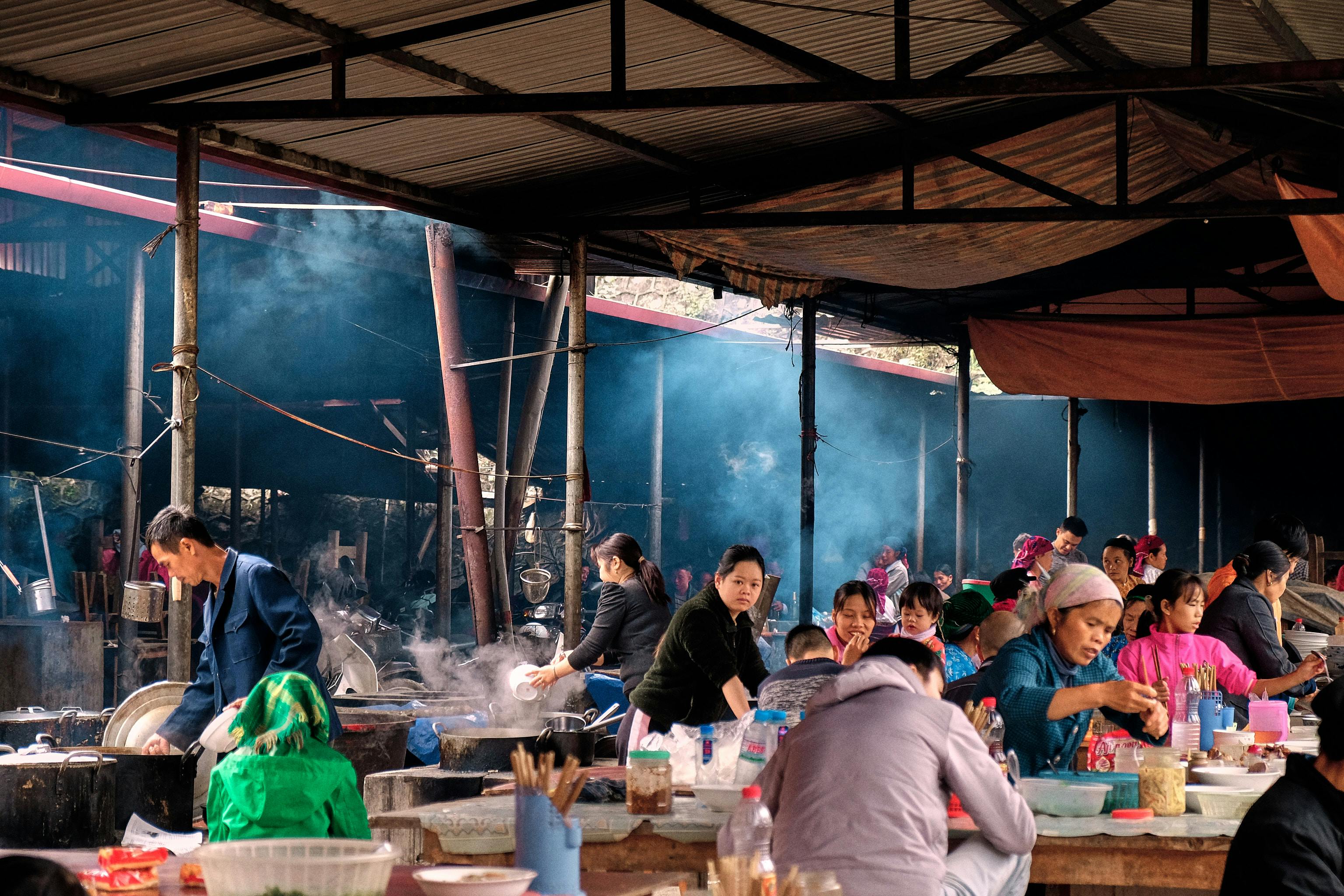
Hawker centres are open-air food courts with dozens of individual stalls, each specialising in one or two dishes. Singapore's hawker culture was inscribed on UNESCO's Intangible Cultural Heritage list in 2020 — a recognition of how central these communal dining spaces are to daily life. You find a seat first (locals reserve tables by placing a tissue packet on the chair — do the same), then walk to whichever stalls catch your eye. Order at the counter, pay in cash or by card (most stalls now accept contactless payment), and return to your seat. Food arrives in minutes. There's no tipping, no service charge, and no pretence — just focused cooking at competitive prices.
Must-Try Dishes with Prices
- Hainanese chicken rice: SGD 4–6 (~USD 3–4.50) — poached chicken over fragrant rice with chilli and ginger paste. Start here.
- Laksa: SGD 4–6 (~USD 3–4.50) — rich coconut curry broth with noodles, prawns, and fish cake
- Char kway teow: SGD 5–7 (~USD 4–5) — wok-fried flat noodles with soy sauce, egg, cockles, and Chinese sausage
- Roti prata: SGD 1.50–3 (~USD 1–2) — flaky Indian flatbread with curry dip, best at breakfast
- Satay: SGD 0.70–1 per stick (~USD 0.50–0.75) — grilled meat skewers with peanut sauce, best at Lau Pa Sat's evening satay street
- Chilli crab: SGD 50–80 per crab (~USD 37–59) — the splurge dish, served with fried mantou buns for dipping
- Kaya toast with soft-boiled eggs: SGD 4–6 (~USD 3–4.50) — the traditional Singaporean breakfast at Ya Kun or Toast Box
Top Hawker Centres by Location
Maxwell Food Centre (Chinatown) is the most famous, home to Tian Tian Hainanese Chicken Rice. Arrive before 11:30 AM to beat the queue. Lau Pa Sat (CBD) is a heritage-listed building with a dedicated satay street that opens after 7 PM — the evening atmosphere with charcoal smoke and city lights is distinctly Singaporean. Chinatown Complex Food Centre is the largest hawker centre in the city, with over 200 stalls and lower tourist density than Maxwell. Old Airport Road Food Centre is a local favourite in the east, slightly off the tourist trail but worth the MRT ride for char kway teow and prawn noodles.
Beyond Hawkers — Peranakan, Fine Dining, and Food Tours
Peranakan (Straits Chinese) cuisine is Singapore's most distinctive culinary tradition — a fusion of Malay and Chinese techniques that produces dishes like ayam buah keluak and kueh pie tee. Candlenut, the world's first Michelin-starred Peranakan restaurant, offers tasting menus from SGD 100+ (~USD 74+) per person.
For a structured introduction to Singapore's food scene, food tours walk you through hawker centres and historic food neighbourhoods with a local guide. These are especially useful if you're overwhelmed by choice or want context about what you're eating.

Practical Tips First-Timers Often Miss
Singapore's efficiency extends to its rules. The city runs smoothly because regulations are enforced consistently — and some of them may surprise visitors from countries with looser enforcement. A few minutes of preparation here saves real hassle on the ground.
Visa and Entry Requirements
Most Western passports (US, UK, EU, Canada, Australia, New Zealand) receive visa-free entry for up to 90 days. Your passport must have at least six months of remaining validity at the time of entry — Singapore's immigration authority (ICA) enforces this strictly. Entry is processed via e-gates at Changi Airport using biometric passports, typically taking under a minute. You'll receive an electronic visit pass rather than a physical stamp.
Singapore's Strict Laws — What You Need to Know
- Chewing gum: Importing chewing gum for personal consumption is restricted. Don't bring it in unless it's therapeutic (nicotine gum is permitted).
- Littering: Fines start at SGD 300 (~USD 222) for first offences. This includes cigarette butts.
- Smoking: Prohibited in most indoor and many outdoor public areas, including bus stops, parks, and covered walkways. Designated smoking areas are clearly marked.
- Alcohol in public: Drinking in public spaces is banned from 10:30 PM to 7 AM. Licensed restaurants and bars are exempt. Retail alcohol sales (supermarkets, convenience stores) also stop at 10:30 PM.
- Drugs: Singapore enforces extremely severe penalties for drug offences, including the death penalty for trafficking. Do not carry any controlled substances into the country.
Tipping Culture
Tipping is neither expected nor encouraged in Singapore. Most restaurants include a 10% service charge on the bill. Even if you leave cash on the table, it may not reach your server due to how uncommon the practice is. Keep it simple and skip the tip.
Power, Connectivity, and Staying Online
Singapore uses Type G power plugs (the three-pin British standard). Bring a universal adapter. Free Wi-Fi is available at most malls, MRT stations (Wireless@SGx network), and cafés. For mobile data, an eSIM is the most convenient option — providers like Singtel offer tourist plans from SGD 15 (~USD 11) for 100GB of local data. Alternatively, physical SIM cards are available at Changi Airport upon arrival.
Cultural Etiquette Worth Knowing
Remove your shoes before entering temples and mosques. At Sultan Mosque in Kampong Glam, women should cover their shoulders and knees — free robes are provided at the entrance. At hawker centres, tissue packets on a chair mean the seat is reserved — respect the system. And while Singapore is a modern, cosmopolitan city, public displays of affection beyond hand-holding can draw looks in more conservative neighbourhoods.
One flight regulation worth noting: as of April 2026, passengers departing from Singapore can carry a maximum of two power banks each, in carry-on luggage only. Power banks must not be charged on board the aircraft. Check the Visit Singapore travel tips page for the latest updates on entry and transport regulations before you fly.
Plan Your Days — Suggested Priorities by Trip Length
How you structure your days depends on how long you have. No Singapore travel guide can plan your exact itinerary — but this framework helps you prioritise by trip length. Singapore rewards focused planning over spontaneous wandering — the attractions are spread across distinct zones, and grouping them by area saves time and energy.
If You Have 3 Days
Day 1: Marina Bay waterfront loop — Merlion Park, Marina Bay Sands SkyPark (or Pinnacle@Duxton for the budget view), ArtScience Museum. Lunch at Lau Pa Sat. Evening at Gardens by the Bay for the free Garden Rhapsody light show.
Day 2: Cultural neighbourhoods — morning in Chinatown (Chinatown Heritage Centre, Maxwell Food Centre for chicken rice), afternoon in Little India (Sri Veeramakaliamman Temple, Tekka Centre), evening in Kampong Glam (Sultan Mosque, Haji Lane, dinner at Zam Zam for murtabak).
Day 3: Choose one major attraction: Sentosa (Universal Studios or beaches) or Mandai (Zoo + Night Safari, starting mid-afternoon). End the trip at Jewel Changi Airport — the Rain Vortex waterfall and Canopy Park are on the landside, so arrive at the airport two to three hours early to explore before your flight.
If You Have 4–5 Days
Follow the 3-day structure above, then add Sentosa and Mandai as separate full days. With five days, you can also fit in Singapore Botanic Gardens (free entry, UNESCO World Heritage Site — the only tropical botanic garden on the list), the Southern Ridges walking trail from Mount Faber to Kent Ridge, and a deeper exploration of East Coast Park — a local favourite for cycling and seafood along the coast.
If You Have a Week
A week gives you space to slow down. Add a day trip to Pulau Ubin — a bumboat (SGD 4, ~USD 3) from Changi Point Ferry Terminal takes you to a kampong (village) island where you can cycle through mangroves and rubber plantations. Visit the National Gallery Singapore for one of Southeast Asia's largest collections of regional art. Spend a morning at MacRitchie Reservoir's TreeTop Walk for a rainforest canopy experience within the city. Return to your favourite hawker centre and try the stalls you missed the first time.
Singapore is a city that repays a second look. The first visit is about the landmarks. The days that follow reveal the neighbourhood rhythms, the 6 AM roti prata stalls, the quiet temple courtyards, and the park connectors that link green spaces across the island. Give it the time, and it gives you more than a highlight reel — which is exactly what this Singapore travel guide for 2026 is designed to help you plan.
Ready to start building your itinerary? Explore Singapore on Travjoy — where every experience has been researched and vetted by local experts, so you can plan with confidence and skip the guesswork.

.svg&w=1920&q=75)