


The London Pass: A Complete Guide for Discerning Travellers — Costs, Inclusions and Whether It's Worth It
7 min read
Key Highlights
- The London Pass bundles entry to 100+ paid attractions onto one digital pass, with a 2-day hop-on hop-off bus tour and a 24-hour Thames cruise included automatically.
- It pays off once you visit roughly three paid attractions a day — three big-ticket sights almost cover a one-day pass on their own.
- Two models exist: the day-based London Pass (unlimited entries per day) and the attraction-based Explorer passes (you pick a set number of sights).
- London's major museums are already free and public transport isn't included, so the maths only works on paid attractions.
- Non-activated passes are refundable within 90 days of purchase, so you can book ahead without risk.
The London Pass is a digital sightseeing pass covering entry to more than 100 paid London attractions — including the Tower of London, Westminster Abbey, Windsor Castle and the View from The Shard — plus a 2-day hop-on hop-off bus tour and a 24-hour Thames cruise. A one-day adult pass starts at around £89–99 (about $113–126) in mid-2026, and it saves money once you visit roughly three paid attractions a day.

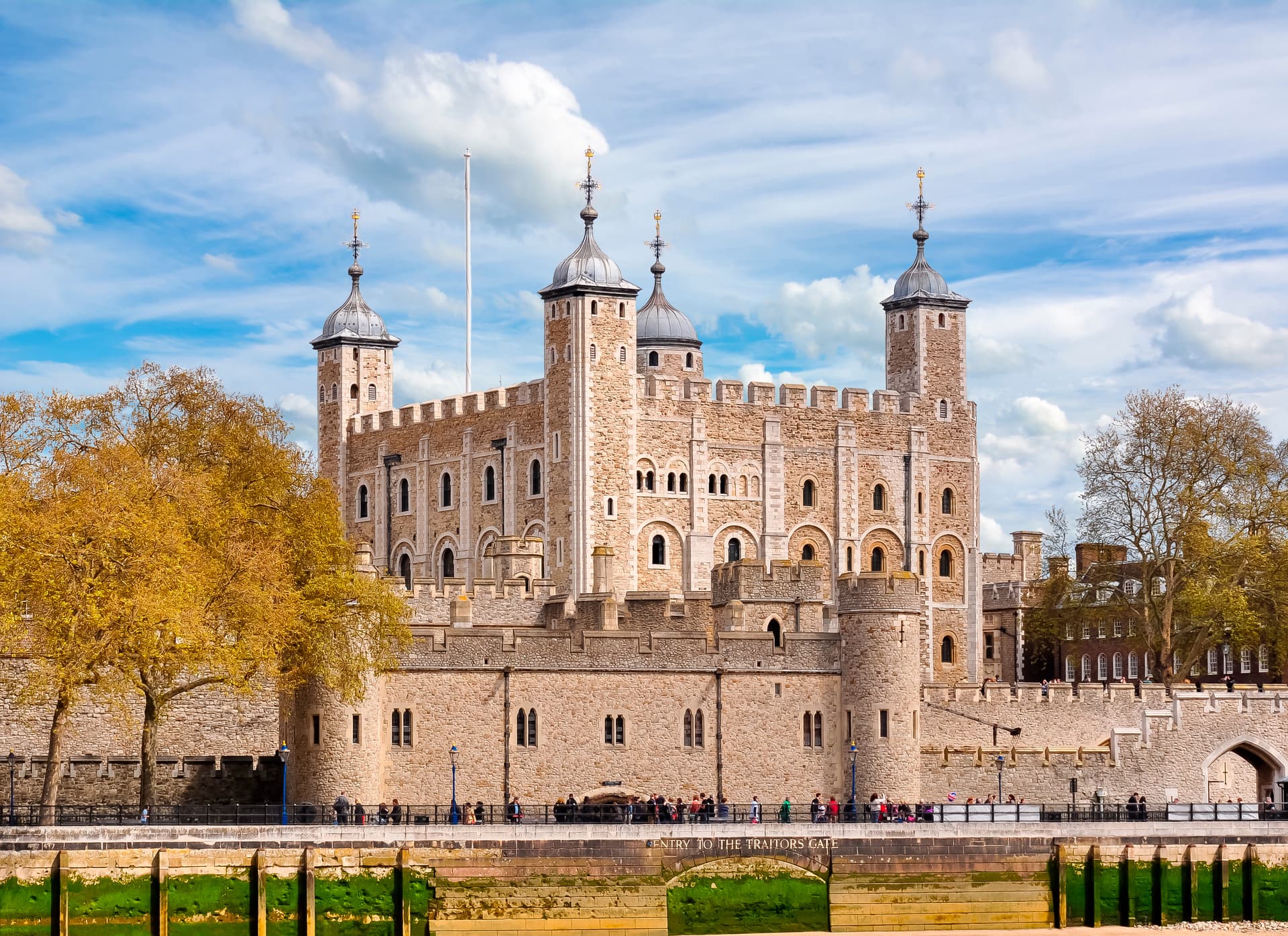
London charges at the gate, and the numbers add up fast. The Tower of London runs about £35 (around $44), Westminster Abbey roughly £30 ($38), the View from The Shard near £32 ($41), and Windsor Castle about £36 ($46). String four of those across a weekend and you are well past £130 a head before lunch.
The London Pass exists to flatten that. Buy one prepaid pass, scan it at the gate, and a long list of paid attractions opens up under a single price. The catch is that it only saves money on sights you would have paid for anyway — and London comes with two different pass models that suit very different trips.
This guide covers what the London Pass includes and what it leaves out, what it costs in 2026, the three pass options side by side, and a clear answer on which one fits your itinerary. Every pass on Travjoy is researched and approved by local experts, so you are choosing between options that already make sense for the city.
What the London Pass actually is
The London Pass is a prepaid digital pass that swaps individual attraction tickets for one scannable card on an app. Instead of buying a ticket at each gate, you tap the pass and walk in. It covers more than 100 paid attractions and tours across the city, from royal palaces to river cruises.
Two models, one decision
Before anything else, understand that London's main pass comes in two shapes — and picking the wrong one is the most common mistake.
- Day-based (unlimited): the classic London Pass. You pay for a number of consecutive days — 1, 2, 3, up to 10 — and visit as many included attractions as you can fit within them. Best when you move quickly.
- Attraction-based (flexible): the Explorer-style passes. You pick a set number of attractions — usually 2 to 7 — and have several weeks to use them. Best when you go at a slower pace.
Both run through the same app and draw on a near-identical pool of attractions. The difference is how you pay: by the day, or by the sight. You can read more on London's sightseeing passes to see the full category.
What's included
A single pass opens a long roster of paid sights, and two extras are bundled in automatically:
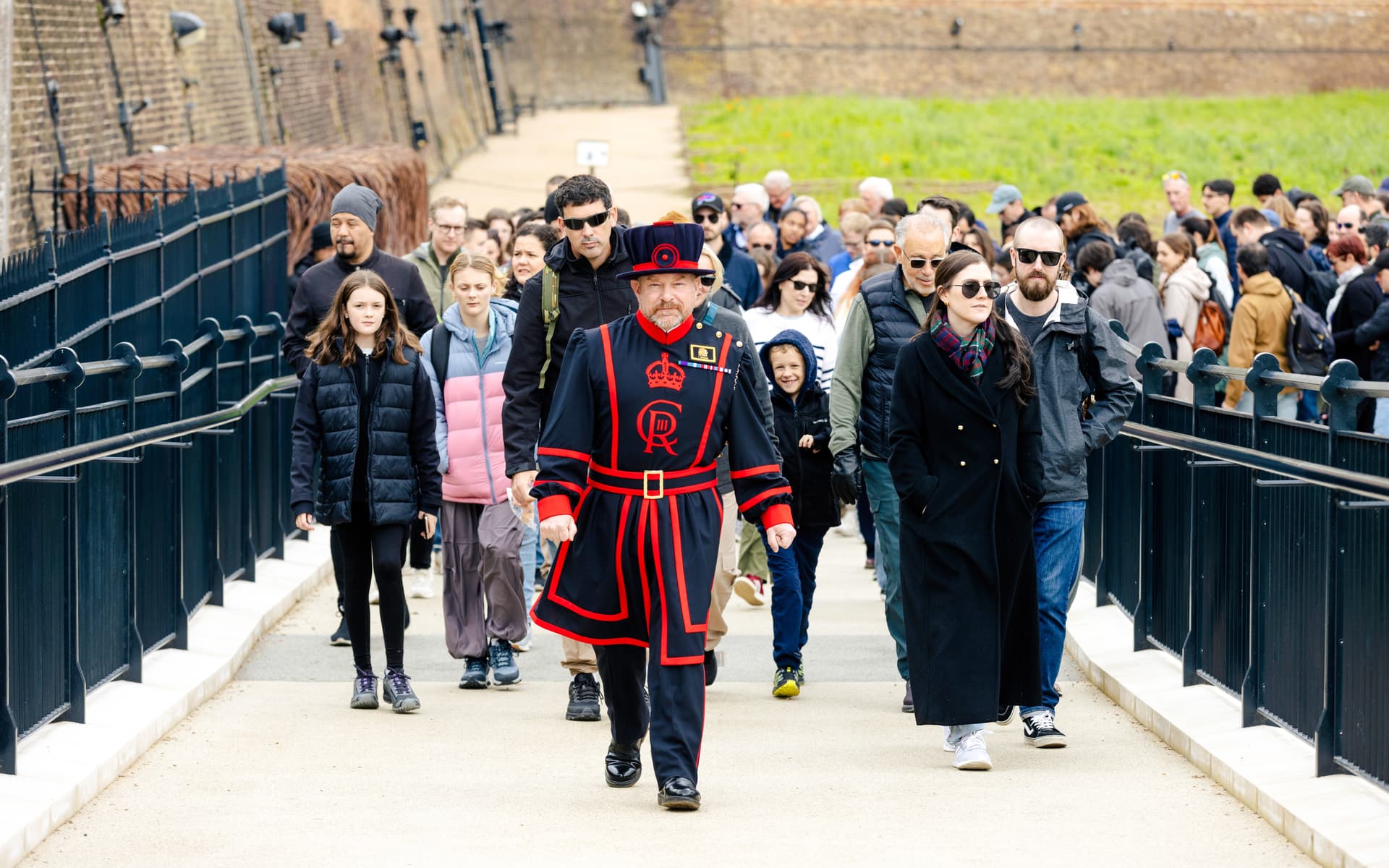
- 100+ attractions — including the Tower of London, Westminster Abbey, Windsor Castle, the View from The Shard, the London Eye, Hampton Court Palace, Kensington Palace, St Paul's Cathedral and Madame Tussauds.
- A 2-day hop-on hop-off bus tour — useful for covering ground and resting tired legs between sights.
- A 24-hour Thames river cruise — a one-day hop-on hop-off pass along the river.
Those two extras matter to the value calculation. The bus tour and river cruise would cost £40–50 (around $51–64) bought separately, and they come free with every pass regardless of duration — which is part of why even a one-day pass can break even quickly. The roster also reaches beyond the obvious: alongside the headline palaces and towers, it covers smaller museums, guided walks and stadium tours, so a returning visitor can use it to fill in the sights they skipped on a first trip rather than repeating the greatest hits.
What it doesn't cover
What the pass won't pay for
- London's flagship museums — the British Museum, National Gallery, V&A, Tate Modern, the Natural History and Science Museums — are free to enter anyway, so the pass adds nothing there.
- Public transport. The Tube and buses aren't included; tap in with a contactless card and the daily fare caps itself.
- Temporary or special exhibitions, which usually sit outside standard admission.
Is the London Pass worth it?
The London Pass is worth it when you are visiting roughly three or more paid attractions a day. Three big-ticket sights — say the Tower of London, Westminster Abbey and St Paul's Cathedral — come to around £92 (about $117) at the gate, which already covers a one-day pass. Add a fourth and the saving is clear. If you visit one or two sights a day, or lean on London's free museums, the maths rarely lands.
The three-attraction rule
- Tower of London (~£35) + Westminster Abbey (~£30) + St Paul's Cathedral (~£27) = ~£92 / ~$117.
- That is already at or above a one-day pass before you add the bus tour and river cruise that come free.
- Below three paid sights a day, book individually; at three or more, the pass pulls ahead.
Worth it if…
- You are on a first comprehensive visit and want to move through the headline sights quickly.
- You are travelling with children — kids' passes are cheaper, and the hop-on hop-off bus and family attractions stack up fast.
- You want fast-track entry at busy sights like the London Eye and Madame Tussauds, where pass holders use a separate lane.
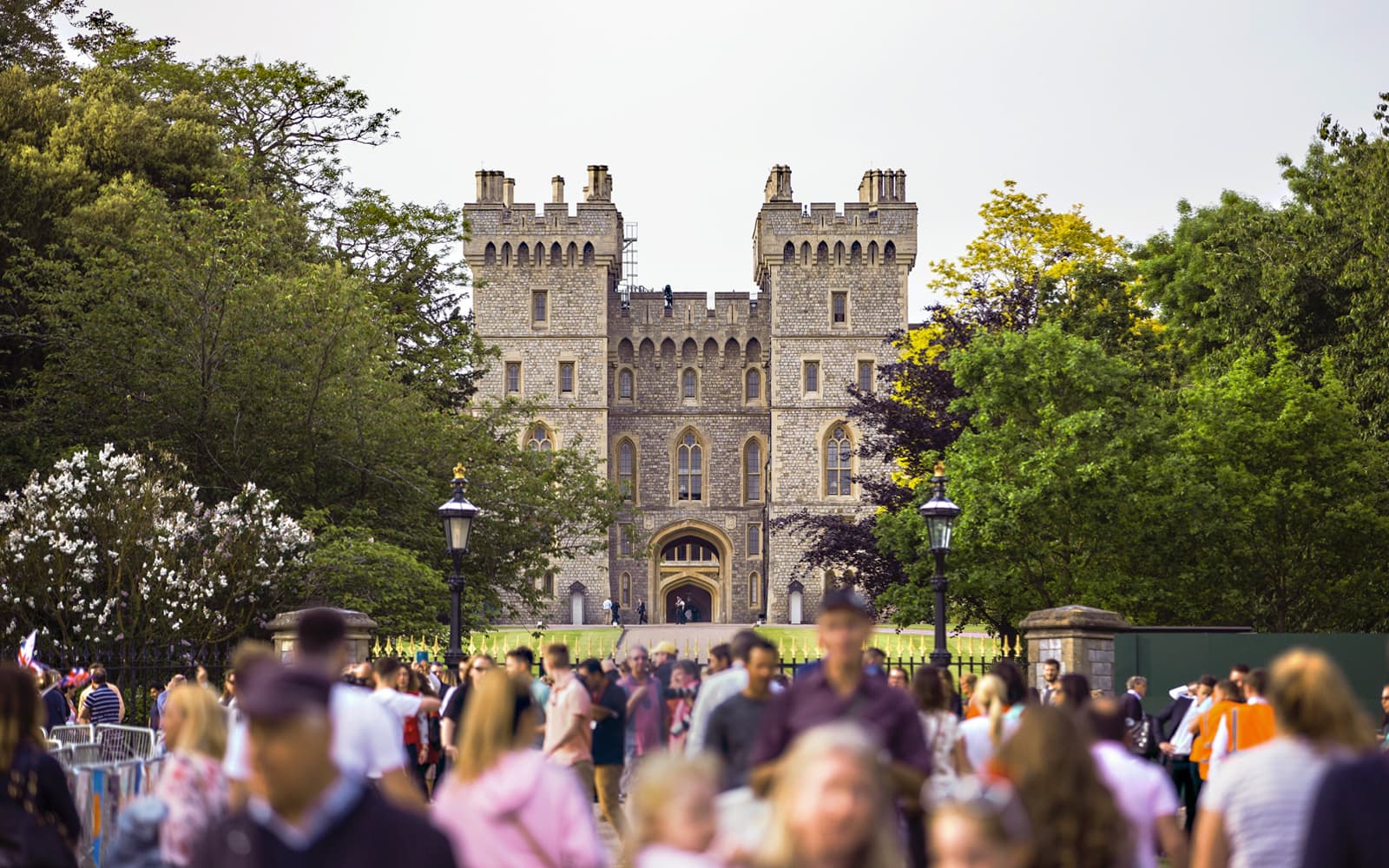
- You are targeting the pricier outer-zone sights — Windsor Castle, Hampton Court Palace — that cost the most individually.
Not ideal if…
- You travel slowly, with long lunches and one or two sights a day.
- Your London is mostly free museums, parks and neighbourhood walks.
- You are a returning visitor who has already ticked off the Tower, the Eye and the Abbey — unless you are deliberately chasing the paid sights you skipped last time.
A worked example makes the line clear. A couple on a two-day pass who visit the Tower of London and the Shard on day one, then Windsor Castle and Hampton Court Palace on day two, spend roughly £138 (about $175) in gate prices each, comfortably above a two-day pass, and that is before the free bus tour and cruise. A traveller who spends day one in the free British Museum and day two walking the South Bank gets no value from a pass at all. The pass doesn't make a slow trip cheaper; it makes a busy one easier and a little cheaper.



The London Pass options compared
Three passes cover most London trips, and they split along the two models above. The table sets them side by side. Prices are mid-2026 adult full prices before any promo code, in GBP with an approximate USD figure.
| Pass | Model & validity | Price range (GBP / USD) | Best for |
|---|---|---|---|
| The London Pass | Day-based — unlimited entries over 1–10 consecutive days from first use | ~£89–259 / ~$113–329 | Fast-paced trips visiting several paid sights a day |
| London Explorer Pass | Attraction-based — pick 2–7 sights, several weeks to use them | ~£64–159 / ~$81–202 | Slower trips with a fixed shortlist |
| City Explorer Pass | Attraction-based — choose a set number of sights at your own pace | ~£64–159 / ~$81–202 | Flexible sightseeing without daily deadlines |
Windsor Castle sits on the day-based London Pass but not always on the Explorer tiers, and the included attraction list shifts over time — confirm the live list at checkout before you choose.
Day-based vs attraction-based — the quick rule
Choose day-based if you will realistically see five or more attractions in a short window. Choose attraction-based for a shortlist of two to four sights spread over a longer, slower stay.
How much the London Pass costs
The London Pass costs from around £89 ($113) for a one-day adult pass up to roughly £239–259 ($304–329) for ten days in mid-2026, with the daily rate dropping the longer you hold it. Children pay less, from about £69 ($88) for a day.
Adult prices by duration
- 1 day: ~£89–99 / ~$113–126
- 2 days: ~£124–139 / ~$157–177
- 3 days: ~£154–169 / ~$196–215
- 6 days: ~£194 / ~$246
- 7 days: ~£209 / ~$265
- 10 days: ~£239–259 / ~$304–329
Child passes (roughly ages 5–15) run about 20–30% below the adult rate. Prices move with Go City promotions, so confirm the current figure before booking.
Gate prices for comparison
To judge the saving, weigh the pass against what the same sights cost individually in 2026:
- Tower of London: ~£35 / ~$44
- London Eye: ~£39 / ~$50
- Windsor Castle: ~£36 / ~$46
- The View from The Shard: ~£32 / ~$41
- Westminster Abbey: ~£30 / ~$38
- St Paul's Cathedral: ~£27 / ~$34
- Kensington Palace: ~£27 / ~$34
Included vs extra
- Included: single entry to every covered attraction, the 2-day hop-on hop-off bus and the 24-hour Thames cruise.
- Extra: public transport (use contactless), temporary exhibitions, food, and most guided add-ons.

Which London Pass should you choose?
Match the pass to how you travel, not to the attraction count alone. Each profile below points to one model.
First comprehensive visit, moving fast
Choose the day-based London Pass, typically 2–3 days. If you are clearing the Tower, the Abbey, St Paul's and the Shard in a packed weekend, unlimited daily entries beat paying per sight.
Returning visitor with a shortlist
Choose an Explorer pass and pick the three or four paid sights you skipped last time. The exception is Windsor Castle — if that is on your list, the day-based pass is the route, since the Explorer tiers don't always carry it.
Families
Choose the day-based pass for a busy 2–3 days. Discounted kids' passes, family attractions and the hop-on hop-off bus — handy when small legs tire — tip the value firmly towards the unlimited model.
Slow travellers and couples
Choose attraction-based. One sight a day, a long lunch, an afternoon wandering — the several-week window means a quiet day costs nothing, unlike the consecutive-day pass.
One pattern the comparison sites rarely mention: you can run both. If your trip splits into a couple of intense sightseeing days and several slower ones, pair a short day-based London Pass for the busy stretch with an Explorer pass for the occasional sight in between. It is more admin, but for a longer stay with two distinct gears it can beat either pass on its own.
Using the London Pass — logistics and insider notes
A few practical points decide whether the pass runs smoothly.
Activation and the consecutive-day trap
Watch the clock on the day-based pass
- The day-based pass starts on first scan and runs on consecutive days — miss a day to weather or jet lag and that day is gone. Build a realistic plan before you buy the duration.
- Attraction-based passes also start on first use, but you have weeks to finish, so a quiet day costs nothing.
Buy ahead without risk
Non-activated passes are refundable within 90 days of purchase, and validity only begins at your first scan. That means you can book before you fly and still cancel if plans change — there is no penalty for buying early.
Fast-track lanes and the app
- At busy sights such as the London Eye and Madame Tussauds, pass holders use a separate fast-track lane.
- Everything lives in the Go City app; some sights still need a timed reservation, so check which ones before you set out.
- For transport, tap a contactless card on the Tube and buses — the daily fare caps automatically, no separate travelcard needed.
If you are still shaping the itinerary, the top 20 things to do in London is a useful shortlist to test the pass against.
Plan your London trip
The London Pass is a tool, not a trophy. It rewards a fast, attraction-heavy trip and the traveller who would rather walk straight in than queue for tickets at every gate. Run your shortlist against the gate prices, count how many paid sights you will realistically see in a day, and the right answer falls out: the day-based pass for a packed two or three days, an Explorer pass when you are pacing yourself. Either way, buy ahead while it is refundable, and keep a contactless card handy for the Tube. Start planning your London trip on Travjoy, where every pass and experience is researched and approved by local experts.







.svg&w=1920&q=75)