



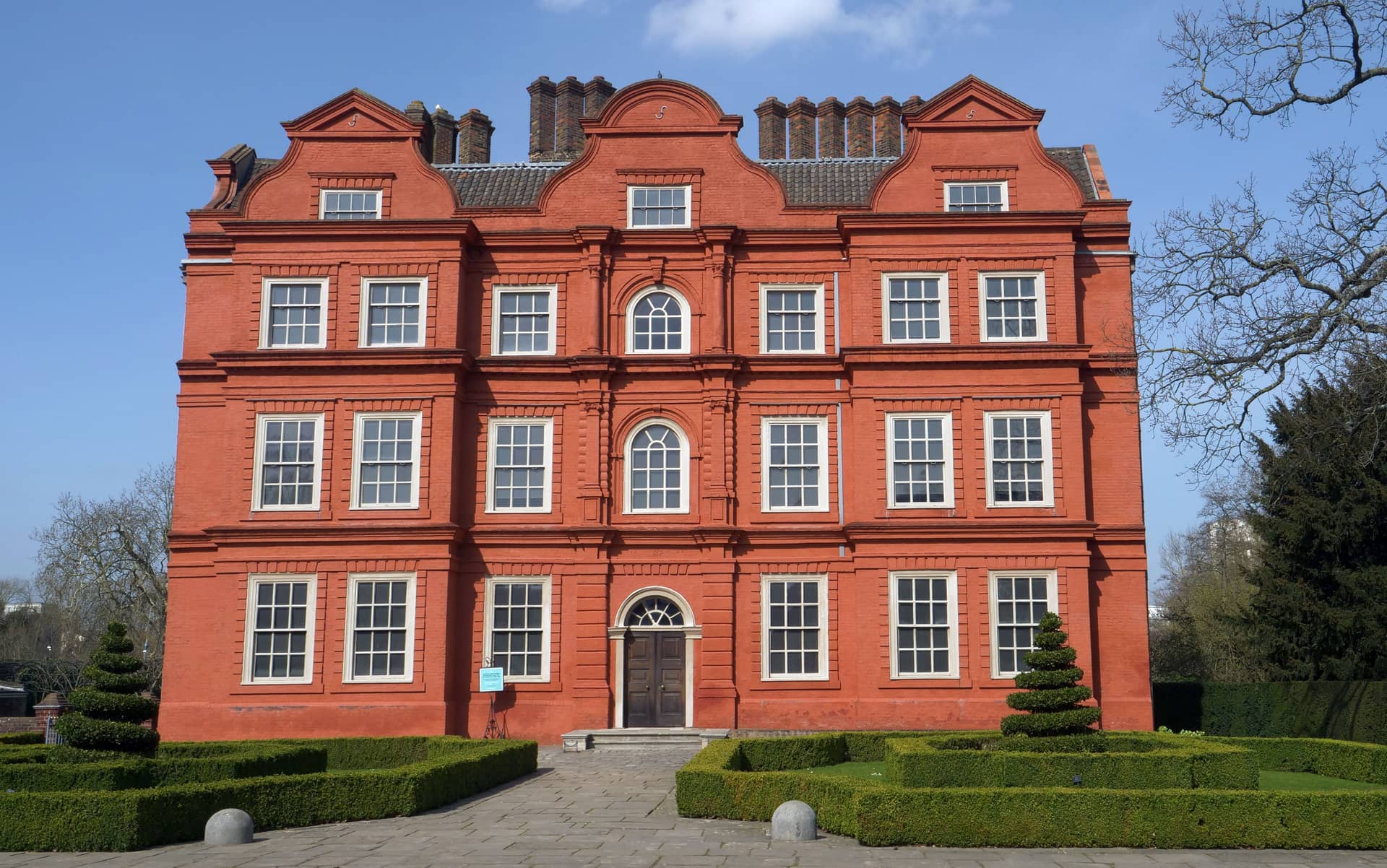
Kew Palace: A Complete Guide to Britain's Smallest Royal Palace for Discerning Travellers
7 min read
Key Highlights
- Kew Palace is Britain's smallest royal palace — a red-brick house of 1631, once called the Dutch House, set inside the Royal Botanic Gardens, Kew.
- Entry to the palace is included with your standard Kew Gardens ticket; there is no separate charge to step inside.
- It was the summer home of George III and Queen Charlotte, and the place where the king was treated during the darkest spells of his illness.
- The Royal Kitchens, reopened after roughly two centuries dormant, are the standout below-stairs experience on the site.
- Allow 30–45 minutes inside the palace, then pair it with Queen Charlotte's Cottage and the wider gardens for a full day.
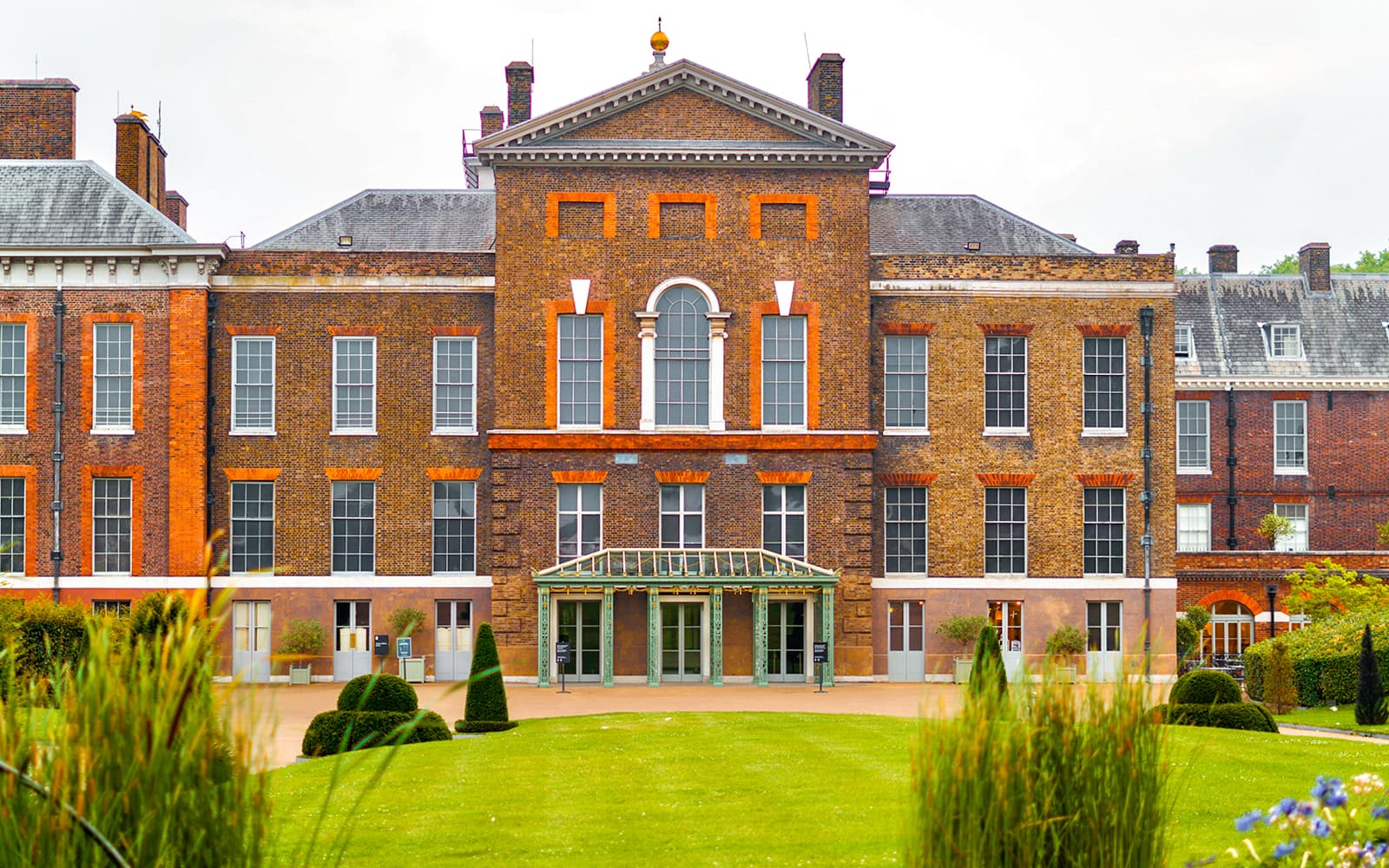
Kew Palace is the smallest of Britain's royal palaces — a four-storey red-brick house inside the Royal Botanic Gardens, Kew, in south-west London. It was the summer retreat of George III and Queen Charlotte, and entry is included with a standard Kew Gardens ticket (adult roughly £16–£24 / about $20–$30 online in 2026, depending on season and day). Most visitors spend 30–45 minutes inside the palace itself, then explore the surrounding gardens, Queen Charlotte's Cottage and the recently reopened Royal Kitchens.
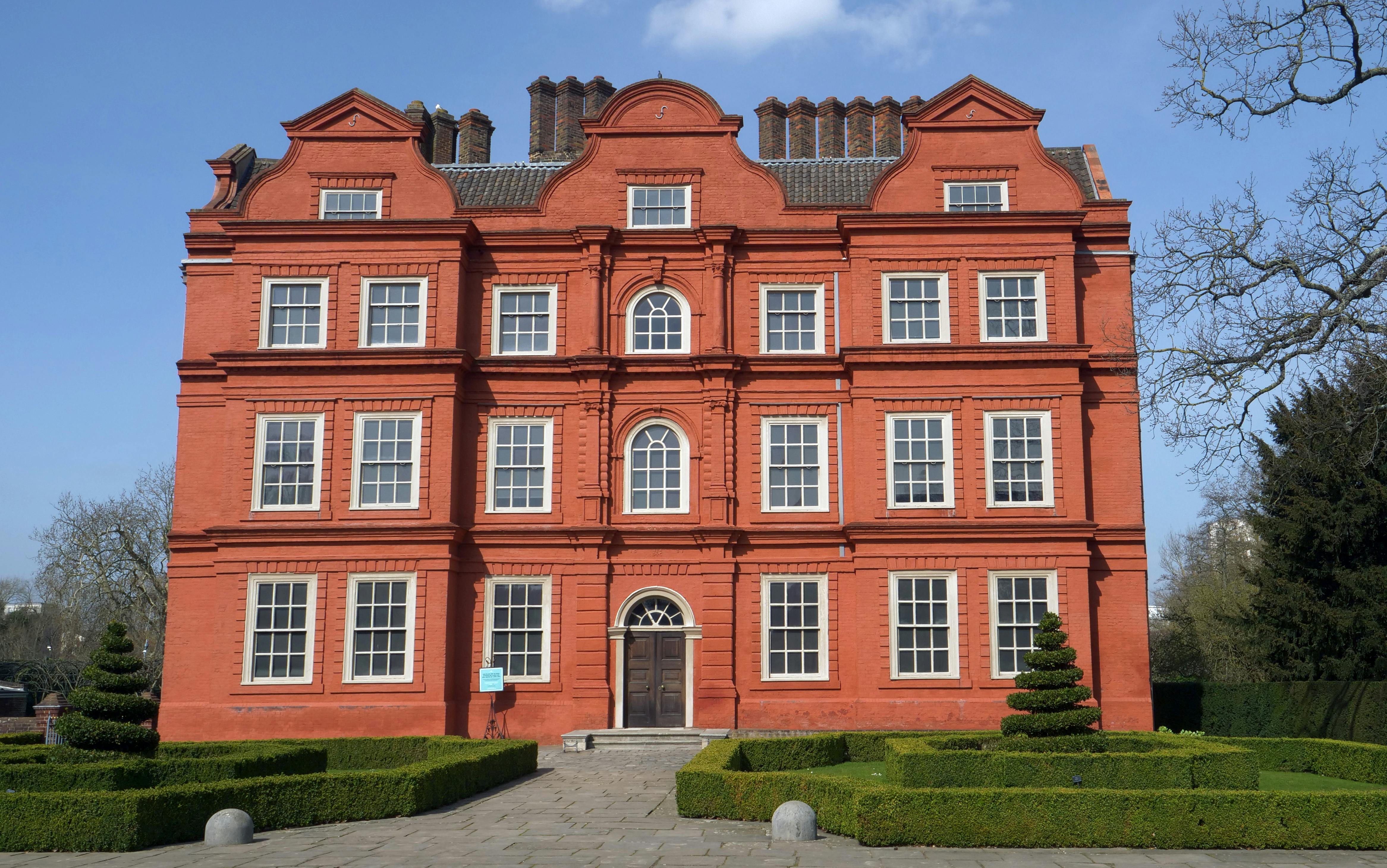
It is the easiest royal residence in London to walk straight past. No state apartments, no gold gates, no changing of the guard — just a compact red-brick house standing among the lawns near the Thames, its initials still set above the door from the merchant who built it nearly four centuries ago. That modesty is the point. Where Buckingham Palace performs and the Tower of London impresses, Kew whispers.
This is where the Georgian royal family came to stop being royal for a while: to raise fifteen children, walk the gardens away from the public gaze, and — in the case of one king — to be hidden during an illness the age could neither name nor treat. The result is the most intimate royal interior in the capital, and one of the most rewarding for a visitor who already knows the headline sights.
This guide covers what the palace is, the family story behind it, exactly what you'll see inside, the cottage and pagoda in the grounds, and how to plan a visit that does justice to the whole site rather than rushing it.
What Is Kew Palace?
Kew Palace is the smallest royal palace in Britain and the oldest surviving building in the Royal Botanic Gardens, Kew. It is a square, red-brick house — not a sprawling estate — which is exactly why it feels so different from every other royal site in London.
The building went up in 1631, long before any royal connection. It was commissioned by Samuel Fortrey, a wealthy London silk merchant of Flemish descent, as a fashionable private mansion. His initials, alongside those of his wife Catherine, can still be read above the entrance. For most of its early life it was known not as a palace at all but as the Dutch House.
The Dutch House and its architecture
The nickname comes from the look of the place. The house is built in Flemish bond — bricks laid with their long and short sides alternating — and topped with the curved, gabled roofline that gives it a distinctly Low-Countries silhouette. It was a deliberate style choice: Fortrey and a small set of his contemporaries wanted something other than the Tudor look that was going out of fashion, and warmer than the severe Palladian style coming in.
Later centuries softened the original face of the house. The brick mullioned windows were swapped for sash windows, and the interiors were repeatedly reworked to royal taste. What survives today is a building that reads as both a merchant's home and a royal one, layered on top of each other.
One of the Historic Royal Palaces
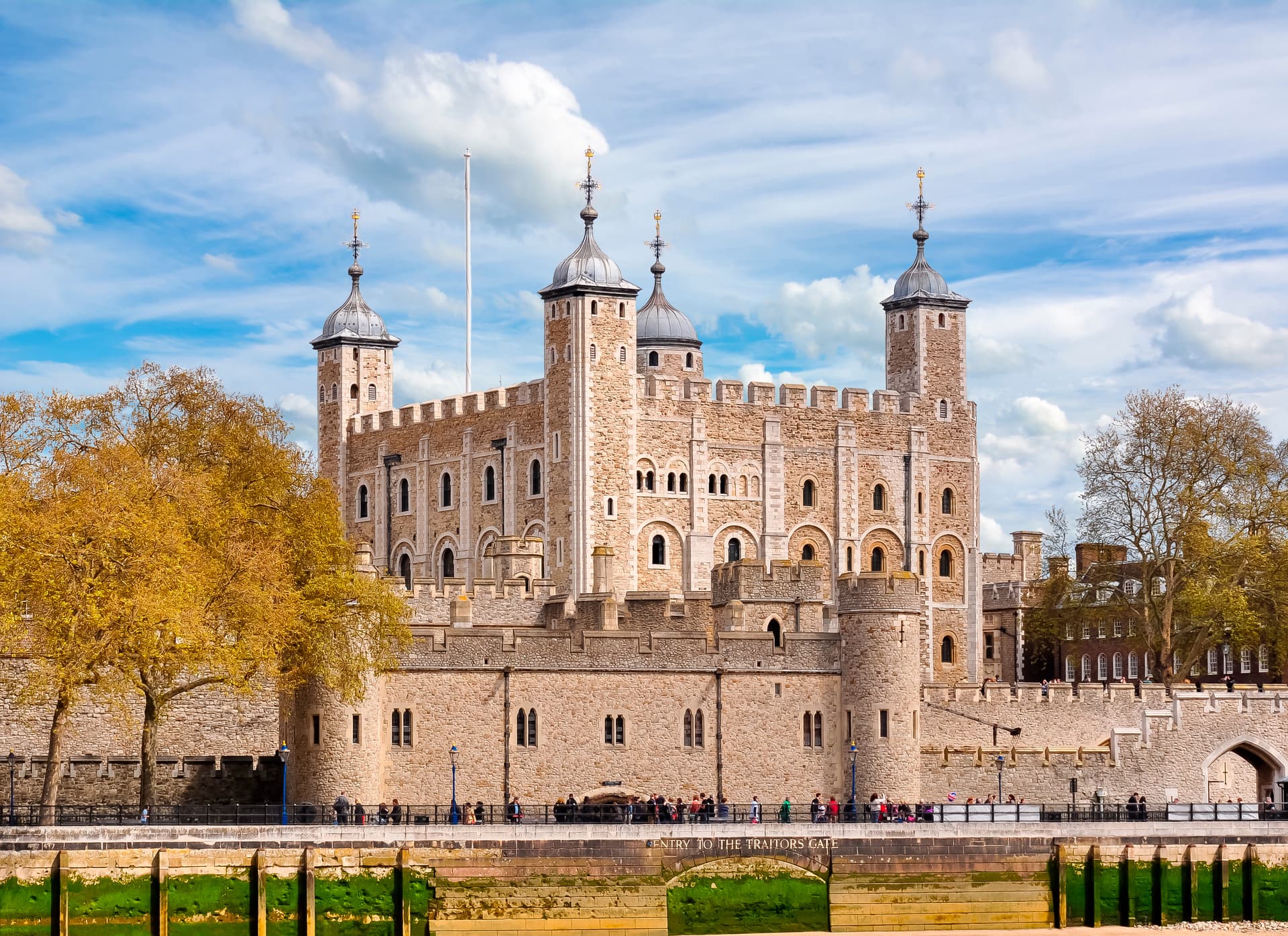
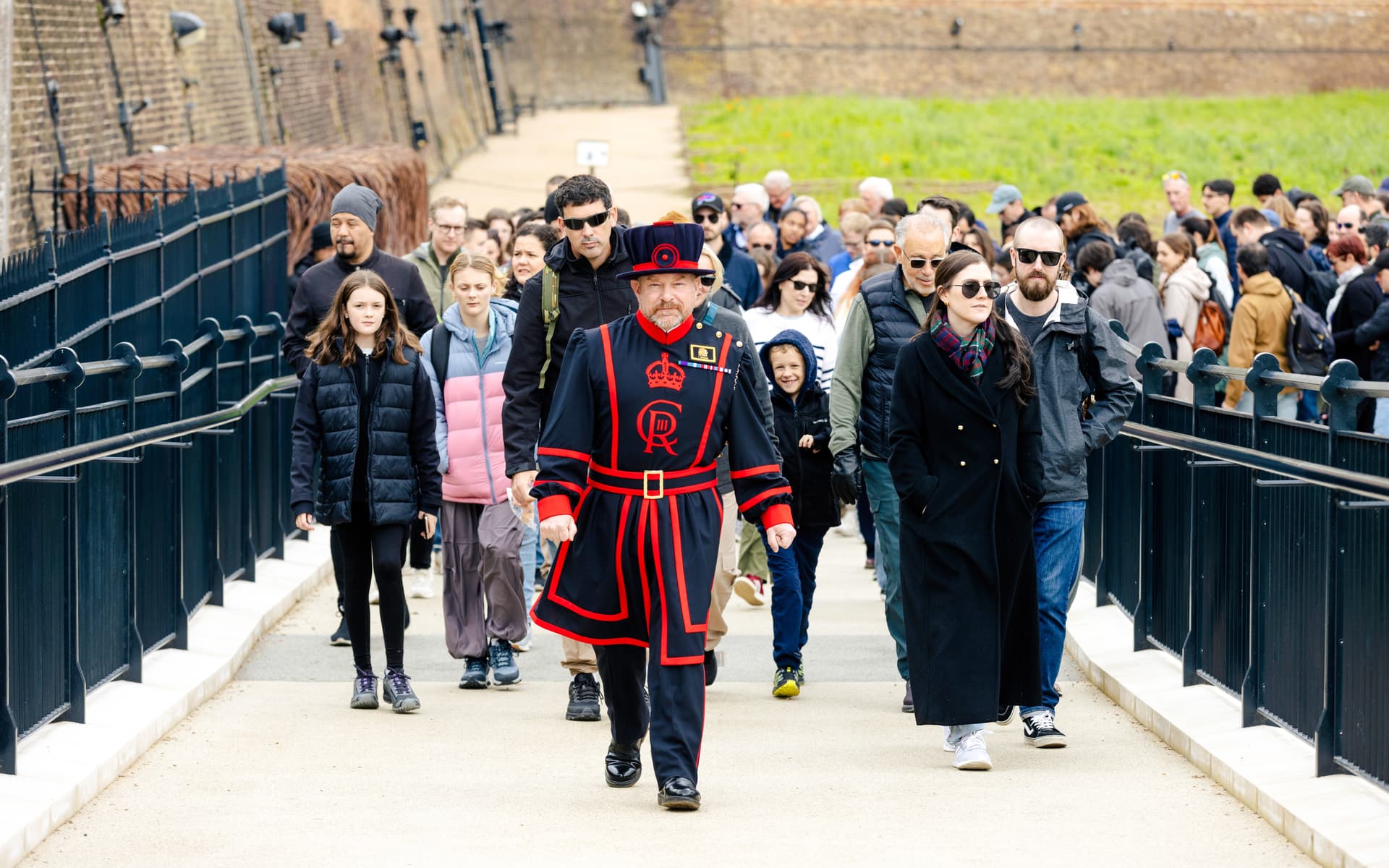
Kew is cared for by Historic Royal Palaces, the same charity that looks after the Tower of London and Hampton Court. That shared custodianship is useful to know when you plan: the curatorial style — atmospheric, story-led, light on roped-off grandeur — runs through all of them. At Kew it is turned up to its most personal. The experiences and tours surfaced on Travjoy for these sites are researched and approved by local experts, so you can book the version that suits your day without second-guessing.
The Georgian Story — George III, Queen Charlotte and a Royal Retreat
Kew became royal almost by accident, and stayed royal because the family liked it. The house tells the story of the Georgian monarchy at its most domestic — and, in the end, its most painful.
The royal connection began in the 1720s, when George II and Queen Caroline were drawn to "little Kew" and leased the Dutch House to lodge their three eldest daughters. Their son Frederick, Prince of Wales, and his wife Augusta soon settled nearby; it was Frederick and then Augusta who effectively founded the botanic gardens that now surround the palace.
George III buys the house
In 1781, George III bought the Dutch House outright to give his growing family more room, taking it on as an annexe to the larger White House that then stood close by (a sundial marks the spot today). He and Queen Charlotte had fifteen children, and Kew became their summer base — a place for a relatively simple routine of lessons, walks and family life, well away from the formality of court in town.
The king's illness and Queen Charlotte's last years
The mood at Kew darkened in the king's later years. George III suffered severe bouts of mental illness — long attributed to porphyria, though the diagnosis is still debated — and it was here, in seclusion, that a band of doctors subjected him to the brutal "treatments" of the day. He recovered after the 1789 episode but relapsed in 1801 and 1804, before a final decline led to the Regency of 1811.
Queen Charlotte remained attached to Kew to the end. She died in the house in 1818, and when the palace later passed to Kew Gardens, Queen Victoria stipulated that the room in which Charlotte died be left untouched. That instruction is why the visit feels less like a museum and more like a house where the family has only just stepped out.
Inside the Palace — What You'll Actually See
Inside, Kew is small enough to see properly in well under an hour, and rich enough that you won't want to rush it. The rooms are arranged to tell the family's story rather than to dazzle, and the standout is below stairs.
The family rooms
The upper floors hold the private quarters: Queen Charlotte's preserved bedroom, the bedrooms of the princesses, and a scatter of objects that bring the children into focus. Look for the princesses' doll's house and the remarkable jigsaw cabinet, which holds some of the earliest jigsaw maps ever made — used to teach the royal children geography. These small things do more to conjure Georgian family life than any throne room could.
The Royal Kitchens
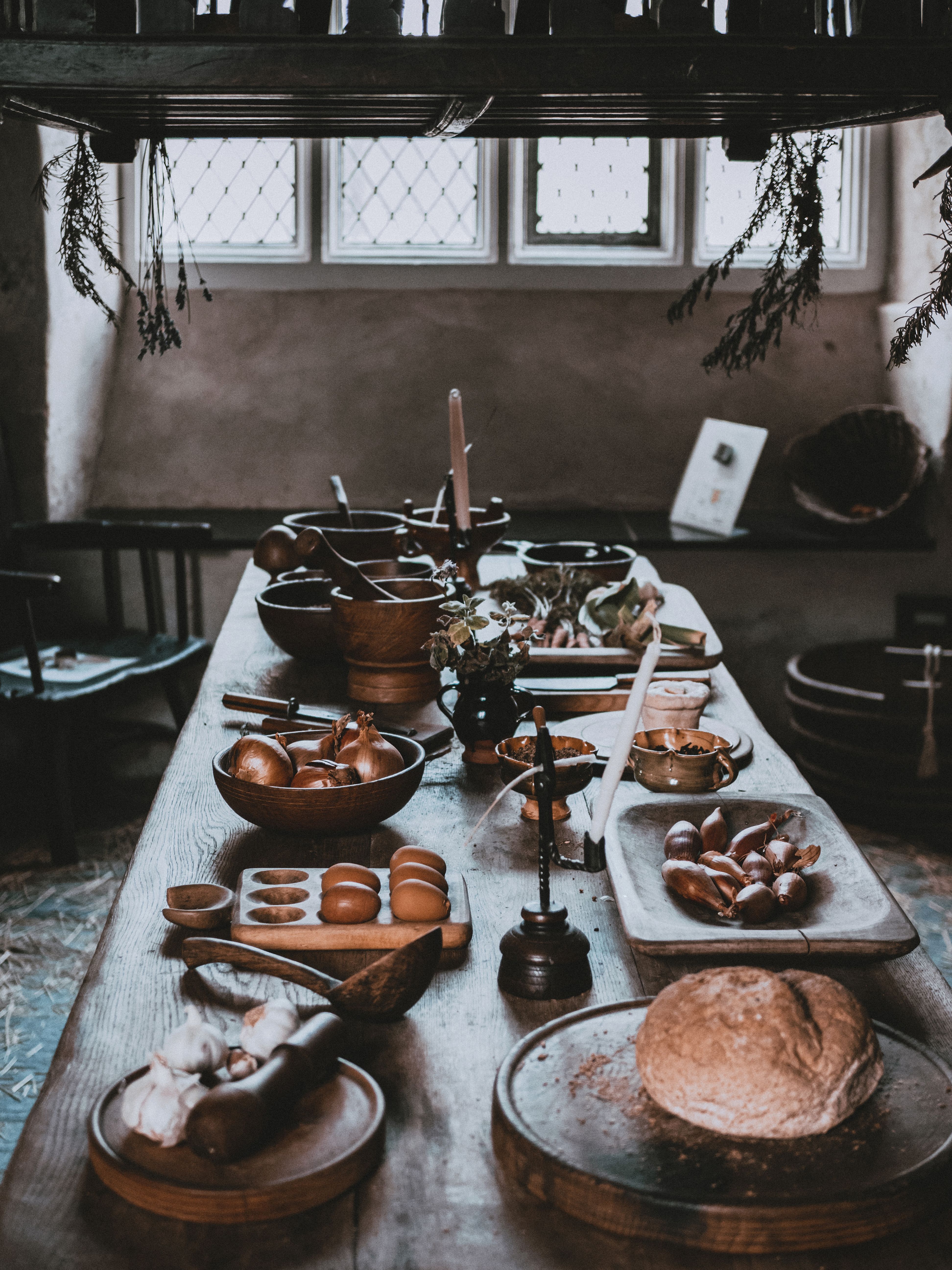
The single best reason to time a visit around the palace is the Royal Kitchens, which lay essentially untouched from Queen Charlotte's death until their reopening. Walking in is the closest thing in London to stepping into a working Georgian kitchen exactly as it was left:
- The great kitchen, scullery and rooms where the servants prepared royal meals
- Original fittings and the everyday tools of an 18th-century kitchen
- Storytelling focused on the staff below stairs, not just the family above
Entry to the kitchens is included with your palace admission, which in turn is included with your Kew Gardens ticket — there is nothing extra to pay to see them.







Beyond the Palace — Queen Charlotte's Cottage and the Great Pagoda
The palace is only part of the royal story at Kew. Two further sites in the grounds — Queen Charlotte's Cottage and the Great Pagoda — are worth building into your route, though both come with timing caveats.
Queen Charlotte's Cottage
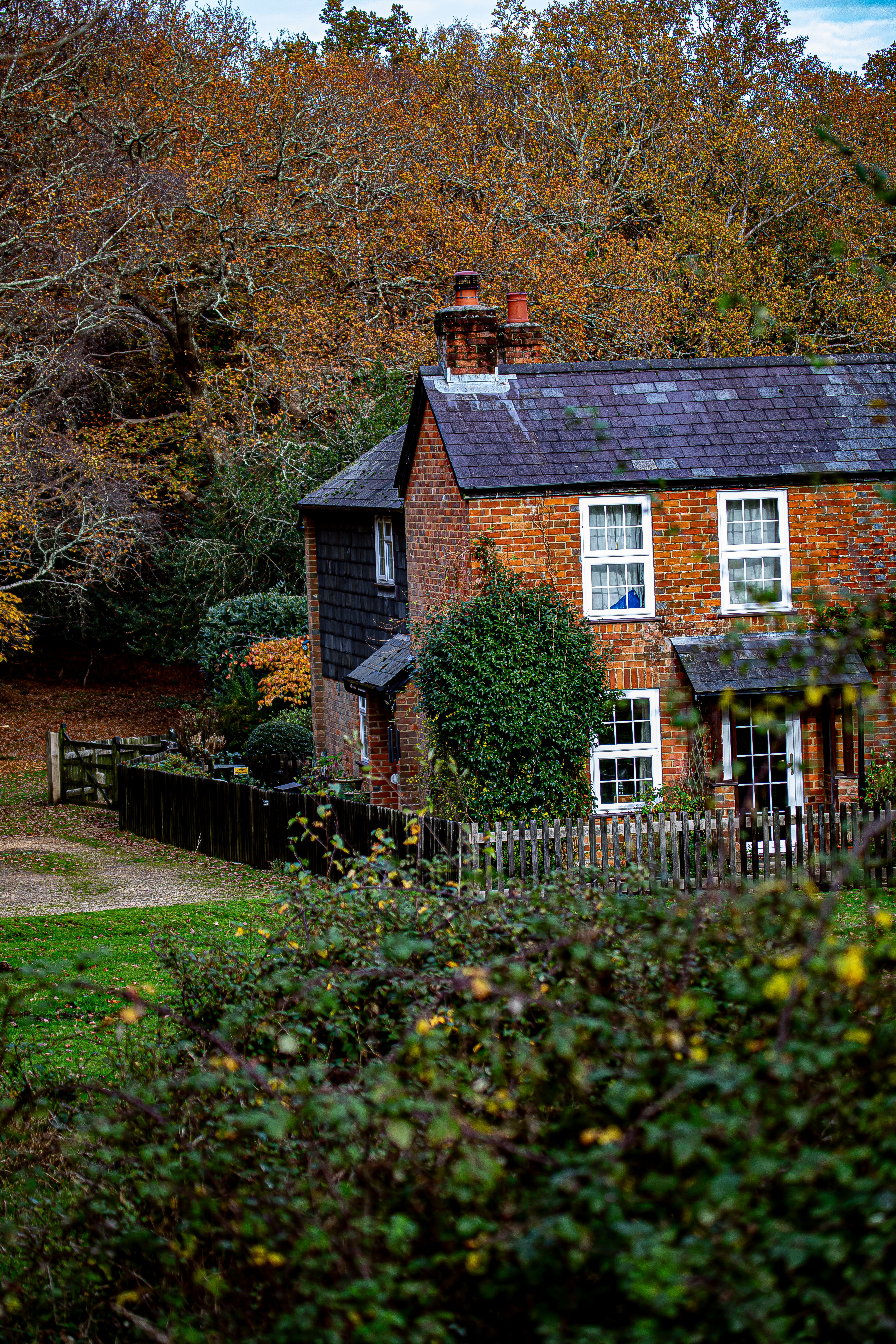
Tucked into the south-western corner of the gardens, the cottage was Queen Charlotte's picnic retreat — a thatched, deliberately rustic spot for the royal family to take tea and escape the formality of the house. It sits within a bluebell wood that is at its best in April and May, when the ground turns blue under the trees.
The catch is access. The cottage opens far more rarely than the palace — typically weekends and bank holidays only, and on a shorter afternoon schedule. If seeing inside matters to you, check the day's opening details before you travel and plan your route to reach it within the window.
The Great Pagoda
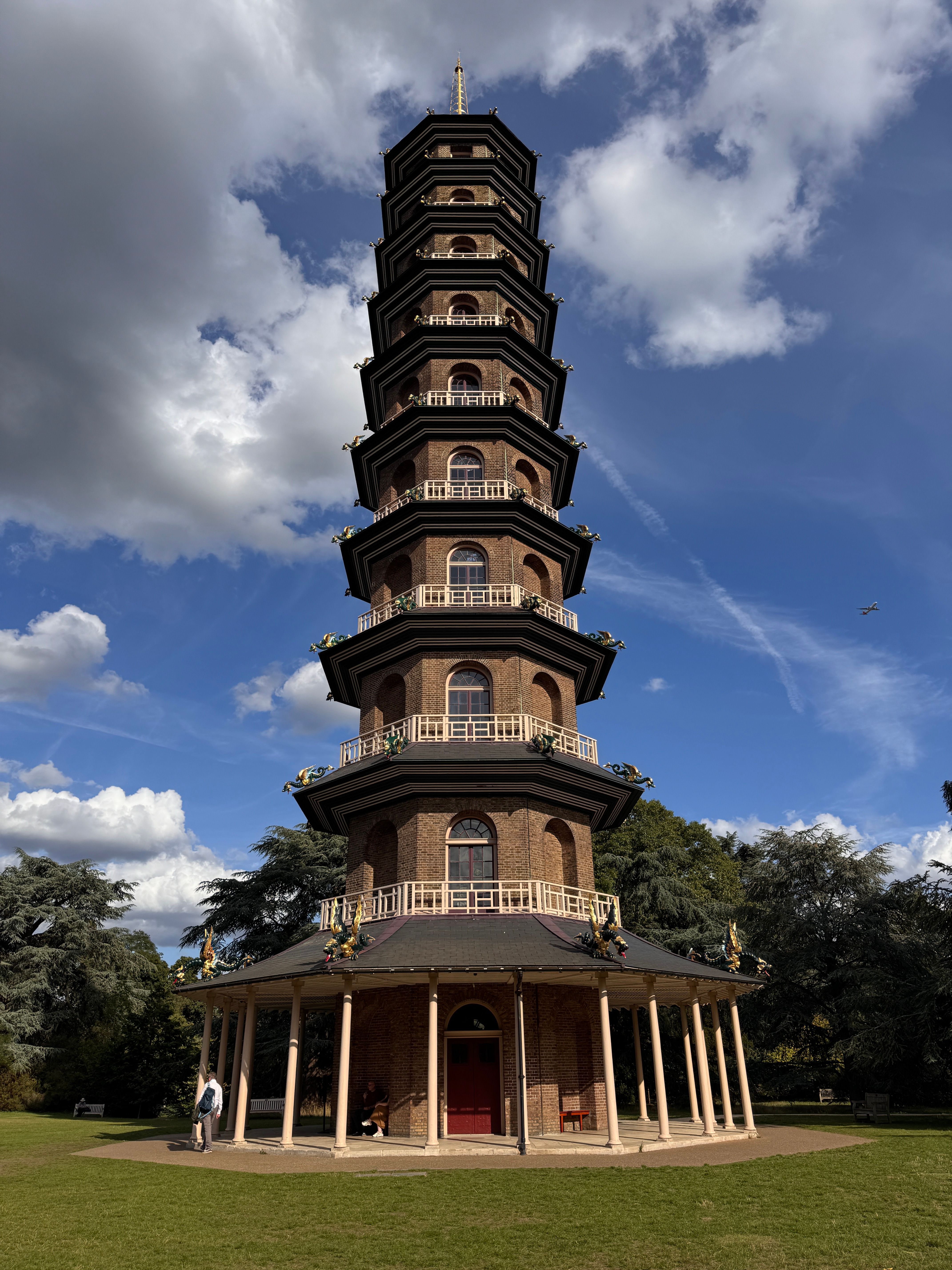
Rising ten storeys above the trees, the Great Pagoda is the most theatrical of the Georgian additions — a Chinese-inspired tower from the 1760s that you can climb for a long view over the gardens and London beyond. Unlike the palace, the Pagoda requires a separate ticket, bookable in advance, and it isn't always open, so confirm before you build your day around it.
Planning Your Visit — Tickets, Timings and Getting There
The most important thing to understand about visiting Kew Palace is that you don't buy a palace ticket at all — you buy a ticket to the Royal Botanic Gardens, Kew, and the palace is included once you're inside. That single fact shapes how you plan the day.
Tickets and prices
Kew uses seasonal, peak/off-peak pricing, and booking online in advance is always cheaper than paying at the gate. As a 2026 guide (always confirm current rates before you book):
- Adult, online: roughly £16–£24 / about $20–$30, depending on season and weekday vs weekend
- Adult, at the gate: roughly £19–£27 / about $24–$34
- Young person / student (16–29): around £9–£10 / about $11–$13
- Child (4–15): around £5–£6 / about $6–$8; under 4s enter free
- Senior / concession: around £18–£22 / about $23–$28
- Great Pagoda climb: separate ticket, around £5–£7 / about $6–$9
Entry to Kew Palace and Queen Charlotte's Cottage, and to the Royal Kitchens, is covered by that Gardens ticket. On busy days, palace entry can run on a first-come, first-served basis, so if it's your priority, head there earlier rather than leaving it to the end of the afternoon.
Opening times
The Gardens open daily at 10am year-round, with closing times that shift with the season — as early as mid-afternoon in deep winter and as late as the evening on summer weekends. The palace itself keeps shorter hours than the Gardens and tends to close to new visitors around 4pm, with the cottage opening only on weekends and bank holidays. Check the day's specific palace and cottage hours before you go.
Getting there
Kew is easy to reach by public transport, which is the better choice given how limited on-site parking is:
- Underground / Overground: Kew Gardens station (District line and London Overground) is about a five-minute walk to Victoria Gate
- By river: in season, riverboat services run from central London to Kew Pier, a scenic way to arrive
- By car: the car park is small and fills early — avoid it if you can
How long to allow
- Palace only: 30–45 minutes inside, including the Royal Kitchens
- Palace plus a good walk of the gardens: half a day
- The full site — palace, cottage, pagoda, glasshouses and arboretum: a comfortable full day, and arguably two
Making a Day of It — Kew and Royal London
Kew rewards being treated as the anchor of a wider royal-and-gardens itinerary rather than a quick tick-box. The best pairings depend on how much time you have and whether you're staying west or central.
Pair it with another riverside palace
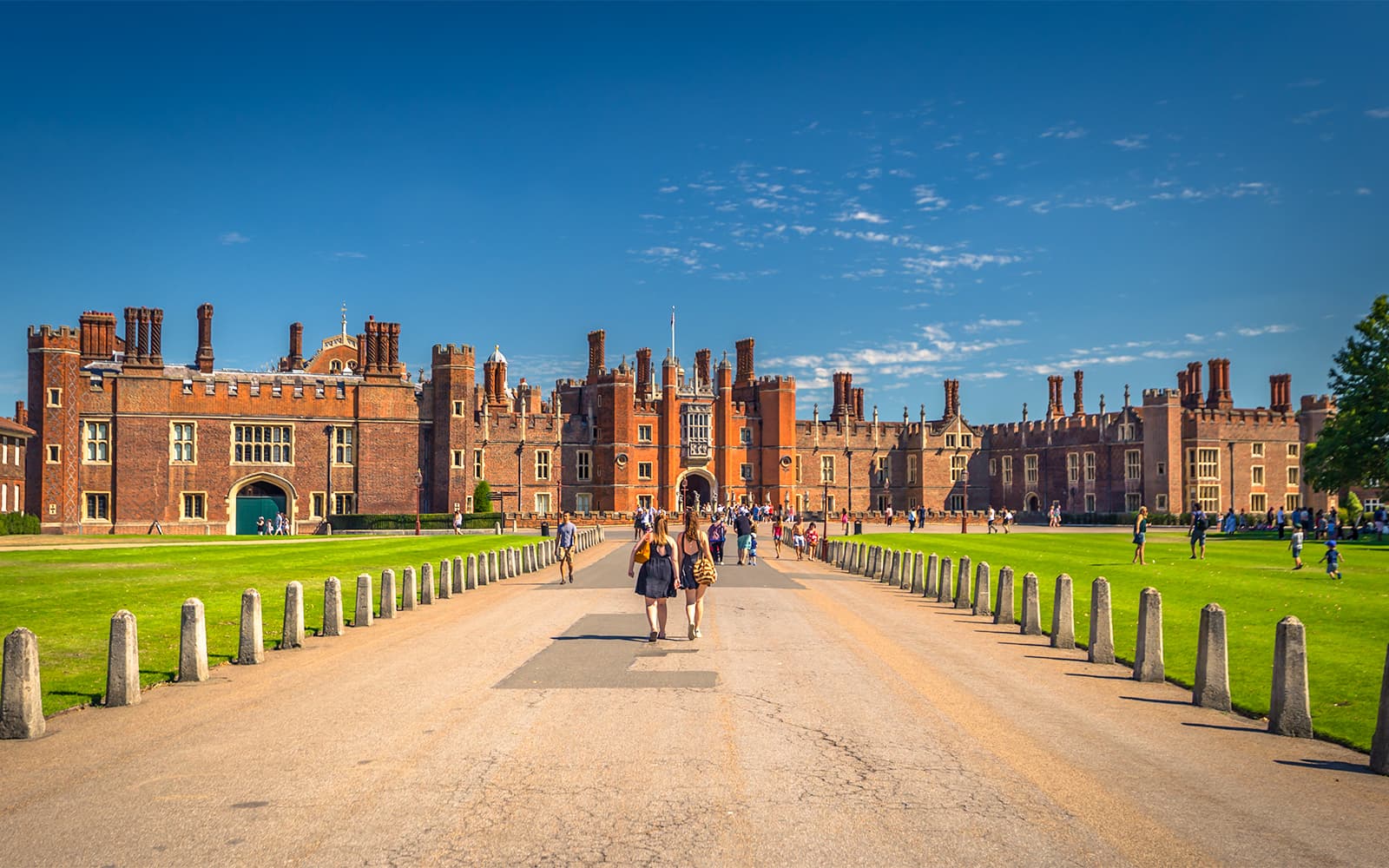
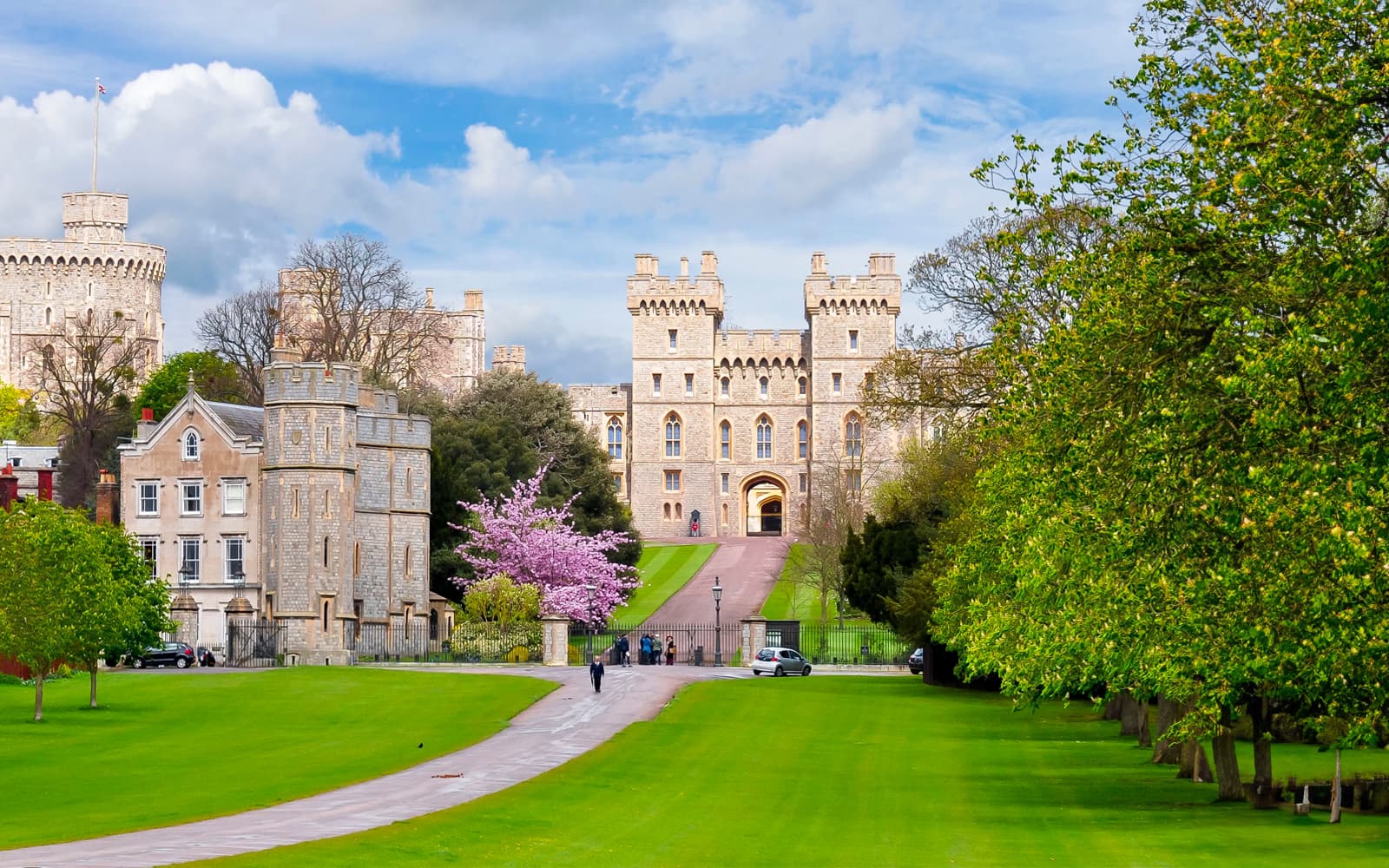
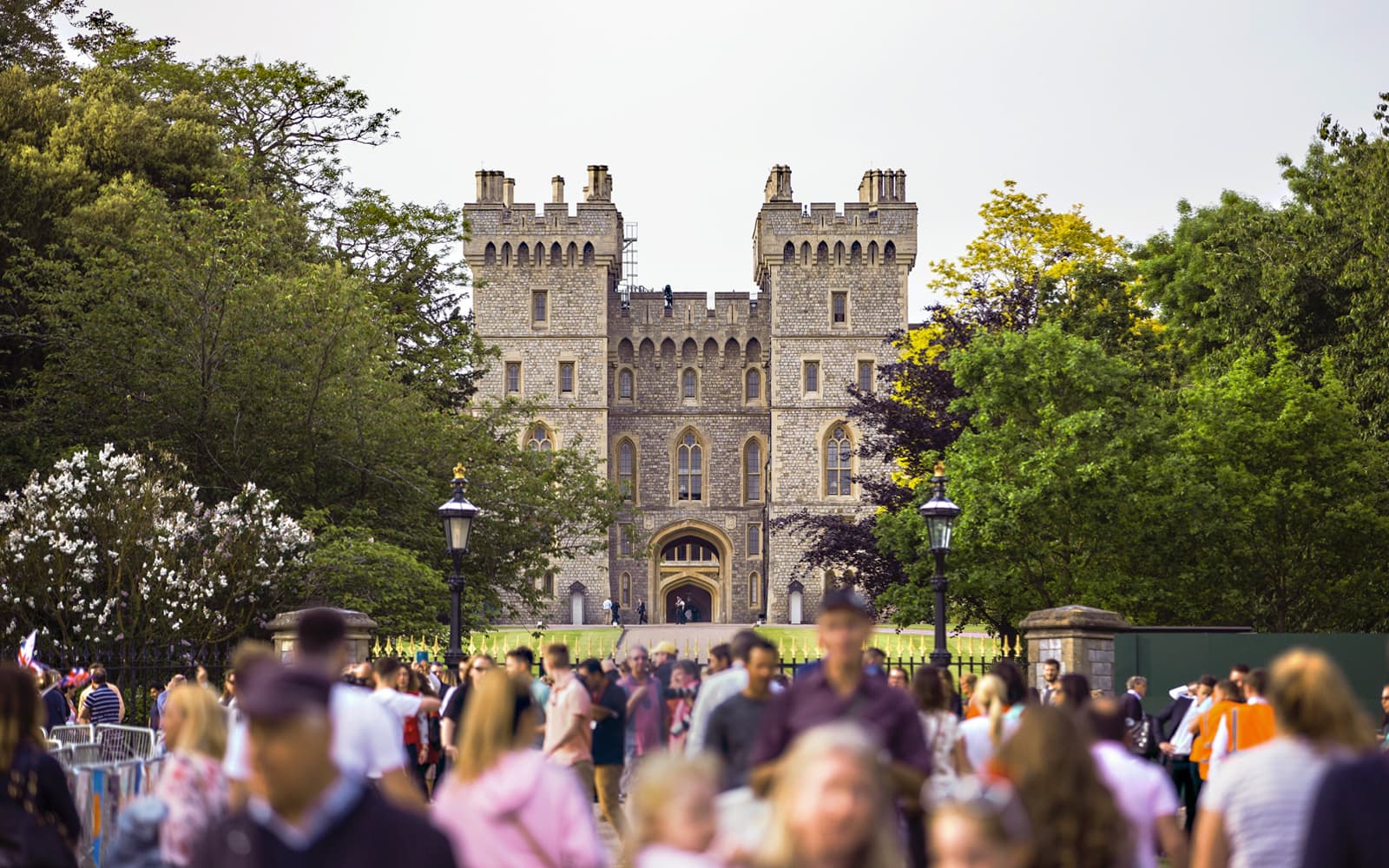
If you have a second day for royal interiors, the natural companion is Hampton Court Palace, further up the Thames — a far grander Historic Royal Palace that makes an instructive contrast with Kew's intimacy. For a full day trip out of town, Windsor Castle sits west of the city and rounds out the royal-residence circuit.
Lean into the gardens and parks
Kew belongs as much to a green-London theme as a royal one. If parks are your interest, it pairs naturally with London's Royal Parks — Kensington Gardens, Greenwich and the rest — for a trip built around the city's historic landscapes rather than its monuments.
The Bridgerton question
Many visitors arrive expecting the palace from Netflix's Queen Charlotte. It's worth knowing that the on-screen "Kew" was filmed elsewhere — the production used Waddesdon Manor in Buckinghamshire, taking its cue from the larger White House that once stood across from the real palace, not the modest red-brick house that survives. The genuine article is smaller, plainer and, for many, more moving precisely because it's so domestic.
Plan Your Visit to Kew Palace
Kew Palace is the rare royal site that trades spectacle for intimacy, and is the better for it. You come for the smallest royal palace and leave with the Georgian family — the fifteen children, the founded gardens, the king's illness and the queen's preserved bedroom — fixed in your memory far more vividly than any state apartment manages. Time your arrival around the palace and Royal Kitchens, check the cottage and pagoda windows in advance, and give the surrounding gardens the half-day they deserve.
Start planning your royal London itinerary, from Kew to the wider city, on Travjoy's London experiences.




.svg&w=1920&q=75)