


London Heathrow Airport: A Complete Guide to Terminals, Lounges, Shopping and Transit
10 min read
Key Highlights
- Heathrow has four working terminals — T2 (Star Alliance), T3 (oneworld, Virgin Atlantic and Emirates), T4 (SkyTeam plus Qatar Airways and Etihad) and T5 (British Airways and Iberia) — assigned by airline, not by where you are flying.
- You do not need a business-class ticket for a lounge: pay-per-visit access starts around £40–£60 ($51–$77) per person, and a Priority Pass or the right credit card brings that down further.
- The Elizabeth line reaches central London directly for a flat £15.50 ($20) in about 30 minutes; the Heathrow Express is faster to Paddington at 15 minutes but pricier unless you book ahead.
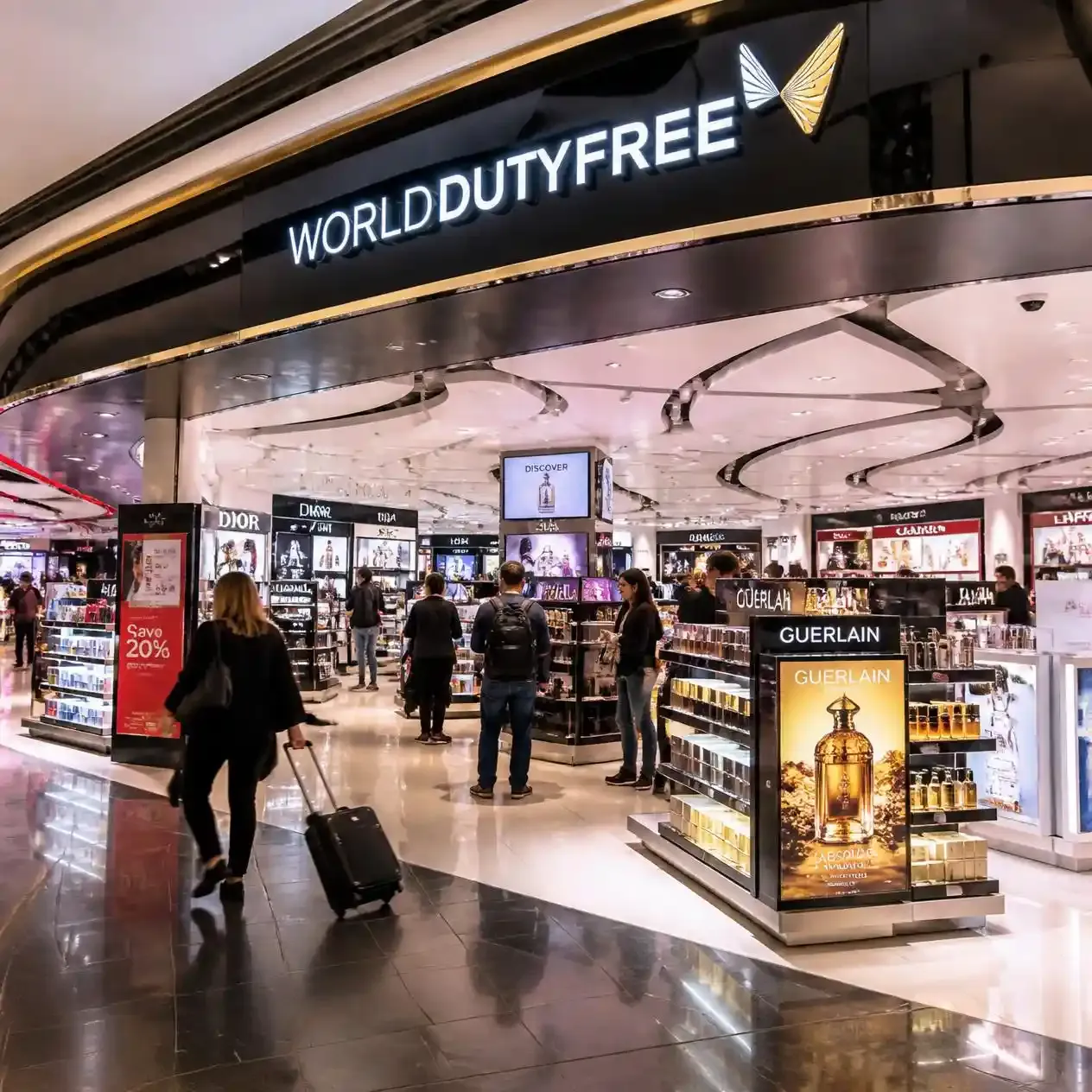
- World Duty Free and the luxury boutiques sit airside, after security — you can reserve online up to 30 days ahead and collect before you fly.
- The terminal drop-off charge rose to £7 ($9) per visit in January 2026, with a 10-minute limit; the free Park & Ride shuttle avoids it entirely.
This Heathrow Airport guide covers everything you need once you are at the airport: which of the four terminals your airline uses, how to reach a lounge with or without a premium ticket, where the airside shopping is worth your time, and the quickest routes between Heathrow and central London — the Elizabeth line, the Heathrow Express, or a private transfer. Terminals are assigned by airline alliance, not by destination, so always confirm yours the night before you fly.
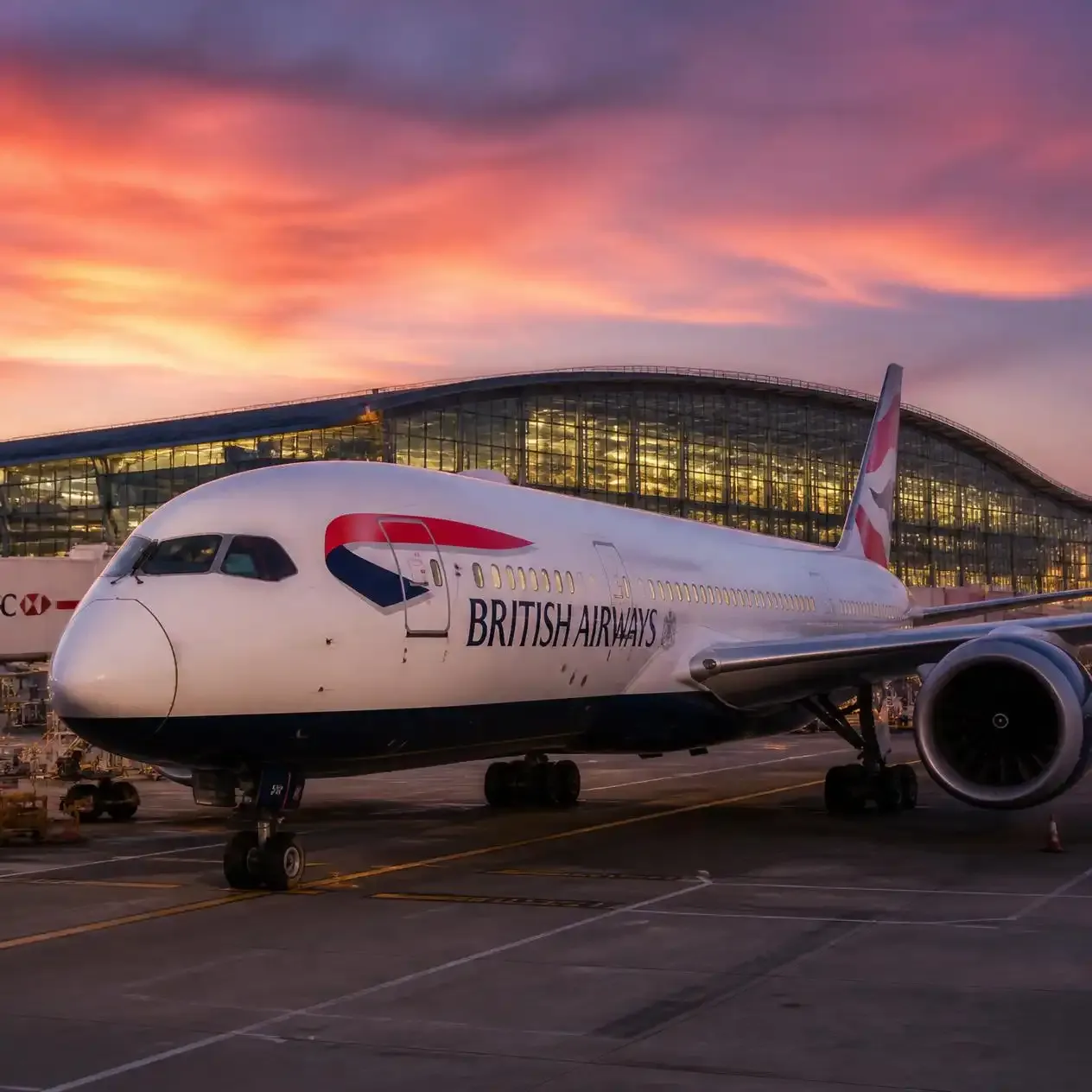
Heathrow moves more international passengers than any airport on earth — a record 84.5 million in 2025, with close to 85 million expected across 2026. At that scale, it rewards a plan. This Heathrow Airport guide is written for the traveller who wants to spend their airport time well: to walk into the right terminal, reach a lounge without guessing, shop the airside boutiques that actually earn the detour, and pick the route into the city that suits their luggage, their budget and their clock.
Heathrow is not somewhere you wander through; it is somewhere you route around. The four terminals are scattered across a large site rather than arranged in a neat ring, so the single most useful thing you can do is get the terminal right. Do that, and the rest of the day tends to follow.
Below, you will find the four terminals and how to move between them, the full lounge landscape and the three ways into one, what is worth buying after security, and the rail and road options between the airport and central London — with current 2026 prices in pounds and dollars throughout.
Heathrow's Four Terminals: Which One Is Yours
Heathrow has four operational terminals — 2, 3, 4 and 5 — and your terminal is set by your airline, not your destination. The airport groups carriers broadly by alliance, so if you know who you are flying, you almost always know your building. Terminal 1 closed in 2015 and has been absorbed into an expanded Terminal 2, so ignore any older guide that still lists it.
Terminal 2 — The Queen's Terminal (Star Alliance)
Terminal 2 is the Star Alliance home and, having opened in 2014, the newest of the four. It handles Lufthansa, United, Air Canada, Singapore Airlines, ANA, Swiss, Turkish Airlines, EVA Air and Air New Zealand, plus Aer Lingus. One change worth noting: Air India moved across from Terminal 4 to Terminal 2 in 2025, so it now checks in here with the other Star Alliance carriers. T2 was the first terminal to run next-generation CT security scanners and is consistently the quickest through the queue.
Terminal 3 (oneworld long-haul, Virgin Atlantic, Emirates)
Terminal 3 is Heathrow's oldest active terminal and gathers much of the oneworld long-haul fleet — American Airlines, Cathay Pacific, Qantas, Japan Airlines, Finnair, Royal Jordanian and SriLankan — alongside Virgin Atlantic, Delta and Emirates. Some British Airways seasonal and long-haul services also depart here rather than from T5. It shares a rail station and a covered underground walkway with Terminal 2, so the two sit as a pair on the eastern side of the airport.
Terminal 4 (SkyTeam, Qatar Airways, Etihad)
Terminal 4 sits on the southern perimeter, apart from the central T2–T3 pair, and is usually the quietest of the four. It is the SkyTeam base — Air France, KLM, Korean Air, China Eastern, Saudia and others — with Qatar Airways and Etihad, plus a few oneworld carriers (Malaysia Airlines, Royal Air Maroc) that sit here rather than in T3. T4 is in the middle of a redevelopment programme running through 2026; its multi-storey car park closed on 23 June 2026, with parking moved to the T4 Park & Ride, so factor that in if someone is driving you.
Terminal 5 (British Airways and Iberia)
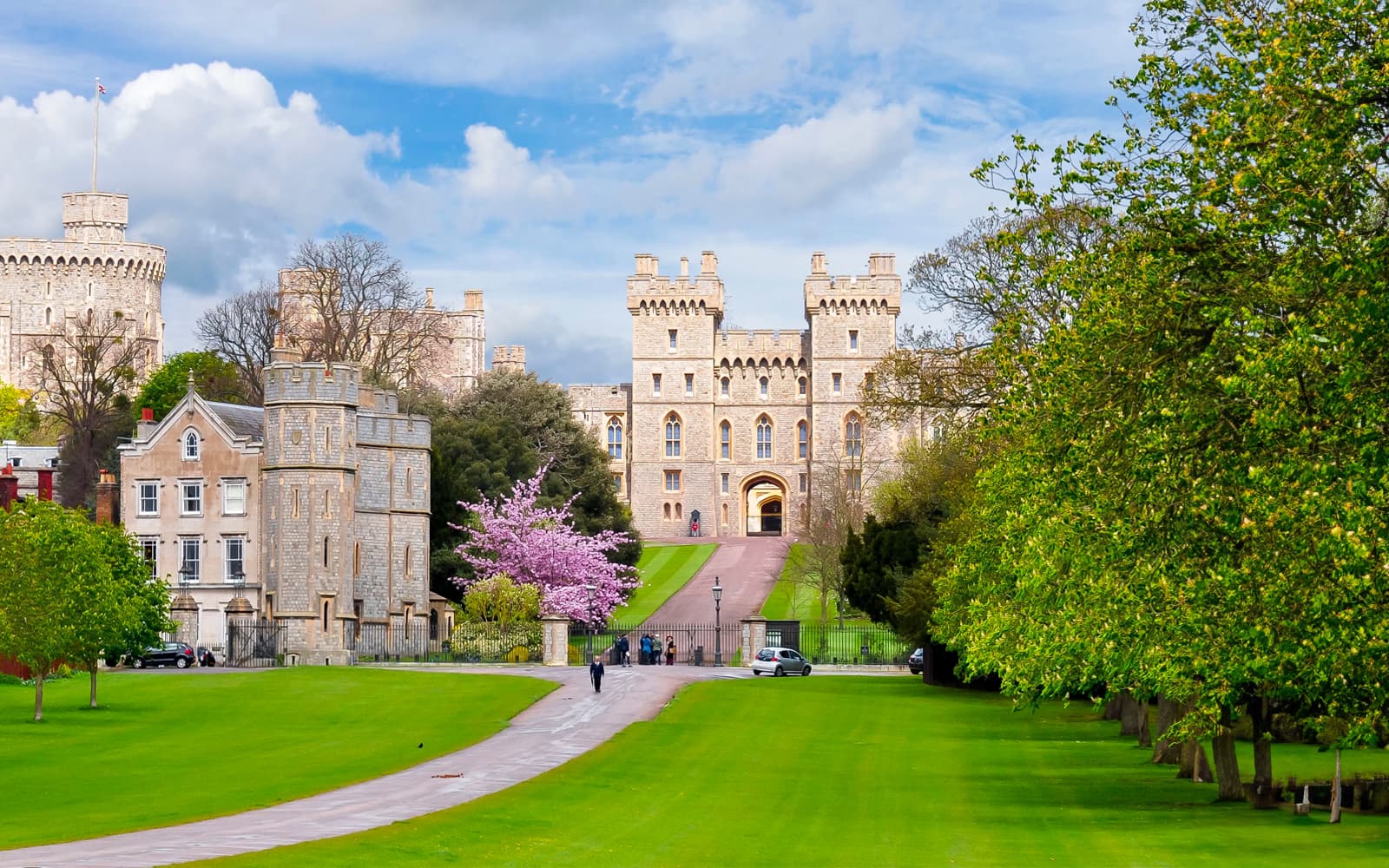
Terminal 5 is British Airways' home, shared only with Iberia, and it has its own road access on the western edge of the airport. It is the largest and most modern of the four. The one trap to know: T5 has a main building (5A) plus two satellites, 5B and 5C, used mostly for BA short-haul Europe departures and reached only by an internal transit train. Gates typically show around 45 minutes before departure, so if yours turns out to be in 5B or 5C, leave 15 minutes from the lounge to get there. Windsor Castle is only a few miles from T5, which makes it an easy add-on if you land with a spare afternoon — Windsor Castle works well as a first or last day out either side of a Heathrow flight.
Confirming your terminal
Airlines occasionally move terminals, even on routes you have flown before, and a handful split operations across buildings. Your terminal is printed on your boarding pass and shown in your airline app, but the safest source on the day is the live Heathrow departure board. Check it the night before, then again in the morning.
Moving Between Terminals Without Missing a Connection
If you are connecting and need to change terminals, give yourself real time — Heathrow's buildings are spread out, and the transfer eats more of your layover than people expect. The good news is that alliances mostly keep partners in the same building, so many connections do not need a terminal change at all. When they do, here is how the moves work.
- T2 to T3 (or back): a 10-minute walk through an underground pedestrian passage with travelators — no train needed.
- T2 or T3 to T5: the Heathrow Express runs free between these terminals in about 4 minutes, or take the free inter-terminal bus (around 15 minutes).
- To or from T4: T4 is not connected on foot to anything. Use the Elizabeth line or the free transfer service; allow 20–30 minutes minimum, and considerably more for a T4-to-T5 hop.
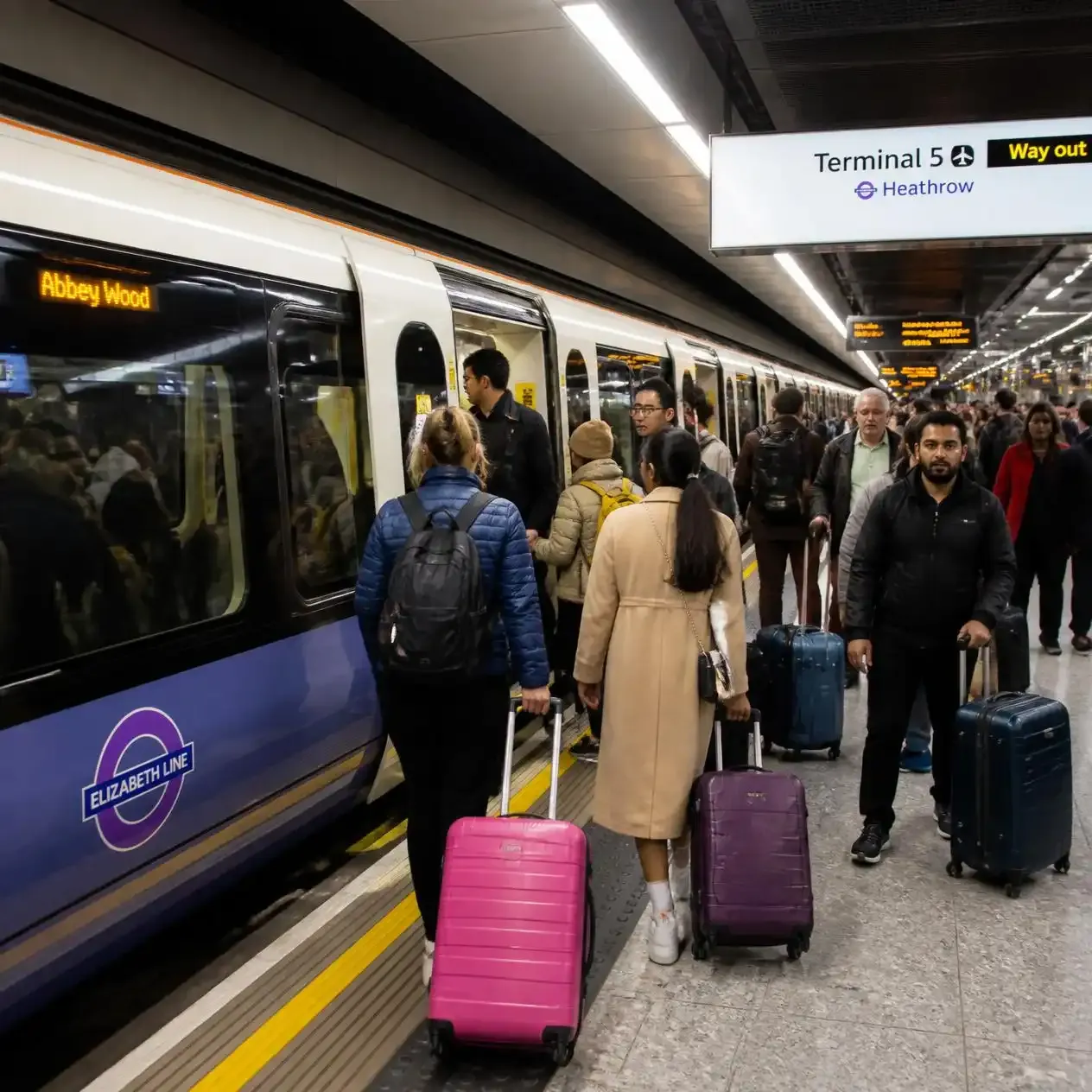
The Elizabeth line carries you between all of Heathrow's rail stations (T2/3, T4 and T5) free of charge — just tap in and out with the same contactless card or Oyster, or pick up a free inter-terminal ticket from the machines. For a connection involving a change of terminals and a second pass through security, treat 60 minutes as a floor and 90 minutes as comfortable, particularly around T4 and T5.
Inter-terminal transfer at a glance
- T2 ↔ T3: 10-minute covered walk, travelators the whole way.
- T2/T3 ↔ T5: free Heathrow Express (~4 min) or free bus (~15 min).
- Any terminal ↔ T4: Elizabeth line or free transfer; allow 20–30 min plus security.
- Changing terminals on separate tickets? Your bags will not follow automatically — collect and re-check unless the flights are on one ticket.
The Heathrow Lounge Landscape: Three Ways In
London Heathrow Airport has one of the widest lounge selections of any airport, and you do not need a business-class boarding pass to use one. There are three routes in: your cabin or airline status, a lounge membership such as Priority Pass, or simply paying for a single visit. Knowing which applies to you is the difference between a calm two hours and a scrum at the gate.
Included with your cabin or status
If you are flying premium cabin or hold elite status, your lounge is set by your airline and terminal. British Airways has the deepest spread in T5 — the Galleries Club and Galleries First lounges, plus the Concorde Room at the top of the tree for First passengers, with à la carte dining, private booths and nap pods. In T3, the Cathay Pacific lounge is widely rated among London's best, and Emirates, Qantas, American and the Virgin Atlantic Clubhouse all sit here too. T2 has the United Polaris Lounge and the Star Alliance options; T4 has the SkyTeam lounge and the Gulf carriers' own spaces.
Lounge membership (Priority Pass and credit cards)
A Priority Pass or an equivalent benefit on a premium credit card (an Amex Platinum, for example) gets you into the independent lounges — Club Aspire, No1 Lounge and Plaza Premium among them — regardless of your ticket. Priority Pass runs three tiers, so the maths depends on how often you fly:
- Standard: £69 ($88) a year plus £24 ($31) per visit.
- Standard Plus: £229 ($293) a year, including 10 visits, then £24 ($31) each.
- Prestige: £419 ($536) a year for unlimited visits.
Pay-per-visit — no status, no membership
Anyone can buy a single visit, online or at the door, at the independent lounges. Expect £40–£60 ($51–$77) per person for two to three hours. In Terminal 5, the Plaza Premium lounge near gate A7 charges around £47.50 ($61) for two hours or £75 ($96) for six, and the Club Aspire lounge near A18 is the other pay option; both fill up, so pre-book if you can. In Terminal 3, Clubrooms is a more design-led paid space at about £48 ($61) for a three-hour slot. Two things worth knowing: the T5 pay lounges are small and often at capacity, and there are also two arrivals lounges at Heathrow if you want to shower and reset after a long-haul flight before a meeting.
The top of the range: the Windsor Suite
At the very top sits the Windsor Suite, Heathrow's private VIP terminal at T5. You clear a discreet security channel away from the main halls, wait in a private lounge with a seasonal menu from a Michelin-starred British chef, and are then driven across the apron to your aircraft. It is priced as a private-terminal experience rather than a lounge, but for a special departure — or a nervous traveller who wants the calmest possible route to the gate — it is the most elevated option Heathrow offers.




Shopping at Heathrow: What's Worth Your Time Airside
Almost all of Heathrow's shopping sits airside, after security, so it belongs in the window between the lounge and the gate rather than before you check in. World Duty Free is the anchor in every terminal, carrying more than 17,000 lines across beauty, fragrance, spirits, sunglasses, confectionery and souvenirs, with savings of up to 50% on selected spirits against UK high-street prices. Beyond it, the luxury retail runs deepest in Terminals 3 and 5.
Where the luxury sits
Terminal 5 has Heathrow's flagship retail, with Terminal 3 close behind — this is where the fashion and jewellery houses cluster (Chanel, Gucci, Burberry, Tiffany and the like), alongside the watch and beauty boutiques. Terminals 2 and 4 have a lighter, more essentials-led mix. A few practical points to plan around:
- Reserve & Collect is free: browse online, reserve from 24 hours up to 30 days before you fly, then collect and pay in-store airside. World Duty Free adds a 10% online discount, and brands such as Hugo Boss (T2, T3, T5) and Chanel (T3, T5) take part.
- A complimentary personal shopping service is available if you want a hand with a specific purchase.
- The Shopping Services team can bring an item from a different terminal, and many stores offer home delivery for your return, so a bulky buy need not travel with you.
The VAT reality — and where the saving actually is
One myth to retire: since Great Britain ended its VAT Retail Export Scheme in January 2021, there is no VAT refund at Heathrow on goods you buy in the UK and carry home. Do not budget for one, and do not queue for a refund desk that no longer exists for tourist shopping. The genuine airside saving is on the duty-free categories — chiefly spirits, tobacco and some cosmetics — where World Duty Free's pricing is tax-free on the relevant items. For a considered luxury purchase, the airport is a place to collect a reserved item rather than to make an unhurried decision; the flagship terminals reward browsing, but stock on high-demand pieces varies.

Getting Between Heathrow and Central London
London Heathrow Airport sits about 17 miles (27 km) west of central London and has the widest transport choice of any UK airport. For most travellers the decision comes down to three trains and a taxi, and the right answer depends on where you are staying and how much luggage you have. The table below sets the 2026 options side by side.
| Option | Time to central London | 2026 price (one way) | Best for |
|---|---|---|---|
| Elizabeth line | ~30 min to Paddington; direct to Bond St, Farringdon, Liverpool St, Canary Wharf | £15.50 ($20) flat, contactless/Oyster | Most travellers — one train, no change, luggage racks |
| Heathrow Express | 15 min non-stop to Paddington (~21 min from T5) | £25 ($32) walk-up; £10 ($13) if booked 30+ days ahead; £32 ($41) Business First | Paddington-bound and time-critical; families (under-15s free) |
| Piccadilly line (Tube) | ~50 min to central London | £5.90 ($7.50), contactless/Oyster | Light luggage and lowest cost; runs 24h Fri/Sat |
| Taxi / private transfer | 45–75 min depending on traffic | ~£50–£100 ($64–$128) by black cab; fixed price by transfer | Door-to-door with heavy bags, groups, or late arrivals |
By rail — the three trains
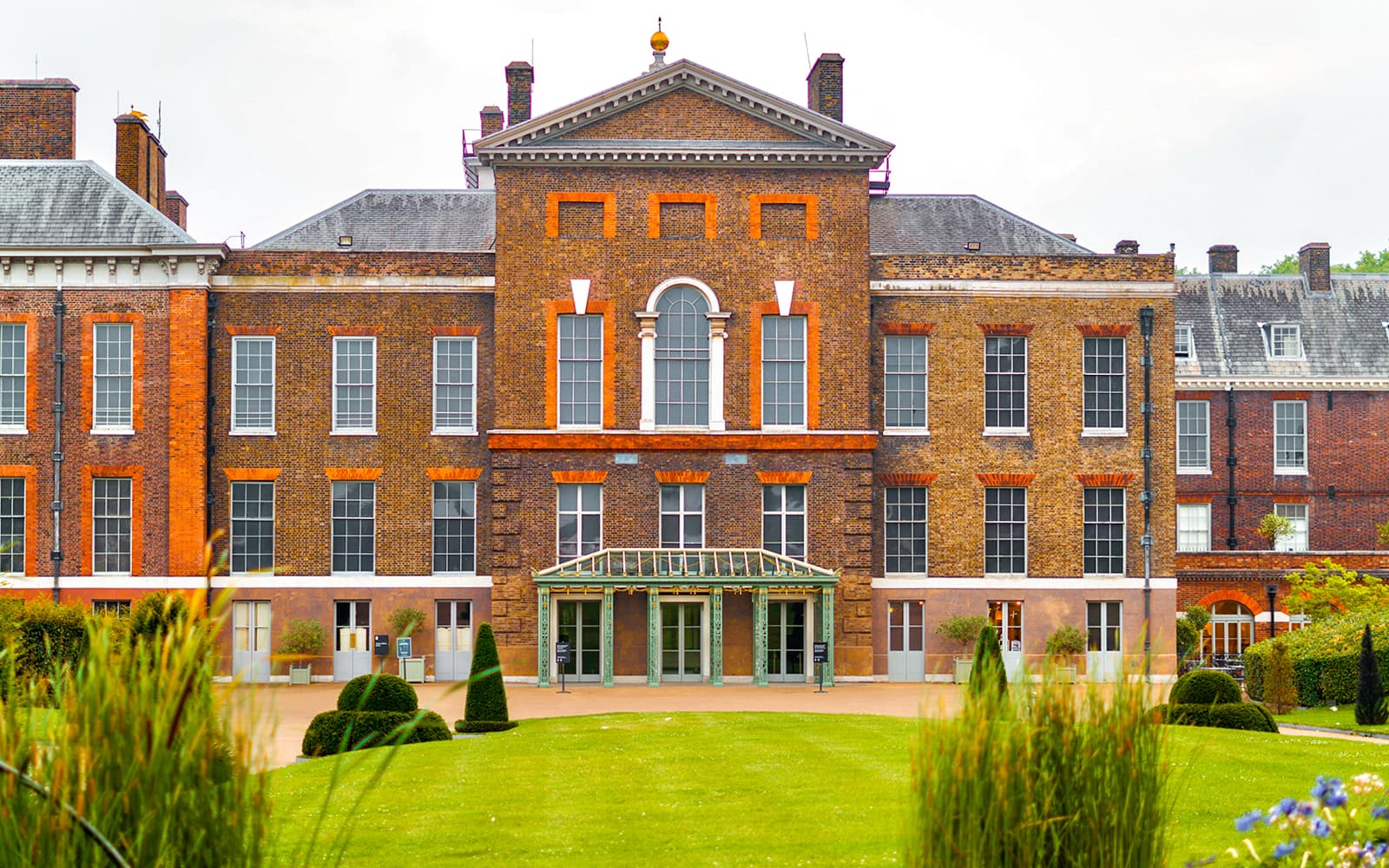
The Elizabeth line is the default for most arrivals: a flat £15.50 ($20) with contactless at any time of day (Transport for London removed the cheaper off-peak Heathrow fare on 1 March 2026), running every 5–10 minutes and threading directly across central London to Paddington, Bond Street, Tottenham Court Road, Farringdon, Liverpool Street and Canary Wharf. For a hotel near any of those, it beats the Express door to door because there is no change. Paddington itself puts you on the northern edge of Hyde Park and Kensington Gardens, a short ride from the West End.
The Heathrow Express is the fastest to Paddington at 15 minutes, but it only reaches Paddington. Its walk-up single is £25 ($32) — among the priciest airport rail fares in Europe — though an advance single drops to £10 ($13) if you book at least 30 days ahead for a fixed train, which can undercut the Elizabeth line. Children aged 15 and under travel free, which tilts the sums towards the Express for families. Note that tapping contactless charges the full walk-up fare, so the £10 ($13) saving only exists if you book online in advance. The Piccadilly line is the cheapest at £5.90 ($7.50) but takes around 50 minutes on older trains with limited luggage space — fine travelling light, less so with a full case in summer.
By road — taxi, transfer and the drop-off charge
A black cab from the rank is metered and typically runs £50–£100 ($64–$128) to central London over 45 to 75 minutes depending on traffic. A booked private transfer fixes the price in advance and puts a driver at the arrivals barrier — the easier choice with heavy luggage, a group, or a flight landing after the trains thin out. The private transfers and car hire on Travjoy are researched and approved by local experts, so you can arrange a fixed-price, meet-and-greet ride before you fly through Heathrow airport transfers and car hire rather than joining a taxi queue on arrival.
If someone is dropping you off, know the numbers: the terminal drop-off charge rose to £7 ($9) per visit on 1 January 2026 and now carries a 10-minute maximum stay, enforced by number-plate cameras across all four terminals. Miss the payment (due by midnight the next day) and the penalty is £80, reduced to £40 if paid within 14 days. To skip the charge entirely, use the free Park & Ride car park at your terminal and take the free shuttle — it adds a few minutes but costs nothing.
Fast Track, Timing and Getting Through Smoothly
How early you need to arrive is set by your airline, not the airport, but Heathrow's own guidance is a sensible floor: around 2 hours before a short-haul European flight and 3 hours before a long-haul departure, more in peak periods. Add your journey time from the city on top, because those are terminal-arrival targets, not departure times, and airline bag-drop cutoffs are strict.
Fast Track security and arrivals
Heathrow's Fast Track gives you a dedicated, shorter security lane. You can buy it from around £12.50–£12.99 ($16–$17) per person on the Heathrow website, in one-hour slots between 06:00 and 21:00, and it is included automatically with most premium cabins, top alliance tiers, and a Heathrow Express Business First ticket. There is also a separate Fast Track Arrivals product for a dedicated lane at passport control on landing — useful if you are not eligible for the eGates and want to reach the border faster.
Reality check: the small things that save the most time
- Security is quicker than it used to be — the terminals running CT scanners let you leave liquids up to two litres and your laptop in your bag. Do not slow the lane by unpacking to the old 100ml rule.
- Fast Track buys priority, not a guaranteed queue time; on a calm mid-morning it may save little, on a Friday-evening long-haul wave it earns its cost.
- Confirm your terminal the night before and again on the morning — a wrong-terminal arrival can cost you 30–45 minutes.
- Once you land, having a sightseeing pass sorted means you walk straight into your first stop; a London Pass covers dozens of the headline attractions on one ticket.
Planning It All Together
Heathrow rewards a little routing. Confirm your terminal, decide how you will reach a lounge, know whether the Elizabeth line or the Heathrow Express suits your hotel, and treat the airside shopping as a collect-and-go rather than a browse-and-decide. Get those four calls right and the busiest airport on earth becomes a calm start or a soft landing rather than a scramble. For anything you want to line up before you fly — a fixed-price transfer, a sightseeing pass, or a first day already mapped — the options on Travjoy are researched and approved by local experts, so you can book with confidence. Start planning what to do the moment you land with our top 20 London experiences, and explore the rest of the city at Travjoy London.






.svg&w=1920&q=75)