

Getting Around London: Tube vs Taxi and the Complete Public Transport Guide for Discerning Travellers (2026)
8 min read
Key Highlights
- Tap a contactless card or phone straight onto the yellow reader — no Oyster card needed — and fares match Oyster while you skip the £10 card fee.
- The Zone 1–2 daily cap is £8.90 (about $12), frozen until March 2027, so unlimited central tube, bus, DLR and Overground travel costs less than one short taxi.
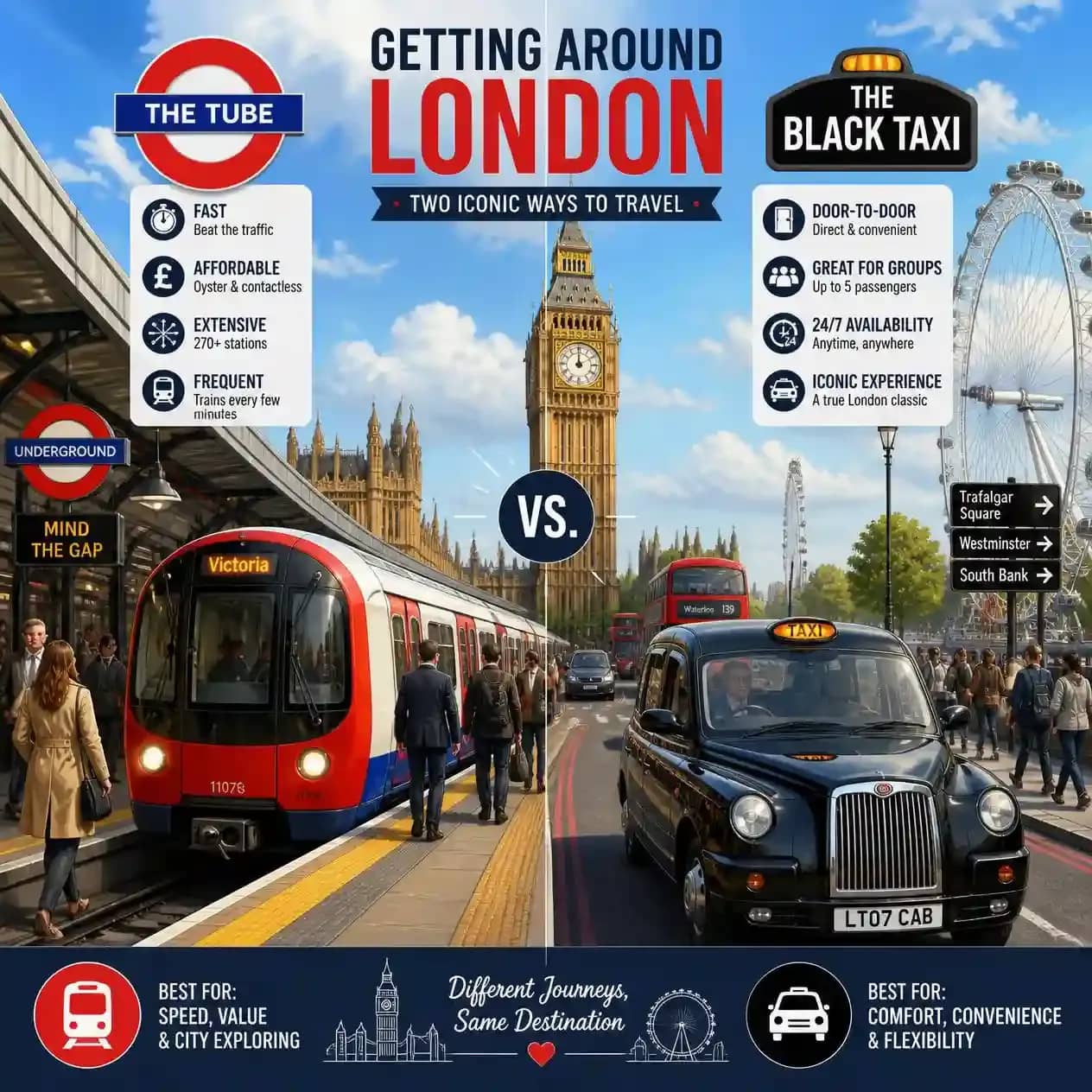
- Across central London the tube usually beats a taxi on both cost and time; a black cab or app car earns its place for late nights, heavy luggage or step-free door-to-door.
- Three 2026 changes reshaped the maths: 20% VAT on Uber and Bolt, a higher £4.40 black-cab minimum, and an £18 congestion charge that makes driving yourself a non-starter.
- One card or phone for the whole day is the single rule that protects your fare cap — mixing payment methods quietly breaks it.
For getting around London, tapping a contactless card or phone on the tube, bus, DLR and river bus is the fastest and cheapest way to move for almost every trip, with fares capped at £8.90 (about $12) a day across Zones 1–2. A black cab or an Uber/Bolt is worth paying for on late nights, with luggage, or when you want a step-free door-to-door ride — but for routine central hops the Underground wins on both price and speed. Once you know the handful of rules that actually matter, London's network is one of the easiest in the world to use.
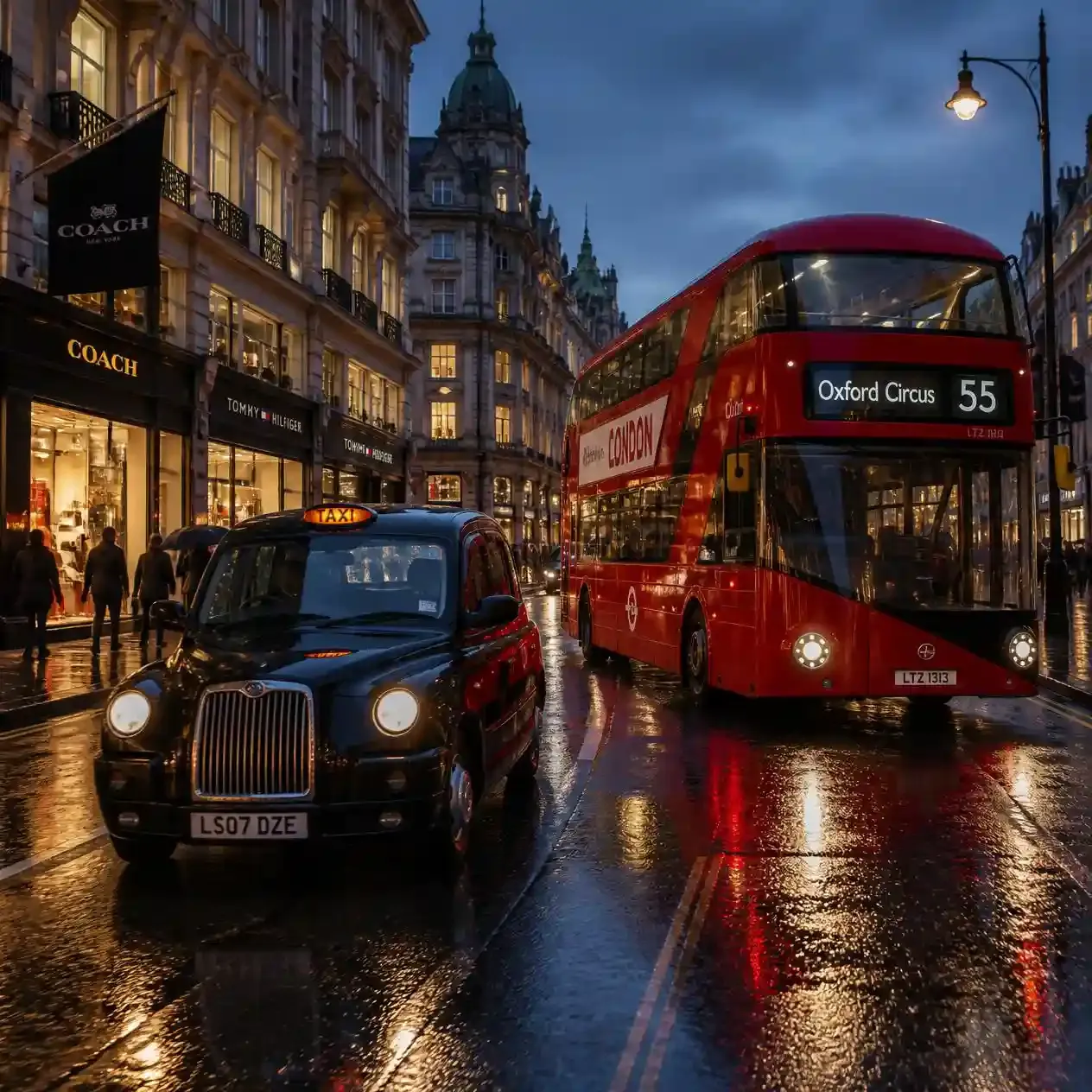
Picture yourself at a Zone 1 gateline with two ways to cover the same two miles. One is a nine-minute tube ride that costs a few pounds. The other is a black cab that will crawl the same distance in twenty-five minutes of traffic and charge you five times as much. That single choice, repeated across a trip, is what separates travellers who move through London with ease from those who spend their days stuck at red lights.
This guide settles the tube-versus-taxi question and maps the whole network — how to pay in 2026, what each mode is best for, the real cost of a cab, and how to reach the airports, the river and the outer city without friction. Every option that Travjoy features across experiences across London assumes you can get to it smoothly, so this is the practical layer beneath the itinerary.
The recommendations here are researched and approved by local experts, so you can plan how you'll move before you land rather than working it out on the platform. Read on for the decision, the payment rules, and the network at a glance.
Is the tube or a taxi better for getting around London?
For most journeys inside the city, the tube is the better choice on cost, speed and predictability — a taxi wins only in specific situations. The Underground and the wider tap-to-pay network move you across central London faster than any car during the day, because a train under the streets ignores the traffic that a cab sits in. The honest test for getting around London is not brand loyalty but the trip in front of you.
When the network wins
Choose the tube, bus, DLR or river bus when you're travelling in daylight, when your route runs through congested central zones, and when you want a fare you can predict to the penny. The daily cap means a whole day of hopping between sights costs less than a single two-mile cab ride in traffic. It is the default for a reason.
When a taxi is worth it
A black cab or a booked car earns its place in a narrower set of cases:
- Late at night, when lines have closed and you want a direct door-to-door ride
- With heavy luggage, small children, or mobility needs that make stairs and escalators hard
- For a short group hop where splitting one fare three or four ways beats four separate journeys
- When you simply value stepping straight into a car over walking to a station
Reality check: the meter charges you for traffic
- A London black-cab meter switches from charging by distance to charging by time whenever the cab drops below roughly 10.4 mph.
- In central traffic that means the meter keeps ticking while you sit still — the same trip can cost £45 at 10am on a Tuesday and £75 at 7pm on a Friday.
- This is the core reason the tube beats a taxi in the centre by day: a train has no traffic to sit in.
How to pay — contactless vs Oyster vs Travelcard (2026)
The simplest answer for a visitor is to tap your own contactless bank card or phone on the yellow reader and do nothing else. It charges the same fares as an Oyster card, applies the daily cap automatically, and saves you the £10 fee for buying an Oyster you'd then have to top up. For a stay of one to seven days, contactless is the cleanest way of getting around London.
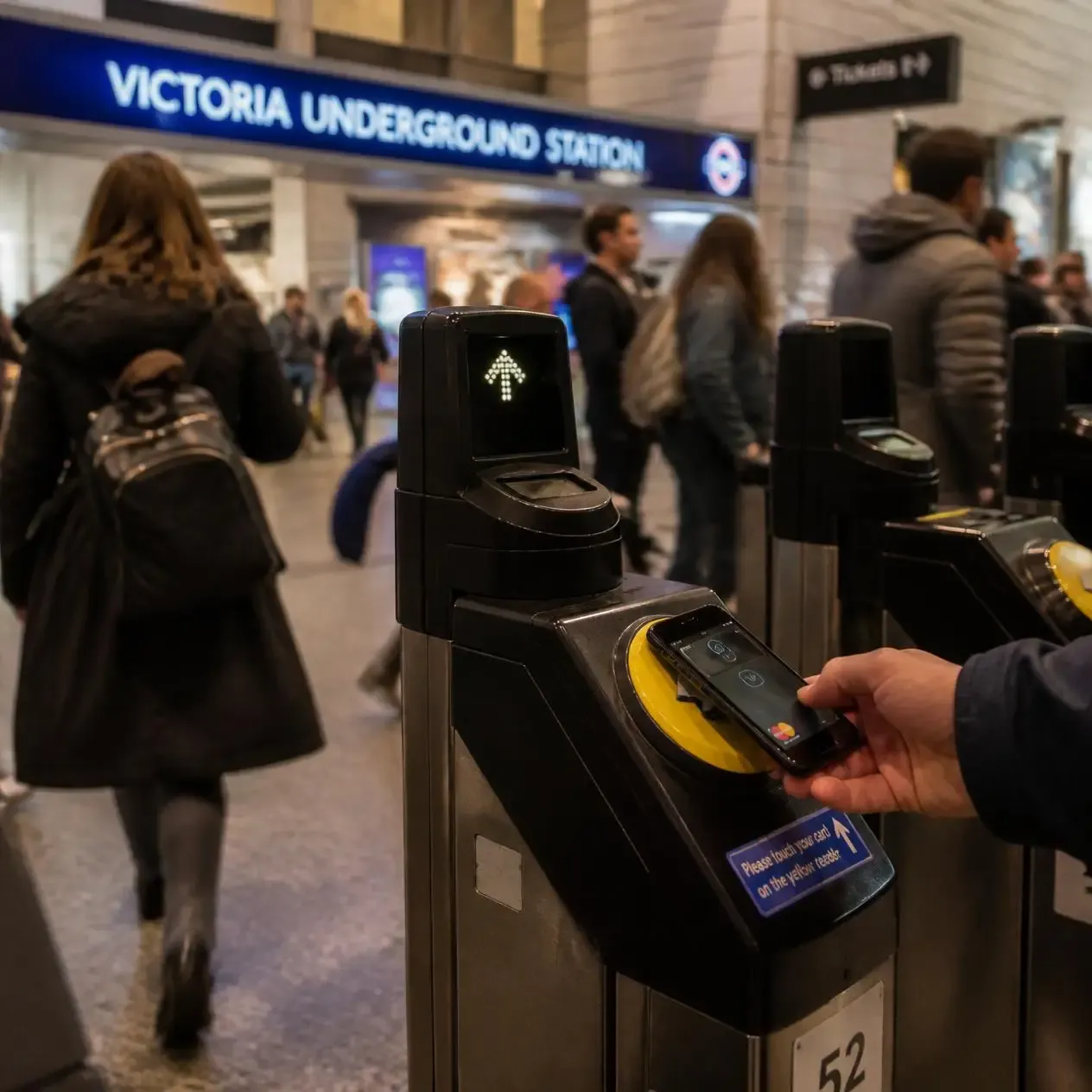
What a journey actually costs
Pay-as-you-go fares on contactless and Oyster are identical, and both are far cheaper than paper tickets. As of 2026:
- Single tube journey within Zone 1: £3.00 off-peak / £3.10 peak (about $4.05 / $4.20)
- Paper single for the same trip from a machine: £7.00 (about $9.45) — roughly double, so never buy paper
- Bus or tram single: £1.75 (about $2.35), with a Hopper fare giving unlimited buses within one hour
- Peak hours are 06:30–09:30 and 16:00–19:00 on weekdays; everything else is off-peak
The daily and weekly caps
The cap is the number that matters most, because once you hit it the rest of the day is free. These 2026 caps are frozen until March 2027:
- Zones 1–2: £8.90 a day (about $12) — the figure that covers almost all central sightseeing
- Zones 1–3: £10.50 (about $14); Zones 1–4: £12.80 (about $17); Zones 1–6: £16.30 (about $22)
- Buses and trams only, all day: capped at £5.25 (about $7)
- The weekly cap kicks in automatically on contactless from Monday to Sunday — useful on a longer stay
When Oyster still makes sense
Contactless is best for most visitors, but a Visitor Oyster or standard Oyster is the better tool if you want a Railcard discount applied to pay-as-you-go, if you're travelling with a child who needs their own card, or if you'd simply rather keep travel spend separate from your bank card. The fares are the same either way; it's the discounts and the separation that tip the choice.
The London network at a glance — tube, bus, DLR, Overground, Elizabeth line and river
London is not one system but several that share a single tap-to-pay layer, and knowing what each is best for is half of getting around London well. The tube is fastest across the centre; buses are best for short hops and for seeing the city at street level; the river turns a transfer into a view. They all take the same card.
What each mode is best for
- Underground (tube): fastest for medium and long central journeys; a new Piccadilly line fleet begins arriving through 2026
- Buses: best for one to three stops and for staying above ground; the Hopper fare makes chained short trips excellent value
- DLR: driverless light rail serving Docklands, Greenwich and the east — grab a front seat for the view
- Overground and Elizabeth line: fast, spacious rail across and around the city, ideal for reaching outer neighbourhoods
- River bus (Uber Boat by Thames Clippers): the calm, scenic way east–west, though river fares sit outside the daily cap
Walk the centre — Zone 1 is smaller than it looks
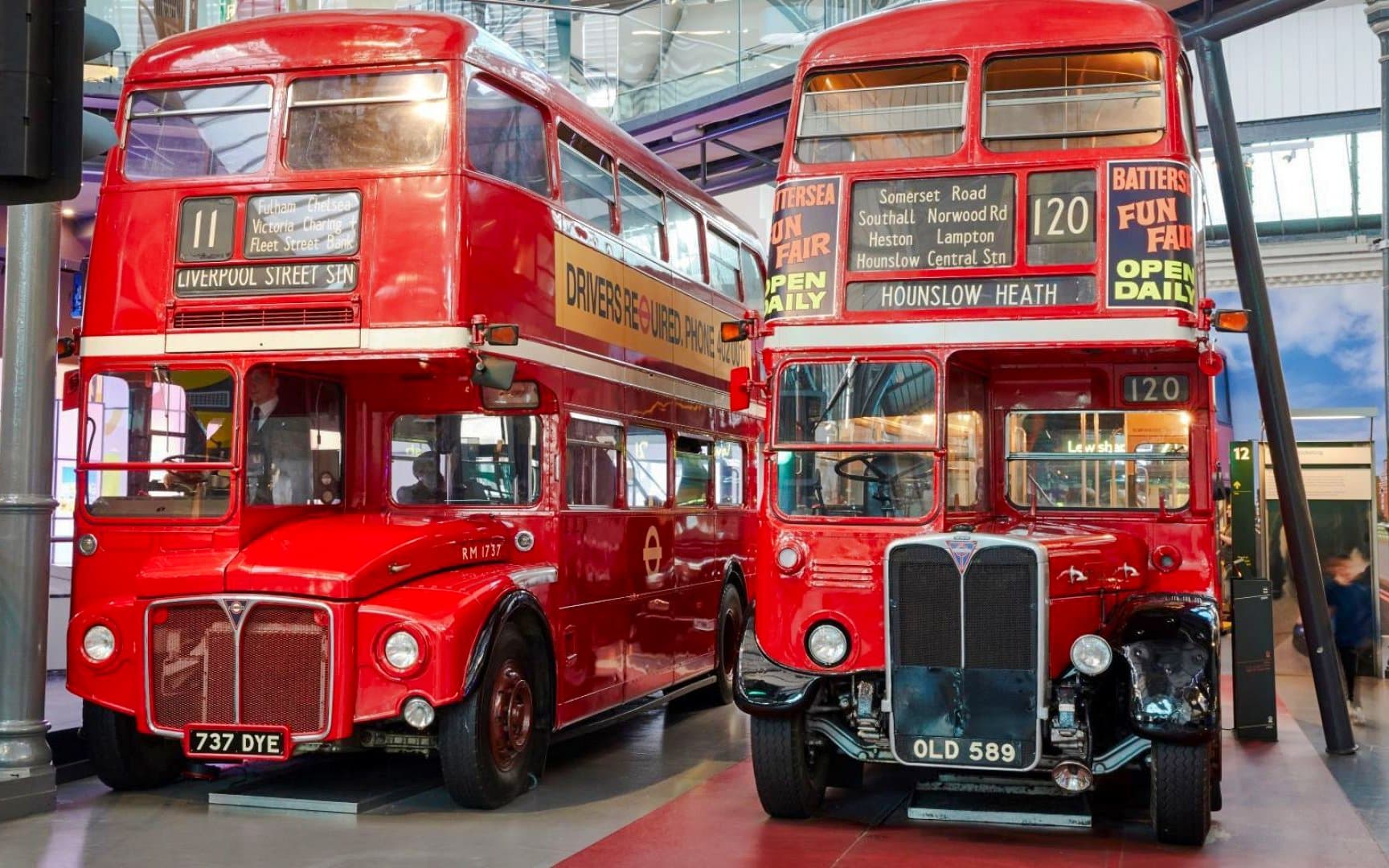
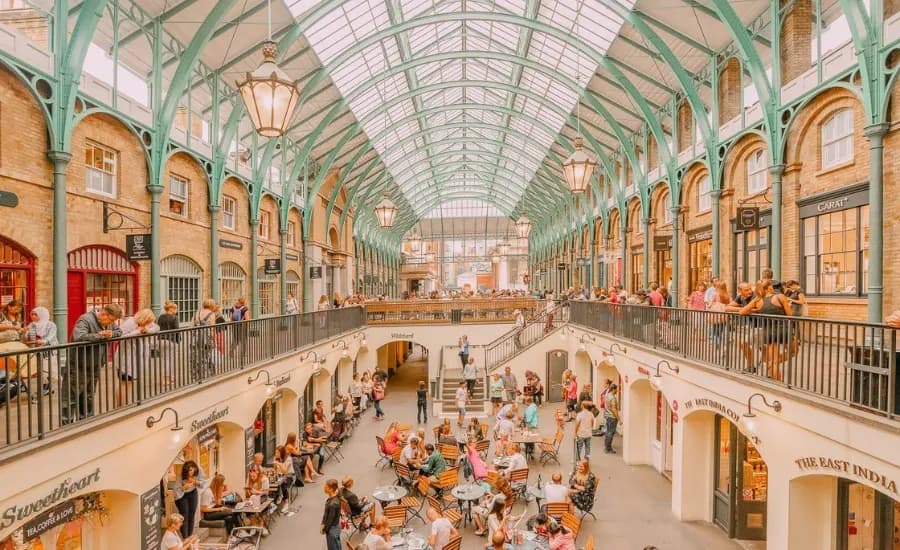
Walking is an underrated part of getting around London. Many "tube" journeys in Zones 1–2 are ten to twenty-five minutes on foot once you count waiting and station corridors. From Covent Garden you can reach Soho, the river and Trafalgar Square on foot faster than by train, and you see the city while you do it. For a grounding in how the network grew — and a good rainy-hour stop — the London Transport Museum sits right on the piazza. If you'd rather have the routing handled for you, a hop-on hop-off or guided tour covers the icons without a single decision about zones.
Reality check: pink readers and the same-station trap
- If your route lets you avoid Zone 1, touch the pink card readers on the platform mid-journey — it's the most commonly missed saving on the network.
- Tap in and out at the same station within about 30 minutes and you'll be charged a minimum fare; after 30 minutes, two maximum fares.
- At complex interchanges (Bank/Monument, Paddington to the Elizabeth line) you sometimes leave and re-enter — do it promptly so the system reads it as one journey.

London tube vs taxi — the real cost breakdown
On a like-for-like central trip, the tube costs a few pounds and a taxi costs five to ten times more — but the gap narrows at night, in a group, or when you factor in what a cab saves you in effort. The three London taxi options price very differently, and 2026 changed the maths for all of them. Here is how the modes compare on a typical two-to-three-mile central journey, with dual pricing at roughly £1 = $1.35.
| Mode | Typical central trip | Price (GBP / USD) | Best for |
|---|---|---|---|
| Tube / rail (contactless) | Single Zone 1; capped per day | £3.00–£3.10 single; £8.90 daily cap / ~$4–$4.20; ~$12 | Fast, predictable central travel by day |
| Bus | Single; capped per day | £1.75 single; £5.25 daily cap / ~$2.35; ~$7 | Short hops and street-level sightseeing |
| Black cab (metered) | ~3 miles, daytime | £12–£18 / ~$16–$24 (£4.40 minimum) | Curbside hailing, no app, exempt from charges |
| Uber / Bolt (app) | ~3 miles, off-peak | £9–£14 / ~$12–$19 (surges 1.5–3x) | Off-peak short hops, outer areas |
| Pre-booked minicab (fixed) | City hop / airport transfer | £14–£20 city; from £45 airport / ~$19–$27; from ~$61 | Price certainty, airports, groups |
| River bus (Uber Boat) | Single, pier to pier | From £6.20 / ~$8.40 (outside the daily cap) | Scenic east–west, avoiding the crowds |
The three 2026 changes that matter
The taxi landscape shifted this year, and outdated guides will steer you wrong. Three things changed:
- 20% VAT on Uber and Bolt from 2 January 2026 pushed app fares up roughly 15–20% overnight, narrowing their old advantage over black cabs.
- The black-cab minimum fare rose to £4.40 from 25 April 2026, with per-mile rates from about £4.10 in the day to £5.25 late at night.
- The congestion charge rose to £18 a day from 2 January 2026 (plus £12.50 ULEZ for non-compliant cars) — which is why driving yourself through the centre makes no sense as a visitor.
Black cab vs Uber vs minicab
Black cabs are the only vehicles you can legally hail on the street, run on a fixed TfL meter that never surges, and are exempt from the congestion charge and ULEZ. Uber and Bolt are usually a little cheaper off-peak but move with demand. A pre-booked minicab quotes one fixed price that already includes VAT and any charges — which is why it's the value pick for airports and longer runs, and worth arranging through licensed private transfers and car hire rather than a car touted on the street.
Reality check: surge reverses the "Uber is cheaper" rule
- Off-peak, an app car often undercuts the black-cab meter by a few pounds on a short hop.
- The moment demand rises — rush hour, Friday and Saturday nights, rain, events, or a tube strike — surge of 1.5x to 3x can push it past the regulated meter.
- Open both apps and check the live quote against a cab; the regulated meter is the one price that won't jump on you.
Airports, late nights and the river — getting around beyond the centre
Beyond Zones 1–2, getting around London shifts toward rail for airports, night services after the tube closes, and the river for anywhere along the Thames. Each has a 2026 quirk worth knowing before you travel, and none of them requires a car of your own.
Reaching Heathrow and the other airports
From Heathrow you have a clear ladder of options by speed and price:
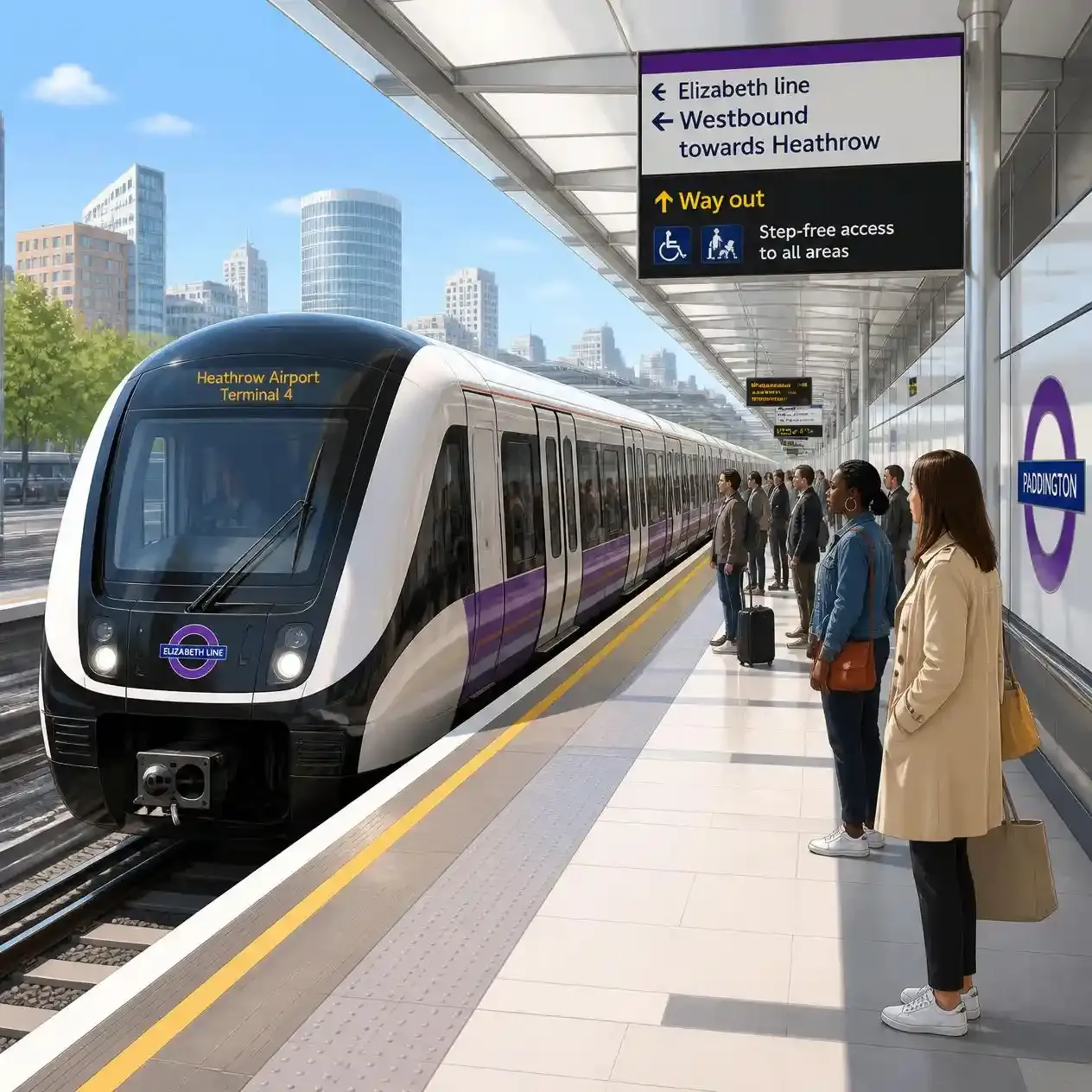
- Elizabeth line: about £15.50 to central London, spacious and step-free, sitting outside the standard daily cap
- Piccadilly line: standard zonal tube fare, the cheapest route if you're not in a hurry (a new fleet is arriving through 2026)
- Heathrow Express: fastest at around 15 minutes, priced separately and not covered by caps or Travelcards
- Pre-booked minicab: a fixed fare from about £45 (roughly $61), versus £75–£110 by metered black cab or £55–£85 on Uber before surge
Getting home after the tube closes
On Friday and Saturday nights the Night Tube runs all night on five lines — the Victoria, Central, Jubilee, Northern and Piccadilly — at off-peak fares, roughly every 10–20 minutes from around midnight to 5.30am. On every other night, frequent night buses cover the city on major routes at the capped bus fare, and licensed black cabs and app cars fill the gaps, though late-weekend fares climb. Check which Night Tube branch serves your area before you head out, since not every branch runs overnight.
The river as transport
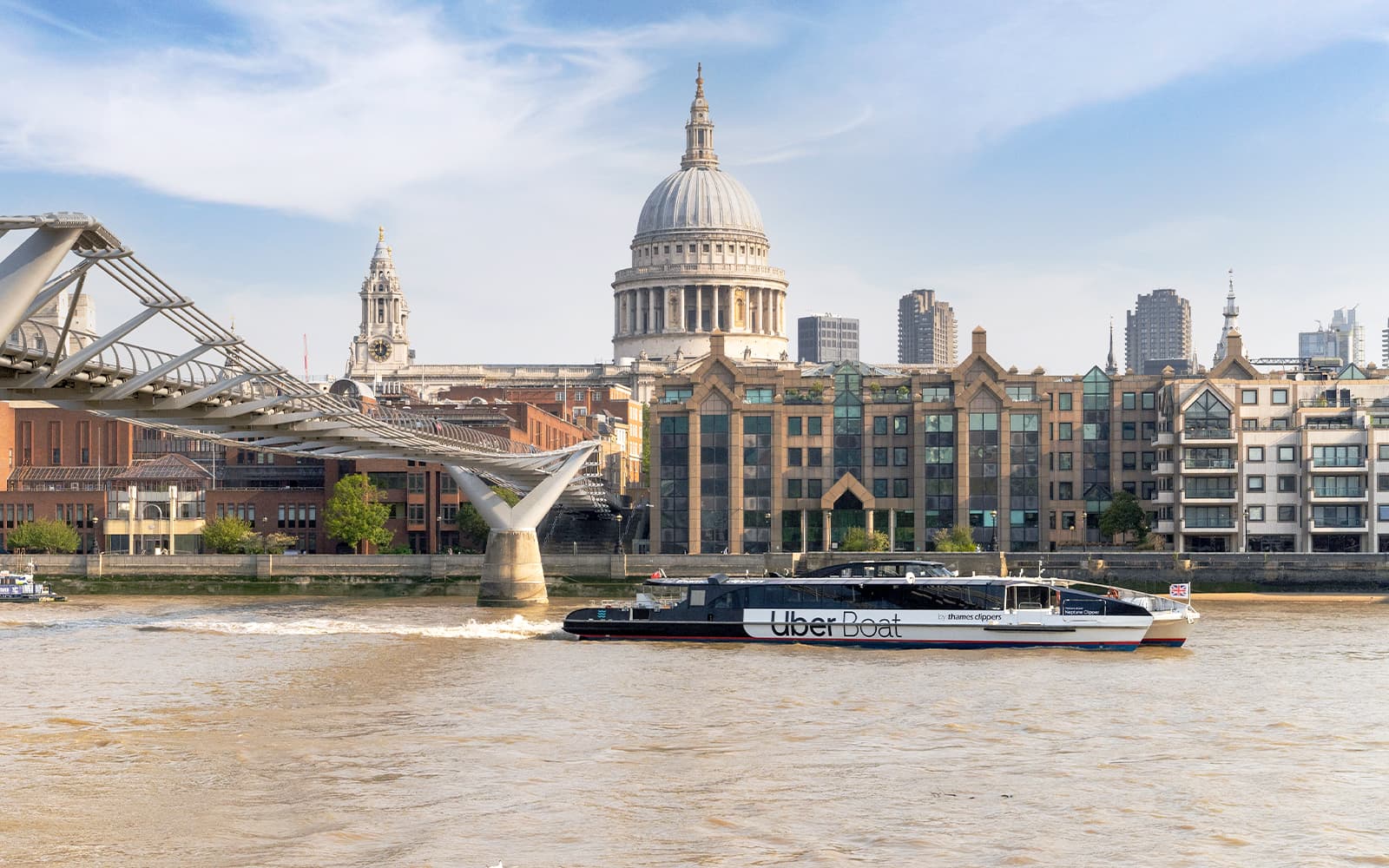
The Uber Boat river bus is the most pleasant way to move east–west, tapping in with the same contactless card at the pier. It's the elegant way to reach Greenwich and the maritime quarter, gliding past Tower Bridge and Canary Wharf instead of tunnelling under them.
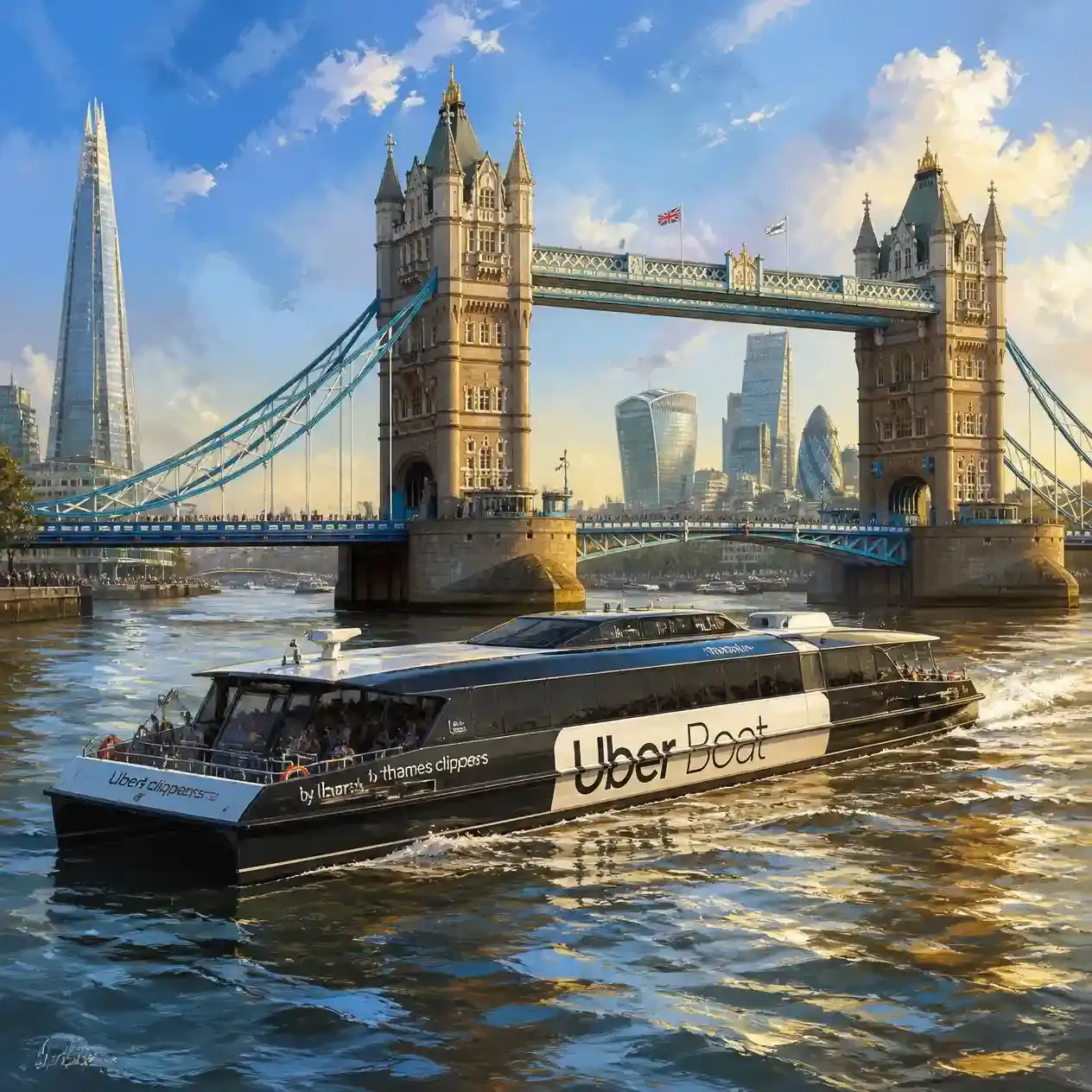
Reality check: the river isn't capped, and one Greenwich route is disrupted
- River-bus fares sit outside the TfL daily cap, so a boat trip is charged on top of your tube spending — worth it for the view, but budget it separately.
- The DLR's Cutty Sark station is closed into spring 2026 for works, so for Greenwich by rail, alight at Greenwich or Maze Hill, or simply take the boat.
- Buying river tickets in the app rather than at the pier can save up to a third if you're planning several crossings.
Which option should you choose?
Match the mode to the traveller, not the other way around — the right answer differs for a first-timer, a family, a business traveller and a night owl. Use these as quick, if-then rules for getting around London.
- First visit, sightseeing by day: tap contactless, live on the tube and buses, and let the £8.90 cap do the work. Add one river trip for the view.
- Family with young children or a buggy: favour buses (step-free and pram-friendly) over the tube's stairs, and take a booked car for luggage-heavy transfers.
- Luxury or business, time over cost: a black cab for spontaneous door-to-door, and a pre-booked executive car for airport runs and anything on a schedule.
- Late night out: plan around the Night Tube on Fridays and Saturdays; otherwise a night bus or a booked car, not a cab flagged in hope.
- Step-free needs: the Elizabeth line, buses and the river are your friends; central tube stations are the exception for lifts, not the rule.
Reality check: never take a car touted on the street
- Only a black cab with its yellow "TAXI" light lit can legally be hailed on the street.
- Anyone approaching you offering a "minicab" or "Uber" on the pavement is touting — the ride is uninsured for passengers.
- Always pre-book private hire through a licensed operator, or use the Uber/Bolt app so the car and driver are logged.
Plan how you'll move before you land
The short version: for getting around London, tap one contactless card or phone, live on the tube and buses by day, and keep a taxi for the moments that call for one — late nights, luggage, and step-free comfort. Let the daily cap protect your budget, use the river for the view, and book airport transfers ahead for a fixed price. Get the payment and the network right and the city opens up with almost no friction.
Every experience on Travjoy is researched and approved by local experts, so once you know how you'll move, the planning gets simple. Start with London's top 20 experiences and build your days around the network you now understand.




.svg&w=1920&q=75)