




Chilli Crab Singapore: Best Restaurants & How to Eat It
16 min read

Author
SHARE BLOG
TABLE OF CONTENTS
- What Is Chilli Crab — and What Makes It Distinctly Singaporean?
- Is Chilli Crab Worth It in Singapore?
- Best Chilli Crab Restaurants in Singapore
- Chilli Crab Price in Singapore: What to Budget in 2026
- How to Eat Chilli Crab in Singapore
- Chilli Crab vs Black Pepper Crab: Do You Need to Choose?
- Which Chilli Crab Restaurant Should You Choose?
- Practical Tips Before You Go
- The Full Chilli Crab Experience: What to Expect
- Plan Your Singapore Trip Around the Meal
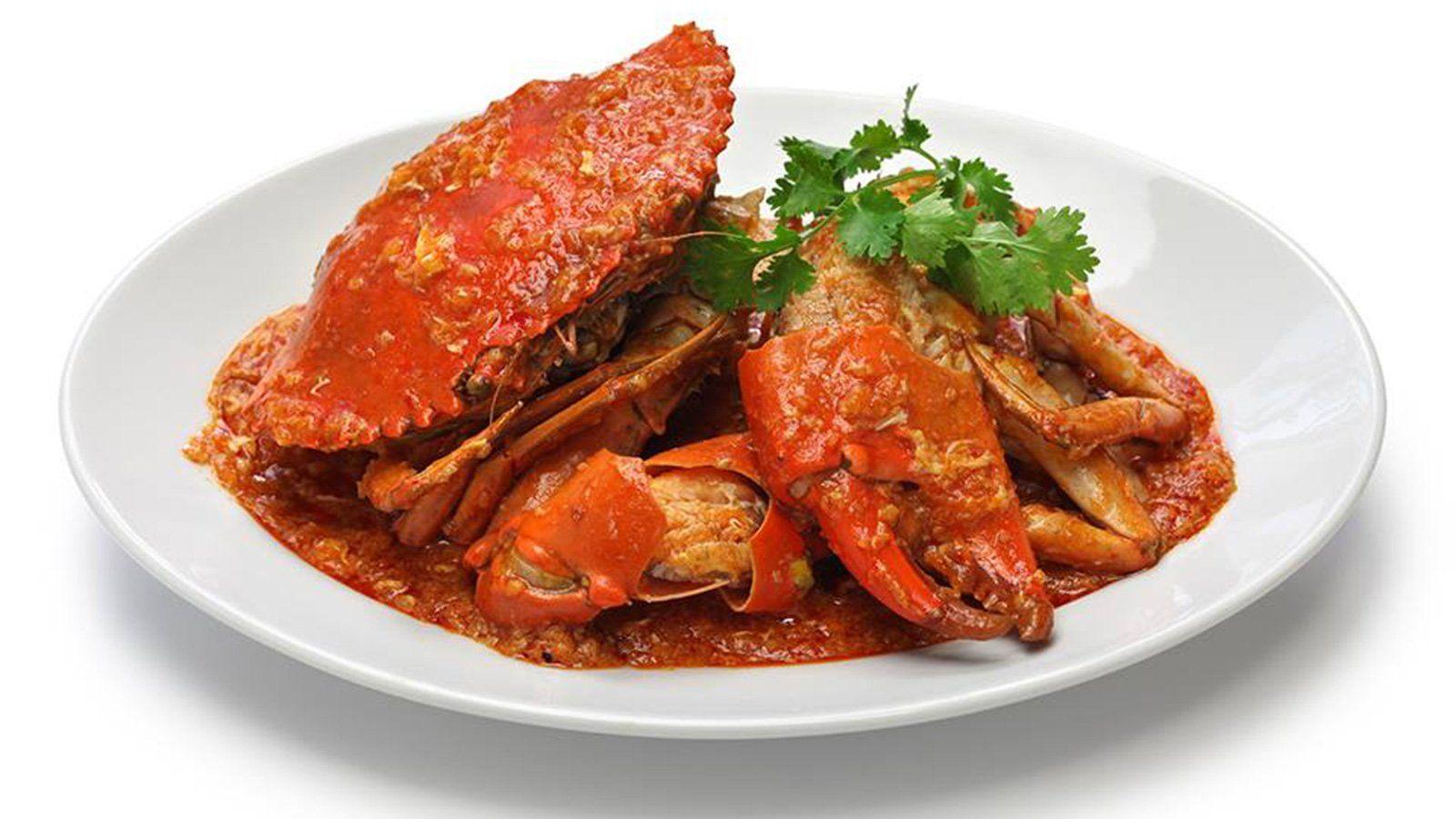
- Chilli crab is Singapore's national dish — a whole mud crab stir-fried in a sweet-spicy tomato and egg gravy, always served with fried mantou buns for dipping.
- Most sit-down seafood restaurants price crab by weight: expect SGD 80–100 per kg (~USD 59–74) for Sri Lankan mud crab in 2026.
- Book ahead — the best restaurants fill up fast on weekends; arrive before 6.30pm or book at least two days in advance for weekend dinners.
- Always order mantou: the sauce is the best part of the meal, and you need something to soak it up properly.
- A full meal for two — crab, mantou, one side dish, drinks — typically costs SGD 100–150 (~USD 74–110).
Chilli crab in Singapore costs SGD 80–100 per kg at most sit-down seafood restaurants, with a full meal for two typically running SGD 100–150 (~USD 74–110) including mantou and a side. The dish was invented in the 1950s by Madam Cher Yam Tian, who added tomato ketchup and sambal to stir-fried mud crab — and it has been Singapore's most celebrated plate ever since. Nearly every seafood restaurant does a version; fewer than a dozen get it consistently right. This guide covers the restaurants worth your time, what to budget, and how to actually eat it once it arrives at the table.

What Is Chilli Crab — and What Makes It Distinctly Singaporean?
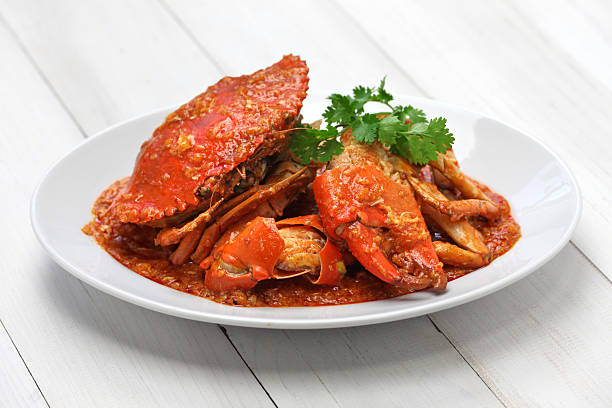
A whole Sri Lankan mud crab — the standard for its dense, sweet flesh — is cracked, then wok-fried in a sauce built from fresh chilli, sambal belachan, fermented bean paste, tomatoes, ketchup, and beaten egg. The egg is stirred through at the end, giving the gravy a slightly thickened, silky texture. The result sits somewhere between spicy, tangy, and savoury, with a faint sweetness that stops it tipping into pure heat.
What makes it specifically Singaporean is the cultural collision baked into the recipe. The wok technique is Chinese. The sambal and belachan come from Malay kitchens. The ketchup arrived with Western trade routes. No single cuisine owns this dish — which is exactly what makes it a fitting symbol for the island. As National Geographic noted, the sauce has evolved over seven decades, now inspiring everything from pasta to soft-serve ice cream — yet the original wok version remains the benchmark.
Every restaurant has a house variation. Some run spicier and sharper. Some lean sweeter, with more tomato. Some add a heavier egg ratio for a thicker, eggier gravy. There is no single "correct" version — which is why your second chilli crab will taste different from your first, and why regulars have strong opinions about which kitchen gets it right.
Is Chilli Crab Worth It in Singapore?
For most visitors, yes — but it helps to arrive with accurate expectations. This is not a street-food experience priced at hawker rates. It is a full sit-down seafood meal that takes time, gets messy, and costs real money. Done at the right restaurant, it is one of the most memorable meals you can have in Southeast Asia.
Worth it if:
- You are visiting Singapore for three or more days and want at least one meal that is distinctly, irreducibly local.
- You are comfortable eating with your hands and enjoy the ritual of cracking shells, extracting meat, and mopping sauce with bread.
- You are dining in a group of two or more — a single crab is rarely enough for one person alone, and the experience scales well with sharing plates.
Not ideal if:
- You are on a one-night stopover — the meal takes at least 90 minutes at a good restaurant, and lines at popular spots on weekends can add another 30–45 minutes.
- You prefer clean, utensil-led dining — chilli crab is genuinely messy, and the provided bibs help but do not fully solve the problem.
- You have a shellfish allergy, or you are travelling with very young children who cannot handle moderate spice.
Best Chilli Crab Restaurants in Singapore
These are the restaurants that consistently deliver — on sauce, crab quality, and overall experience. Each does the dish a little differently. Understanding those differences is what helps you match the right kitchen to your trip.
| Restaurant | Location / Setting | Sauce Style | Price Range (SGD/kg, 2026) | Best For |
|---|---|---|---|---|
| JUMBO Seafood | Clarke Quay / East Coast Seafood Centre | Thick, tangy, balanced — crowd-pleasing | ~SGD 90–100 (~USD 67–74) | First-timers, couples, groups |
| Roland Restaurant | Marine Parade (East Coast) | Original recipe — chilli-forward, less tomato | ~SGD 88/kg (~USD 65) | Heritage seekers, food purists |
| Long Beach Seafood | Robertson Quay / East Coast Seafood Centre | Bold, spicy, higher heat | ~SGD 95–105 (~USD 70–78) | Spice lovers, waterfront dining |
| No Signboard Seafood | Geylang / Esplanade | Classic, reliable — also serves white pepper crab | ~SGD 96–180 depending on size (~USD 71–133) | Night owls, local atmosphere |
| Mellben Seafood | Ang Mo Kio (residential) | Creamy, richer egg base — Michelin Plate recognised | ~SGD 73–91 (~USD 54–67) | Local experience, bee hoon crab fans |
| Keng Eng Kee (KEK) | Bukit Merah / Alexandra Village | Thick, savoury, mild — good viscosity for mantou | ~SGD 100/kg (~USD 74) | Zi char enthusiasts, mid-budget diners |
| Palm Beach Seafood | One Fullerton (CBD waterfront) | Tomato-sweet, tender meat — heritage pedigree | Premium — confirm on arrival | Special occasions, business dining |
JUMBO Seafood — The Reliable Benchmark
JUMBO has been serving chilli crab in Singapore since 1987. Its Clarke Quay outlet overlooks the Singapore River; the East Coast Seafood Centre branch draws as many locals as tourists. The sauce is thick, tangy, and calibrated to a broad palate — not the boldest or most complex version, but consistent. For a first visit, JUMBO is the right choice: no surprises, solid crab quality, and a setting that makes sense of why this dish became famous.
Insider reality check — JUMBO:
- The complimentary peanuts, wet towels, and tea served on arrival at most JUMBO outlets are not free — they will appear on your bill. Tell the staff to remove them if you don't want them.
- Weekend dinner queues at Clarke Quay can stretch to 45 minutes even with a reservation, as the restaurant holds walk-in space. Weekday evenings are noticeably calmer.
Roland Restaurant — The Original Recipe
Roland Restaurant is the most historically significant stop on this list. Justin Lim — the third generation of the Lim family — still runs the kitchen at Marine Parade, cooking from his grandmother Madam Cher Yam Tian's original recipe. The sauce is less tomato-forward than most modern versions: sharper, more chilli-forward, with a heat that builds across the meal. The crabs here are consistently roe-laden, and the black pepper crab is equally well regarded. If heritage matters to you, this is the address.
Long Beach Seafood — For Spice
Long Beach has operated since 1982 and holds a specific reputation for heat. The chilli crab here runs hotter than the Singaporean average — less sweet, more aggressive at the back of the palate. The Robertson Quay location offers waterfront seating; the East Coast Seafood Centre branch is larger and more casual. Long Beach is also credited with inventing the black pepper crab, so ordering one of each at the same meal is a reasonable approach.
Mellben Seafood — The Michelin Plate Local Favourite
Mellben in Ang Mo Kio is the kind of restaurant that locals are slightly reluctant to recommend to tourists — not because the food isn't good, but because it gets busy enough already. The Michelin Plate recognition it earned reflects a genuinely different sauce style: creamier, with a heavier egg ratio and less tomato sharpness than the standard version. The claypot crab bee hoon is the other dish that draws regulars. It is in a residential neighbourhood with no tourist infrastructure around it, which is either a feature or a drawback depending on what you are after.
Chilli Crab Price in Singapore: What to Budget in 2026
Crab is priced by weight at almost every restaurant, and the market rate shifts seasonally. The figures below reflect 2026 pricing for Sri Lankan mud crab — the standard species used for chilli crab — at sit-down seafood restaurants.
- Sri Lankan mud crab (restaurants): SGD 80–100/kg (~USD 59–74). A single crab for two people typically weighs 800g–1.2kg.
- Full meal for two (1 crab + 2 mantou serves + 1 side + drinks): SGD 100–150 (~USD 74–110)
- Hawker centre / budget option (Alliance Seafood at Newton Circus): from SGD 55 per 700g (~USD 41) — smaller crabs, less refinement, but a genuine local atmosphere at Newton Food Centre
- Alaskan King Crab variant: SGD 300+/kg (~USD 222+) — available at premium outlets; dramatically more expensive and a different eating experience entirely
- Mantou (fried buns): SGD 5–8 per serve of 4–6 buns — always order at least one serve per person
- GST and service charge: Add 9% GST plus 10% service charge at most sit-down restaurants — the final bill will be around 19% higher than the menu price
Insider reality check — pricing:
- Always confirm the price per kilogram before the kitchen prepares your crab. Market rates fluctuate, and some restaurants do not display the current price clearly. A quick "what is today's price per kilo?" before ordering is completely normal and expected.
- Restaurants will typically ask which size crab you prefer. Larger crabs (1.2–1.5kg) offer better meat-to-shell ratio and better value per kilogram than the smaller 700–800g options.
How to Eat Chilli Crab in Singapore
The dish arrives whole — shell on, sauce pooling around the base. Most restaurants provide a nutcracker, a small pick, a finger bowl with lime, and a bib. Use all of them.
Step by step
- Start with the claws: Use the nutcracker to crack the main claws. The meat inside is the densest and easiest to extract. Dip directly into the sauce.
- Work the body: Lift the top shell and scrape out the body meat with a spoon or pick. This section often holds roe in female crabs — orange, rich, and worth eating slowly.
- Use the legs: Snap off each leg at the joint, nib the end, and use a chopstick or pick to push the meat out. This takes patience, but the meat in the legs is sweet and worth the effort.
- Mop the sauce: This is not optional. Tear the fried mantou and drag it through the sauce. The bun-to-sauce ratio is something regulars argue about; two or three buns per person is a reasonable starting point.
- Wash as you go: The finger bowl with lime is for mid-meal hand cleaning. Use it. The sauce stains, and the lime helps cut through it.
What to order alongside
Chilli crab works as a centrepiece, not a standalone. The classic additions at local seafood restaurants include sambal kangkong (water spinach in chilli paste), cereal prawns, and yang zhou fried rice. If you are ordering black pepper crab on the same table — which is a reasonable move at Long Beach — space them out; both dishes demand your attention.
Insider reality check — eating:
- Order fried mantou, not steamed. The crisp exterior of the fried version holds up in the sauce without going soggy immediately, giving you more time to eat without the bun disintegrating.
- Some restaurants offer a "de-shelled" crab meat with mantou option — useful if you have limited time or simply prefer not to get your hands dirty. Keng Eng Kee offers this at around SGD 46. The trade-off is that the tactile ritual of cracking the shell is part of what makes the meal memorable.
Chilli Crab vs Black Pepper Crab: Do You Need to Choose?
These are Singapore's two signature crab dishes, and most serious seafood meals include both. The distinction is straightforward: chilli crab is wet, saucy, and built for dipping; black pepper crab is dry-tossed, fragrant, and coats the shell in a dark, cracked-pepper butter glaze. The two styles contrast each other well — one calls for mantou, the other pairs better with fried rice.
If you are ordering both, chill crab usually comes first — the lighter, saucier dish clears the palate before the richer pepper coating. Most restaurants at East Coast Lagoon Food Village and the East Coast Seafood Centre run both on the same menu. Budget accordingly: two crabs for two people will push the meal cost to SGD 180–250 (~USD 133–185).
Which Chilli Crab Restaurant Should You Choose?
The right restaurant depends on what you want from the meal — not just the food, but the setting, the price point, and how much time you have.
- First-time visitors → JUMBO Seafood at Clarke Quay. The Singapore River setting gives the meal a sense of place. The sauce is accessible, the service is practiced at handling international diners, and the overall experience is polished without being stiff.
- Heritage and food history → Roland Restaurant, Marine Parade. This is where the original recipe still lives, cooked by the inventor's descendants. The neighbourhood is not scenic, but that is not the point — the crab is.
- Spice and bold flavours → Long Beach Seafood, Robertson Quay. Waterfront seats, high heat in the sauce, and the bonus of ordering the black pepper crab alongside.
- Local neighbourhood experience → Mellben Seafood, Ang Mo Kio. No tourist infrastructure, Michelin Plate recognition, and a creamy sauce style that stands apart from every other kitchen on this list. Book ahead.
- Budget-conscious → Alliance Seafood at Newton Food Centre. A hawker centre setting with chilli crab from around SGD 55 per 700g. The crabs are smaller and the surroundings are basic, but the dish is honest and the atmosphere is as local as it gets.
- Special occasion dining → Palm Beach Seafood at One Fullerton. CBD waterfront location, marina views, and a menu that has served heads of state. Confirm pricing before ordering — this is the most premium option on the list.
If you would rather skip the research and book with confidence, Travjoy's Singapore experiences are curated after extensive local research and vetted by destination experts — so every local food experience on the platform has already been filtered for quality.
Practical Tips Before You Go
Plan around these:
- Book in advance: All the top restaurants fill up on Friday and Saturday evenings. Reserve at least two to three days ahead for weekends. Weekday evenings rarely require more than 24 hours' notice.
- Timing: Arriving at 6pm — before the main dinner rush hits at 7pm — gets you seated faster and means the kitchen is not under pressure. Avoid the 7.30pm–9pm window on weekends.
- What to wear: The sauce travels. Wear something dark or something you do not mind splashing. The bibs provided cover your front but not your sleeves.
- Crab availability: Sri Lankan mud crabs are the standard, but premium species like Alaskan King Crab are seasonal and priced at market rate. If you want the standard chilli crab experience, ask specifically for mud crab when booking or on arrival.
- Getting there: East Coast Seafood Centre is best reached by taxi or Grab — the nearest MRT stations are a 15–20 minute walk. Clarke Quay and Robertson Quay are MRT-accessible. Newton Food Centre is a two-minute walk from Newton MRT.
- Payment: Most sit-down seafood restaurants accept cards, but confirm before you sit. Some hawker-adjacent spots are cash-preferred.
For a broader view of Singapore's food tour options — including guided hawker centre walks that build context around dishes like chilli crab — Travjoy's Singapore page has curated options across budget levels. Explore the full top 20 Singapore experiences to build your trip around the meal.
The Full Chilli Crab Experience: What to Expect
The meal takes longer than you think. Plan 90 minutes minimum — 30 minutes to get seated and order, 20 minutes for the crab to cook, and at least 40 minutes to eat it properly. Rushing chilli crab defeats the purpose. The best meals happen when the table is relaxed, the mantou keep coming, and no one is watching the time.
The mess is part of it. Sauce will reach places you did not expect. The finger bowls help; the lime in the water cuts through the sticky sauce on your hands. Most regulars bring a second napkin or a small pack of wet wipes regardless of what the restaurant provides.
The experience is also communal by design. A single crab does not comfortably feed one person — it is built for sharing, and the ritual of cracking and passing pieces across the table is as much the point as the eating. If you are travelling solo and determined to try it, a zi char restaurant or Newton Food Centre is the most practical setting — smaller portions, lower cost, and no pressure to order a full kilogram.
Plan Your Singapore Trip Around the Meal
Chilli crab works best as a dinner anchor — plan the earlier part of the day around walking distance of your chosen restaurant, or build in a Grab ride. The East Coast area, where Roland Restaurant and Long Beach Seafood both sit, is also home to East Coast Park and a long stretch of seafood restaurants along the Seafood Centre. A late afternoon walk followed by a 6.30pm crab dinner is a well-tested Singapore evening.
Singapore's food scene runs deep beyond the crab. Explore everything Singapore has to offer — from hawker centre crawls to Michelin-starred tasting menus — and build a trip that gives the chilli crab dinner the context it deserves.
Plan Your Visit (FAQ's)
.svg&w=1920&q=75)



POWERED BY REAL EXPERTS
Adeline Ee
Local Expert -

Planning Your Singapore trip? TravJoy Recommends the Best for You


