



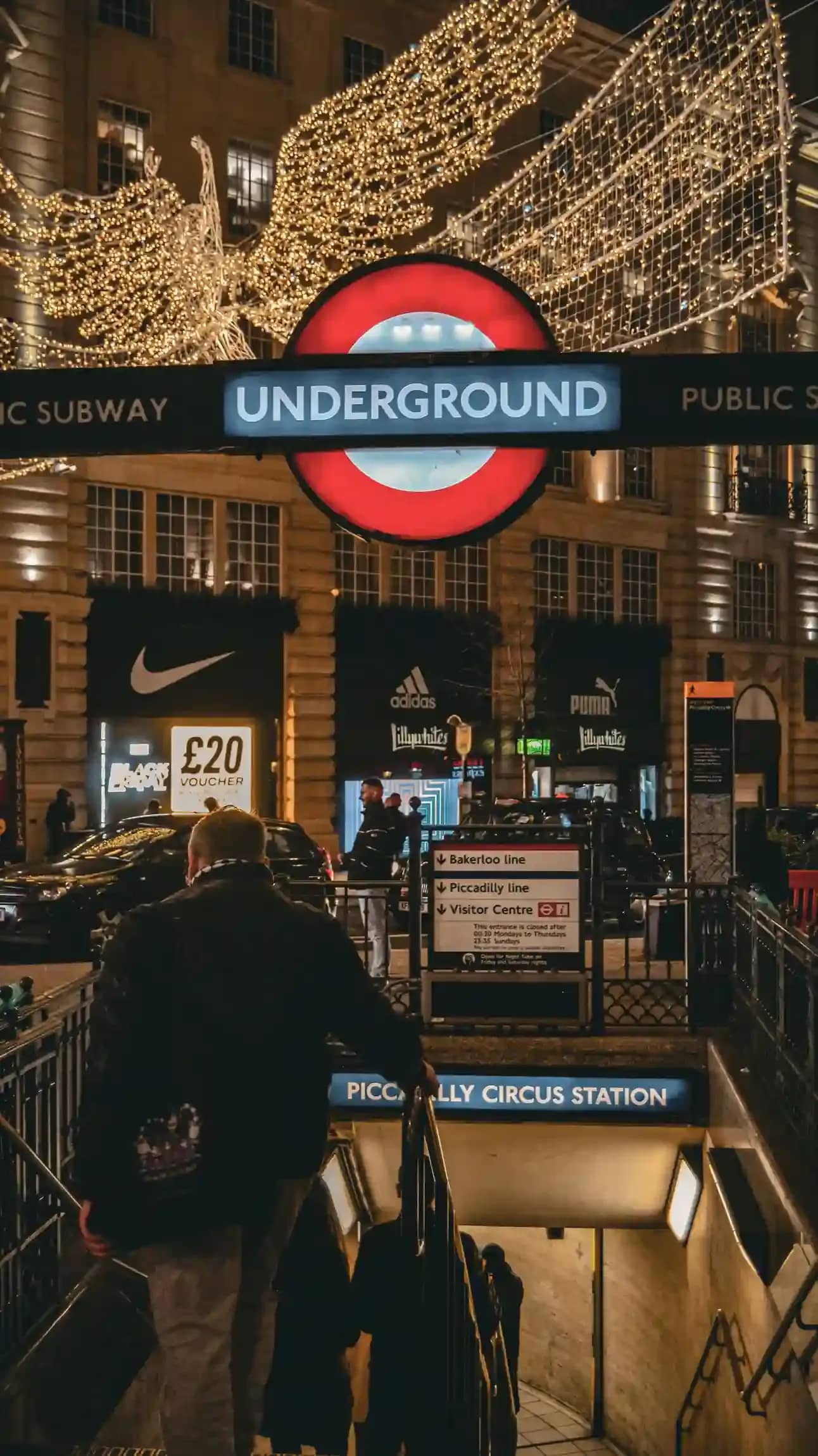
Charing Cross Underground Shopping Concourse: A Complete Guide to the Interchange, the Lost Arcade and What's Worth Your Time
8 min read
Key Highlights
- The name on Google Maps points to a transport interchange, not a working shopping mall — the old retail subway under the Strand has been permanently closed and converted to non-retail use.
- The Underground station (Bakerloo and Northern lines) and the under-forecourt route to the mainline platforms stay open and busy; it is the separate Strand arcade that has gone.
- The one underground experience worth planning around is the Hidden London tour of the station's disused Jubilee-line concourse and platforms — a real film set for Skyfall and Paddington.
- Some of London's best shopping sits a few minutes' walk away — Covent Garden, the Strand and Regent Street — rather than in any basement below.
- The mainline station closes for engineering works from 26 July to 16 August 2026; plan around it if you are arriving by Southeastern train.
The Charing Cross Underground Shopping Concourse is the underground interchange beneath Charing Cross station, not a shopping centre — the quirky retail subway that once ran under the Strand has been permanently closed and converted. What remains is a busy Tube and mainline interchange, a few station shops, and a quick route up to Trafalgar Square. The genuine reasons to come are the Hidden London tour of the station's disused tunnels and the shopping and galleries within a few minutes' walk.
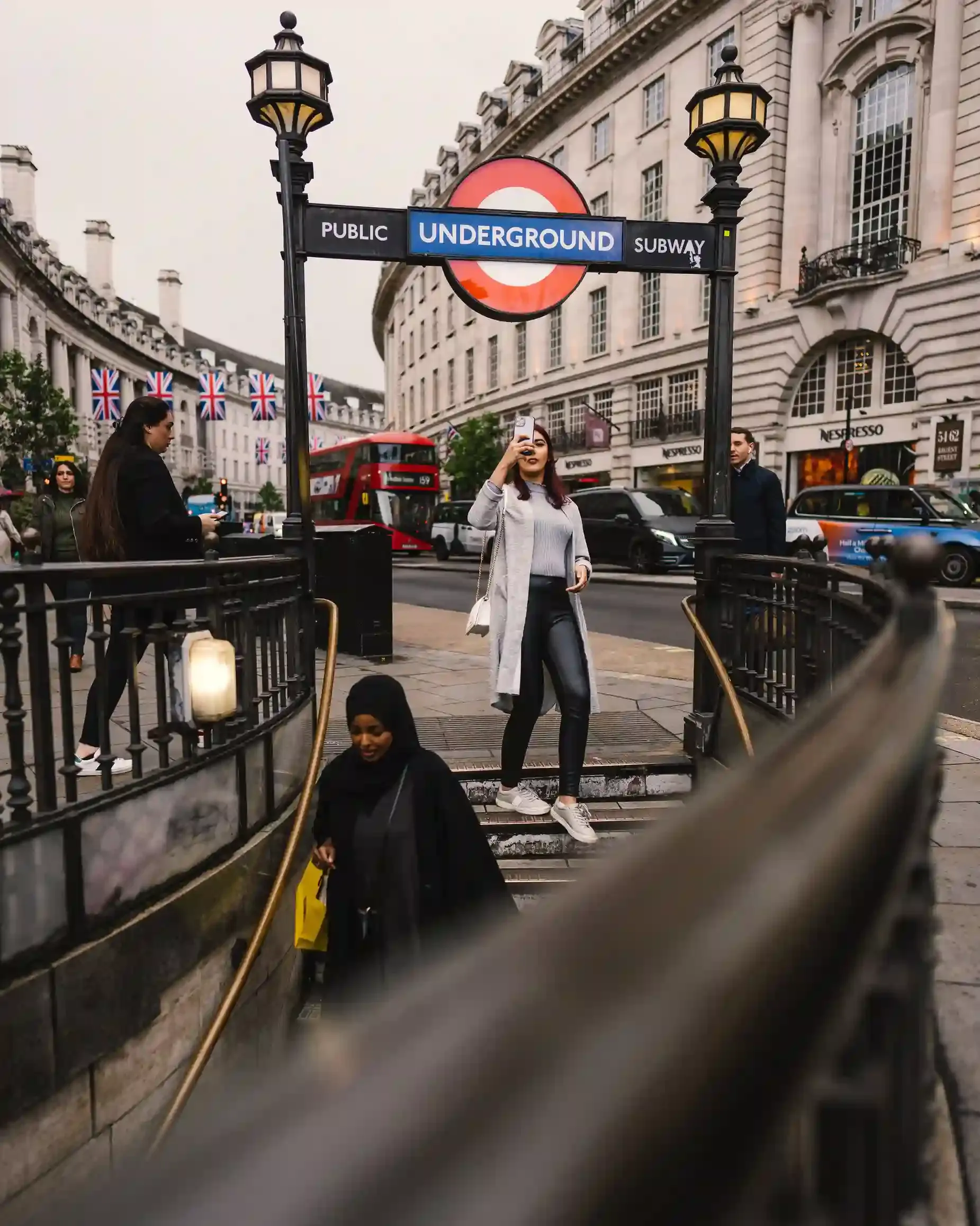
You search "Charing Cross Underground Shopping Concourse", picture an all-weather arcade of shops beneath the station, and arrive to find escalators, ticket gates and a steady current of commuters heading for trains. The picture in your head is about thirty years out of date. The phrase survives as a map label and a station name, but the underground shops that gave it that name are no longer there.
This guide sets the record straight, then makes the visit worth your while. You will learn exactly what the Charing Cross Underground Shopping Concourse is today, how the Tube and mainline interchange fits together, the one underground tour worth booking ahead, where to actually shop within a short walk, and how to work around the major station closure scheduled for the summer of 2026. It is written for the traveller who wants the real version of a place, not a romantic version that no longer exists.
What the Charing Cross Underground Shopping Concourse Actually Is
The short answer: it is a transport interchange that picked up a "shopping" label decades ago and never shook it off. The pin you see on Google Maps and journey planners sits at the underground concourse beneath Charing Cross, where the mainline station, the Bakerloo and Northern line platforms, and the pedestrian subways under the Strand all connect. The "shopping" in the name refers to a retail subway that has since closed — so the concourse you can still walk through is functional, not a destination in itself.
From map pin to real place
Charing Cross is one of central London's busiest hubs. The Underground station alone handled around 16.5 million passengers in 2024, making it the 37th busiest on the network. Above ground sits the Southeastern mainline terminus on the Strand; below it, a concourse under the forecourt links the trains to the Tube. The map label "Charing Cross Underground Shopping Concourse" tends to drop you here — which is why most pages that rank for the term are journey-planner and directions pages rather than guides.
If you are navigating to it, the practical landmarks are Trafalgar Square directly above, the Strand running east, and Villiers Street dropping south towards Embankment. The nearest Tube interchanges beyond Charing Cross itself are Leicester Square, a two-minute walk north, and Embankment, about five minutes south.
The arcade that closed
The "shopping" part of the name is a relic of a 1970s idea. When the ticket hall was enlarged, the basement of the triangular building opposite the station — the John Nash-designed block that now houses Coutts — was carved out for a public subway lined with small shops. For years it held the kind of tenants that could never afford street-level rents: a magic shop, fancy-dress and costume sellers, and a scatter of independents, with a couple of units usually sitting empty.
That subterranean parade has now closed. The building's owner has converted the basement arcade back to non-retail use, and the northern Strand subway entrances have been shuttered. Reporting from London history specialists and rail community records both confirm the arcade is permanently shut rather than simply quiet. So if you came looking for the underground shops specifically, the honest position is that the experience no longer exists — and any page promising it is out of date.
- What's gone: the retail subway under the Strand (north side), including the long-running magic and fancy-dress shops.
- What remains: the working under-forecourt concourse that links the mainline station to the Underground, plus standard station retail on the concourse above.
- What it means for you: treat the name as a location, not a shopping plan — the worthwhile retail is a short walk away, covered further down.
Getting Your Bearings: The Interchange and How It Connects
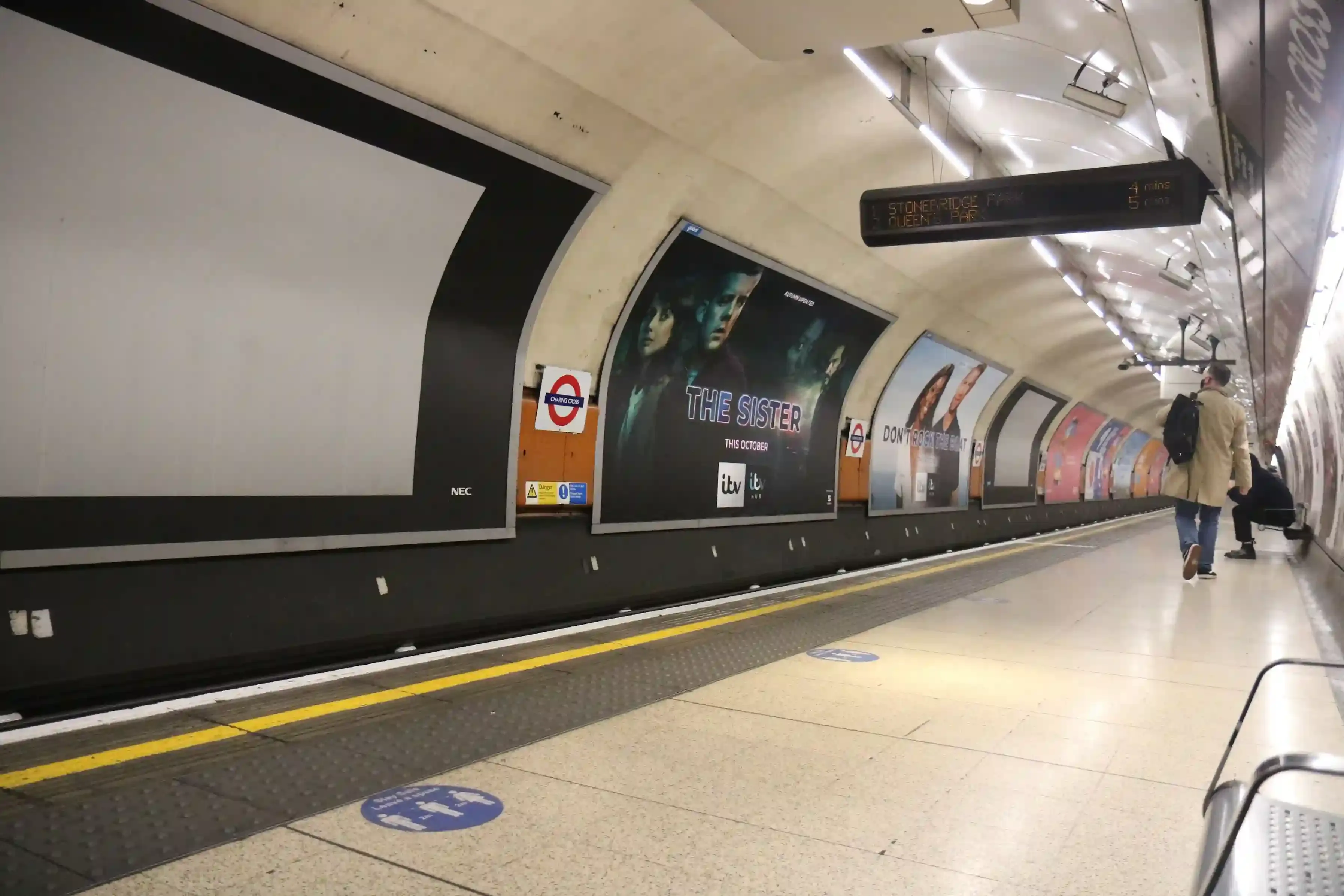
The interchange is simpler than it first looks: one mainline station on top, one Underground station below, joined by a concourse and a set of pedestrian subways. Charing Cross Underground is served by the Bakerloo and Northern lines and sits in fare zone 1. On the Bakerloo line it falls between Piccadilly Circus and Embankment; on its branch of the Northern line, between Leicester Square and Embankment. You can move between the Tube and the Southeastern trains without going up to street level.
Lines, entrances and nearest stations
Most visitors arrive on the Tube and surface at Trafalgar Square, or come off a Southeastern train and head down to the Underground. Both routes funnel through the concourse beneath the forecourt. The key practical details:
- Underground lines: Bakerloo and Northern (zone 1).
- Mainline: Southeastern services from Kent and south-east London terminate here on the Strand (postcode WC2N 5HF).
- Nearest other Tube stations: Leicester Square (about 2 minutes' walk) and Embankment (about 5 minutes), the latter useful for the Circle and District lines and the riverboat pier.
- River: Embankment Pier, a 6–7 minute walk south down Villiers Street, for Thames Clipper river-bus services.
- Step-free note: the mainline concourse is level and gated for accessible entry, but the Underground platforms are not fully step-free — check Transport for London's step-free map before you travel if that matters to you.
One point of confusion worth clearing up: the closed Strand arcade and the working station concourse are different spaces. Losing the arcade entrances has not cut off the route between the mainline station and the Tube — that connection runs under the station forecourt and is unaffected.
The One Underground Experience Worth Booking: The Hidden London Tour
If you want a real reason to go underground at Charing Cross, book the Hidden London tour rather than hunting for shops. Run by the London Transport Museum, "Charing Cross: Behind the Silver Screen" opens up the parts of the station that have been closed to the public since 1999 — the disused Jubilee-line concourse, its two abandoned platforms, and passenger tunnels you would never otherwise see. It is the kind of access that rewards a second or third visit to London, when the headline sights are already behind you.
What the tour covers
The tour traces how the Jubilee line briefly served Charing Cross before the 1999 extension rerouted it via Waterloo, leaving these spaces frozen in place. Because the empty platforms and tunnels are so adaptable, film crews use them constantly — the station regularly doubles for other parts of the network on screen.
- Filming locations: the disused areas have stood in for scenes in productions including Skyfall and Paddington, and guides walk you through how the spaces are dressed for camera.
- The engineering story: how "the Fleet line" became the Jubilee line, and why Charing Cross lost its service.
- Scale and atmosphere: recent route changes give you more freedom to explore the concourse and platforms than earlier versions of the tour allowed.
Practical details and pricing
Tours meet inside the Northern line entrance of Charing Cross Underground station, opposite the ticket barriers. Book ahead — these run on set dates and sell out. Travjoy's experiences are researched and approved by local experts, so the options you see are the ones worth your time rather than whatever happens to have availability.
- Tickets: around £46.50 (about $61) standard, £43.50 (about $57) concessions and children.
- Age: 10 and over; under-16s must be accompanied by an adult.
- Add-on: selected Friday and Sunday afternoon tours can be paired with afternoon tea at a 19th-century railway hotel on the Strand.
- Extras: ticket holders receive half-price one-day entry to the London Transport Museum and a shop discount, valid within a month of the tour.
Prices and tour dates change with the season, so confirm the current figures and availability when you book.


Where to Actually Shop Near Charing Cross
The good news for anyone who arrived for the shopping: some of London's best retail sits within a five-to-ten-minute walk of the concourse, and none of it is underground. Rather than a basement of struggling units, you have Covent Garden's piazza to the north-east, the Strand running past the station, and the West End's flagship streets a short stroll beyond. This is where the Charing Cross Underground Shopping Concourse location earns its keep — as a launch point, not a destination.
The streets and districts worth your time
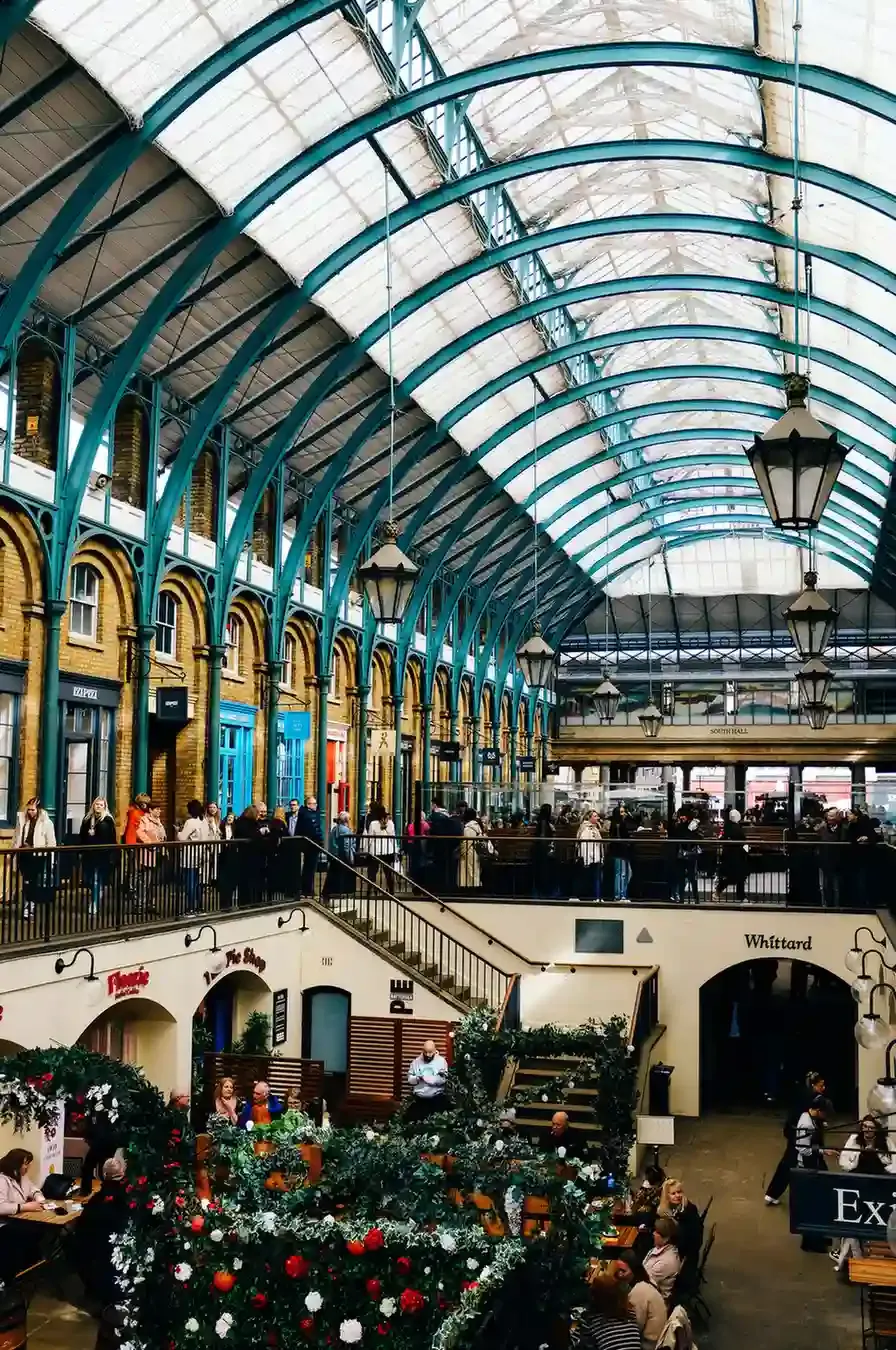
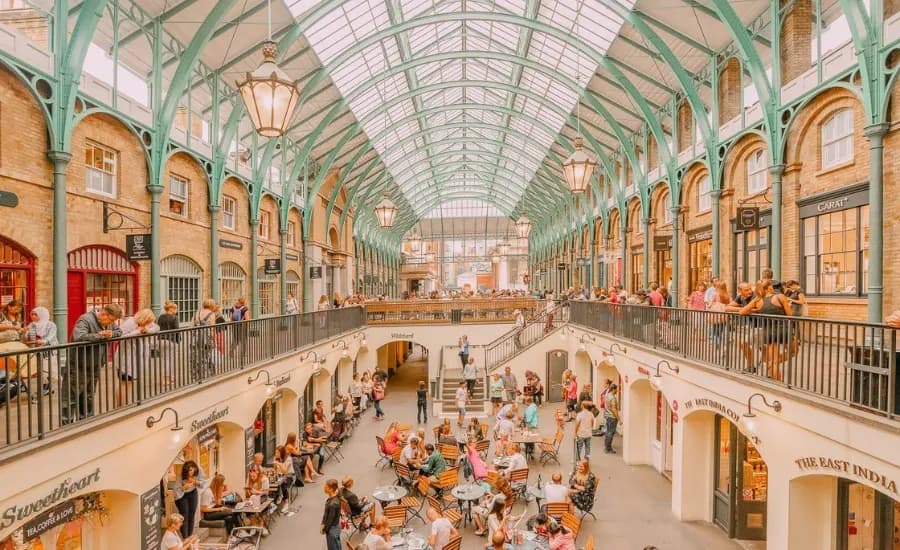
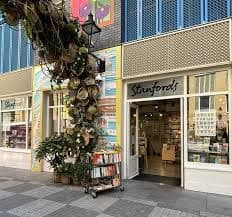
Start with Covent Garden, about five minutes north. The covered market halls, the surrounding boutiques, and the independent and design-led shops give you the browsing experience the old subway never really delivered. For travel-minded shopping, Stanfords in Covent Garden is the city's great map and travel bookshop — the closest modern equivalent to the curious, characterful shops that the closed arcade was loved for.
- Covent Garden: market halls, beauty and fashion boutiques, and the Apple Market crafts stalls — best on a weekday morning before the crowds build.
- The Strand and around: a mix of chains, bookshops and the entrances to Somerset House, walkable straight from the station.
- Regent Street: about ten minutes north-west, for flagship stores along one of London's grand shopping curves — see Regent Street for the line-up.
- Soho and Seven Dials: smaller independents, record shops and one-off labels for anyone who prefers the offbeat to the flagship.
If you want to plan a half-day around retail specifically, Travjoy's London shopping experiences map out the districts, department stores and markets by type, so you can match the area to the kind of shopping you actually enjoy. The options are researched and approved by local experts, which saves you the guesswork of working out which streets reward the walk.
Make a Day of It: Trafalgar Square, the Galleries and the River
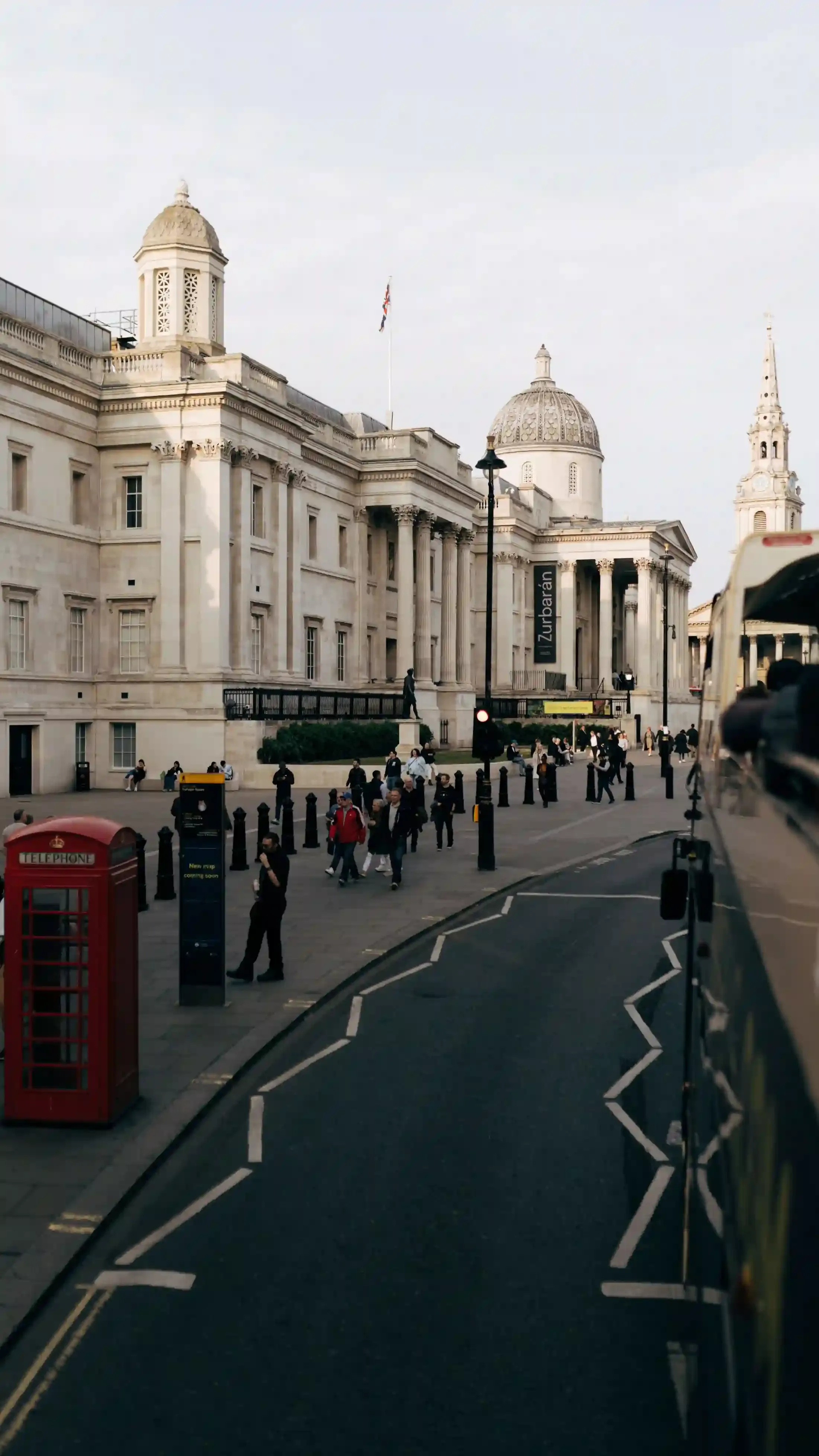
Charing Cross sits directly beneath one of London's densest clusters of free, world-class culture, so the concourse works best as the start of a day rather than a stop in itself. Climb the stairs and you are on the edge of Trafalgar Square, with two national galleries and a landmark church within a couple of minutes, and the river a short walk south.
What's directly above and around you
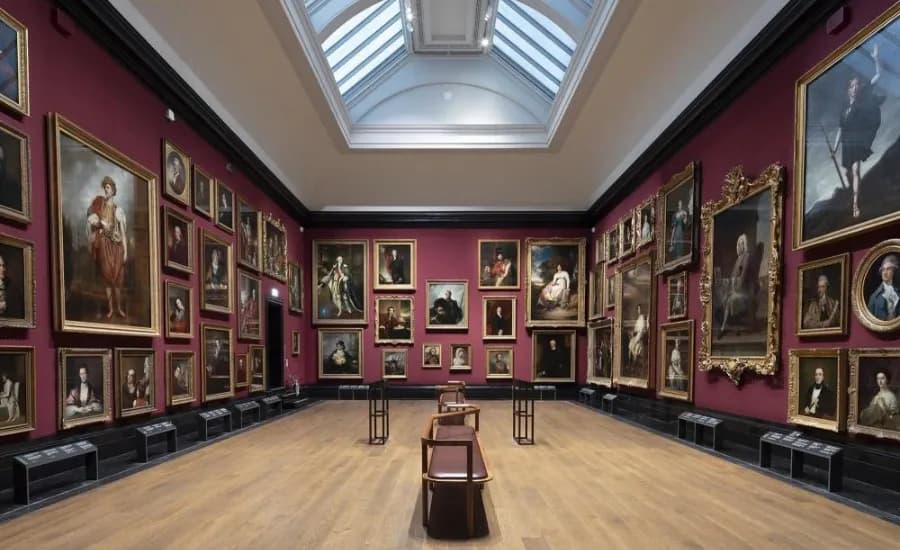
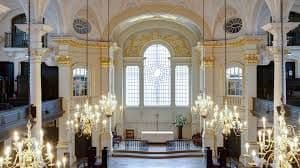
The National Gallery anchors the north side of Trafalgar Square, with a collection spanning Van Eyck to Van Gogh and free general admission. Tucked just behind it, the National Portrait Gallery reopened after a major refurbishment and is one of the most rewarding rainy-afternoon options in the city. On the square's eastern corner, St Martin-in-the-Fields runs lunchtime and candlelit concerts and has a café in its crypt.
From there, the river is an easy add-on. Walk south down Villiers Street to Embankment, cross the Golden Jubilee footbridges, and you are on the South Bank within ten minutes, with the London Eye and the riverside walk laid out in front of you. It turns a transport stop into a half-day route through some of the best of central London.
Plan Your Visit: The 2026 Closure, Hours and Access
The single most important thing to know for 2026 is that the mainline station has a long planned closure in the summer. Charing Cross and Waterloo East close from 26 July to 16 August 2026 — 22 days — for a £20 million engineering programme replacing track and rebuilding platform sections. During that window, no Southeastern trains call at Charing Cross, so this affects anyone planning to arrive or depart by mainline rail.
How to plan around the closure
The closure is to the National Rail side of the station. The Underground station and the pedestrian concourse are not part of these engineering works, so the Tube interchange and the route up to Trafalgar Square remain available — but always check live status on the day, as access points can change during major works.
Plan-your-visit essentials
- Summer 2026 mainline closure: no Southeastern trains 26 July–16 August; services divert to London Victoria, Cannon Street and Blackfriars, with tickets accepted on the Tube and buses at no extra cost.
- Arriving by Tube instead: Bakerloo and Northern lines serve Charing Cross directly; Leicester Square and Embankment are the easiest fallbacks if an entrance is shut.
- For shopping and galleries: Leicester Square or Covent Garden Tube stations put you closest to the retail, both a short walk from the concourse.
- Timing: weekday mornings are calmest for both the galleries and Covent Garden; weekends are busiest.
- Verify before you go: tour prices, opening hours and closure details shift, so confirm the current information close to your travel date.
Beyond the summer closure, the station and its surroundings run on standard central-London rhythms: the Tube operates from roughly 05:00 to past midnight, the galleries open late morning to early evening, and the markets and shops follow West End trading hours. Build your visit around what you came for — a tour, the shopping, or the galleries — and the concourse simply becomes the way in.
Putting It Together
The Charing Cross Underground Shopping Concourse is a case of a name outliving the thing it described. The underground shops have closed, but the location is as central as London gets — a working interchange under one of the city's great squares, minutes from real shopping and free galleries, and the gateway to a tour of tunnels most visitors never see. Come for the orientation, stay for the Hidden London tour, the Covent Garden browse, or an afternoon among the portraits — and keep the summer 2026 closure in mind if you are travelling by train. Start planning your London days, and book the experiences worth your time, on Travjoy's London page.


.svg&w=1920&q=75)