




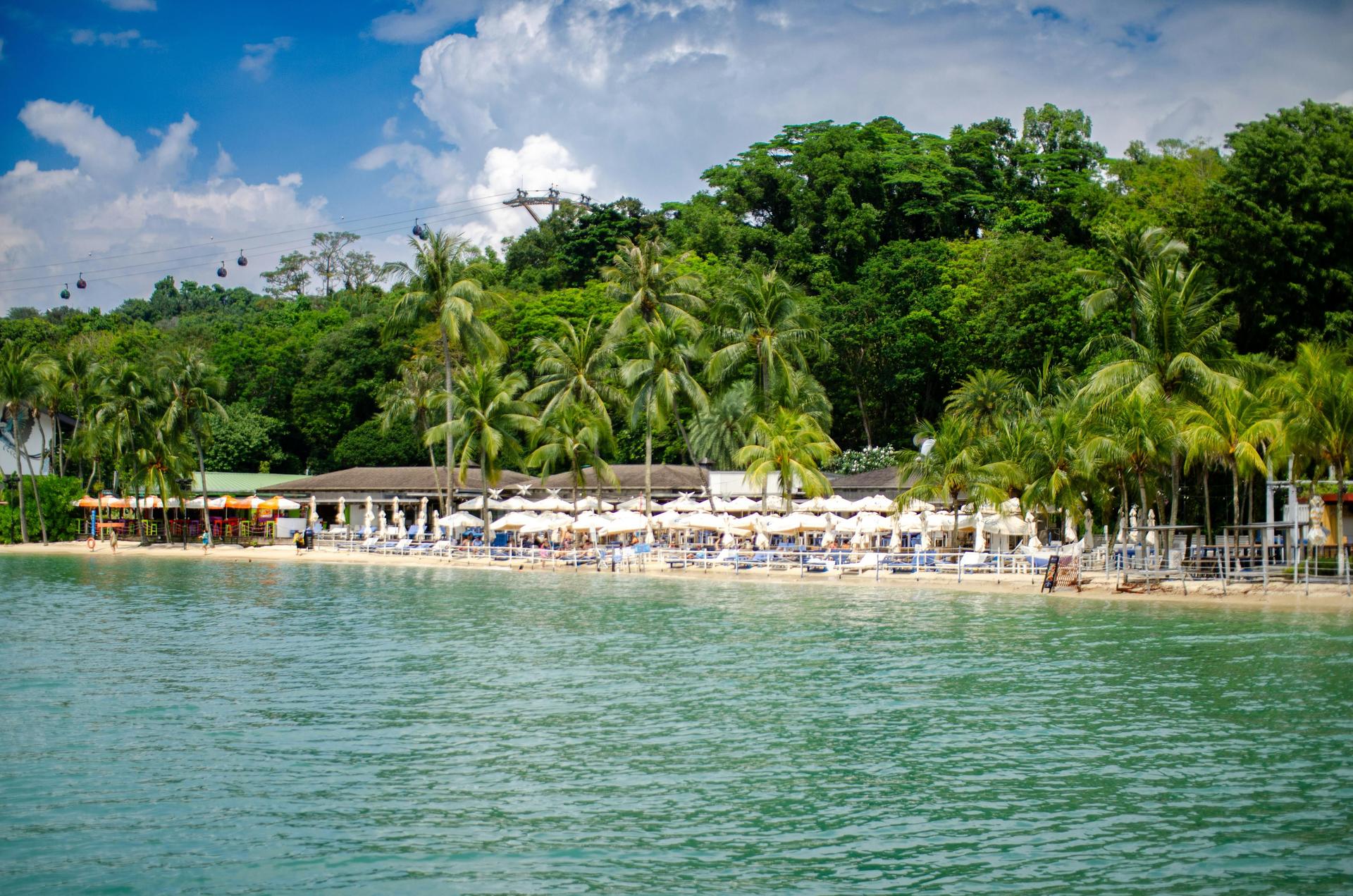
Bintan Island from Singapore: Resorts, Beaches & Getting There
18 min read

Author
SHARE BLOG
TABLE OF CONTENTS
- Getting from Singapore to Bintan — Ferries, Terminals and What to Expect
- Where to Stay — Bintan's Three Resort Zones Explained
- The Beaches of Bintan — What Each One Is Actually Like
- Resorts Worth Knowing — From Glamping to Private Pools
- Beyond the Beach — What to Do in Bintan
- Practical Logistics — Visas, Currency, Getting Around and Timing
- Planning Your Bintan Trip from Singapore
- The ferry from Singapore's Tanah Merah Ferry Terminal to Bintan takes about 60–70 minutes — one-way tickets start from SGD 53
- Singaporeans enter Bintan visa-free for up to 30 days; most other nationalities can get a 7-day Riau Islands Visa on Arrival for IDR 250,000 (approx. SGD 22)
- Three distinct resort zones: Lagoi Bay (most convenient), east coast (quieter), and private island options for full seclusion
- Best beaches vary by what you want — Lagoi Bay for families, Nirwana Beach for watersports, Tanjung Berakit for an unfiltered local feel
- Two nights is the sweet spot for a proper Bintan trip; book ferry tickets in advance for weekends and public holidays
Bintan Island is a 60-minute ferry ride from Singapore's Tanah Merah Ferry Terminal. The island offers a range of resorts from family-friendly glamping to luxury private-pool villas, set against white sand beaches on the northwest coast and quieter coves to the east. Singaporeans enter visa-free for 30 days; most other nationalities can get a 7-day Riau Islands Visa on Arrival for IDR 250,000 (approximately SGD 22), introduced in December 2024.
Singapore's beaches at Sentosa are engineered — the sand is imported, the water is managed, and the crowds are predictable. Bintan is the opposite. An hour south across the Strait of Singapore, the island has real white sand, open coastline, and resort pools that face the South China Sea rather than a theme park. It's the most accessible tropical escape from the city, and it's one that works for a two-night weekend or a longer stay if you want to slow down properly.
This guide covers everything you need: which ferry to take, how to choose a resort zone, which beaches are worth your time, and the practical details that most guides skip — including the visa update that took effect in late 2024 and the tar oil issue that catches first-time visitors off guard.
Getting from Singapore to Bintan — Ferries, Terminals and What to Expect
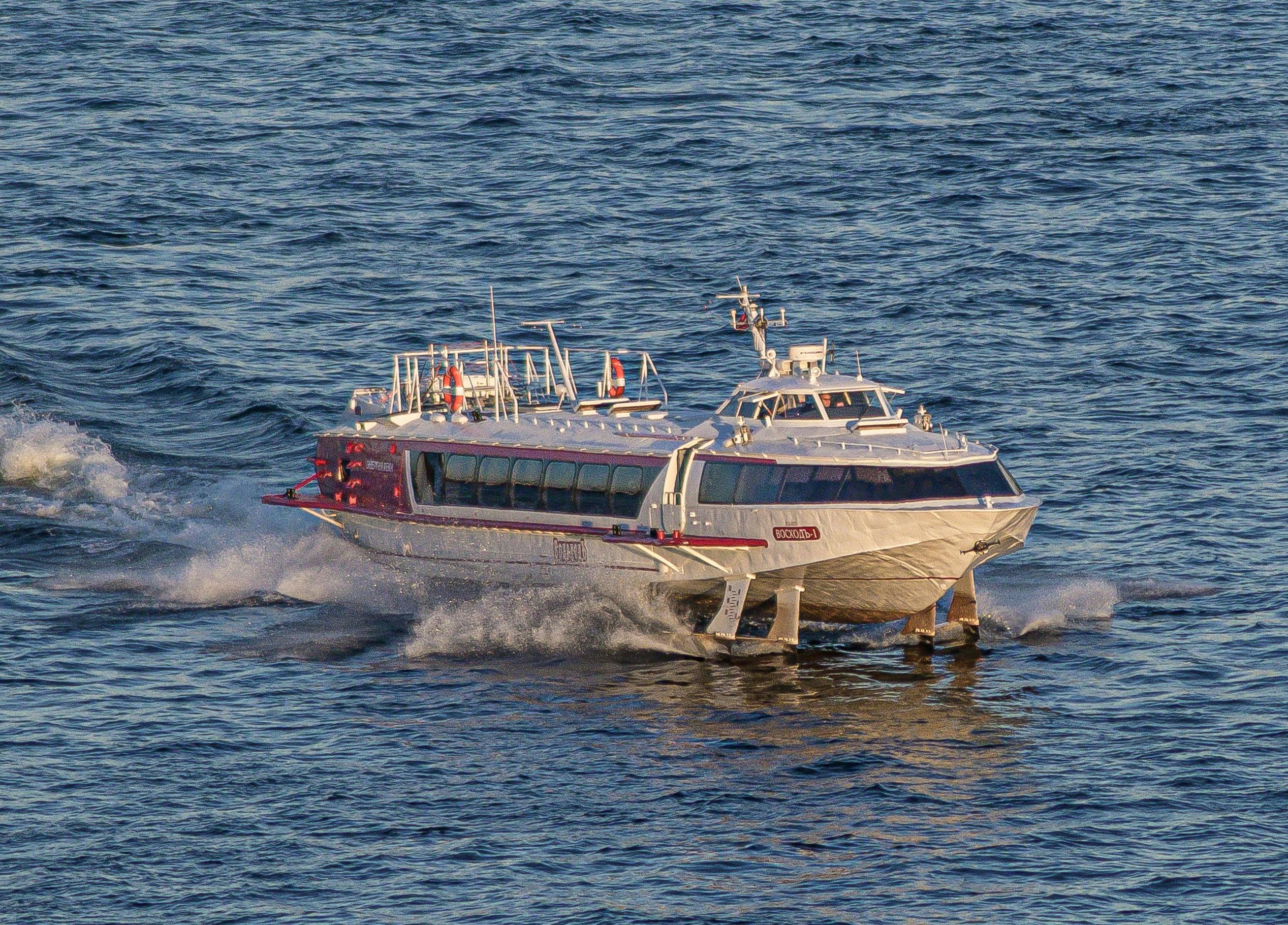
The standard route from Singapore to Bintan is a high-speed catamaran ferry, departing daily from Tanah Merah Ferry Terminal. The journey takes around 60–70 minutes and drops you at Bandar Bentan Telani (BBT) Ferry Terminal on the northwest coast of Bintan, which is well-positioned for the main resort zone. This is the route most travellers take, and it's the most convenient.
Tanah Merah vs HarbourFront — Which Terminal to Use
Most travellers heading to Bintan resorts should use Tanah Merah Ferry Terminal (TMFT). It's located near Changi Airport — about 15 minutes by taxi — and has direct connections to Bintan's resort area. If you're flying in from abroad and heading straight to Bintan, this is the logical starting point.
HarbourFront Ferry Terminal (near VivoCity) is the other option, primarily used by Sindo Ferry for routes to Tanjung Pinang — the main town on the south side of Bintan. This route takes around two hours and makes more sense if you're exploring the island's cultural side rather than the resort belt.
- Tanah Merah Ferry Terminal (TMFT): Best for Bintan resorts (Lagoi Bay area) — 60–70 min crossing to BBT Terminal
- HarbourFront Ferry Terminal: Routes to Tanjung Pinang via Sindo Ferry — around 2 hours; better for cultural exploration
- Getting to TMFT from the city: Taxi from central Singapore takes 20–30 minutes; from Changi Airport, roughly 15 minutes. MRT to Tanah Merah station, then Bus 35 to the terminal
- Airport shuttle: A shuttle runs between Changi Airport and TMFT daily from 9:00am to 7:45pm (with a mid-day break between 2:30pm and 4:45pm) — book at cityshuttle.com.sg
Ferry Operators — Who Runs the Route
Three operators run ferries between Singapore and Bintan, with different routes and departure schedules. For the resort area, Bintan Resort Ferries (BRF) is the primary and most reliable option.
- Bintan Resort Ferries (BRF): Up to 11 weekly sailings from TMFT to BBT Terminal. The dedicated resort ferry — most frequent, most convenient for Lagoi Bay. Book at brf.com.sg
- Sindo Ferry: Up to 9 weekly sailings; serves both Tanah Merah and HarbourFront. Routes to both BBT and Tanjung Pinang
- Majestic Fast Ferry: 3 weekly sailings; less frequent, worth checking for schedule gaps
Tickets, Prices and When to Book
Ferry tickets for the Singapore–Bintan route start from around SGD 53 one-way for a standard economy seat. Prices shift depending on the operator, travel date, and class of travel. Weekends and Singapore public holidays fill up quickly — booking at least a week in advance is sensible during peak periods.
- Standard one-way fare: From SGD 53 (economy); round-trip packages from SGD 90+
- Emerald Class (BRF): Upgraded seating in an exclusive cabin, open-deck access, complimentary non-alcoholic beverages and Wi-Fi, lounge access at the terminal, and priority boarding — priced above standard economy
- Departure tax: SGD 10 per person, applicable departing from both TMFT and HarbourFront
- IDR pricing (updated October 2025): IDR 1,120,000 round-trip / IDR 620,000 one-way for adults; IDR 680,000 round-trip / IDR 340,000 one-way for children aged 0–12
- Check-in cut-off: 40 minutes before departure — arrive at the terminal at least 90 minutes early to clear immigration comfortably
Arriving in Bintan — Immigration, Transfers and the Time Zone
Bintan is part of Indonesia, which means you clear immigration on both sides — in Singapore before boarding and in Bintan on arrival. The process at BBT Terminal is generally quick for passport holders who qualify for visa-free or Visa on Arrival entry. Allow 20–30 minutes to clear customs and collect luggage.
Note that Bintan runs on Western Indonesian Time (WIB), which is GMT+7 — one hour behind Singapore. It's easy to overlook and relevant if you're catching a return ferry with a tight schedule.
From BBT Terminal, most resorts in the Lagoi Bay area are a 5–20 minute drive. Resorts on the east coast can take up to an hour. Many resorts offer shuttle transfers from the terminal — confirm this when booking. If you're arranging your own transport, taxis and private drivers are available at the terminal; Grab is only operational within the Bintan Resort area and Tanjung Pinang.
Where to Stay — Bintan's Three Resort Zones Explained
Bintan's accommodation is spread across three distinct zones, each with a different character. Choosing the right zone matters more than picking the right resort — it shapes your commute from the ferry, your access to food, and your overall experience of the island.
Lagoi Bay (Northwest) — The Most Developed Zone
Lagoi Bay is where most first-time visitors to Bintan Island from Singapore end up, and for good reason. It sits 5–20 minutes from BBT Terminal, has the widest selection of resorts, and is the only area with meaningful options for eating and shopping beyond your hotel. Lagoi Bay Beach is the most accessible stretch of sand on the island — calm water, reasonable facilities, and a consistent beach club scene.
Resorts worth knowing in this zone include the Holiday Inn Resort Bintan Lagoi Beach (IHG), Four Points by Sheraton Bintan Lagoi Bay, Club Med Bintan Island (all-inclusive, strong for families), Natra Bintan (glamping-style tents near Treasure Bay), Kamuela Lagoi Bay Villas (modern private pools), and Cassia Bintan (Banyan Tree Group's apartment-style property).
East Coast — Quieter, More Dependent on Your Resort
The east coast of Bintan is less developed and considerably more peaceful. The trade-off: you're around an hour from the ferry terminal, and outside your resort, food and transport options are sparse. If you're comfortable staying mostly within your resort grounds — which at this level usually means private beach, multiple restaurants, and spa facilities — the east coast delivers a genuinely remote feel that Lagoi Bay can't match.
Notable options here include The Residence Bintan (surrounded by nature, great for a slow-paced stay), Bintan Spa Villa (beachfront with a strong spa focus, popular with couples), and One of a Kind Resort (secluded, small-scale, genuinely off-the-beaten-path).
Private Islands Off Bintan — Full Seclusion
Several small private islands sit off Bintan's east coast within a designated Marine Protected Area. Nikoi Island is the most well-known — a small island accessible by speedboat, with limited guest numbers, strong eco-credentials, and a focus on marine life and reef snorkelling. These options sit at the premium end of the market and require advance planning, but they represent a genuinely different category of stay.
Which Zone Suits You? A Quick Decision Framework
Choose by Traveller Type
- First-time visitors / weekend trippers: Lagoi Bay — close to the ferry, most options, easiest logistics
- Couples wanting privacy: East coast resorts (Bintan Spa Villa, The Residence Bintan) — quieter, more romantic, higher price point
- Families with children: Lagoi Bay — Club Med or Natra Bintan, with easy access to Treasure Bay and beach activities
- Golfers: Lagoi Bay / Nirwana Gardens area — Ria Bintan, Laguna Bintan and Bintan Lagoon Golf Club are all in this corridor
- Luxury / private island seekers: East coast or private island options — accept the longer transfer time
The Beaches of Bintan — What Each One Is Actually Like
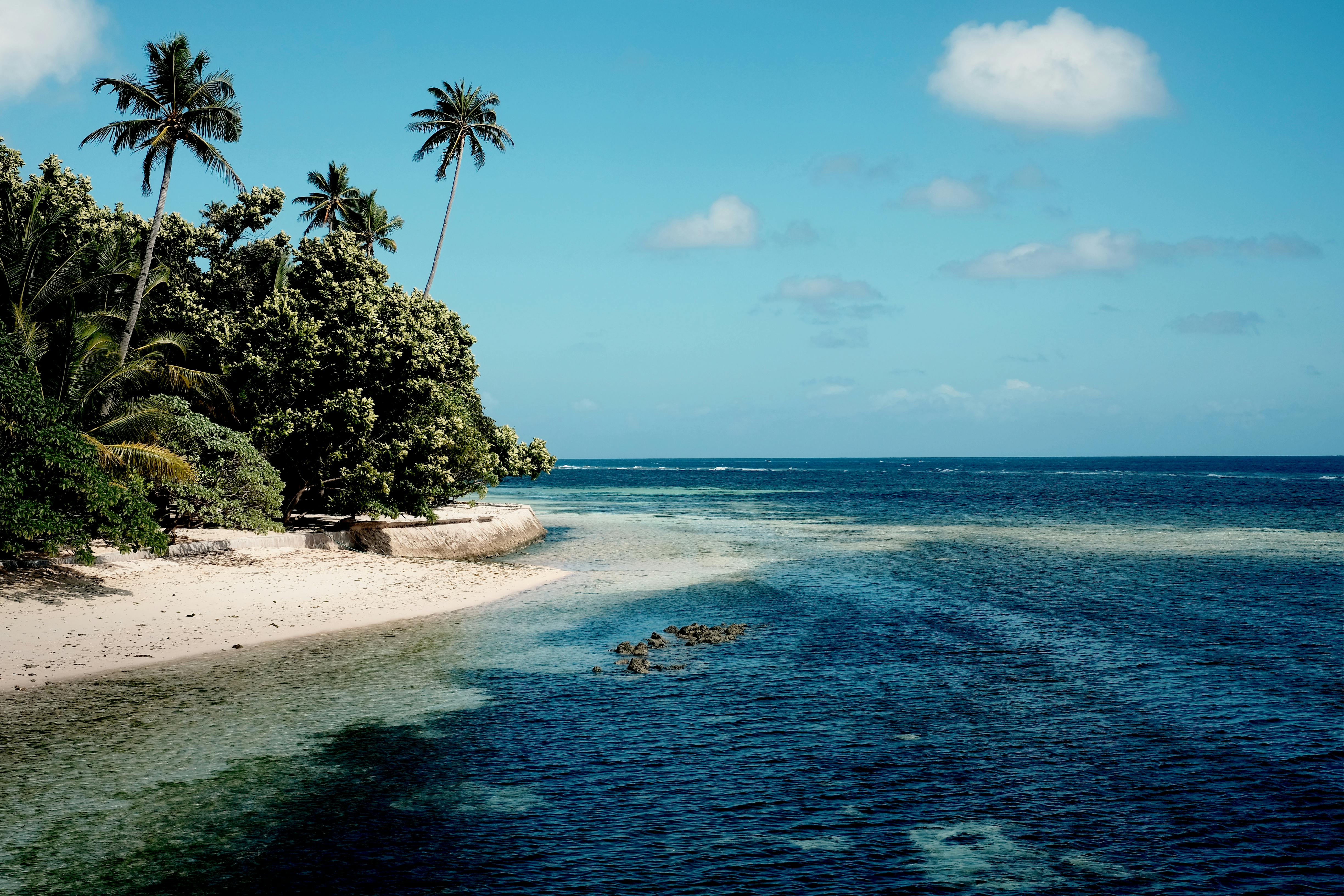
Bintan's best beaches are on the northwest coast, which faces the calmer western side of the South China Sea. The water is generally clear, the sand is soft and white — notably different from the imported variety at Siloso Beach in Sentosa — and the overall feel is low-key rather than resort-manicured. Here's an honest breakdown of the main options.
Lagoi Bay Beach — The Family Go-To
Lagoi Bay is the most accessible beach on the island and the most popular with visitors staying in the northwest zone. The water is calm and shallow close to shore, which makes it well-suited for families and swimmers who aren't chasing waves. Beach clubs along this stretch — including Nirwana Gardens' floating bar setup — add a social element if you want one.
- Water: Calm, shallow near shore, clear on non-monsoon days
- Facilities: Sun loungers, beach bars, watersports rental nearby
- Crowd level: Moderate to busy on weekends
- Best for: Families, first-time visitors, beach club days
Nirwana Beach (Nirwana Gardens) — The Watersports Hub
Nirwana Beach sits within the Nirwana Gardens resort complex and is the go-to spot for watersports. Jet ski rental, kayaking, parasailing, and snorkelling equipment are all available here, and the beach is longer and slightly more exposed than Lagoi Bay. Non-guests can access the beach via a day-pass arrangement — worth checking before you visit.
- Water: Slightly more open than Lagoi Bay; good for watersports
- Facilities: Watersports centre, beach bar, restaurant, floating jetty bar
- Crowd level: Moderate; resort guests have priority for facilities
- Best for: Active travellers, couples who want an activity-focused beach day
Tanjung Berakit — The Local Shoreline
Tanjung Berakit sits on the far northeast tip of Bintan and feels like a different island entirely. There are no resort pools, no beach clubs — just a long, quiet stretch of sand used by local fishing communities. The drive from Lagoi Bay takes around 45 minutes, which means most visitors skip it. If you have a full day and want to see Bintan beyond the resort belt, it's worth the trip.
- Water: Clear but occasionally rougher; not as calm as the northwest beaches
- Facilities: Minimal — no loungers, no rental equipment, basic warungs nearby
- Crowd level: Very low — mostly local visitors
- Best for: Travellers who want genuine local atmosphere without resort crowds
The Tar Oil Warning — What First-Timers Need to Know
On certain days, tar oil washed from tanker ships in the South China Sea reaches Bintan's beaches. It shows up as dark, sticky patches on the sand and occasionally on your swimwear. It's seasonal and unpredictable — more common during certain wind and current patterns — but it's a real issue that most travel guides don't mention.
If you encounter it: baby oil removes tar stains from skin and fabric more effectively than laundry detergent. Pack a small bottle if you're travelling with children or wearing light-coloured swimwear you care about.
Resorts Worth Knowing — From Glamping to Private Pools
Bintan has a wide range of accommodation — the resort corridor near Lagoi Bay alone spans all-inclusive family clubs, private-pool villas, glamping tents, and standalone luxury estates. The prices below are approximate ranges for 2025 and will vary by season and booking channel.
Luxury Tier
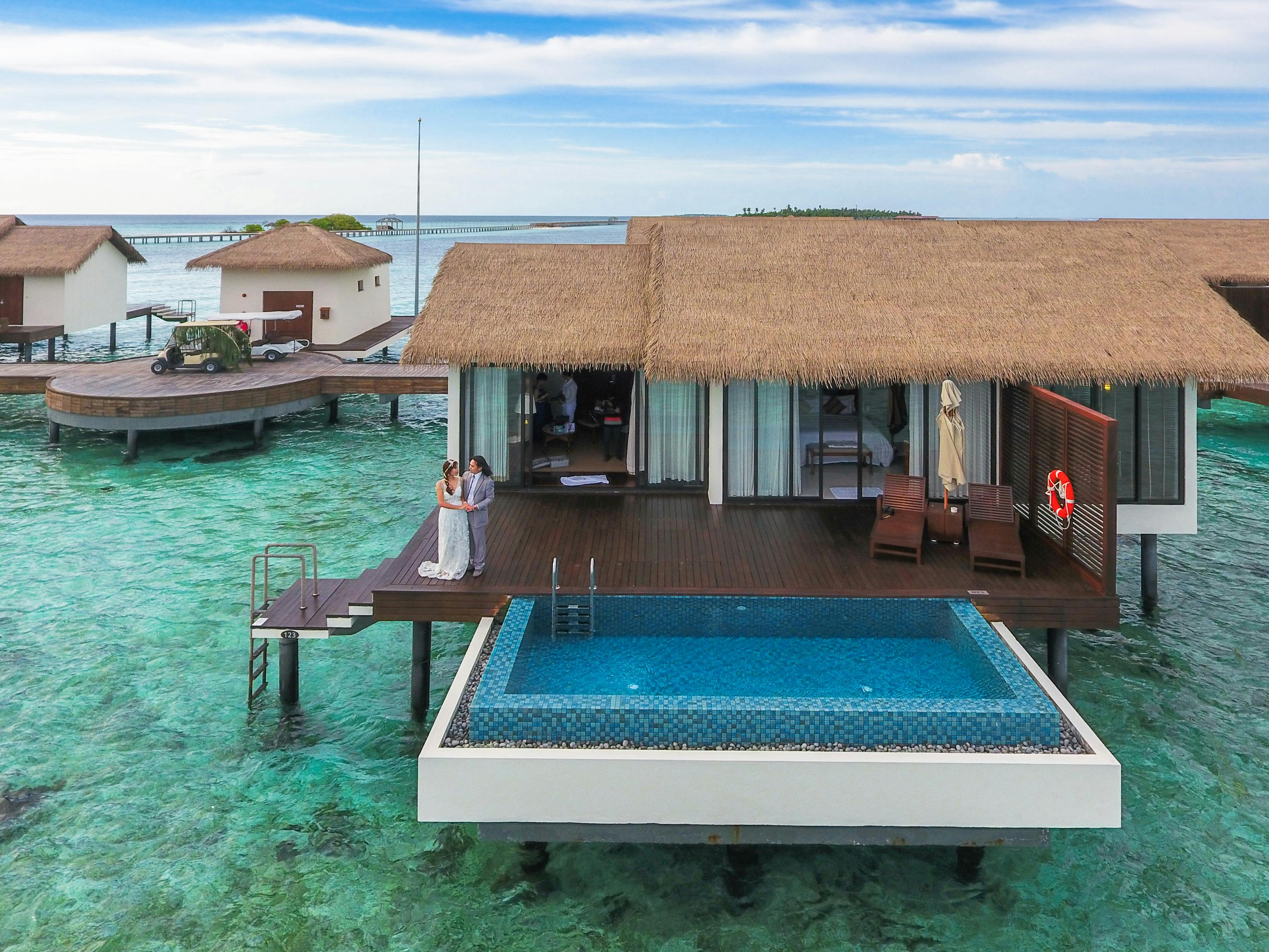
- Banyan Tree Bintan — Ocean-view villas with private pools. One of the most established luxury names on the island. Nightly rates from approximately SGD 500–900 (USD 370–670). Best for couples and honeymoons
- The Sanchaya — A boutique estate on the coast, inspired by 19th-century European design, covering over 9.6 hectares of beachfront. Small number of suites and villas; rates reflect the exclusivity. Best for travellers who want something genuinely different from a standard resort
- The Residence Bintan — East coast, set within nature rather than on the main resort strip. Beachfront bungalows and villas, strong food and beverage offering. Nightly rates from approximately SGD 400–700 (USD 295–520)
Mid-Range with Strong Value
- Club Med Bintan Island — All-inclusive pricing simplifies budgeting significantly. Meals, drinks, and a broad range of activities are included. Well-suited for families and groups. Rates from approximately SGD 350–600 (USD 260–445) per person for two nights all-inclusive
- Holiday Inn Resort Bintan Lagoi Beach (IHG) — Reliable four-star option in the Lagoi Bay zone with good family facilities. Nightly rates from approximately SGD 200–380 (USD 148–280)
- Four Points by Sheraton Bintan Lagoi Bay — Well-located, strong pool facilities, consistently reviewed as family-friendly. Rates from approximately SGD 200–350 (USD 148–260)
Glamping and Family-Friendly Options
- Natra Bintan — Glamping-style tents near Treasure Bay, with Instagrammable interiors and easy access to the beach. Good for families or couples who want something less formal. Rates from approximately SGD 250–400 (USD 185–295)
- ANMON Resort Bintan — Modern tent-style accommodation with strong aesthetic appeal. Similar positioning to Natra — a step away from traditional resort formats
If you're planning the wider Singapore leg of your trip, exploring island tours from Singapore is a good way to understand what's possible across the southern island corridor before committing to Bintan specifically.
Beyond the Beach — What to Do in Bintan
Bintan's primary draw is the beach and resort experience, but the island has enough beyond the sand to fill two or three days comfortably — particularly if you want to move between different activities rather than stay poolside the whole time.
Golf
Golf is a serious draw for Bintan, with three major clubs offering courses in different formats. The landscape — coastal elevation, sea views, and relatively uncrowded fairways compared to Singapore — makes it a popular choice for visiting golfers.
- Ria Bintan Golf Club: 18-hole ocean course and 9-hole forest course; designed by Gary Player. One of the island's most scenic layouts, with several holes directly facing the sea
- Laguna Bintan Golf Club: 18 holes; lake and sea views along the Lagoi Bay corridor
- Bintan Lagoon Golf Club: Two 18-hole courses (one Gary Player, one Ian Baker-Finch); integrated within Bintan Lagoon Resort
Watersports and Active Activities
- Snorkelling and scuba diving — clearer water on the east coast and around the private islands
- Kayaking — available at most resorts and at Nirwana Beach
- ATV rides — available within the Lagoi area
- Go-karting — Lagoi Bay zone
- Paintball — at Nirwana Beach Club
- Mountain biking — routes through the island's interior
For a different perspective on the islands surrounding Singapore, a southern islands cruise from Singapore itself covers some of the same maritime landscape from a different angle.
Cultural Day Trips from Bintan
If you want to spend a day away from the resort, Bintan has genuine cultural interest beyond the beach zone.
- Penyengat Island: A small island off Tanjung Pinang, reachable by a short boat ride. Home to a 19th-century sultan's palace and mosque built (reportedly) using eggs mixed into the mortar. A fascinating hour or two
- Tanjung Pinang old town: The island's main town, with a Chinese jetty district, market stalls, and waterfront seafood restaurants. The pace is noticeably different from the resort zone
- 500 Lohan Temple: A large Chinese Buddhist temple on the outskirts of Tanjung Pinang, with 500 painted stone figures of Buddhist monks. Worth a stop if you're already in the area
Practical Logistics — Visas, Currency, Getting Around and Timing
The logistics of a Bintan trip are straightforward once you understand the key details — most of which don't change trip to trip, but the visa rules updated in late 2024 and are worth knowing before you go.
Visa Rules — Updated December 2024
Singaporean citizens enter Indonesia visa-free for up to 30 days — no application required, no fee. Citizens of 13 countries including Singapore, Malaysia, Brunei, Thailand, the Philippines, Vietnam, and several others receive this free visa automatically.
For most other nationalities, a Visa on Arrival is available at Bintan's ferry terminal. As of December 2024, Indonesia introduced a 7-day Riau Islands VOA valid only within the Riau Islands (Bintan, Batam, Karimun) at IDR 250,000 (approximately SGD 22). The standard 30-day VOA costs IDR 500,000 and can be extended for another 30 days if needed.
All visitors need a passport valid for at least 6 months from the date of travel, plus proof of return or onward travel. Indonesia has also introduced a Digital Arrival Card (DAC) — mandatory since October 2025 for arrivals from Singapore. Complete this at least 72 hours before your arrival.
Currency, Costs and What to Budget
- Currency: Indonesian Rupiah (IDR). SGD and USD are accepted at many resort properties, but local restaurants and shops in Tanjung Pinang work in IDR
- ATMs: Available at BBT Ferry Terminal and within larger resorts; less reliable in town areas
- Dining costs: Resort food is priced at resort rates — expect SGD 25–60 per head per meal. Local warungs and seafood restaurants in Tanjung Pinang offer full meals from SGD 8–15
- Seafood restaurants near resorts: Quality varies; some visitor-facing options near Lagoi have received mixed reviews for value — local recommendations from resort staff are more reliable than online listings
Getting Around Bintan
This is one of the most important practical points for first-time visitors: Grab is only available within the Bintan Resort area and Tanjung Pinang. If you're staying on the east coast or planning day trips outside the resort zone, you need to arrange a private driver or taxi in advance. Most resorts can organise this, and it's worth factoring the transfer cost into your overall budget.
- Private driver (full day): Typically SGD 80–150 depending on itinerary and distance
- Resort shuttle: Most resorts offer a BBT Terminal transfer — confirm when booking
- Taxi from terminal: Available at BBT; agree on the price before getting in
Best Time to Visit Bintan
The dry season runs from March to October, with calmer seas and lower humidity. November through February brings the northeast monsoon — rain is heavier and sea conditions can be rougher, which affects water sports and beach time. The beaches are still accessible, but you're more likely to encounter grey skies and choppy water.
- Best months: March–October (dry, calm seas, good beach conditions)
- Avoid: Singapore school holidays and long weekends — ferries fill up fast and resort prices climb
- Peak pricing periods: June school holidays, Chinese New Year, year-end December holidays
Planning Your Bintan Trip from Singapore
Bintan earns its reputation as Singapore's easiest tropical escape. The ferry is fast, the resort range covers most budgets, and the beaches — free from imported sand and Sentosa crowds — deliver a genuinely different kind of day. The island rewards a little planning: pick your zone before you pick your resort, book your ferry early for weekends, and check the Digital Arrival Card requirement before you leave.
For more island experiences and things to explore in Singapore before or after your trip, browse the top 20 experiences in Singapore on Travjoy — or start building your full Singapore itinerary at travjoy.com/singapore. The options curated there reflect local expertise, so you can plan with confidence rather than second-guessing every recommendation.
Plan Your Visit (FAQ's)
.svg&w=1920&q=75)



POWERED BY REAL EXPERTS
Adeline Ee
Local Expert -

Planning Your Singapore trip? TravJoy Recommends the Best for You


