



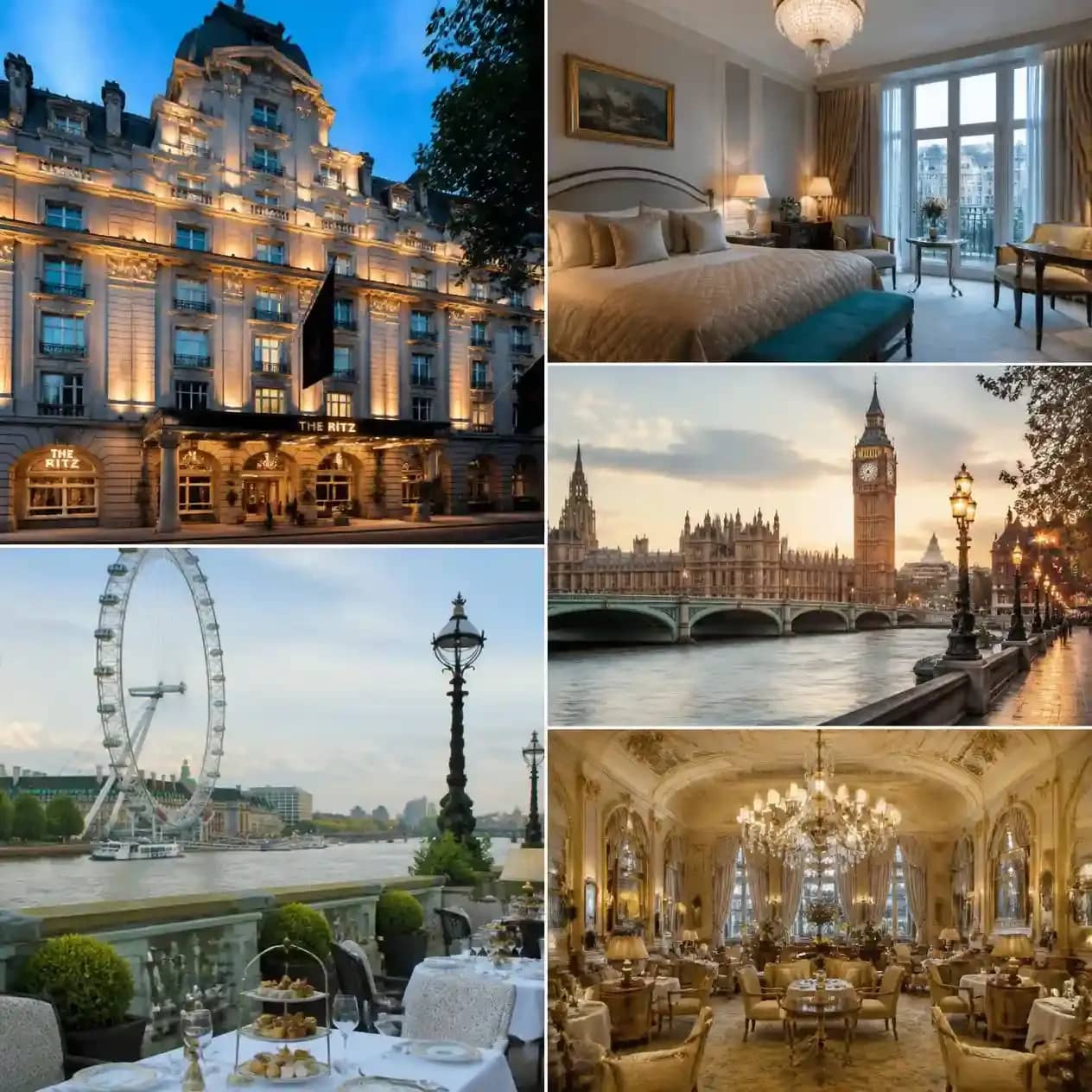
Best Hotels in London: A Complete Guide to Every Kind of Stay (2026)
10 min read
Key Highlights
- In London, your postcode sets your daily rhythm more than your hotel does — the right base makes the city feel half its size.
- The single most useful rule: stay within a five-minute walk of a Tube or Elizabeth Line station, luggage and all.
- Typical 2026 nightly rates run roughly £80–130 for budget, £180–280 for mid-range and £400–750+ for luxury (about $102–166, $230–358 and $512–960+).
- Mayfair and the West End sit at the top of the price ladder; South Bank, Shoreditch and Camden give you similar centrality for noticeably less.
- Book two to three months ahead as standard, and six months ahead for summer, Christmas or a major event.
The best hotels in London aren't a single list — they're the right match of area, price tier and traveller type. Base yourself in Covent Garden or South Bank for a first visit, Mayfair for grand luxury, Kensington or South Bank for families, and Shoreditch or Camden for character at better value. This guide maps each area to what sits on its doorstep so you can choose with confidence.
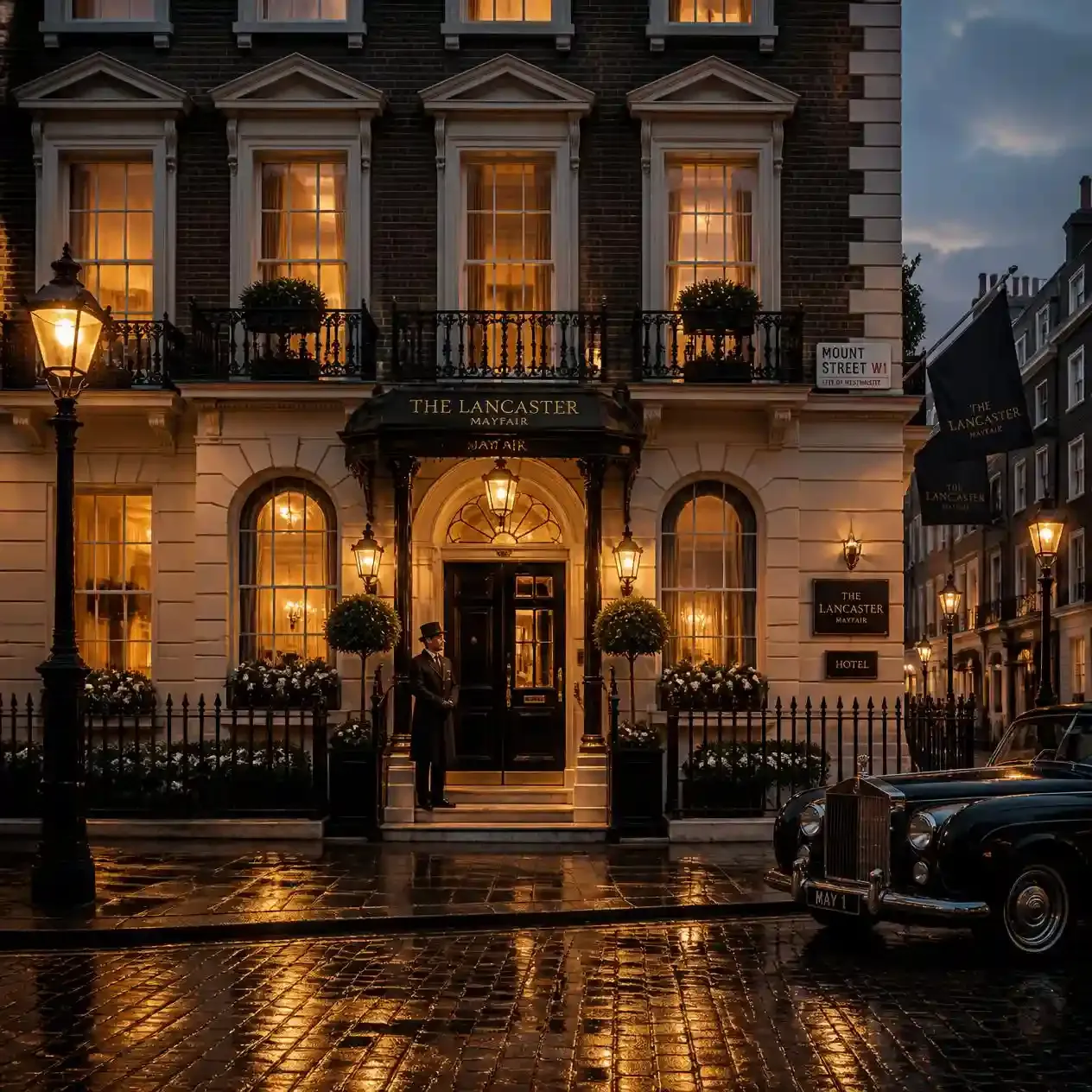
London rewards the traveller who chooses well over the one who tries to be everywhere. It isn't a city with a single centre; it's a run of villages stitched together by the Underground, and the sights you came for sit miles apart. The Tower of London and the Victoria and Albert Museum are on opposite sides of the map, so the neighbourhood you book quietly decides how your days flow.
That's why picking the best hotels in London starts with the area, not the room. In this city you pay for postcode as much as for square metres, and a smaller room in the right spot beats a larger one an hour out. Where you sleep shapes your morning coffee, your walk home after the theatre, and how much of each day disappears into transit.
What follows is a decision guide rather than a listings page: how to choose your base, the character and price of each area, what a night actually costs in 2026, and which neighbourhood suits which kind of trip. Every experience linked here has been researched and approved by local experts, so you can match your base to the days you want to have.
Where to Stay in London: How to Choose Your Base
Finding the best hotels in London is really about finding the right area first, then the room. Choose your base by two things: how central you need to be, and what you want on your doorstep. Central Zone 1 areas put the headline sights within walking distance and cost the most; central-adjacent areas a stop or two out give you most of that convenience for less. Decide the trade-off first, then pick the neighbourhood whose character matches your trip.
Your postcode sets your daily rhythm
London's geography does the planning for you if you let it. Stay in Westminster and you wake up beside Big Ben and the parks; stay in Shoreditch and you wake up to markets, coffee roasters and late-night food. Neither is better — but they produce completely different trips. Work out the version of London you came for, then book the postcode that delivers it without a daily commute.
The one rule: stay near a station
Whatever your budget, book within a short walk of a Tube or Elizabeth Line station. The difference between a twelve-minute trek with suitcases and stepping from your lobby straight onto a platform is the difference between a trip that flows and one that feels like logistics. The Elizabeth Line is the quiet upgrade of the last few years: it links Heathrow to Bond Street, Tottenham Court Road, Farringdon and Liverpool Street in one fast, step-free run, which makes hotels near those stations a smart overall base.
Reality check: "near the Tube" is doing a lot of work
- Most central hotels claim to be close to a station. Check the actual walking line on a map before you book.
- Under five minutes on foot is close enough. Ten-plus minutes with luggage, especially with a change of line, is not.
- If you're flying into Heathrow, an Elizabeth Line station near your hotel saves the most time on arrival day.
Is staying dead-central worth it?
Staying in Zone 1 is worth it when your trip is short and sight-heavy, because the time you save on transport is worth more than the money you'd save further out. On a longer or slower trip, a central-adjacent area often gives a better experience for less.
- Worth the central premium if: it's a first visit, you have three or four days, you want to walk to the marquee sights, or you're here for the West End and late dinners.
- Not ideal if: you're staying a week or more, you value quiet residential evenings over being in the thick of it, or you'd rather put the difference towards experiences and dining.
London's Best Areas to Stay, Neighbourhood by Neighbourhood
The best hotels in London cluster in eight areas, each with a distinct character and price level. Mayfair and Westminster are grand and central; Covent Garden is the walk-everywhere first-visit pick; South Bank, Kensington and The City balance sights with breathing room; and Shoreditch and Camden trade proximity to the classic sights for energy and value. Use the table to compare at a glance, then read the area that fits.
| Area | Vibe / best for | Typical mid-range double, 2026 (GBP / USD) | On the doorstep |
|---|---|---|---|
| Mayfair & St James's | Grand, regal, luxury-led | £450–900+ / $575–1,150+ | Bond Street, Green Park, the Royal Academy |
| Covent Garden & the West End | Theatre, dining, walk-everywhere first visit | £250–420 / $320–540 | West End shows, Soho, the National Gallery |
| Westminster | Sightseeing purists, quieter evenings | £220–400 / $280–510 | Buckingham Palace, Westminster Abbey |
| South Bank & Southwark | Families, walkers, culture, better value | £180–320 / $230–410 | Borough Market, The Shard, London Eye |
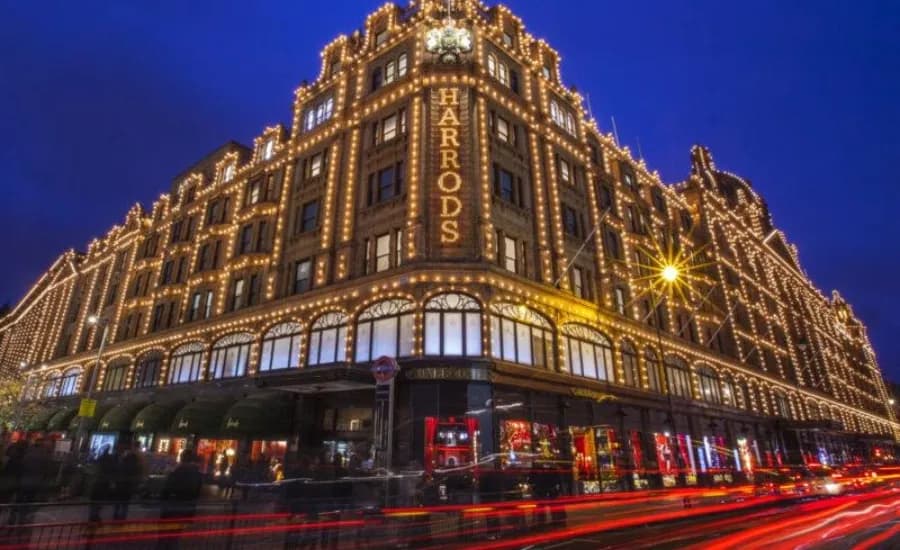
| Kensington & Chelsea | Museums, families, upscale calm | £220–450 / $280–575 | The V&A, Natural History Museum, Harrods |
| The City | History, business, quiet weekend value | £160–300 / $205–385 | Tower of London, Tower Bridge |
| Shoreditch & East London | Creative, food-led, nightlife, value | £150–280 / $190–360 | Brick Lane, Spitalfields, Columbia Road |
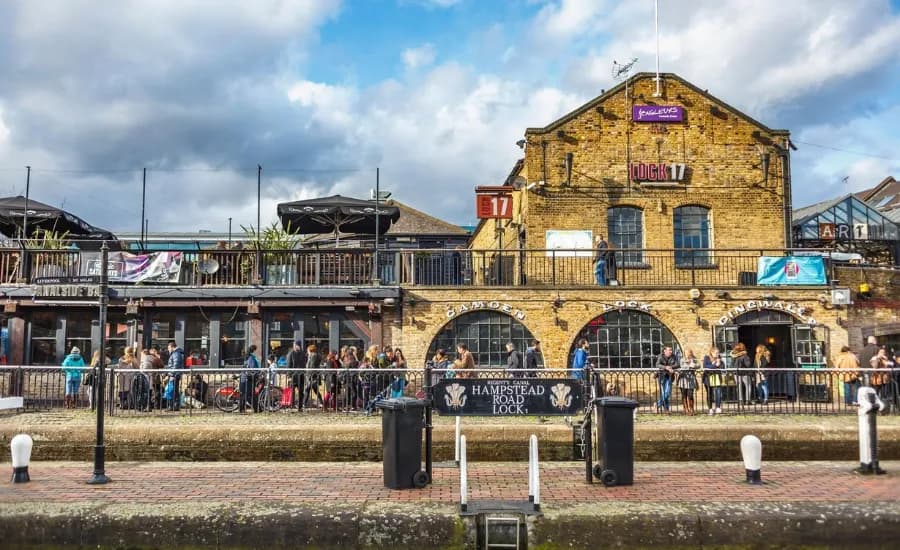
| Camden & King's Cross | Offbeat, well-connected, good value | £130–240 / $165–305 | Camden Market, Regent's Park, Coal Drops Yard |
Mayfair & St James's — grand, regal, luxury-led
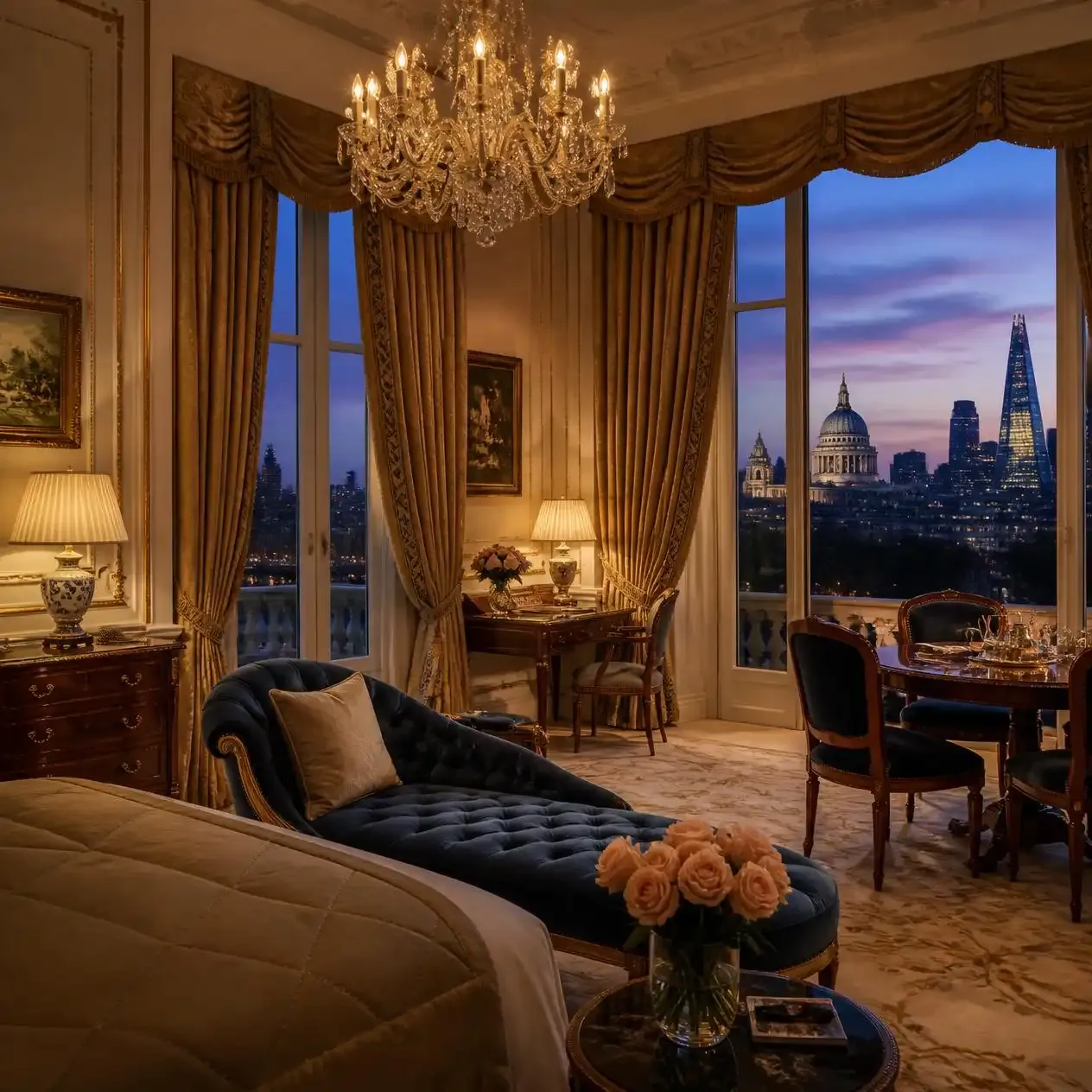
This is the London of elegant streets, historic architecture and the grandest hotels in the city. Base here for a special-occasion trip: the great names — the kind that turn afternoon tea into a ritual — sit within a few blocks, and Green Park and St James's Park give you calm between them. It's the most expensive part of town, but the address buys quiet, service and immediate access to Bond Street and Savile Row. Best for luxury travellers and returning visitors who want regal London done properly.
Covent Garden & the West End — theatre, dining, walk-everywhere
For a first trip, Covent Garden is the easiest answer in London. From here you can walk to the West End theatres, Trafalgar Square, the National Gallery, the river and hundreds of restaurants without touching the Tube. The trade-off is price and crowds — this is one of the most in-demand postcodes in the city. Neighbouring Soho puts you in the middle of the dining and nightlife, though it stays loud late. Best for theatre-goers, shoppers and anyone who wants to walk to everything.
Westminster — sightseeing on your doorstep
Westminster is the postcard: Buckingham Palace, Westminster Abbey and Big Ben are a short walk apart, and the government quarter empties out in the evening, so nights are calmer than the West End. Hotels here lean grand and traditional, with fewer budget options. Best for sightseeing-first travellers who want the marquee monuments close and a quiet base to return to.
South Bank & Southwark — riverside, family-friendly, better value
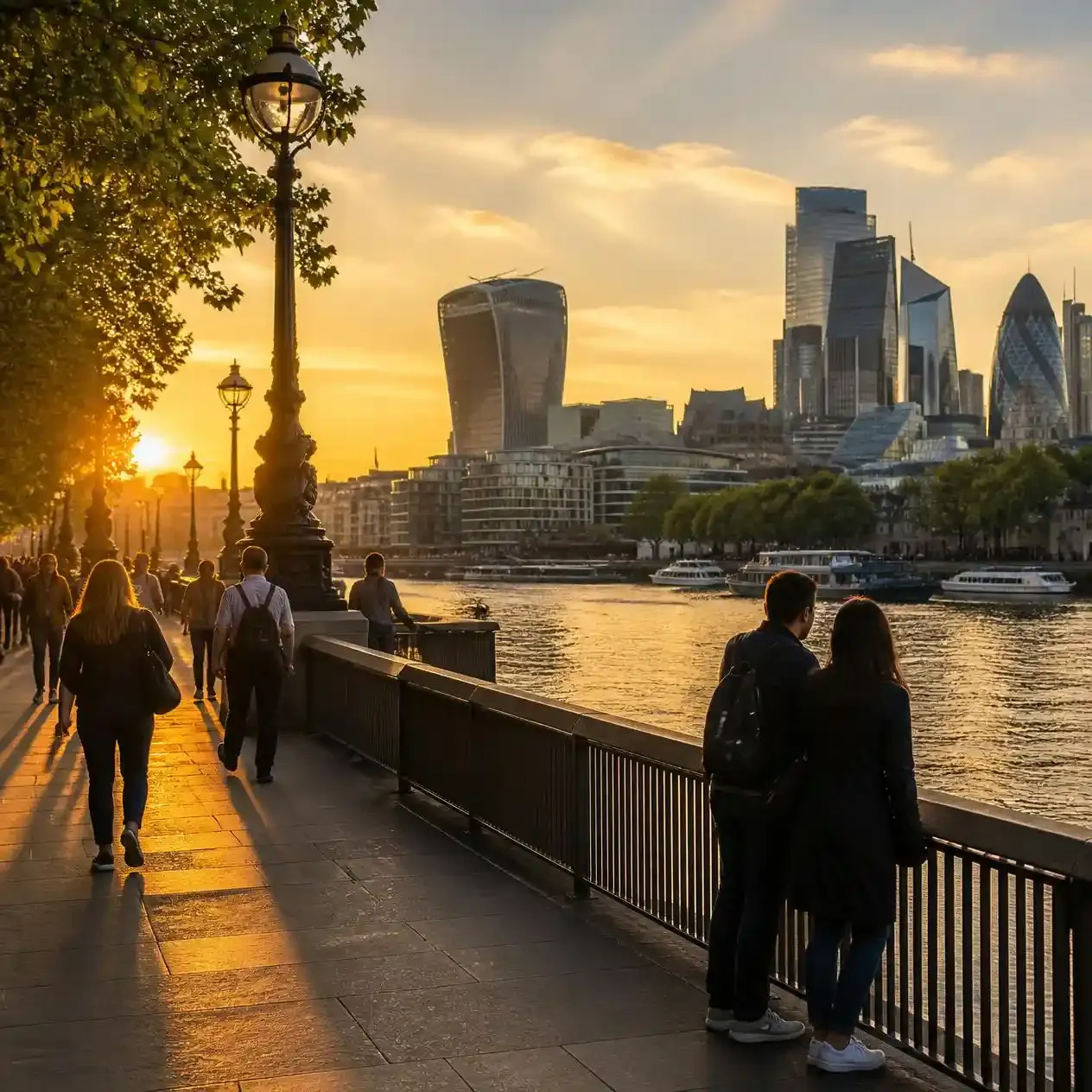
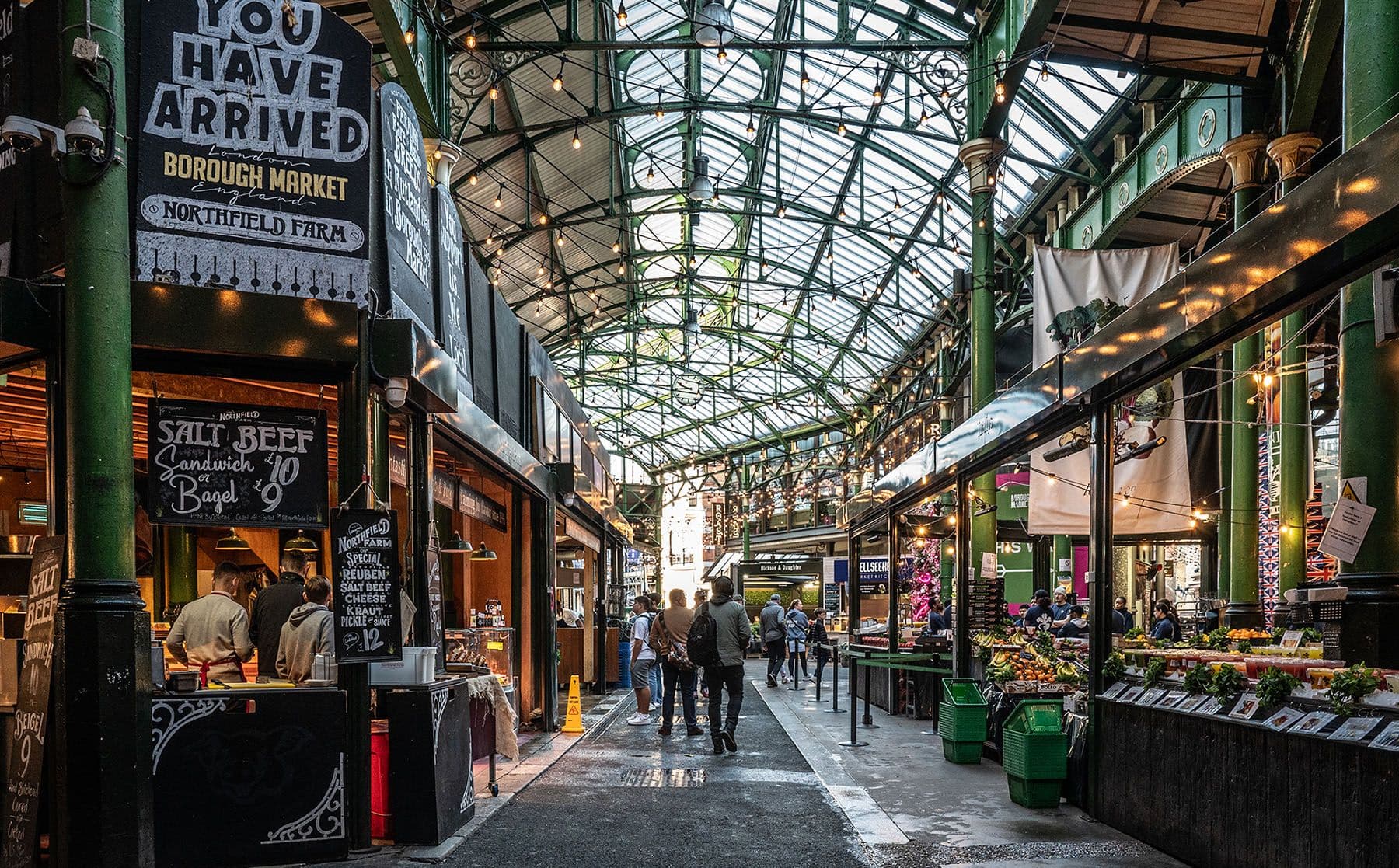
The stretch along the south side of the Thames is one of the best walking bases in London and a favourite of locals. You get wide riverside paths, Borough Market, world-class galleries and the views back across the water, with the London Eye and The Shard bookending the area. It tends to be better value than the West End for a similarly central stay, and quieter at night. Best for families, walkers and culture-first trips.
Kensington & Chelsea — museums and upscale calm
Polished, residential west London, with elegant streets and the museum quarter — the V&A, the Natural History Museum and the Science Museum — clustered together, plus Hyde Park and Harrods nearby. South Kensington is the most practical base, especially for museum-heavy family trips; Knightsbridge and Chelsea are quieter and more upscale. Best for families, museum lovers and travellers who want calm streets over late-night energy.
The City — deep history and quiet-weekend value
The original square mile is busy with office workers by day and remarkably quiet at night and on weekends — which is exactly why it can be a value play. You're beside the Tower of London and Tower Bridge, on strong transport links, and rates can soften on Friday and Saturday nights when the business crowd clears out. Best for history lovers and weekend visitors happy to trade evening buzz for centrality and price.
Shoreditch & East London — creative, food-led, good value
The most creatively charged part of the city, and one of the best-value central-adjacent bases. Street art covers whole buildings, the restaurant scene runs from Brick Lane curry houses to inventive small-plate rooms, and design-led hotels come in noticeably cheaper than the West End. It's a short hop from the City and well-linked east and central. The trade-off: you're further from the classic sights, and streets around Shoreditch High Street stay lively into the early hours on weekends. Best for food-led travellers, repeat visitors and anyone drawn to nightlife over royal London.
Camden & King's Cross — offbeat and well-connected
Camden brings the alternative, market-driven side of London, while King's Cross has quietly become one of the city's best-connected corners — St Pancras, the Eurostar and six Tube lines, plus the redeveloped Coal Drops Yard for dining and design. Rates run below the West End, and Regent's Park and Primrose Hill give you green space and one of London's best skyline views. Best for value-minded travellers, repeat visitors and anyone using the Eurostar or heading north.
Quieter bases: Greenwich and Notting Hill
If you want a slower, more residential feel, two areas reward it. Greenwich trades centrality for riverside calm, maritime history and a village pace, with fast links into town and Greenwich Park on the doorstep. Notting Hill offers leafy garden squares, the Portobello Road market and boutique hotels, with Hyde Park a short walk south. Both suit a low-key stay over a sightseeing sprint.
Reality check: the value swap most visitors miss
- Covent Garden is the most-booked and among the priciest areas per night, and it's busy from morning to late.
- South Bank and Southwark give you a similarly central, walk-everywhere stay, often 20–30% cheaper for an equivalent hotel, and much quieter after dark.
- If proximity to the West End theatres isn't your top priority, the river side is the smarter base for most trips.





London Hotel Prices in 2026: What Each Tier Actually Costs
Expect to pay around £210 a night (roughly $269) for an average London hotel in 2026, with the market benchmark sitting near £193 (about $248) and climbing through the summer. Prices break down cleanly by tier, and where you stay shifts the figure as much as the star rating does. The ranges below are for a typical double, before seasonal spikes.
- Budget (clean, functional, well-located): £80–130 / $102–166 per night
- Mid-range (three to four star, proper restaurant and bar): £180–280 / $230–358 per night
- Luxury (four to five star, concierge, spa, fine dining): £400–750+ / $512–960+ per night
- Grand-name London (the marquee Mayfair and riverside properties): from £500–650+ / $640–830+ per night
What's included, and what's extra
The advertised nightly rate is rarely the whole bill. Budget and mid-range hotels usually charge for breakfast, and add-ons stack up quietly over a stay.
- Breakfast: £15–28 per person at many mid-range hotels; four- and five-star rates more often include it — check before you book.
- Wi-Fi, gym, late checkout: sometimes free, sometimes charged; a "£150" room can land closer to £180 once extras are added.
- City tax: London has no tourist or bed tax, unlike Paris or Rome, so there's no surprise nightly levy — though a handful of hotels apply their own amenity fee.
Reality check: judge the total, not the nightly figure
- A single expensive night — a Friday, or a night during a major event — can distort a stay's average and make the whole quote look steep.
- Compare the full stay total with breakfast and extras included, not the headline rate.
- Refundable rooms cost more than non-refundable ones; the flexibility is often worth it in a city where prices move constantly.
How area changes the price
Two hotels of the same standard can differ by a third or more depending on the postcode. As a rough guide for 2026:
- Priciest: Mayfair, Covent Garden and the West End, Westminster.
- Mid: Kensington, Marylebone, South Bank.
- Better value, still central-ish: The City at weekends, Shoreditch, Camden and King's Cross — often 20–30% below an equivalent West End room.
Which London Hotel Is Right for You? By Traveller Type
The best hotels in London depend as much on who's travelling as on budget. Match the area to your trip type and the choice gets simple.
First visit
Choose Covent Garden, the West End or South Bank. Staying this central on a short first trip buys back time you'd otherwise lose to the Tube, and puts the headline sights, theatres and the river within walking distance. Book as central as your budget allows and don't overthink the exact street.
Couples
Choose Mayfair or Marylebone for a polished, romantic base, or Notting Hill and the South Bank for something leafier and more relaxed. Prioritise a quiet street and late-night walkability over room size — on a short couples trip, the walk home matters more than square footage.
Families
Choose South Bank or South Kensington. South Bank pairs the London Eye, riverside walks and Borough Market with generally better-value family rooms; South Kensington puts the free museum quarter and Hyde Park on the doorstep. Both are safe, walkable and central without the chaos of the West End.
Luxury travellers
Choose Mayfair, St James's or a Thames-facing riverside property. This is where the grandest hotels and the finest dining sit, and where the service and quiet justify the premium. If you'd rather have the view than the postcode, a river-facing South Bank suite delivers the skyline for less.
Business travellers
Choose The City or a hotel beside an Elizabeth Line station. The City puts you in the financial district with strong links and softer weekend rates; an Elizabeth Line base around Farringdon, Liverpool Street or Bond Street gives fast, step-free connections to Heathrow and across town.
Solo and repeat visitors
Choose Shoreditch, Camden or Greenwich for a stay with more local texture and better value. These areas reward a second or third London trip — food, markets and neighbourhood character over the marquee sights — while staying well within reach of the centre.
Booking Smart, and the Areas to Approach with Care
Even the best hotels in London disappoint if you book the wrong dates or the wrong street. Getting the timing and the exact location right is what separates a good stay from a frustrating one, and a little planning on when to book — and which streets to avoid — goes a long way.
When to book
- Standard trips: two to three months ahead secures the best mix of price and choice.
- Summer (June–August), Christmas and major events: six months ahead — London hotels fill faster than almost any European city, and the best-value rooms go first.
- Cheapest window: January and February, when rates can run 30–40% below peak. The weather is grey, but the theatre, museums and pubs are at their best.
Reality check: midweek and weekend prices move in opposite directions
- Leisure-heavy areas (the West End, South Bank) spike on Friday and Saturday nights.
- Business-heavy areas (The City, Canary Wharf) spike midweek and soften at weekends — a City weekend can be a genuine value play.
- If your dates are flexible, shifting by a night or two around these patterns can cut the total noticeably.
Getting around from your base
Wherever you land, London's transport does the heavy lifting. Contactless taps cap automatically each day, so you never overpay; the Elizabeth Line handles airport runs and cross-city hops; and the Night Tube runs all night on Fridays and Saturdays across the Victoria, Central, Jubilee, Northern and Piccadilly lines, so a late dinner or a West End show never means a surge-priced taxi home.

Areas to approach with care
A few well-known spots underdeliver as a base, even though they show up cheap or convenient.
- Immediate King's Cross and Paddington: excellent for transport, but the streets right around the stations feel like transit hubs. Bloomsbury (just south of King's Cross) and Notting Hill (a short walk from Paddington) are far more rewarding for the same access.
- Leicester Square and Piccadilly Circus: places to pass through, not stay near — noisy at all hours and ringed by overpriced chains. Sleep a few streets away in Soho or Covent Garden instead.
- Bargain "London" hotels in Zones 3–4: a room that looks cheap can cost you 45 minutes each way. Prioritise a central postcode near a station over a larger room far out.
Choosing your London base
The best hotels in London come down to three decisions: how central you need to be, which area's character fits your trip, and what you're willing to spend per tier. For a first visit, stay central in Covent Garden or on the South Bank. For grand luxury, Mayfair. For families, the river or South Kensington. For character and value, Shoreditch or Camden. Get the area right and the city shrinks to a walkable size around you.
Once you've picked your base, the next step is planning the days themselves — the experiences, tours and tables worth booking before you arrive, each researched and approved by local experts. Start planning your London trip on Travjoy and build your itinerary around the neighbourhood you've chosen.





.svg&w=1920&q=75)