




Batam Day Trip from Singapore: The Ultimate Guide
19 min read

Sandeepa K
Author
Long-term traveller and AI Expert.
SHARE BLOG
TABLE OF CONTENTS
- Getting from Singapore to Batam: Ferries, Terminals, and What to Expect
- What to Do on a Batam Day Trip from Singapore
- Where to Eat in Batam — A Practical Food Guide
- A Realistic One-Day Batam Itinerary
- Practical Tips Before You Go
- Conclusion
- The ferry from HarbourFront to Batam takes 45–70 minutes and costs SGD 28–43 one-way (USD 21–32) depending on operator
- Singapore passport holders enter Batam visa-free; all travellers must complete the Indonesia e-Customs declaration before arrival
- Match your Singapore departure terminal to your Batam destination — the wrong pairing adds over an hour of taxi time
- In one day, you can realistically cover 2–3 highlights: Barelang Bridge, Harbour Bay seafood, and either a massage or beach time — not all four
- Dry season (March–September) gives you the most reliable weather and calmer seas for the crossing
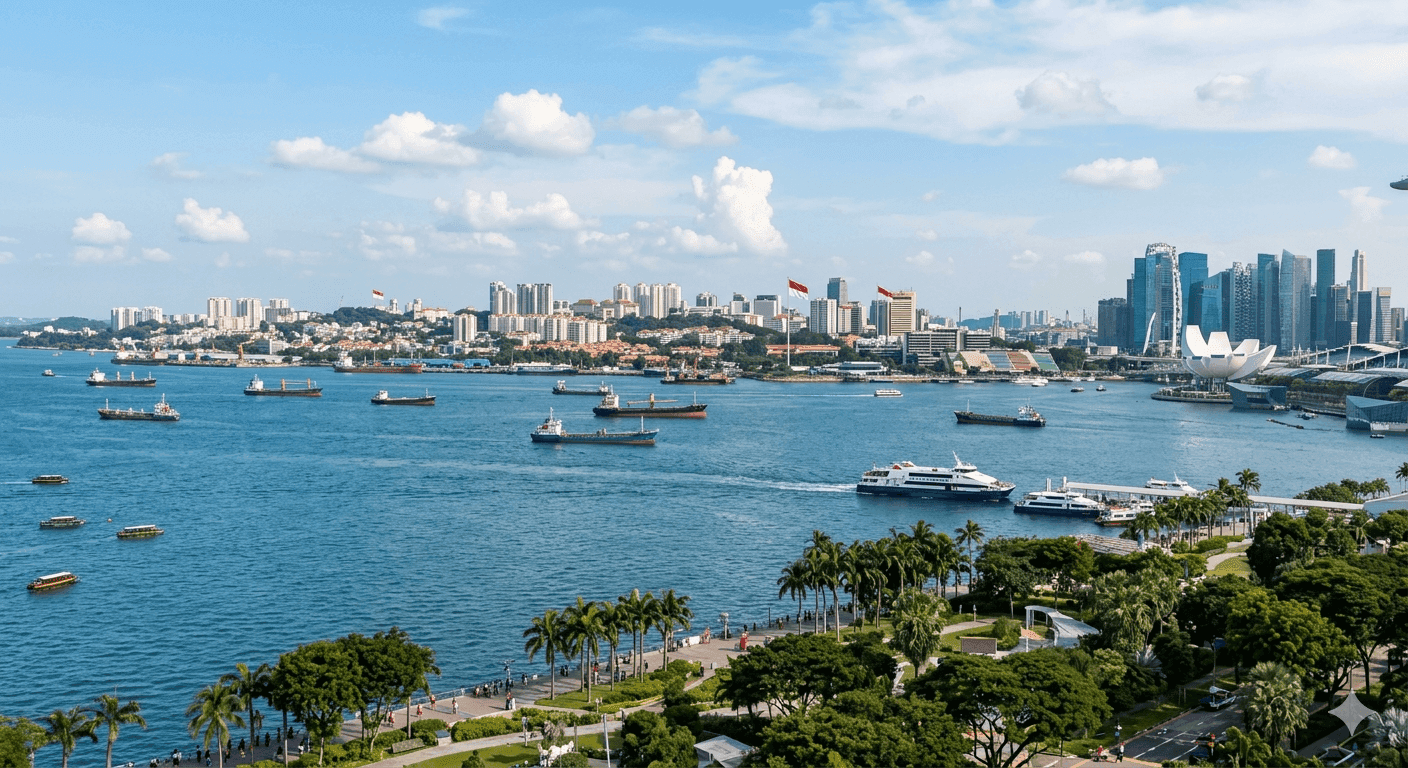
A Batam day trip from Singapore takes under an hour by high-speed ferry, with multiple daily departures from HarbourFront and Tanah Merah. In a single day you can cover the Barelang Bridge, Harbour Bay seafood, an Indonesian massage, and quick shopping at Nagoya Hill — but realistic logistics mean you'll pick 2–3 highlights, not all of them.
Batam is 54 kilometres from Singapore's city centre, yet most guides describe the trip as though it's as simple as hopping on a bus. It's not difficult — but the wrong terminal combination can cost you 90 minutes of your day before you've seen anything. Batam has five ferry terminals. Singapore has two. Each pairing gets you to a different part of the island, and if your goal is Harbour Bay seafood but you land at Sekupang, you're in a taxi for 40 minutes with your precious day trip hours ticking down.
This guide cuts through that confusion. It covers which terminal takes you where, what the crossing actually costs in 2025, what you can fit into a single day without rushing, and where to eat seafood that isn't aimed exclusively at tour groups. Whether you're heading to Batam for the first time or planning a more purposeful return, this is the practical detail most guides skip.

Getting from Singapore to Batam: Ferries, Terminals, and What to Expect
The ferry is the only way to reach Batam from Singapore, and it's a well-run crossing — multiple operators, 100+ daily departures, and a journey time of 45–70 minutes depending on your route. The complication isn't the crossing itself. It's knowing which terminal on the Singapore side connects to which part of Batam, and choosing accordingly.
Which Singapore Terminal Should You Leave From?
Singapore has two ferry terminals that serve Batam routes: HarbourFront Centre and Tanah Merah Ferry Terminal. They serve different parts of Batam and suit different travellers.
- HarbourFront Centre — the primary departure point for most visitors. Connected directly to VivoCity Mall and HarbourFront MRT Station (Circle and North East lines). Most operators depart from here, and it covers the widest range of Batam terminals. Arrive 45–60 minutes early on weekdays; 60–75 minutes on weekends.
- Tanah Merah Ferry Terminal — suited to travellers coming from Changi Airport or the eastern side of Singapore. Serves Nongsapura and Nongsa routes, making it the better option if your main goal is Nongsa Beach or Montigo Resort.
Matching Your Terminal to Your Batam Destination
This is the step most guides skip, and it's the one that matters most for a day trip. Choose your Batam arrival terminal based on where you want to spend the day — not based on whichever ferry is cheapest or departs soonest.
| Singapore Terminal | Batam Terminal | Journey Time | Best For |
|---|---|---|---|
| HarbourFront Centre | Batam Centre | ~45 min | City sightseeing, Maha Vihara Temple, Barelang Bridge day trip, Nagoya Hill shopping |
| HarbourFront Centre | Harbour Bay | ~50 min | Seafood dining strip, Nagoya Hill (short taxi), Marriott Hotel, waterfront sunset |
| HarbourFront Centre | Sekupang | ~50–60 min | Beach resorts, quieter areas, domestic ferry connections to other islands |
| Tanah Merah | Nongsapura / Nongsa | ~50 min | Nongsa Beach, Montigo Resort, beach-focused day trips |
For most first-time day-trippers, HarbourFront to Batam Centre is the most practical pairing. It puts you in the heart of the island with easy access to every major attraction.
Ferry Operators, Costs, and Booking Tips (2025 Prices)
Four main operators run the Singapore–Batam route in 2025. Prices vary slightly by operator and whether terminal departure fees are bundled into the listed fare — read the booking breakdown carefully before confirming.
- Sindo Ferry — SGD 28 one-way / USD 21 | SGD 56 return. Up to 18 daily sailings on three routes. NTUC member discounts available.
- BatamFast — SGD 43 one-way / USD 32 | SGD 76 return. Up to 21 daily sailings on four routes. Published fares include Singapore and Batam terminal fees.
- Majestic Fast Ferry — up to 21 daily sailings; pricing comparable to Sindo. Covers all main terminals.
- Horizon Fast Ferry — up to 13 daily sailings on one route. Newer vessels; HarbourFront to Harbour Bay service.
- First departures start around 6:30am Singapore time; last returning ferries leave Batam around 8:30–9:00pm Batam time (Batam is one hour behind Singapore).
- Book online in advance for weekends, public holidays, and school break periods — popular crossings sell out.
One Pricing Note Worth Knowing
- Some operators list a base fare that excludes Singapore Passenger Terminal Fees (~SGD 2–4) and Batam Port Fees (IDR 75,000 / ~SGD 7). These are collected separately at the counter or on arrival.
- BatamFast typically bundles all fees into the headline price; Sindo typically does not. Compare totals, not headline fares.
- Ferry prices can rise 15–30% during peak periods (Chinese New Year, Hari Raya, school holidays). Book at least a week ahead.
Clearing Immigration Without Delays
The Singapore side is fast — standard border check with your passport and boarding pass. The Batam side adds one step that catches travellers off guard if they haven't prepared: the Indonesia e-Customs Declaration.
- e-Customs Declaration (mandatory from October 2025) — complete online via the Indonesian Customs portal up to two days before arrival. You'll receive a QR code; screenshot it and have it ready before exiting the terminal in Batam.
- Visa requirements — Singapore passport holders enter Indonesia visa-free for up to 30 days. Most other nationalities can obtain a Visa on Arrival (VOA) at Batam's international ports; fee approximately USD 35. Confirm requirements with the Indonesian Immigration Directorate before you travel, as rules can update.
- Passport validity — at least 6 months from your entry date. No exceptions.
- Return ticket — Batam immigration officers frequently ask for proof of onward or return travel. Have your return ferry booking accessible on your phone.
- Arrive at the Singapore terminal 45–60 minutes before departure on weekdays; 60–75 minutes on weekends and public holidays.
What to Do on a Batam Day Trip from Singapore
Batam's attractions spread across a large island — driving distances are longer than they look on a map. The four most popular day-trip experiences are Barelang Bridge, Maha Vihara Duta Maitreya Temple, Nagoya Hill, and Harbour Bay's waterfront. A single day is enough for any two or three of these. Trying all four typically means rushing each one.
Barelang Bridge — Batam's Most Photographed Landmark
Barelang Bridge is a chain of six causeways linking Batam to six smaller surrounding islands, built in the 1990s as part of the Batam–Rempang–Galang development project. The main bridge — Jembatan Barelang — spans 642 metres and sits low over the water, offering an uninterrupted view of the strait and surrounding mangroves.
- Location: approximately 25–30 minutes southwest of Batam Centre by car
- Entry: free; no tickets required
- Best time: mid-morning before tour groups arrive; early afternoon light is better for photography than noon
- Transport: hire a private driver for a half-day circuit (IDR 300,000–600,000 / SGD 28–56 for the car, regardless of how many people share it); ride-hail apps work but add waiting time between stops
- Worth knowing: the drive itself takes you through working-class Batam neighbourhoods — it's as much a window into the island's everyday life as it is a sightseeing stop
Maha Vihara Duta Maitreya Temple
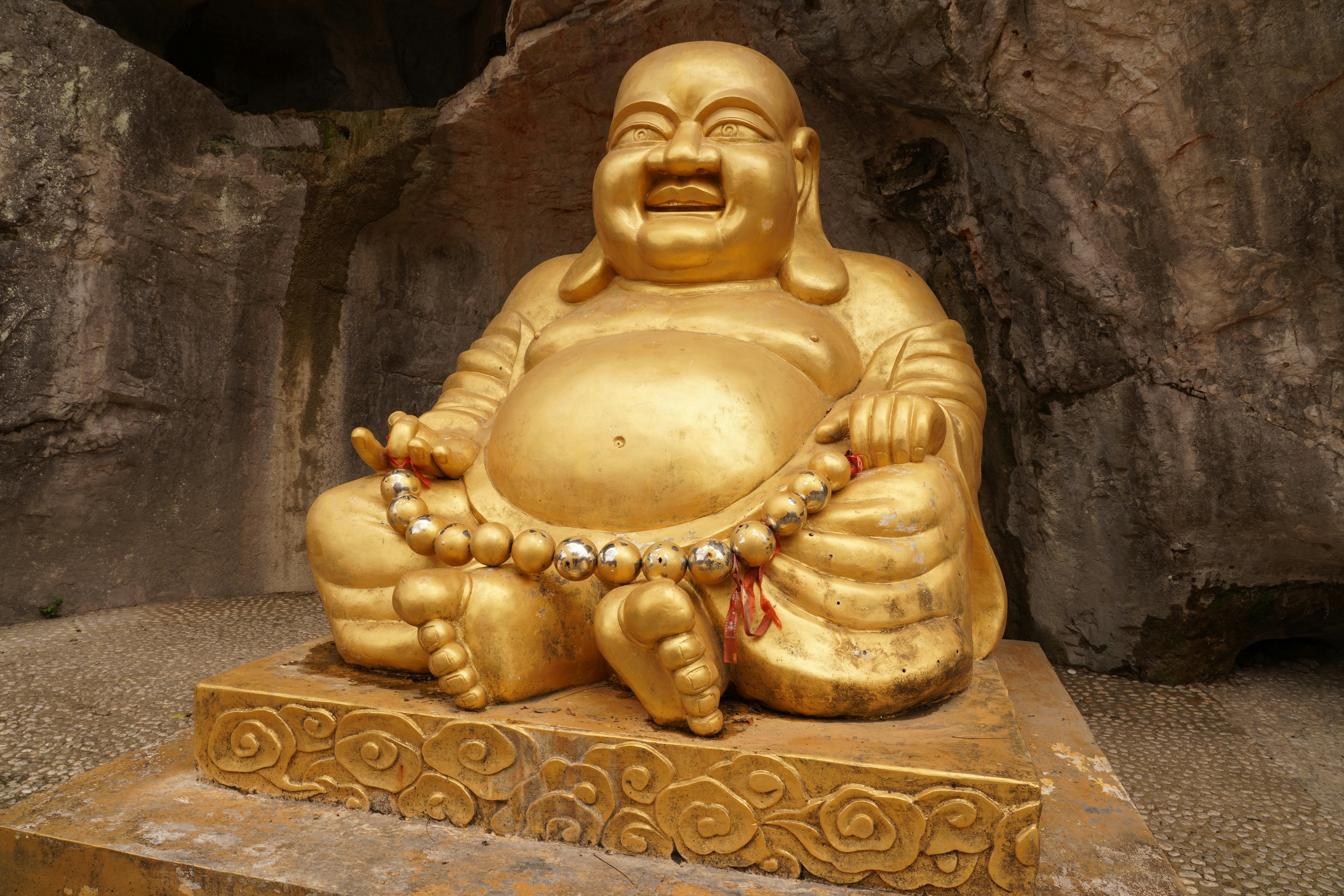
One of Southeast Asia's largest Buddhist temple complexes, Maha Vihara Duta Maitreya sits about 15 minutes from Batam Centre ferry terminal. The compound includes a 30-metre seated Maitreya Buddha statue visible from the road, several ornate halls, and a Vietnamese refugee camp memorial that gives the site its historical weight — the camp housed thousands of Vietnamese refugees in the 1970s and 1980s.
- Entry: free; donations welcome
- Dress code: shoulders and knees covered — bring a light scarf or sarong if needed
- Time needed: 45–60 minutes for a relaxed visit
- Best paired with: Barelang Bridge into a single morning circuit (temple first, then drive to Barelang)
Nagoya Hill — Shopping, Massage, and Kue Lapis
Nagoya is Batam's main commercial district, anchored by Nagoya Hill Mall — a multi-storey complex with electronics, fashion, and a popular indoor food street. It's not a luxury shopping experience, but for electronics, local snacks, and Indonesian essentials at prices well below Singapore, it's efficient and air-conditioned.
- Kue lapis (Indonesian layered cake): Kusuka is the most popular shop, selling hand-pressed layered cakes in 10+ flavours; IDR 50,000–150,000 per box (~SGD 5–14). Free samples at the counter — try before you buy.
- Indonesian massage: Several standalone studios and hotel spas operate around Nagoya. A 90-minute traditional Indonesian massage typically costs IDR 150,000–250,000 (~SGD 14–23). Book on arrival or call ahead on busy weekends.
- Coffee: Multiple cafés and local kopitiams around Nagoya serve Indonesian kopi — full-bodied and stronger than Singapore's kaya toast coffee, typically IDR 10,000–25,000 (~SGD 1–2.30).
Harbour Bay Waterfront — Sunset, Seafood, and the Promenade
Harbour Bay is a waterfront promenade lined with live-seafood restaurants, casual eateries, and a handful of bars. In the evening it's Batam's most atmospheric dining spot — fishing boats visible on the water, tables practically on the dock, and a breeze that makes eating outdoors bearable even in the tropics. If you're on a day trip catching a late ferry, this is where to spend your final two hours. Explore more options through Batam experiences on Travjoy — the platform's Singapore-based team has reviewed the key activities so you can book with confidence.
Where to Eat in Batam — A Practical Food Guide
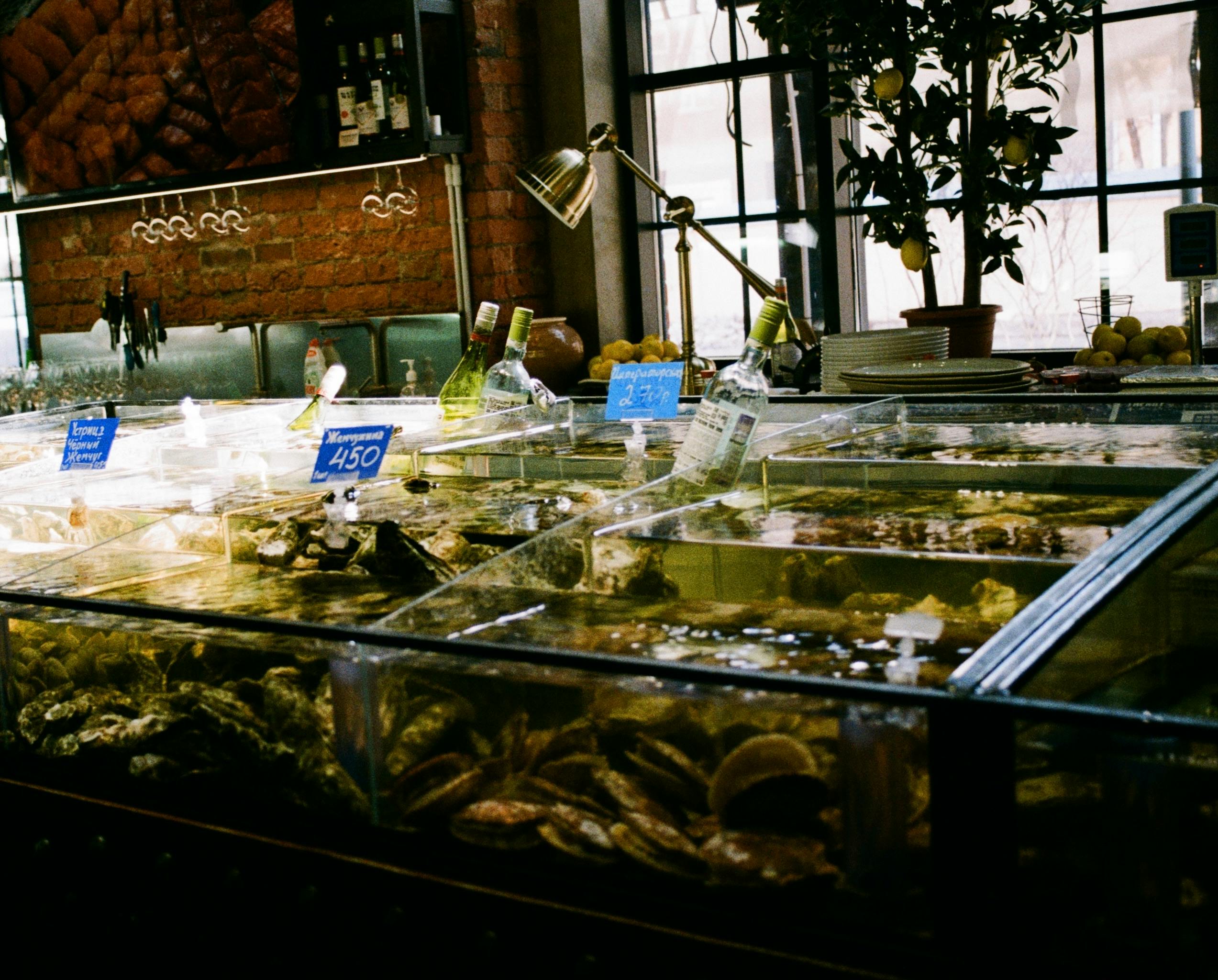
Batam's food scene runs on seafood, and the gap between a good meal and an overpriced tourist-facing one is real. The restaurants closest to ferry terminals tend to prioritise turnover. Moving one or two neighbourhoods further gets you fresher fish, lower prices, and a dining room that actually fills with locals.
Harbour Bay Seafood Strip
The cluster of restaurants along the Harbour Bay promenade is the most tourist-accessible seafood area in Batam, with the trade-off that prices here are slightly higher than equivalent quality elsewhere on the island. That said, the setting — waterfront tables, live music on weekends, direct views of the strait — justifies the premium for a day trip where atmosphere matters.
- Harbour Bay Seafood Restaurant — the anchor restaurant on the promenade. Known for black grouper and crispy squid; add 10% service charge. Live bands on Friday and Saturday evenings. Arrive by 5pm to secure outdoor waterfront seating.
- Wey Wey / Sei Enam — mid-range options popular with Singapore day-trippers; reliable for chilli crab, butter prawns, and steamed fish. Budget SGD 15–30 per person for a seafood meal.
- Jumbo Thai Kitchen — for a break from Chinese-Indonesian seafood; pad thai from IDR 50,000 (~SGD 5), fried prawn with cereal IDR 68,000 (~SGD 6.30). Casual, no pork.
Golden Prawn 933 — The On-Water Dining Icon
Golden Prawn 933 sits near Bengkong, about 30 minutes from Batam Centre by car — far enough that most day-trippers skip it, which is a mistake. The restaurant is built on a waterfront platform with live seafood tanks where you select your own catch. It has been drawing visitors from Singapore for decades, and repeat visitors tend to be regulars.
- Specialities: fresh prawns (best steamed simply), butter garlic lobster, black pepper or chilli mud crab
- Pre-order large Sri Lankan crabs or lobster when you book — popular cuts sell out early on weekends
- Cost: IDR 200,000–400,000 per person (~SGD 19–37) for a full seafood spread; prices depend on market rates for crab and lobster
- Best for: couples celebrating something, or groups willing to make the drive for a step up in quality and setting
Local Dishes Worth Ordering
Batam's most interesting food isn't on the tourist menus. These are the dishes worth seeking out — all of them affordable, none of them hard to find if you walk a few minutes off the main promenade.
- Mie tarempa — the signature noodle of the Riau Islands. Flat, chewy noodles with a reddish, spiced sauce; the seafood version includes prawns, squid, and fishcake. IDR 19,000–25,000 (~SGD 2–2.30) at local warungs.
- Nasi kuning — turmeric rice served with accompaniments at local breakfast stalls, typically open until 11am. IDR 15,000–30,000 (~SGD 1.50–2.80). The legendary 40-year-old stall at Tanjung Batu sells out by 11am.
- Kelong dining — open-air restaurants built on stilts over the water, concentrated around Nongsa and near Barelang Bridge. Kopak Jaya 007 near Barelang offers gong gong, clams, crab, and squid with a clear view of the bridge at sunset. Prices are comparable to mid-range Harbour Bay but the setting is less tourist-facing.
Which Traveller Type Should Eat Where?
- Couples: sunset table at Harbour Bay Seafood Restaurant or make the drive to Golden Prawn 933 for a more memorable setting
- Families with children: Nagoya Hill Food Street — indoor, air-conditioned, with A&W, local mains, and a range of options for different appetites. About 20 minutes from Batam Centre.
- Budget travellers: A2 Food Court near Nagoya — over 30 stalls covering Indonesian staples, everything under IDR 30,000 (~SGD 3). Busy, local, reliable.
- Food-focused visitors: combine a mie tarempa breakfast near the terminal, lunch at Golden Prawn 933, and an evening kelong dinner near Barelang — this structures the whole day around eating and covers the full range of Batam's food identity
A Realistic One-Day Batam Itinerary
A Batam day trip from Singapore works best when you resist the urge to pack in everything. The island is bigger than it looks on the map, and the drive from Batam Centre to Barelang Bridge and back already takes about an hour of your day. The itinerary below is structured around Batam Centre as the arrival terminal — the most practical pairing for a first visit. You can explore Batam's broader experiences through island tours available on Travjoy, which include guided options that handle the logistics for you.
Morning — Leave Singapore on the 7:30am Ferry
- Arrive at HarbourFront terminal by 6:45am; clear Singapore immigration and board
- Arrive Batam Centre approximately 8:30am (Singapore time); clear Indonesian immigration — have your e-Customs QR code ready
- First stop inside the terminal: buy a local Telkomsel SIM (~IDR 50,000 / SGD 5 for 10GB) to activate Grab and Gojek
- Grab a taxi or pre-arranged driver to Maha Vihara Duta Maitreya Temple (15 min); spend 45–60 minutes exploring the compound
Mid-Morning to Afternoon — Barelang Bridge and Lunch
- Drive from the temple to Barelang Bridge (20–25 min); allow 45–60 minutes to walk the viewpoints, photograph the bridge, and absorb the strait views
- Return toward the city; lunch at Harbour Bay Seafood strip by 12:30–1:00pm. Order early — service slows at peak hour.
- After lunch: walk the Harbour Bay promenade (~20 minutes) before the afternoon activity
Afternoon — Nagoya Hill or Nongsa Beach
This is where you choose your afternoon based on what you want most from the day:
- If you want to relax indoors: head to Nagoya Hill (15–20 min from Harbour Bay). Buy kue lapis, book a 60-minute massage (arrive by 2:30pm to finish by 4pm), browse the mall.
- If you want beach time: Nongsa Beach is about 30 minutes from Batam Centre. Pack light; the beach is quiet on weekdays. Note: this option works better with a late-afternoon ferry or if you arrived at Nongsapura terminal instead.
- If you're with a food-focused group: drive out to Golden Prawn 933 for an early dinner by 3:30–4pm, then head straight to the ferry terminal afterward.
Evening and Return Ferry
- Arrive at Harbour Bay waterfront by 5:00pm for drinks and sunset over the strait
- Board your return ferry at 7:30–8:00pm Batam time (8:30–9:00pm Singapore time); you'll be back in Singapore before 10pm
- At the terminal: money changers at Batam Centre accept IDR back to SGD — convert any leftover rupiah before boarding
Reality Check: What You Actually Can't Do in One Day
- Barelang Bridge + Nongsa Beach + Nagoya Hill + Harbour Bay dinner = four separate directions from the city centre. Doing all four means being in a car most of the day.
- If you want a 90-minute massage AND Barelang Bridge AND a beach visit, stay overnight. The overnight option opens up the morning for a slower start and gives you a full afternoon on the beach.
- Kelong dining near Barelang is a 45-minute drive from Batam Centre — beautiful, but it commits your evening. Plan accordingly.
- The last ferry back to Singapore leaves Batam around 8:30–9:00pm Batam time. Miss it and you're booking a hotel. Check your return time before you order dessert.
Practical Tips Before You Go
The logistics of a Batam day trip from Singapore are straightforward once you know the variables. These are the details that most guides mention only in passing — and the ones that trip up first-timers the most.
Money, Currency, and Payments
The Indonesian Rupiah (IDR) is essential for street food, local taxis, small markets, and anything outside a mall or large hotel. Cards work at Nagoya Hill Mall, major seafood restaurants, and hotel spas — but not at warungs, food courts, or local transport.
- Exchange SGD to IDR at the money changers on Level 1 of HarbourFront Centre before entering the departure area — there are no ATMs once you're airside.
- Current approximate rate: IDR 10,000 = SGD 0.75 (verify the rate before you travel, as it fluctuates).
- Budget roughly IDR 200,000–300,000 (~SGD 19–28) in cash per person for a day of local food, taxis, and incidentals — more if you're planning a massage or shopping.
- Malls and hotel restaurants accept Visa and Mastercard, but add a surcharge at some venues.
Getting Around Batam
Batam is a driving island. There are no MRT lines and no public bus network oriented toward tourists. Your options are Grab, Gojek, or a private car hire — and each has a different use case.
- Grab / Gojek: both apps work in Batam; download both before you leave Singapore and activate with a local SIM on arrival. Useful for single-point trips within the city, but surge pricing applies during peak hours and pickup can be unreliable near busy terminals.
- Private car hire (driver + vehicle for the day): IDR 400,000–700,000 (~SGD 37–65) for a full day's use. Recommended if you're visiting Barelang Bridge and multiple stops — the driver waits while you explore, then takes you to the next location. Split between 2–4 people, the cost is comparable to Grab for a full day of movement.
- Avoid unmarked taxis at ferry terminals: use the licensed taxi counters inside the terminal building or your ride-hail app.
What to Pack and Prepare
- Passport with at least 6 months of validity from your entry date
- Screenshot of your e-Customs Declaration QR code (complete online up to 2 days before arrival)
- Return ferry ticket — immigration may ask for it; keep it accessible on your phone
- Small daypack; light rain jacket — afternoon showers occur even in dry season, typically brief
- Modest cover-up (sarong or long scarf) for temple visits
- Motion sickness tablets if you're prone — the Singapore Strait can be choppy, particularly during the northeast monsoon season (November to March)
- Small amount of IDR cash (see above) — do not wait until Batam to exchange money
Best Time of Year for a Batam Day Trip
Batam has a tropical climate — hot and humid year-round, with two distinct seasons that affect day trips differently.
- Dry season (March–September): the most reliable window. Lower rainfall, calmer seas, and better conditions for beach activities and outdoor sightseeing at Barelang Bridge. March and April see the fewest crowds.
- Wet season (October–February): afternoon thunderstorms are common, and the Singapore Strait can get choppy — relevant if you're prone to seasickness. Ferries run year-round, but occasional delays occur during severe weather.
- Avoid: Chinese New Year, Hari Raya, and Indonesian national holidays. Ferries fill weeks in advance, hotel prices spike, and both Singapore and Batam terminals become very busy.
Conclusion
Batam rewards the day-tripper who arrives with a plan. Know which terminal pairing gets you where you want to be, exchange your SGD before the departure gate, and build a 2–3 stop itinerary rather than trying to cross the whole island in eight hours. The seafood is the highlight for most visitors — and it genuinely is good, especially when you move past the tourist-facing strips to a kelong or a local warung. For a longer trip, Travjoy's curated experience listings for Batam have been reviewed to cut through the noise so you spend less time deciding and more time on the water.
If Batam opens up your appetite for more of the region, start planning your broader Singapore trip on Travjoy — the platform covers everything from Southern Islands cruises to the city's top restaurants, with experiences that have been vetted by local experts so you can book without second-guessing. Singapore is the ideal base for a day in Batam and a week of everything else the region offers.
Best Quality Experiences for Singapore


View more Experiences

Plan Your Visit (FAQ's)

.svg&w=1920&q=75)



POWERED BY REAL EXPERTS
Adeline Ee
Local Expert -

Planning Your Singapore trip? TravJoy Recommends the Best for You


