


Bali: Trunyan Village
Operating Hours:Monday - Sunday: Daylight hours (boat-dependent)
The Vibe:Where death rests quietly above the earth 💀
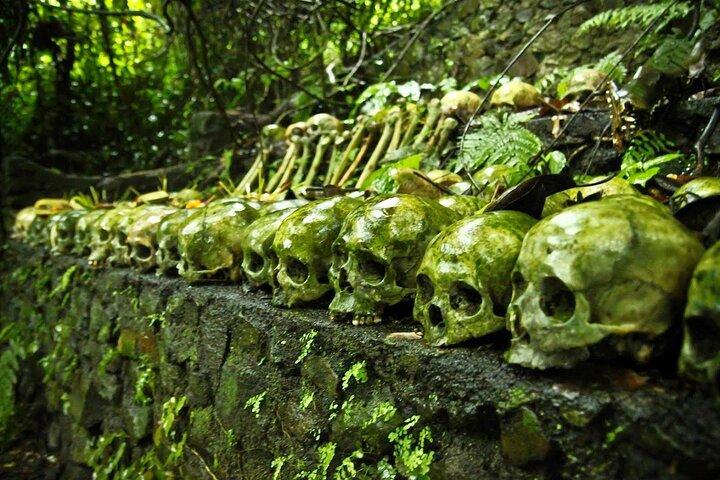
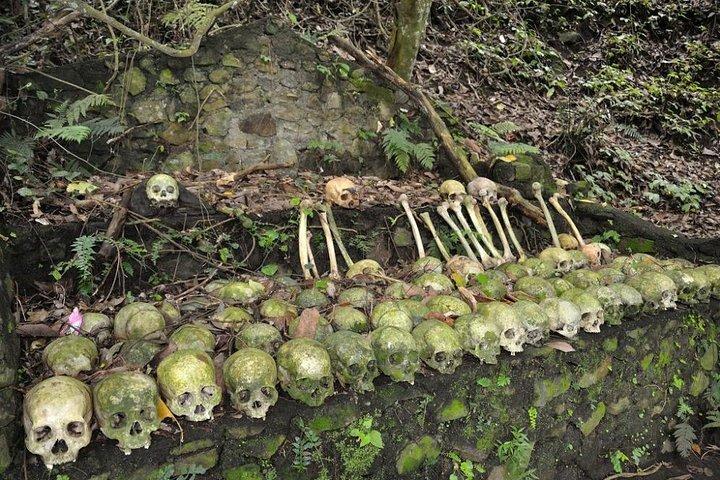
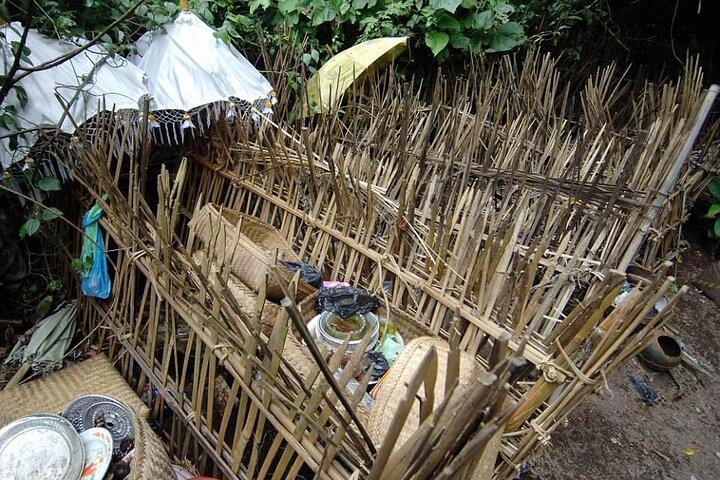
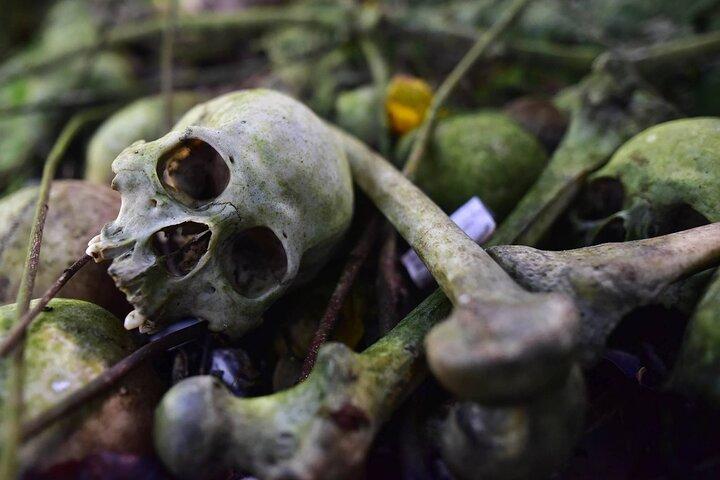
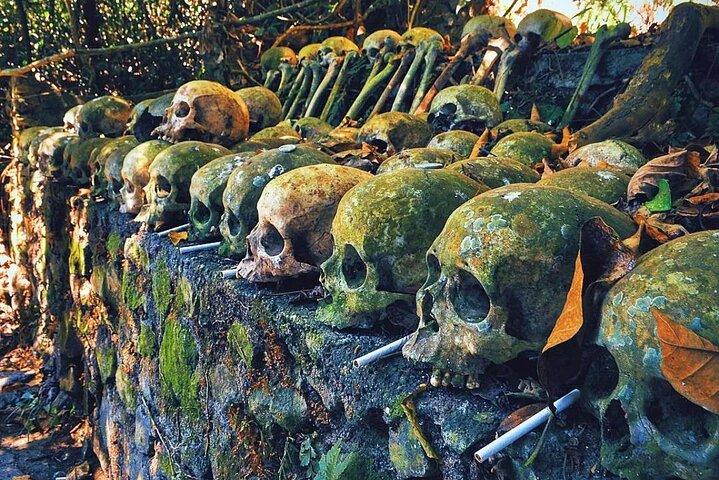
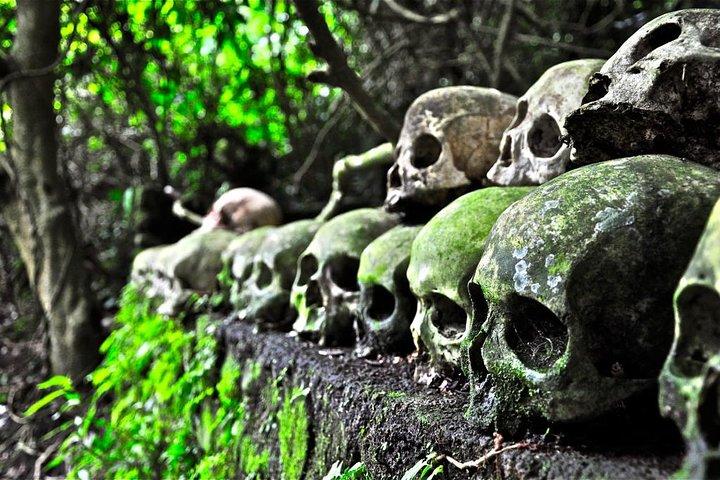
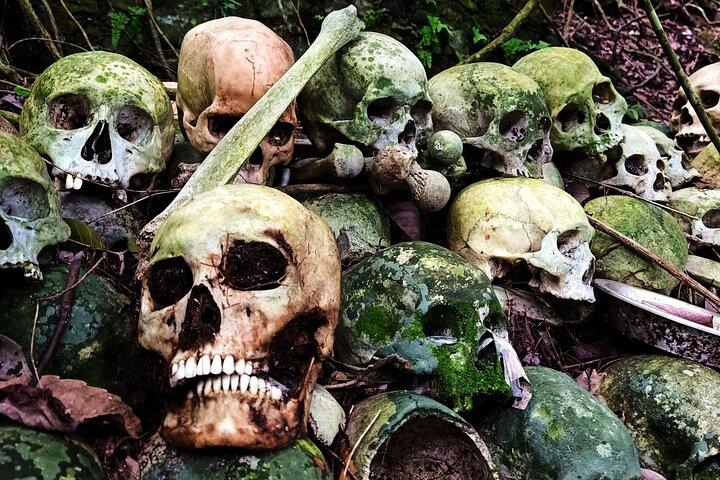
On the remote eastern shore of Lake Batur, this isolated Bali Aga community practises one of the world's most unusual funeral traditions — bodies are left to decompose in the open air beneath a sacred banyan tree. It is Bali at its most raw and authentic.
Lake water laps against the boat as jungle-clad cliffs rise ahead. The faint sweetness of the ancient Taru Menyan tree hangs in still air, masking what logic says should be there but isn't.
- • Featured in international dark-tourism and cultural-heritage media
- • One of the few places in the world practising above-ground natural decomposition burials
- • Visitors consistently describe the experience as profound and respectful rather than macabre
Persona Fit
- 🎨 Culture enthusiasts: An encounter with ancient Bali Aga funerary customs found nowhere else on the island.
- 🌍 Adventurous travellers: The boat ride, remote location, and unusual subject matter create a truly off-the-beaten-path experience.
- 📸 Photographers: Ethereal Lake Batur scenery combined with the stark imagery of the cemetery is deeply compelling — photograph with respect.
- 💕 Couples: A thought-provoking shared experience that contrasts Bali's typical beach-and-temple itinerary.
Highlights
- Trunyan Cemetery (Sema Wayah) — the sacred above-ground burial site where bodies decompose naturally under bamboo cages beside the ancient banyan tree
- Taru Menyan tree — the thousand-year-old 'fragrant tree' whose scent is believed to neutralise the smell of decomposition
- Lake Batur boat crossing — a scenic 15-minute ride from Kedisan across the caldera lake, flanked by volcanic cliffs
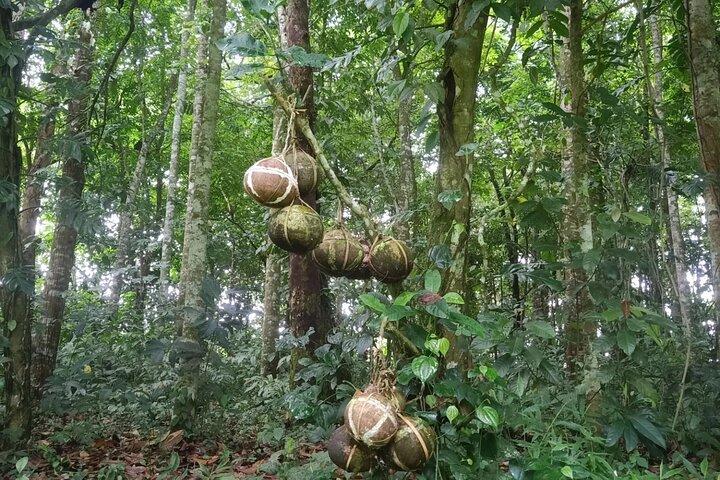
- Village ceremonial site — a separate stop where sacred trees and a stone boulder serve as animistic prayer seats, predating Hindu influence — Hidden Gem
- Three-tiered cemetery system — Sema Wayah (married adults), Sema Muda (children), and Sema Bantas (unnatural deaths), each reflecting distinct spiritual beliefs
- Barong Brutuk dance preparation area — during the annual ceremony, 21 young men dress in dried banana leaves and wear sacred masks; the staging area within the village reveals preparations for this rare ritual
- The caldera views from the boat — the crossing itself offers unobstructed panoramic views of Mount Batur and Mount Abang that most Lake Batur visitors never see from this angle
3 Curated Booking Options
Starts From
(Per Person)
Aura Salsa Dila
Our Bali Local Expert
Table of Contents
- Closest transport: Drive to Kedisan village (about 2 hours from Ubud, 2.5 from Seminyak), then board a boat to the cemetery. No public transport serves the route.
- Boat dock: Boats depart from Kedisan or Trunyan village jetty. The cemetery is a separate stop from the village itself.
- First-time tip: A knowledgeable guide transforms this from a curiosity into a genuinely educational cultural experience.
Food & Coffee Shops
Kedisan warungs: Simple Balinese meals and coffee near the boat departure point.
Kintamani restaurants: Along the caldera rim road, several restaurants offer buffet lunch with volcano views.
Kedisan warungs: Simple Balinese meals and coffee near the boat departure point.
Kintamani restaurants: Along the caldera rim road, several restaurants offer buffet lunch with volcano views.
Insider Tips
Book a reputable private tour — sneaking in with unauthorised boatmen can offend the villagers and produce a superficial experience.
Dress modestly: this is a sacred burial ground, not a photo opportunity. Cover shoulders and knees.
Carry cash in small denominations for the boat, entrance fee (IDR 100,000), and any optional donations.
Allocate a full day — the drive to Kedisan plus the boat crossing and visit takes considerable time from any tourist hub.
The roads to Kintamani are steep and winding; those prone to motion sickness should prepare accordingly.
Book a reputable private tour — sneaking in with unauthorised boatmen can offend the villagers and produce a superficial experience.
Dress modestly: this is a sacred burial ground, not a photo opportunity. Cover shoulders and knees.
Carry cash in small denominations for the boat, entrance fee (IDR 100,000), and any optional donations.
Allocate a full day — the drive to Kedisan plus the boat crossing and visit takes considerable time from any tourist hub.
The roads to Kintamani are steep and winding; those prone to motion sickness should prepare accordingly.
Photography Tips
Ask your guide before photographing human remains — respectful photography is generally permitted but use discretion.
Do not touch, move, or take any bones or objects from the cemetery.
The boat crossing offers some of the trip's most dramatic landscape shots — have your camera ready before docking.
Ask your guide before photographing human remains — respectful photography is generally permitted but use discretion.
Do not touch, move, or take any bones or objects from the cemetery.
The boat crossing offers some of the trip's most dramatic landscape shots — have your camera ready before docking.
Things To Do Nearby
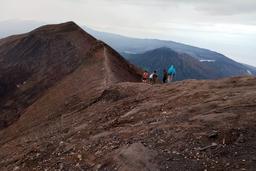
Mount Batur — an active volcano with a popular sunrise trek, visible across the caldera lake
Batur Natural Hot Springs — lakeside thermal pools ideal for post-cemetery relaxation
Kintamani viewpoint — panoramic vista of the caldera, lake, and volcano, about 20 minutes by road
Mount Batur — an active volcano with a popular sunrise trek, visible across the caldera lake
Batur Natural Hot Springs — lakeside thermal pools ideal for post-cemetery relaxation
Kintamani viewpoint — panoramic vista of the caldera, lake, and volcano, about 20 minutes by road