




Phuket Vibe
Phuket’s story stretches back centuries. Early records (like Ptolemy’s 1st-century map) referred to it as “Junk Ceylon” (from Malay Tanjung Salang). Its modern name comes from the Malay word bukit (hill), reflecting the island’s hilly terrain. The founding of modern Phuket Town in 1827 coincided with a tin-mining boomen. Wealth from tin attracted many Chinese (especially Hokkien) workers shaping Phuket’s culture. In 1785 local heroines (Thao Thep Kasatri and Thao Sri Sunthon) famously repelled a Burmese invasion, celebrated today at the Thao Thep Shrine . The 19th–20th centuries brought prosperity: tourists today still admire the colorful Sino-Portuguese shophouses built by traders of that era. In 1876 King Rama V officially named it Phuket. Post-1980s the island’s economy shifted almost entirely to tourism, making it a lively mix of beach resorts and historic Old Town charm.

Recommended Days
3 days: Most travelers find 2–3 days enough to hit highlights – beaches, a Phuket Town stroll, and a boat tour to a nearby island (e.g. Phi Phi or Phang Nga). This lets you see a sample of the island without rushing. 5 days: A longer stay (4–5 days) allows deeper exploration, such as multiple day trips (to Similan Islands, Phang Nga, etc.) or enjoying different beaches at a relaxed pace. 7+ days: While it’s possible to spend a week or more, after 5–6 days some find Phuket repetitive. Many choose to combine Phuket with trips to nearby provinces like Krabi or Koh Samui rather than staying in Phuket for a very long time.
Top Interests
Cruising & Watersports
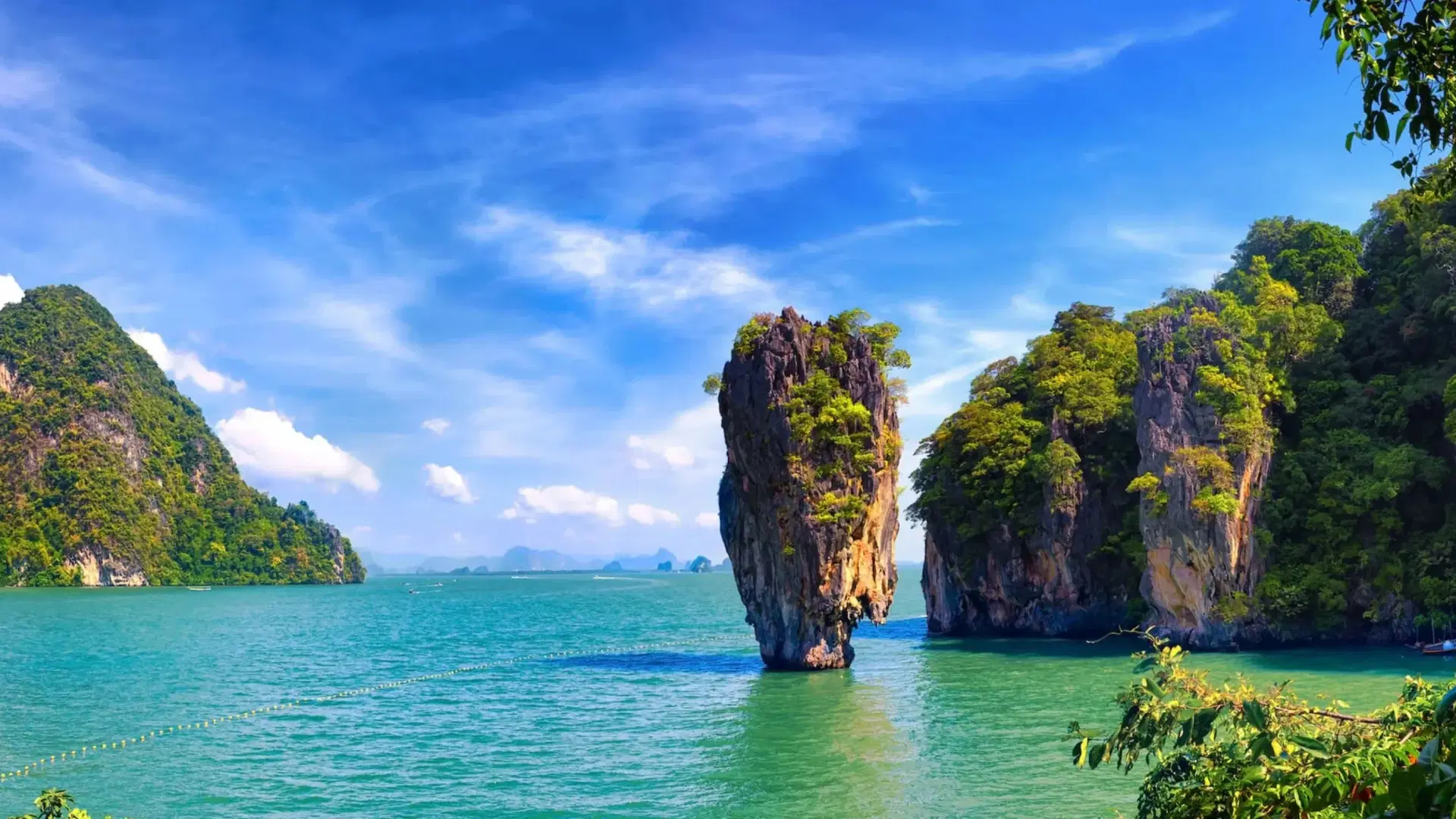
Phuket is a hub for boat trips and watersports. Popular day cruises visit islands like Phi Phi, James Bond Island (Khao Phing Kan in Phang Nga Bay) and Similan/Surin for snorkeling. (Note: James Bond Island was a film location and is now very touristy.) On Phuket’s beaches you can rent gear or take lessons for scuba diving, snorkeling, parasailing, banana boats, kayaking and windsurfing. Many beaches (Patong, Kata, etc.) have shops offering PADI dive courses and equipment hire. [Tip: Always photograph rented jet-skis/equipment before use – a common scam involves false damage claims later.]
Nature & Parks
Despite its development, Phuket has protected parks. Khao Phra Thaeo Wildlife Sanctuary (Thalang district) is Phuket’s last evergreen rainforest with hiking trails, waterfalls and a Gibbon Rehabilitation Centre. Sirinat National Park encompasses Nai Yang and Mai Khao beaches (both are sea turtle nesting areas). (Mai Khao is also where the airport is located.) Other nature highlights include kayaking through mangroves, hiking viewpoints (e.g. Khao Rang Viewpoint over Phuket City), and ethical elephant sanctuaries.
Nightlife
Phuket’s party scene is centered in Patong. Bangla Road in Patong becomes a neon-lit party zone at night – packed with bars, nightclubs, music venues, street shows and entertainment. For a more local vibe, Phuket Old Town and some beach clubs host live music and night markets. For example, the Sunday Walking Street Market in Old Town is a lively evening event. Family-friendly beach bars (at Kata, Kamala, Surin) offer sunset drinks and live DJs, but the rowdiest clubs are in Patong.
Wellness & Spa
Phuket has abundant spa and wellness options. Many resorts and standalone spas offer traditional Thai massage, aromatherapy and beauty treatments. Wellness retreats (yoga, meditation, Muay Thai kickboxing bootcamps) are common; for instance, resorts like the COMO Shambhala or Mangosteen Ayurveda offer detox and yoga programs. Thai massage costs from around 300–500 THB per hour. Spa menus and daily yoga classes are widely available. With Phuket’s laid-back atmosphere and tropical setting, wellness travel (from detox retreats to beachside spa days) is very popular.
Best Neighborhoods to Stay
Our Phuket Specialist...

Tom Vater

Tom Vater is a writer based in Thailand with long-standing experience covering Bangkok, Phuket, and the surrounding region. He has spent years exploring the country’s cities, coastlines, and everyday life, writing with a strong interest in local communities, culture, and the environment. As a guidebook author and destination expert, Tom brings depth and context to travel stories, helping travellers better understand Thailand beyond the usual highlights.
Tom Vater is a writer based in Thailand with long-standing experience covering Bangkok, Phuket, and the surrounding region. He has spent years exploring the country’s cities, coastlines, and everyday life, writing with a strong interest in local communities, culture, and the environment. As a guidebook author and destination expert, Tom brings depth and context to travel stories, helping travellers better understand Thailand beyond the usual highlights.
Travel Tips
Local Transport
Payments
Pro Insights
Head Up!
Safety
Phuket is generally safe for travelers, but normal precautions apply. Petty theft (bag snatching, pickpocketing) can occur, especially on crowded beaches or in nightlife areas. Violent crime is rare, but be cautious at night. Remain alert on Bangla Road (busy with tourists and bars). Do not leave drinks unattended (risks of drink spiking). Avoid unlicensed taxis late at night. Use safes for valuables, and never reveal your full wallet in public. Roads can be hazardous: many tourists rent scooters without experience, leading to accidents. If renting a bike, always wear a helmet and check insurance coverage. Natural hazards: jellyfish can appear in some months (ask beach staff). In the wet season (May–Oct) strong currents can make swimming dangerous. If diving or snorkeling, choose licensed operators. In short: exercise common sense, agree on taxi fares ahead, and stay sober enough to keep your wits. As Australia’s travel advisory notes, “Be extra careful in tourist spots… and the night-time entertainment areas… in Phuket.”.
Apps & Blocked Services
Thailand generally does not block major global apps. Social media (Facebook, Instagram, Twitter, WhatsApp, YouTube, etc.) and streaming services are available. (Notably, Thailand is working with TikTok to fight misinformation, and TikTok remains accessible here.) For transportation, install the Grab app (for rides and food). Google Maps works for navigation; Waze is also popular. Some travelers use VPNs out of habit, but it’s not required. Note: Uber (ride) no longer operates – use Grab for ride-hailing instead. For Chinese travelers: WeChat Pay and Alipay are accepted at many merchants, but otherwise Thai networks are open. In summary, no special app restrictions apply (unlike e.g. China), so you’ll have full access to usual online services.
VAT Refunds
Non-Thai visitors can claim a VAT refund (7%) on purchases if conditions are met. To qualify, shops must display the “VAT Refund for Tourists” sign. You must spend at least 2,000 THB (including VAT) in one day, receive a special VAT refund form (P.P.10) and keep all receipts. At the airport before departure, show your goods, passports and refund documents to Customs for approval. Refunds are processed at the airport’s VAT refund office: you can receive cash (up to THB30,000) or have it credited back to your card. (Keep your tax invoices handy – failing to present them will void the refund.) In practice, avoid last-minute shopping if you want to claim VAT.
Local Etiquette
Thais are polite and expect respect for traditions. Basic tips: Always wai (palms together, slight bow) to greet or thank people, especially elders and monks. Return a wai if offered.
Dress modestly for temples: shoulders and knees covered. Remove shoes before entering temples and homes. Look for shoe racks or piles at entrances.
Head and feet: The head is sacred, the feet are considered unclean. Never touch anyone’s head (even a child’s). Also, avoid pointing with your feet or raising your feet up toward people or Buddha images. When sitting, keep your feet on the floor. Use your right hand to hand over money or gifts (left hand is “dirty” by custom).
Monks: Women must not touch monks or pass things directly to them. Always show them high respect (a higher wai).
Royalty: Never disrespect the royal family – it’s illegal and punishable. Stand for the national anthem at 8 AM and 6 PM (played at malls and airports).
Behavior: Public displays of anger or intense emotions are frowned on (keep calm, mai pen rai attitude). Smile often – it’s a Thai trademark. Use gentle gestures (no pointing). In short, be polite, patient and follow local cues.
Weather
Phuket’s climate is tropical. It’s warm year-round (average 27–32 °C). The weather breaks into: Dry season (Nov–Apr): Cooler, breezy, sunny days. This is the high tourist season. December–March hardly any rain and very pleasant weather. Evenings can be slightly cooler (around 25 °C).
Hot season (Apr–May): Temperatures peak (~34 °C) with high humidity. Heat and occasional storms pick up.
Rainy season (Jun–Oct): Southwest monsoon brings frequent heavy showers and thunderstorms. September and October are usually wettest (total annual rainfall ~2500 mm). Showers often come in the afternoon/evening. Sea conditions get rough (strong currents and choppy water). There can be several dry days, but expect rain on most days. On the plus side, beaches and hotels are quieter and rates lower. Always check local forecasts during the monsoon and heed any beach/swim warnings.
Health
Ensure routine vaccines are up to date (MMR, Tetanus, etc.). Consider getting Hepatitis A and typhoid vaccines (food & water precautions), and rabies vaccination if you’ll be around animals. Phuket’s water is not potable; drink bottled or filtered water only. Mosquito-borne illness (dengue fever, chikungunya) is present year-round, so use repellent and nets, especially at dawn/dusk. (Malaria risk in Phuket is negligible, but if you travel to rural areas on the mainland, consult a doctor.) Do not swim during heavy rainouts or red-flag beach days. Phuket has good hospitals and clinics (some internationally accredited), but medical evacuation insurance is strongly advised. Travel insurance should cover health emergencies, as U.S./EU health plans will not work overseas. Carry common meds (for diarrhea, allergy, pain, etc.) since pharmacies may have different brand names. If you need medical care, English is usually spoken at private hospitals. Remember, insect repellent and sunscreen are must-haves under the strong tropical sun.
Connectivity (SIM & Wi-Fi)
Cellular coverage in Phuket is excellent. Three main networks – AIS, TRUE and DTAC – offer tourist SIM cards at the airport or 7-Elevens. Data plans are very affordable (e.g. ~399 THB for 10–15 days with several GB). 5G is available in Phuket City and major towns. You can also purchase eSIM packages online (Airalo, etc.) for convenience. Wi-Fi is widely available in hotels, cafes and shopping centers; speeds are generally good. Many restaurants and bars offer free guest Wi-Fi. Topping up via app is easy. If you rely on online navigation (Google Maps, Grab, etc.), a local SIM ensures seamless access. English-language customer support is available for all major Thai carriers.
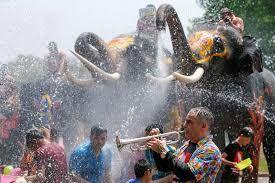
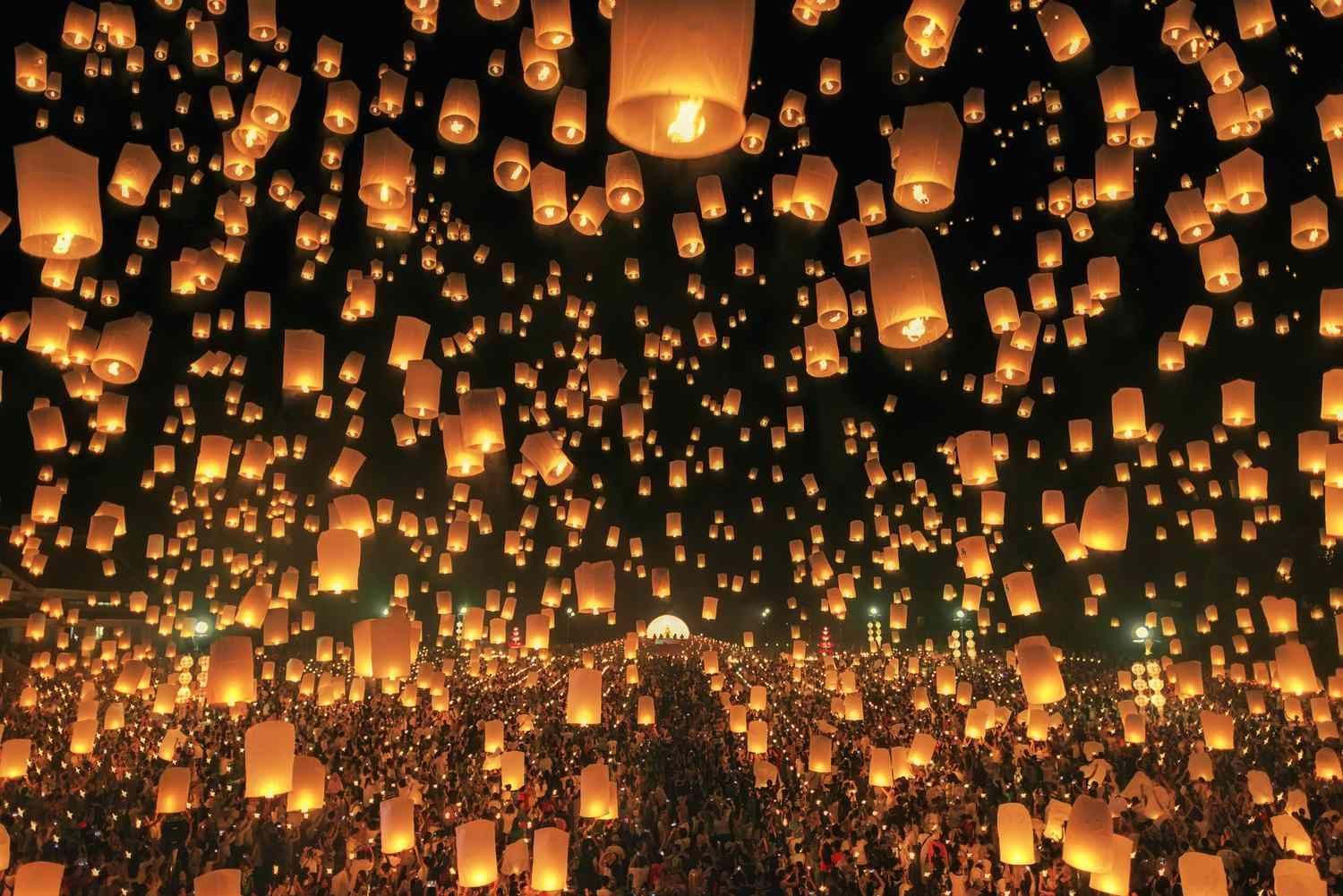
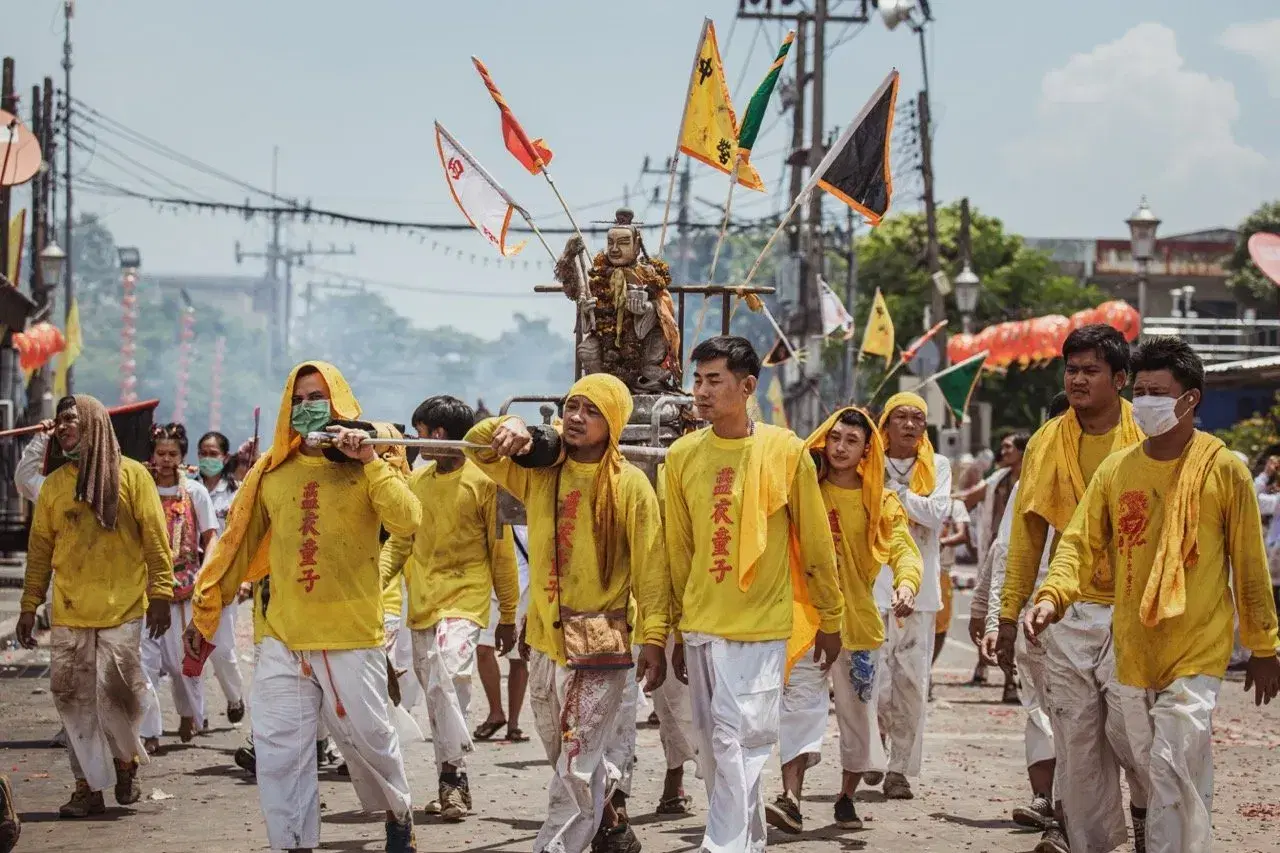
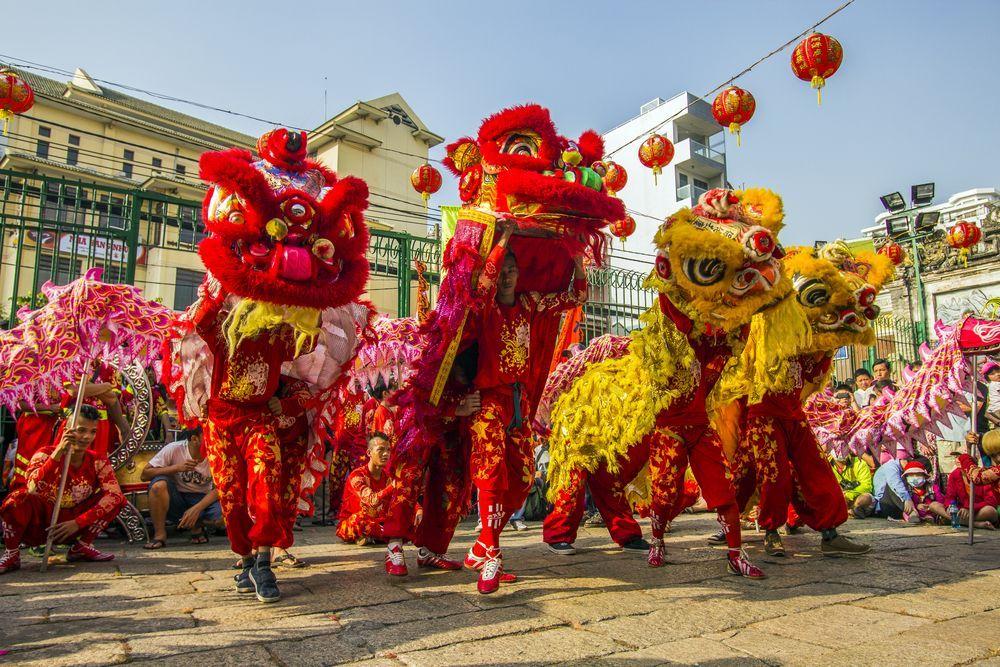
Festivals & Events
Interesting Extras

Scams
