


London: Jack the Ripper
Operating Hours:Walking tour sites: Open access streets, 24/7. Jack the Ripper Museum: Daily 09:30 - 18:30 (last entry 17:30)
The Vibe:Victorian East End's most haunting unsolved case.
In the autumn of 1888, five women were murdered in the East End streets of Whitechapel by an unidentified killer the press dubbed 'Jack the Ripper'. The case remains unsolved, but the streets, alleys and pubs where events unfolded survive — making Whitechapel one of London's most visited dark-history destinations.
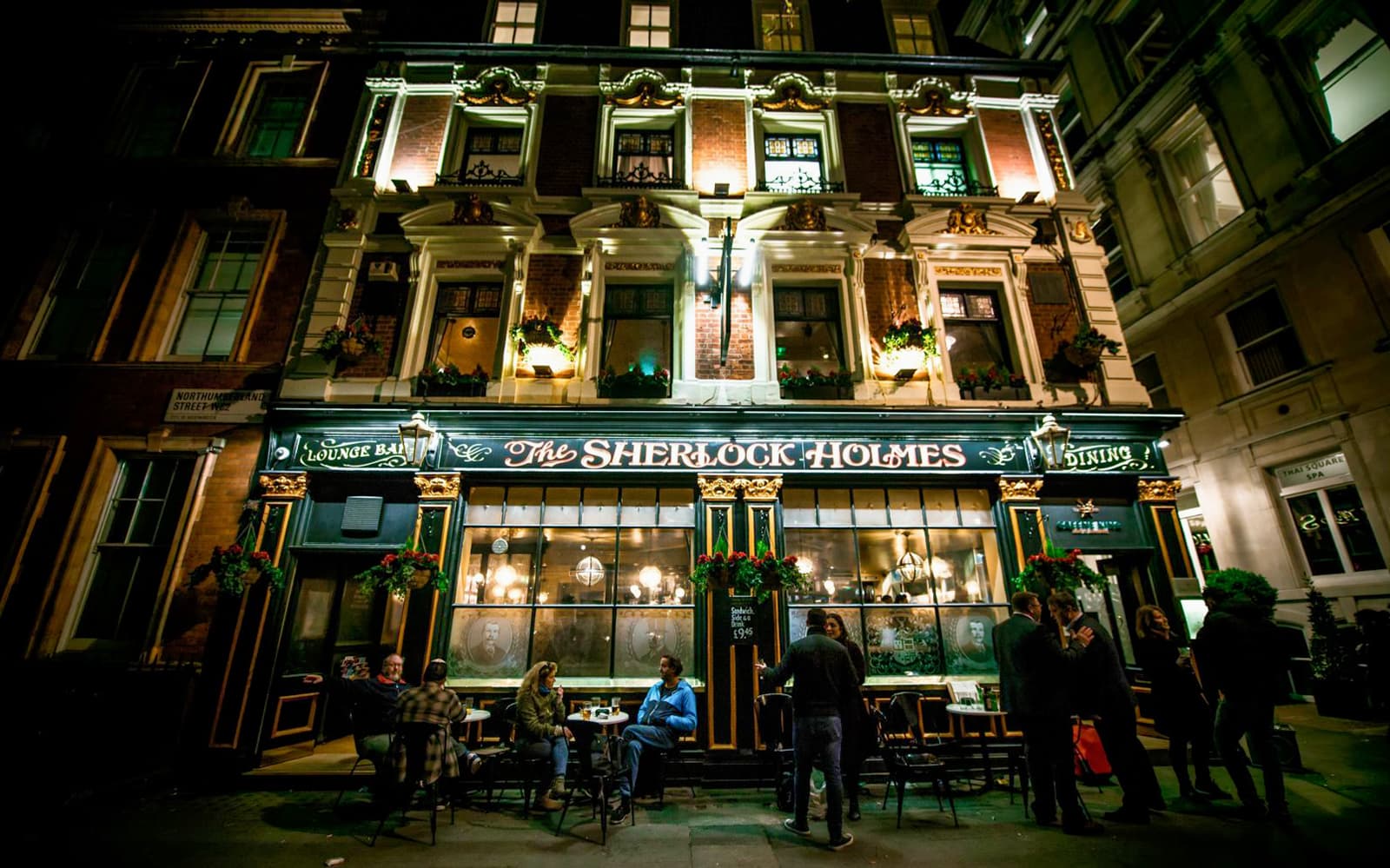
Gaslit cobblestones lead between Victorian buildings; modern Whitechapel hums around the historical sites. Guides recount the case beneath surviving brickwork; pubs from the era — The Ten Bells, The Princess Alice — still serve.
- • The most studied unsolved murder case in British criminal history
- • Five 'canonical' victims murdered between August and November 1888
- • Whitechapel sites attract over 200,000 walking-tour visitors annually
- • Modern scholarship has shifted focus to the victims' lives rather than the unidentified killer
Persona Fit
- 👨👩👧 Families: Best for older teenagers; content is too dark for young children
- 💕 Couples: Atmospheric evening tour pairs well with a Spitalfields dinner
- 👵 Seniors: Walking tours cover 1.5-2 miles on flat streets; benches en route
- 📸 Photographers: Victorian East End architecture and atmospheric night lighting
Highlights
- The Ten Bells pub — Victorian pub frequented by victims and witnesses, mostly unchanged
- Mitre Square — site of Catherine Eddowes's murder, atmospherically preserved
- Hanbury Street — Annie Chapman's murder site, now bordering modern Spitalfields
- Goulston Street — where the 'Goulston Street graffito' was famously washed away
- Christ Church Spitalfields — Hawksmoor's 1729 church, a landmark of the case's geography
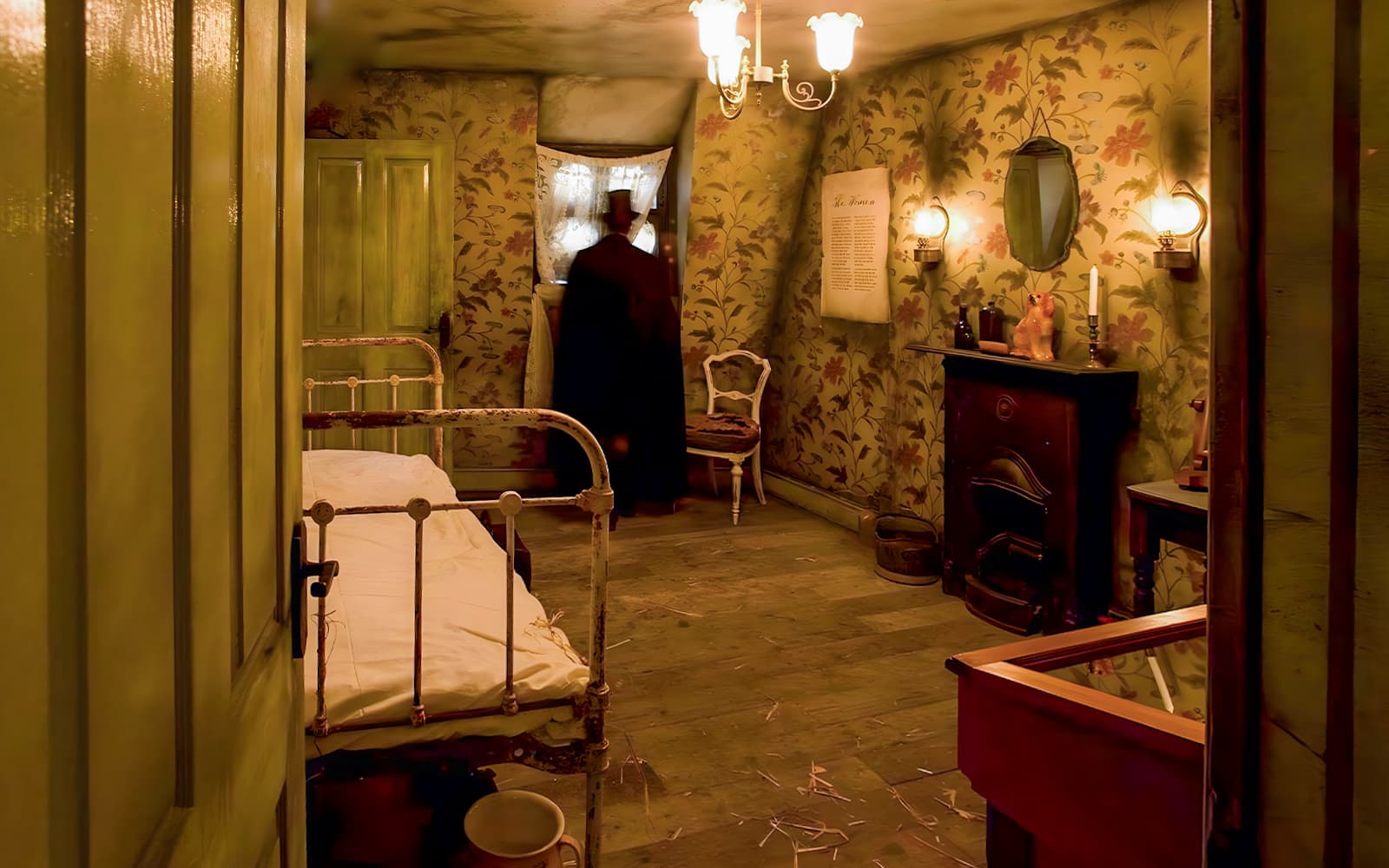
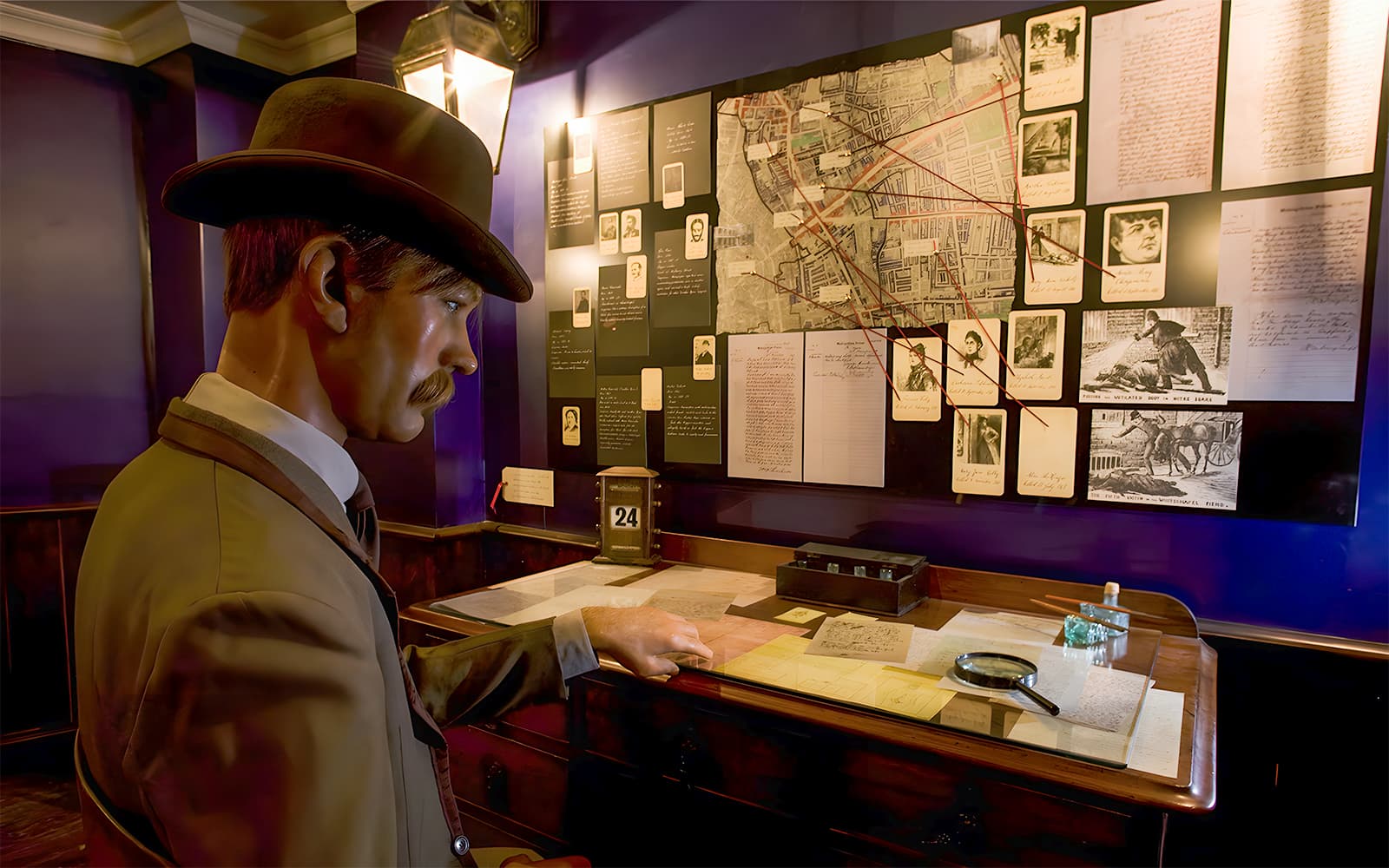
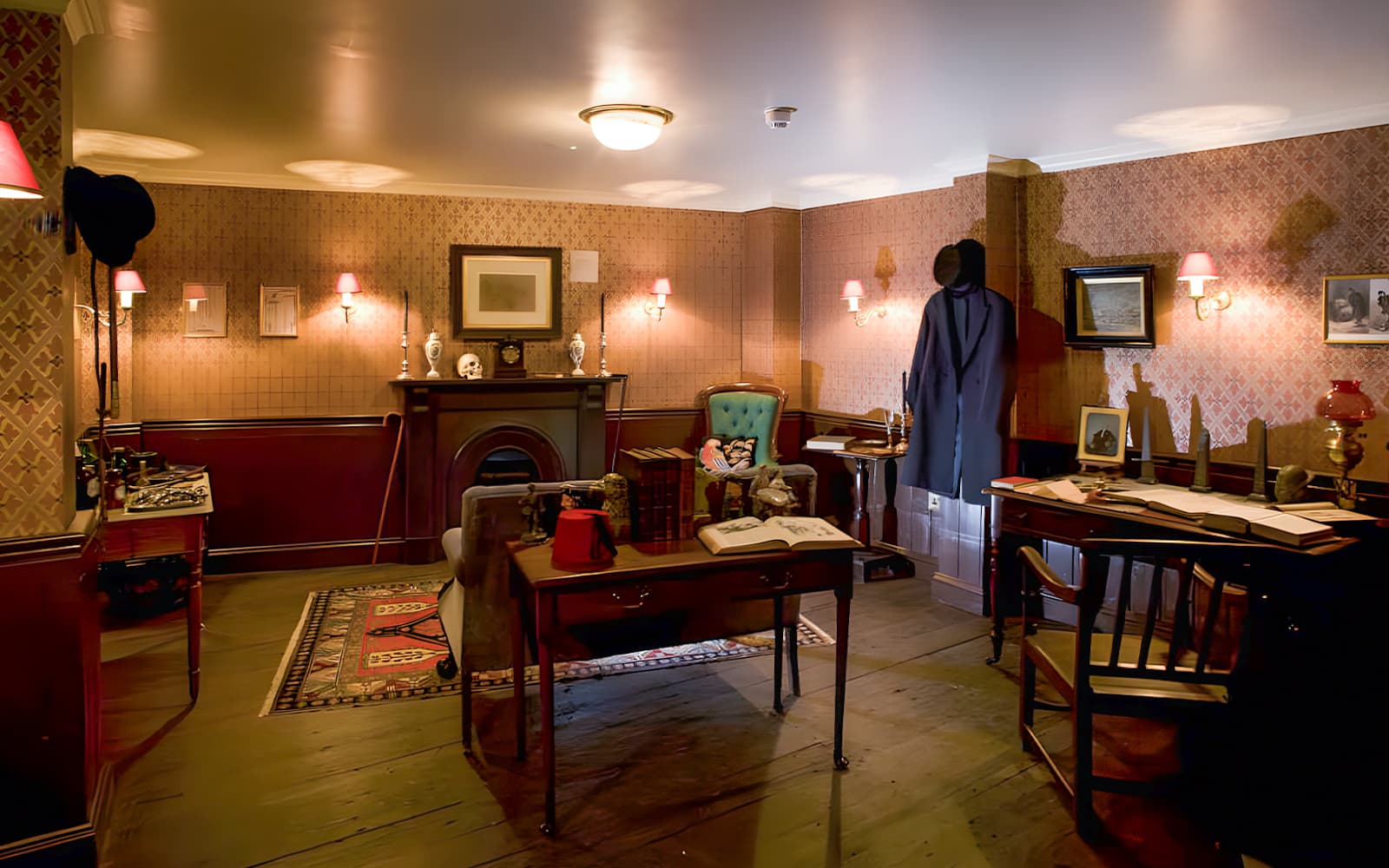
- Jack the Ripper Museum — purpose-built museum on Cable Street with case artefacts — Hidden Gem
2 Booking Options
Curated by AI, handpicked by local expert
Starts From
(Per Person)
London Local Expert

Sarah Riches
10+ years of experience
Table of Contents
Things To Do Nearby
Brick Lane — historic East End street, five minutes east
Spitalfields Market — Victorian covered market, three minutes west
Whitechapel Gallery — contemporary art, 10 minutes south
Tower of London — 15 minutes southeast for medieval London context
Brick Lane — historic East End street, five minutes east
Spitalfields Market — Victorian covered market, three minutes west
Whitechapel Gallery — contemporary art, 10 minutes south
Tower of London — 15 minutes southeast for medieval London context
TJ's Guide - Jack the Ripper
Know Before You Go
Insider Tips
Best Time: Evening tours (19:00 onwards) for atmospheric gaslit street vibes
Hack: Combine the walking tour with dinner at The Ten Bells for an immersive evening
Hidden Gem: Hallie Rubenhold's book 'The Five' gives essential context about the victims
Sturdy shoes recommended — Victorian cobblestone areas
Some tours include the Ten Bells pub stop — perfect mid-tour break
Best Time: Evening tours (19:00 onwards) for atmospheric gaslit street vibes
Hack: Combine the walking tour with dinner at The Ten Bells for an immersive evening
Hidden Gem: Hallie Rubenhold's book 'The Five' gives essential context about the victims
Sturdy shoes recommended — Victorian cobblestone areas
Some tours include the Ten Bells pub stop — perfect mid-tour break
Know Your Facts
- Closest Tube: Aldgate East (District, Hammersmith & City), Whitechapel (District, Hammersmith & City, Elizabeth) or Liverpool Street (Central, Circle, Metropolitan, Elizabeth)
- Walking tours typically start at Tower Hill, Aldgate or Liverpool Street stations
- Most tours end at Liverpool Street with onward Tube connections
- First-time tip: Check your booking confirmation for the exact meeting point — locations vary
Once You Reach
Internal Navigation
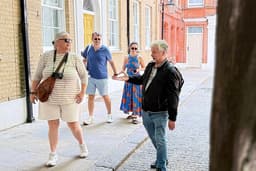
Walking tour distance: Typically 1.5-2 miles across the murder sites
Pace: Frequent stops at significant locations; not a continuous walk
Signage: None at the sites themselves — your guide is the primary information source
Accessibility: Flat paved streets throughout; suitable for most mobility levels
Efficient route: Most tours flow chronologically through the autumn 1888 timeline
Food & Coffee Shops
The Ten Bells (Spitalfields): Victorian pub heavily associated with the case
The Pride of Spitalfields: Traditional East End pub on Heneage Street
Beigel Bake (Brick Lane): 24-hour bagel bakery for post-tour late-night food
The Ten Bells (Spitalfields): Victorian pub heavily associated with the case
The Pride of Spitalfields: Traditional East End pub on Heneage Street
Beigel Bake (Brick Lane): 24-hour bagel bakery for post-tour late-night food
Photography Tips
Best photographed at dusk or after dark for atmosphere
Victorian shopfronts on Brick Lane and surrounding streets
The Ten Bells exterior is the most recognisable visual reference
Respect any memorials — photograph buildings rather than tour groups
Best photographed at dusk or after dark for atmosphere
Victorian shopfronts on Brick Lane and surrounding streets
The Ten Bells exterior is the most recognisable visual reference
Respect any memorials — photograph buildings rather than tour groups
Explore Deeper
The Whitechapel murders occurred between August and November 1888, in the densely populated, impoverished East End of Victorian London. The five canonical victims were Mary Ann Nichols, Annie Chapman, Elizabeth Stride, Catherine Eddowes and Mary Jane Kelly. The 'Jack the Ripper' nickname came from a taunting letter sent to a press agency, though most scholars now believe the letter was a journalistic hoax.
The victims were all working-class women living in extreme poverty in Whitechapel; most had been forced into casual prostitution to survive, though Hallie Rubenhold's 2019 book argues several were not sex workers at all
The investigation was the largest in Metropolitan Police history at the time, but contemporary forensic methods (no fingerprinting, no DNA, no centralised criminal records) limited what could be done
The case occurred during a period of acute social tension in the East End, with high immigration, anti-Semitism, and intense poverty creating a fearful atmosphere that the press amplified
Modern scholarship has increasingly focused on the victims as individuals rather than the unidentified killer; recent walking tours and museum interpretations reflect this shift
The victims were all working-class women living in extreme poverty in Whitechapel; most had been forced into casual prostitution to survive, though Hallie Rubenhold's 2019 book argues several were not sex workers at all
The investigation was the largest in Metropolitan Police history at the time, but contemporary forensic methods (no fingerprinting, no DNA, no centralised criminal records) limited what could be done
The case occurred during a period of acute social tension in the East End, with high immigration, anti-Semitism, and intense poverty creating a fearful atmosphere that the press amplified
Modern scholarship has increasingly focused on the victims as individuals rather than the unidentified killer; recent walking tours and museum interpretations reflect this shift
Did You Know?
Letter origin — The 'Jack the Ripper' name came from a letter received by the Central News Agency, now believed to be a journalist's invention
Press impact — The case marked one of the first instances of mass media sensationalising a serial crime
Victims' lives — Mary Ann Nichols was 43; Annie Chapman, 47; Elizabeth Stride, 44; Catherine Eddowes, 46; Mary Jane Kelly, 25
Surviving buildings — The Ten Bells pub, Christ Church Spitalfields and several Hanbury Street houses survive from the 1888 streetscape