




Top 5 FnB
5 options
Top 5 Restaurant
5 options
Fine Dining
7 options
Local Cuisine Restaurants
5 options
Local Foods
8 options
Local beverages
5 options
Local Alcoholic Beverages
5 options
Street Food
11 options
Local Desserts
5 options
Jaipur New: Street Food

Share
Jaipur's street food is concentrated in the walled city bazaars and around Station Road, where several shops have traded for over a century. Masala Chowk in Ram Niwas Garden gathers many of the same vendors in one place for a nominal entry fee.
Share
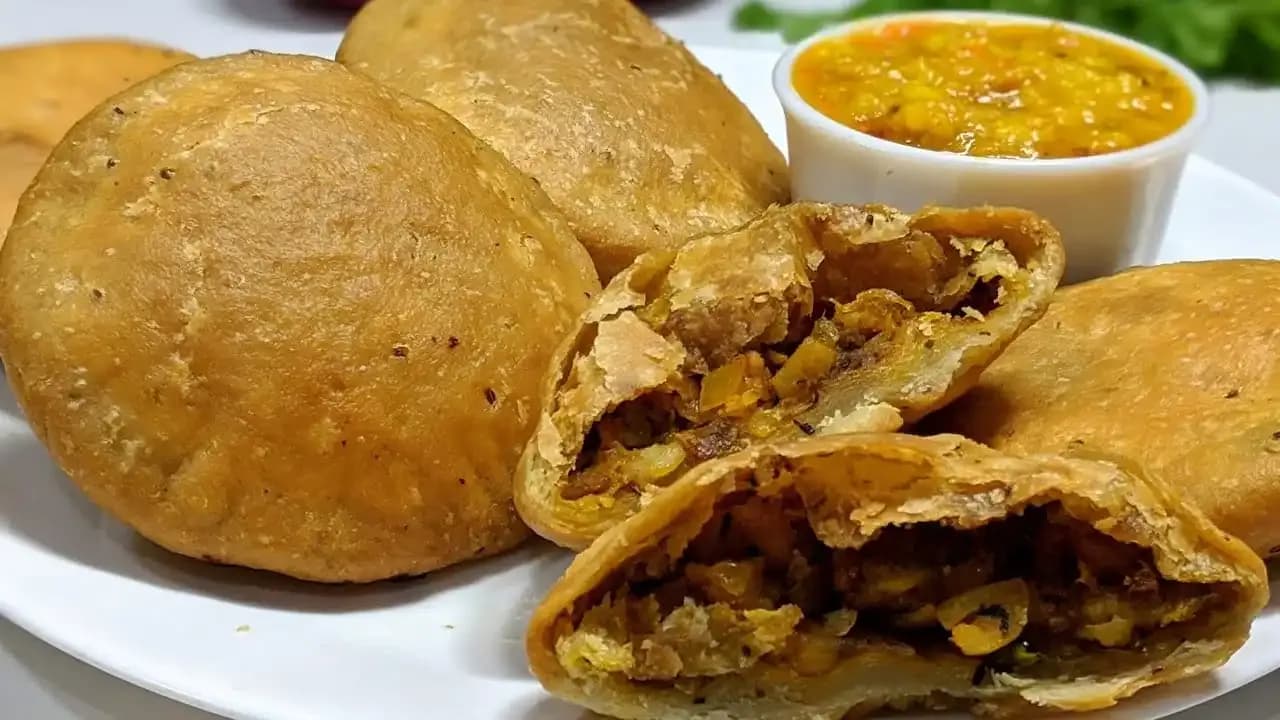
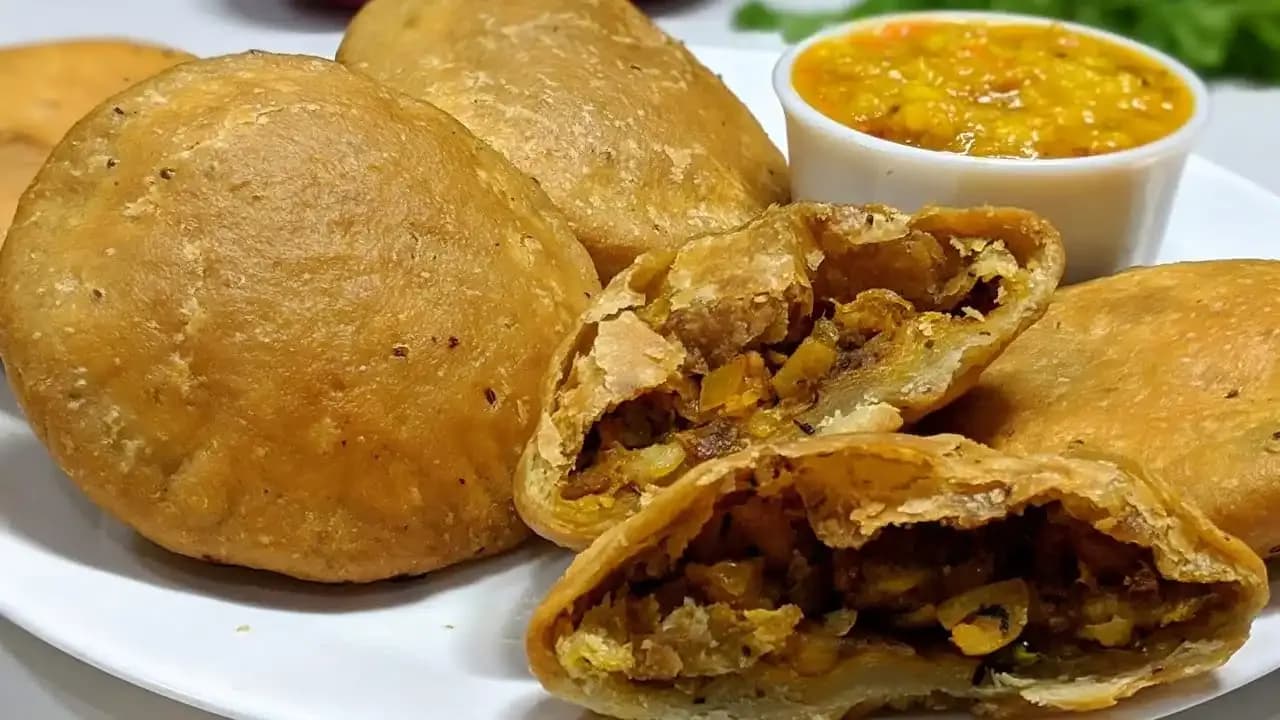
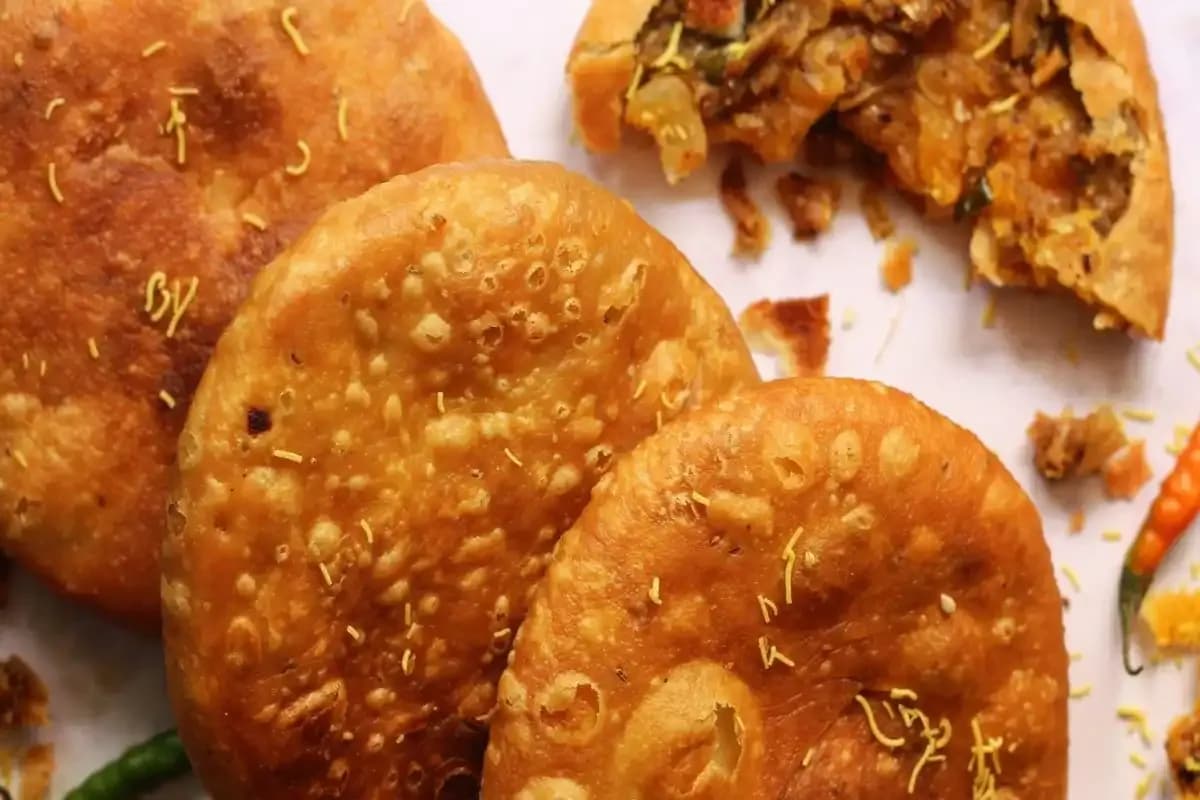
Pyaaz Kachori
What it is
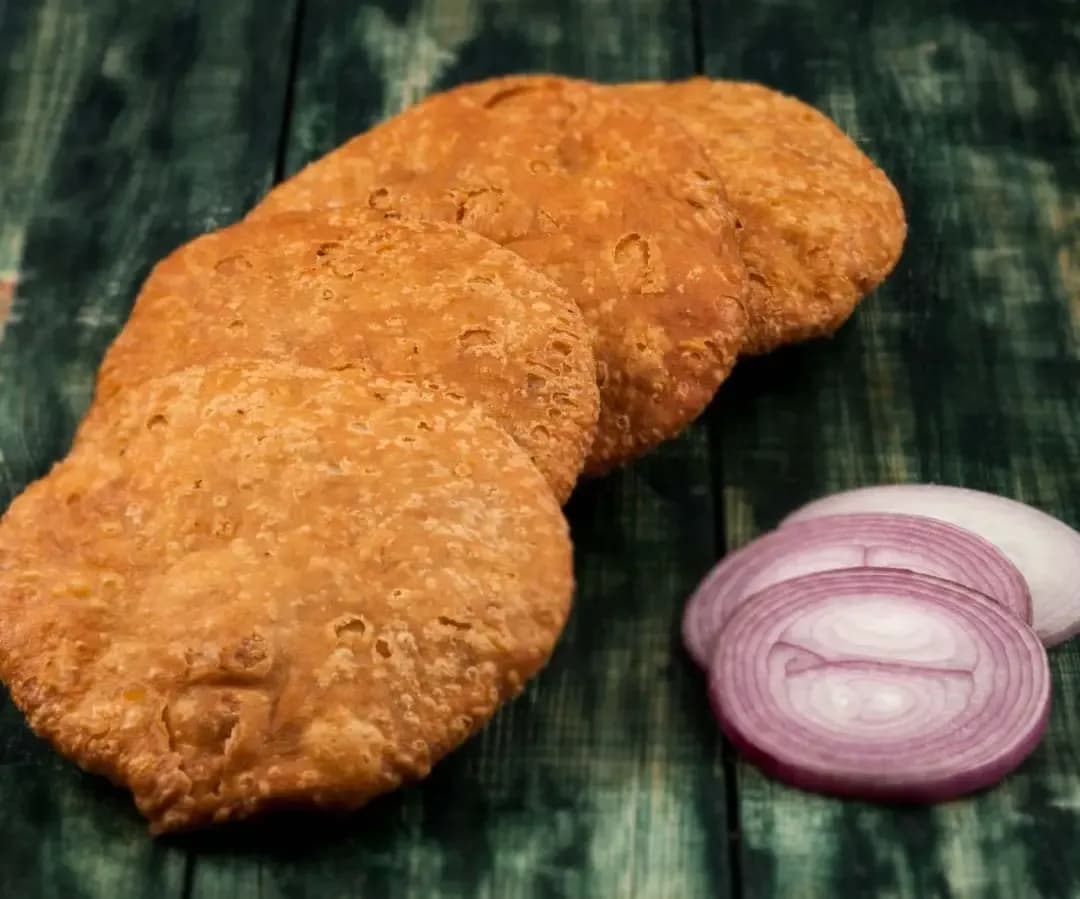
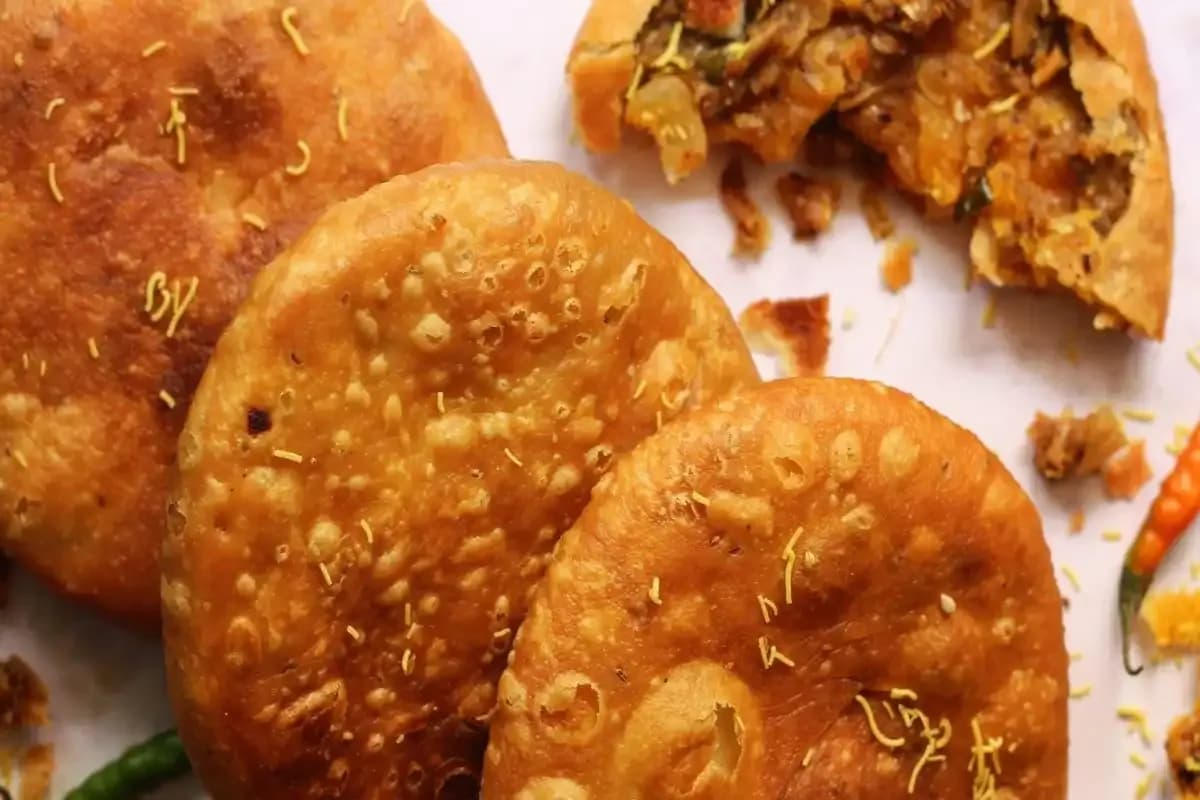
Spiced onion and gram flour are sealed inside a layered pastry shell and deep fried until the outside flakes. Rawat Misthan Bhandar is widely credited with making this the Jaipur version of the snack. It is served hot, cracked open and topped with tamarind chutney. Most shops sell it from early morning, and stocks turn over quickly.
Best Places to try

Tip
To find nearby locations, search 'Pyaaz Kachori' in Google Maps for places close to your location.
Hing ki Kachori
What it is
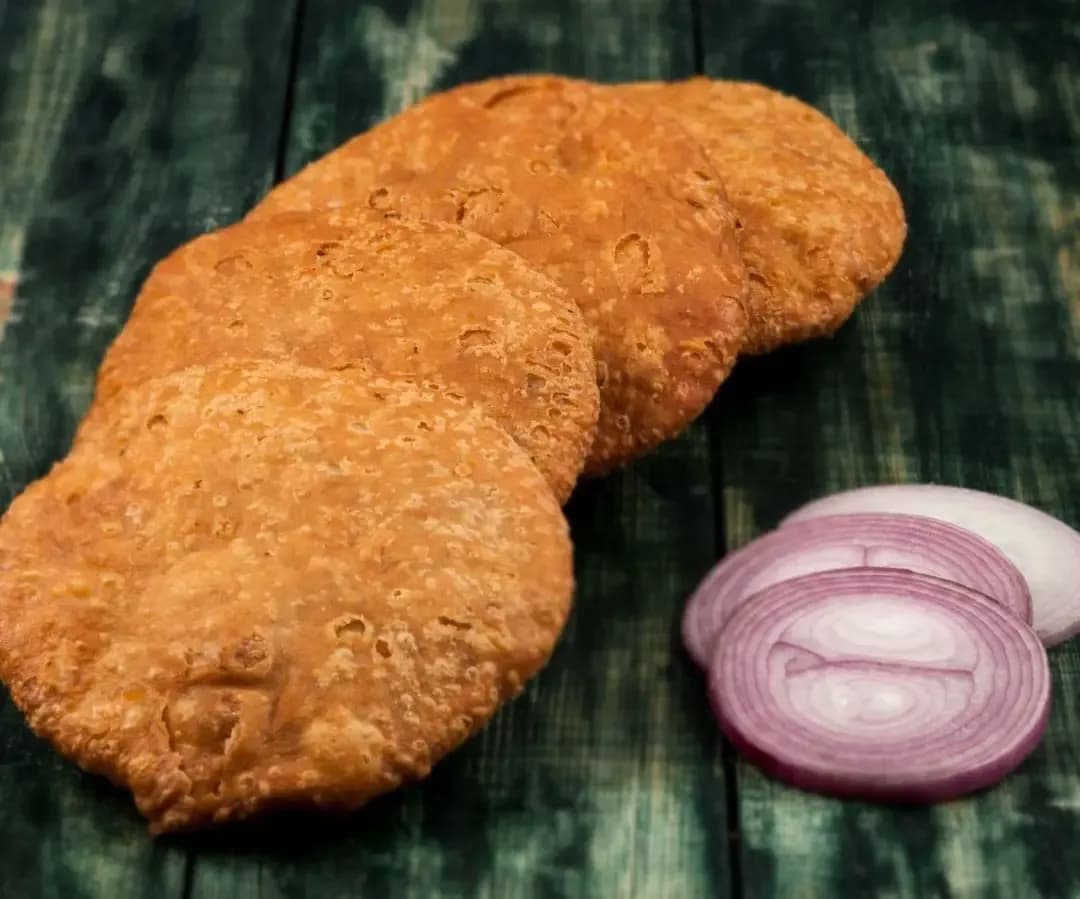
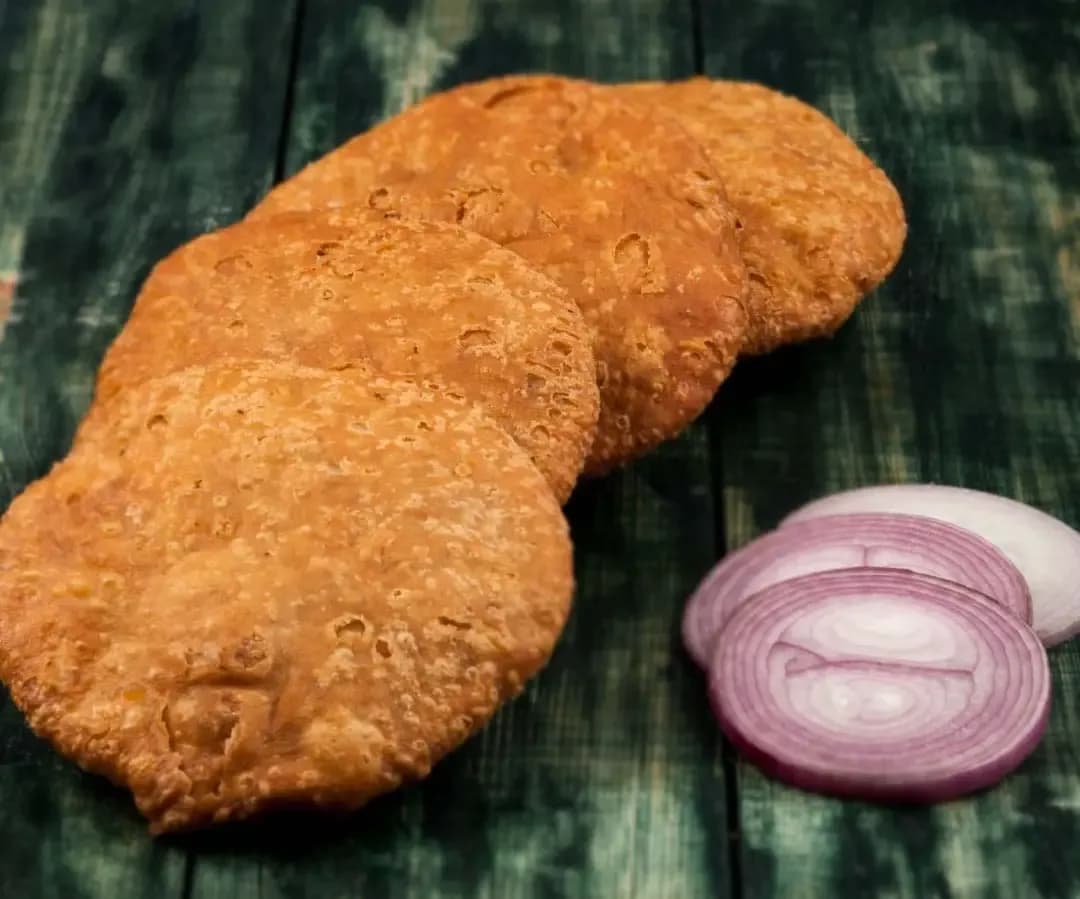
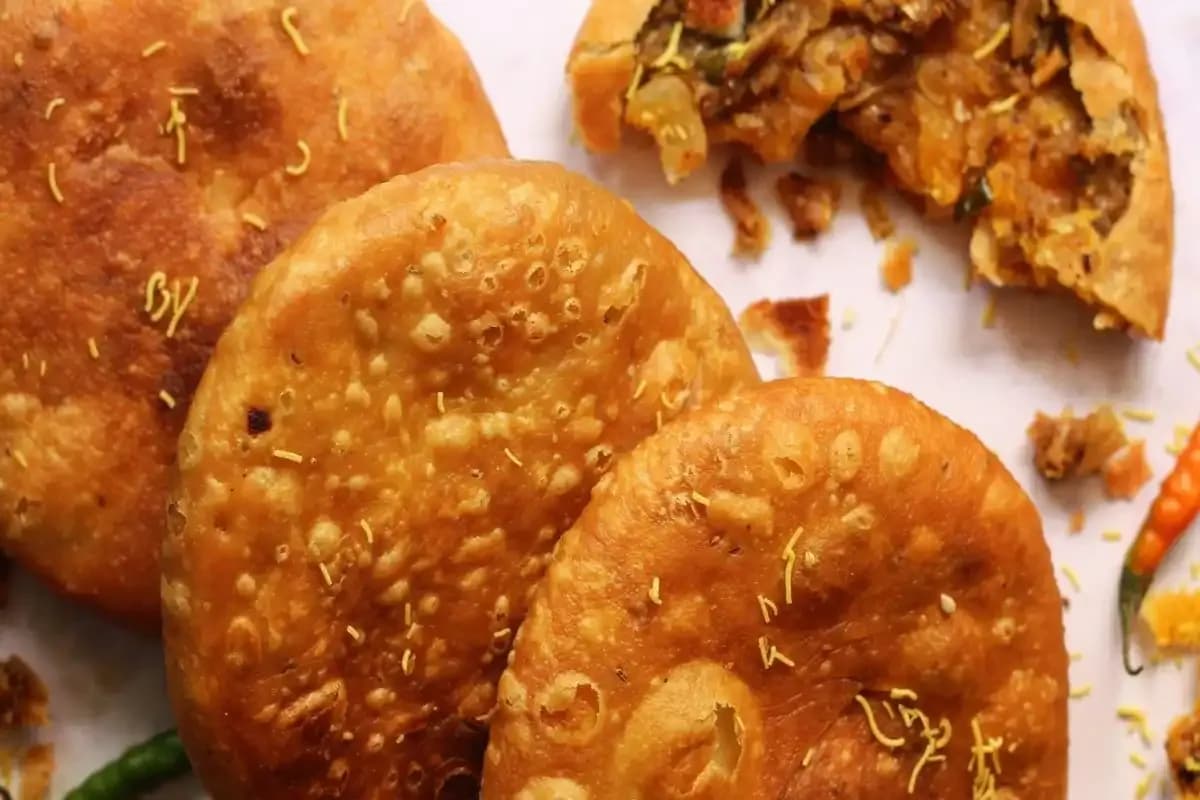
Asafoetida gives this kachori its name and its distinct savoury note, with a lentil and spice filling inside a fried shell. The spice is used in Rajasthani cooking partly because onion and garlic are avoided in many households. It is smaller and denser than the onion version. Eating it hot matters more here than with other kachoris.
Best Places to try
Tip
To find nearby locations, search 'Hing ki Kachori' in Google Maps for places close to your location.
Dal Kachori
What it is
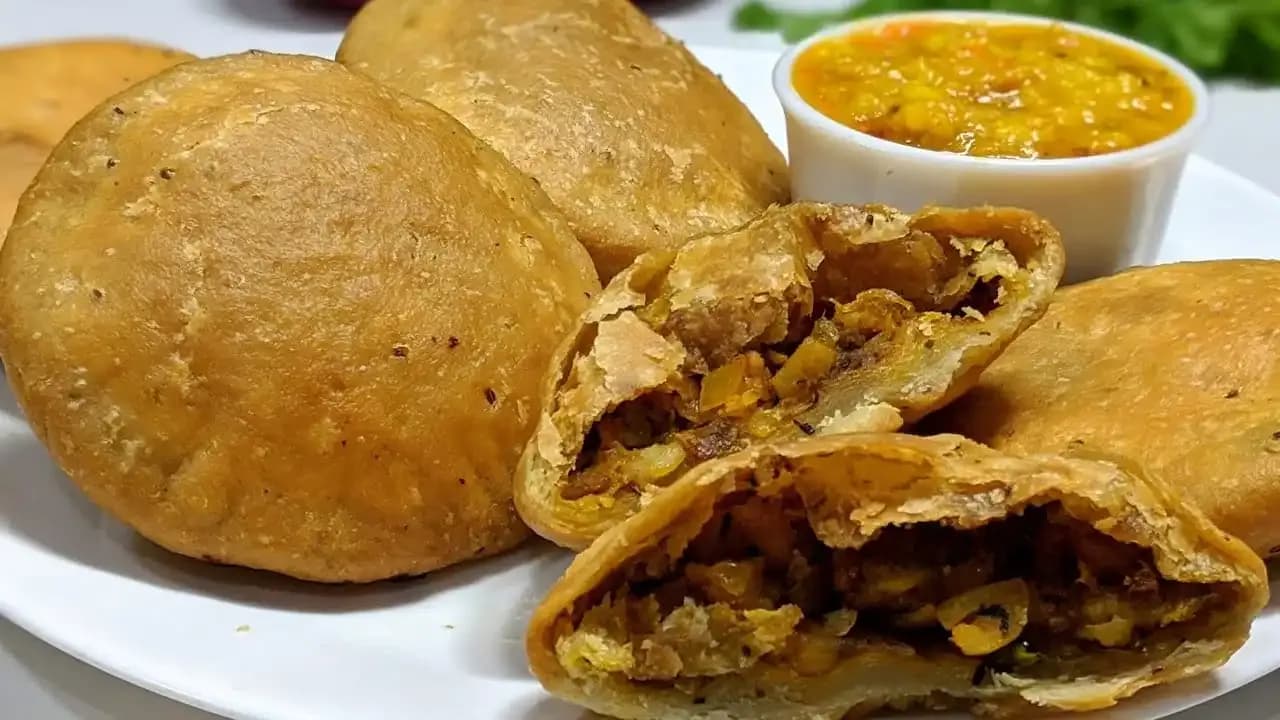
Ground moong or urad dal is spiced and packed into a fried pastry case, then served with chutney. The filling is drier than the onion version and keeps longer, which is why it travels well as a packed snack. Shops in Chaura Rasta and Johari Bazaar make it in volume each morning. Portion sizes vary between shops.
Best Places to try
Tip
To find nearby locations, search 'Dal Kachori' in Google Maps for places close to your location.
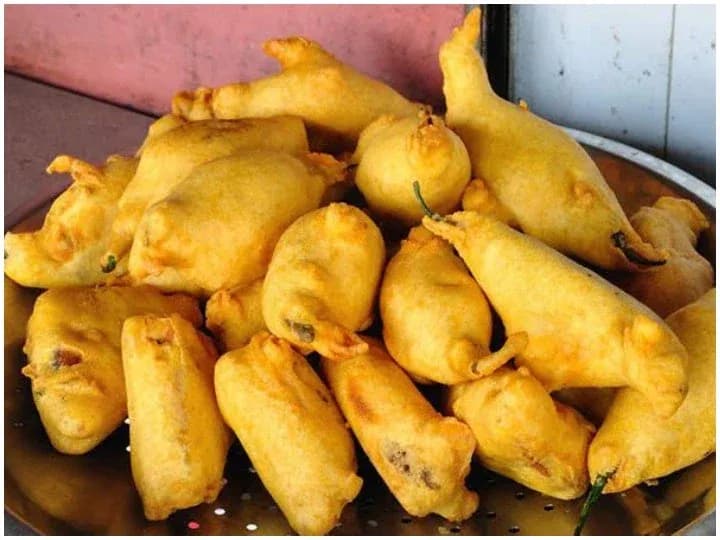
Mirchi Vada
What it is
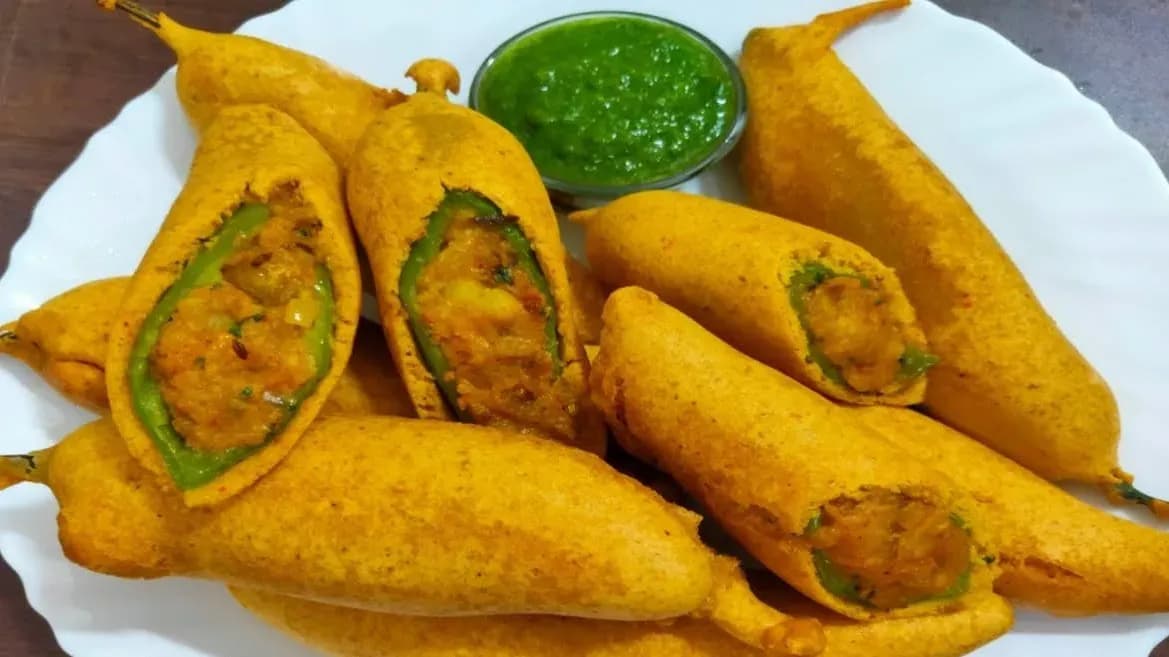
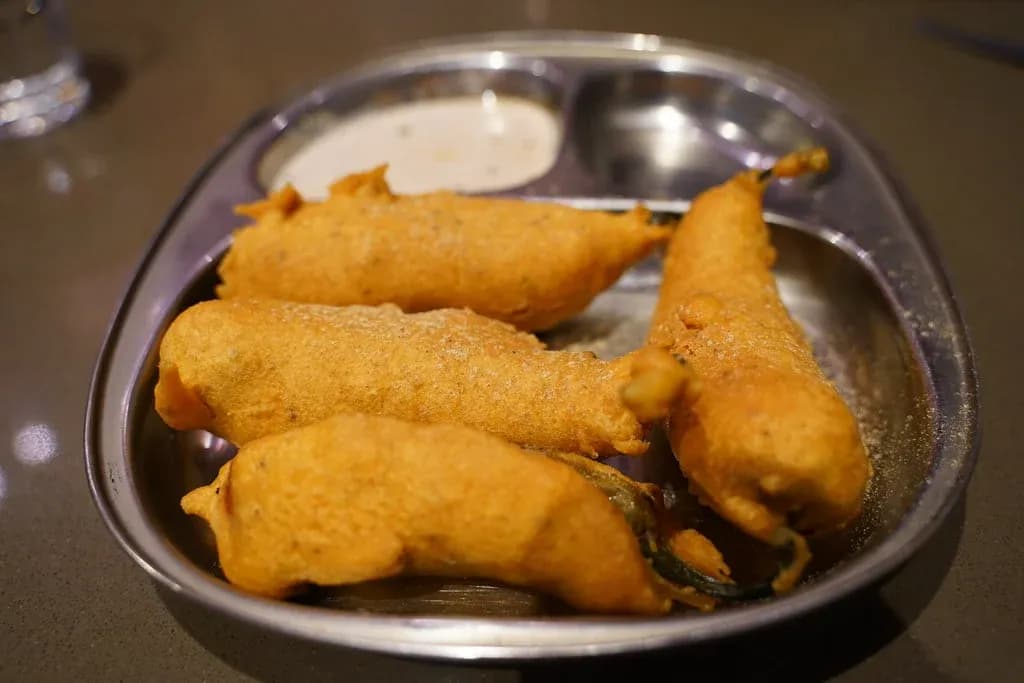
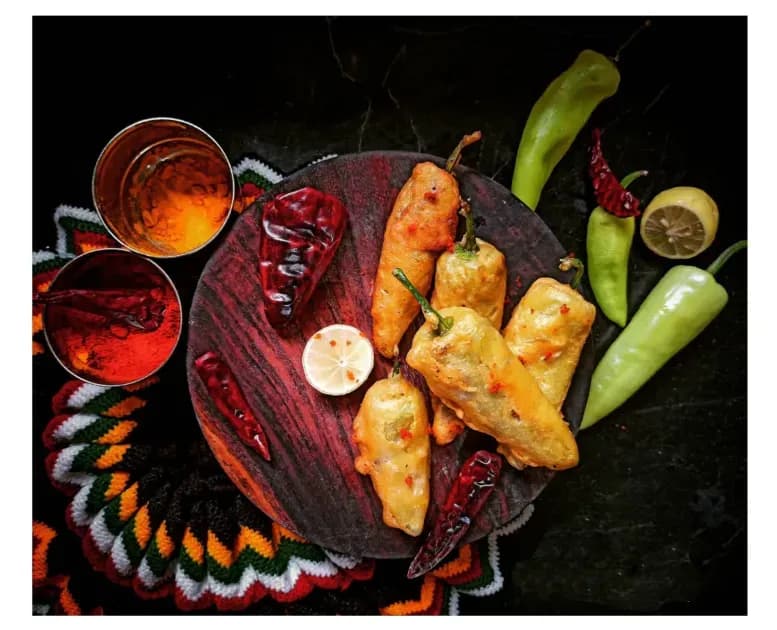
A whole mild green chilli is deseeded, stuffed with spiced potato, dipped in gram flour batter and fried. Bread rolls are sometimes served alongside so it can be eaten as a sandwich. Heat varies with the chilli, so ask before ordering if you are sensitive. It is sold from mid-morning through the evening at most bazaar shops.
Best Places to try
Tip
To find nearby locations, search 'Mirchi Vada' in Google Maps for places close to your location.
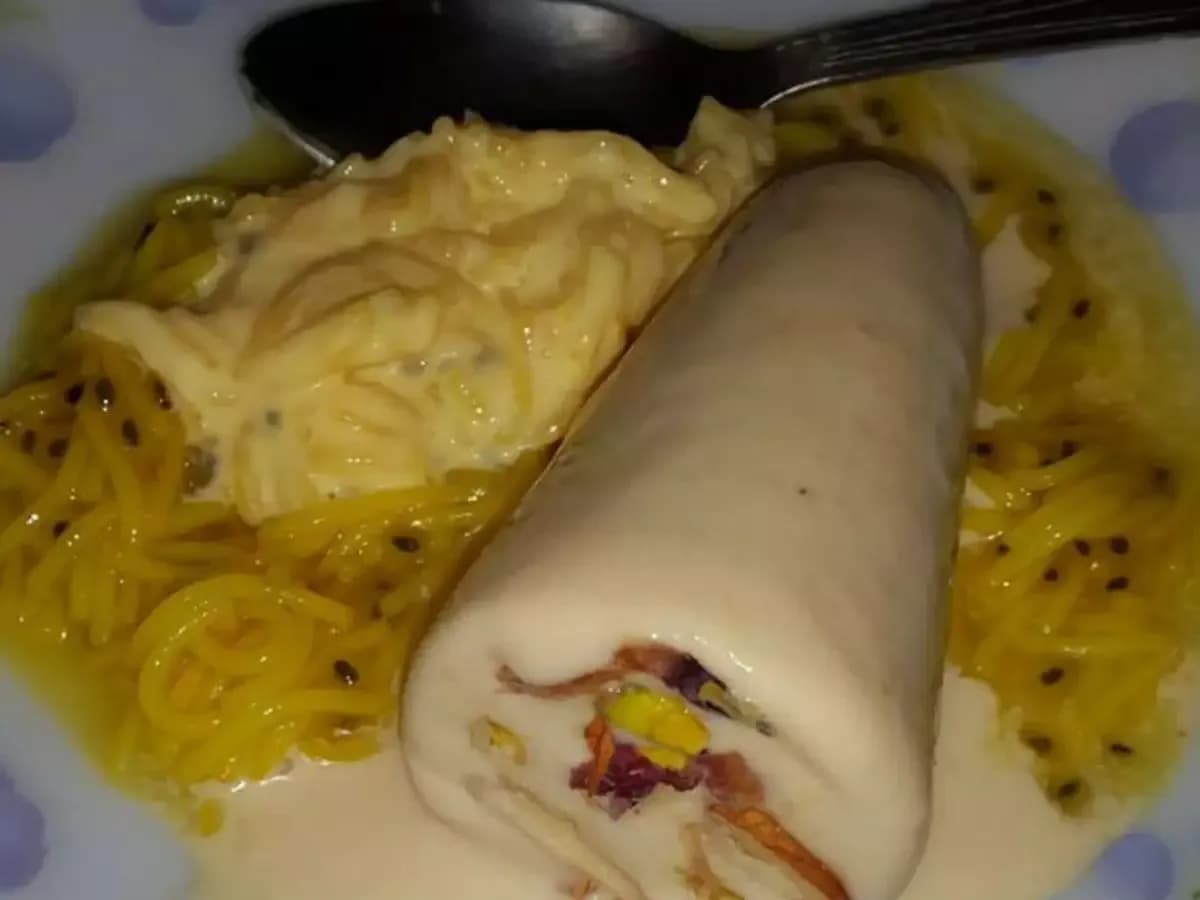
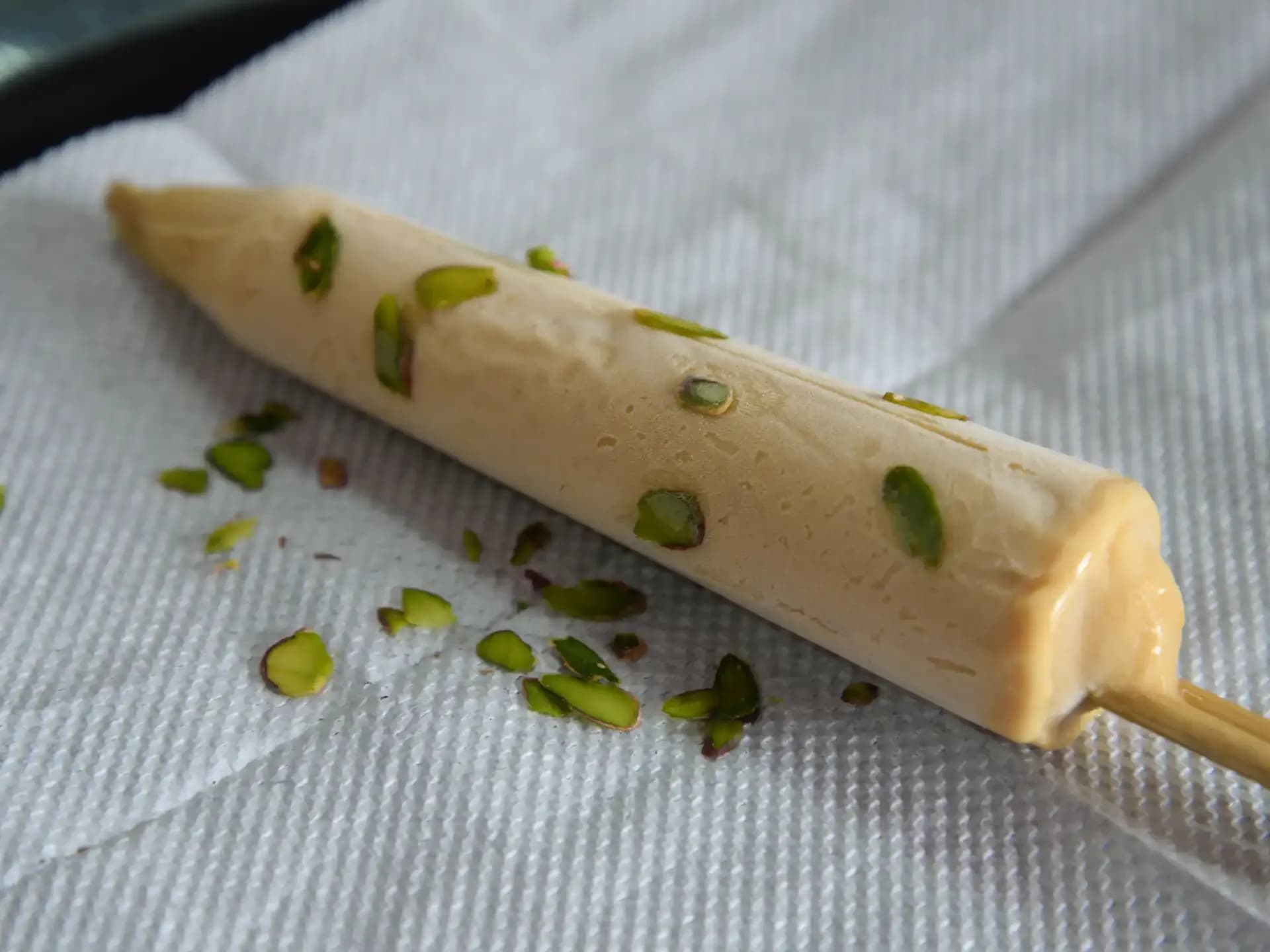
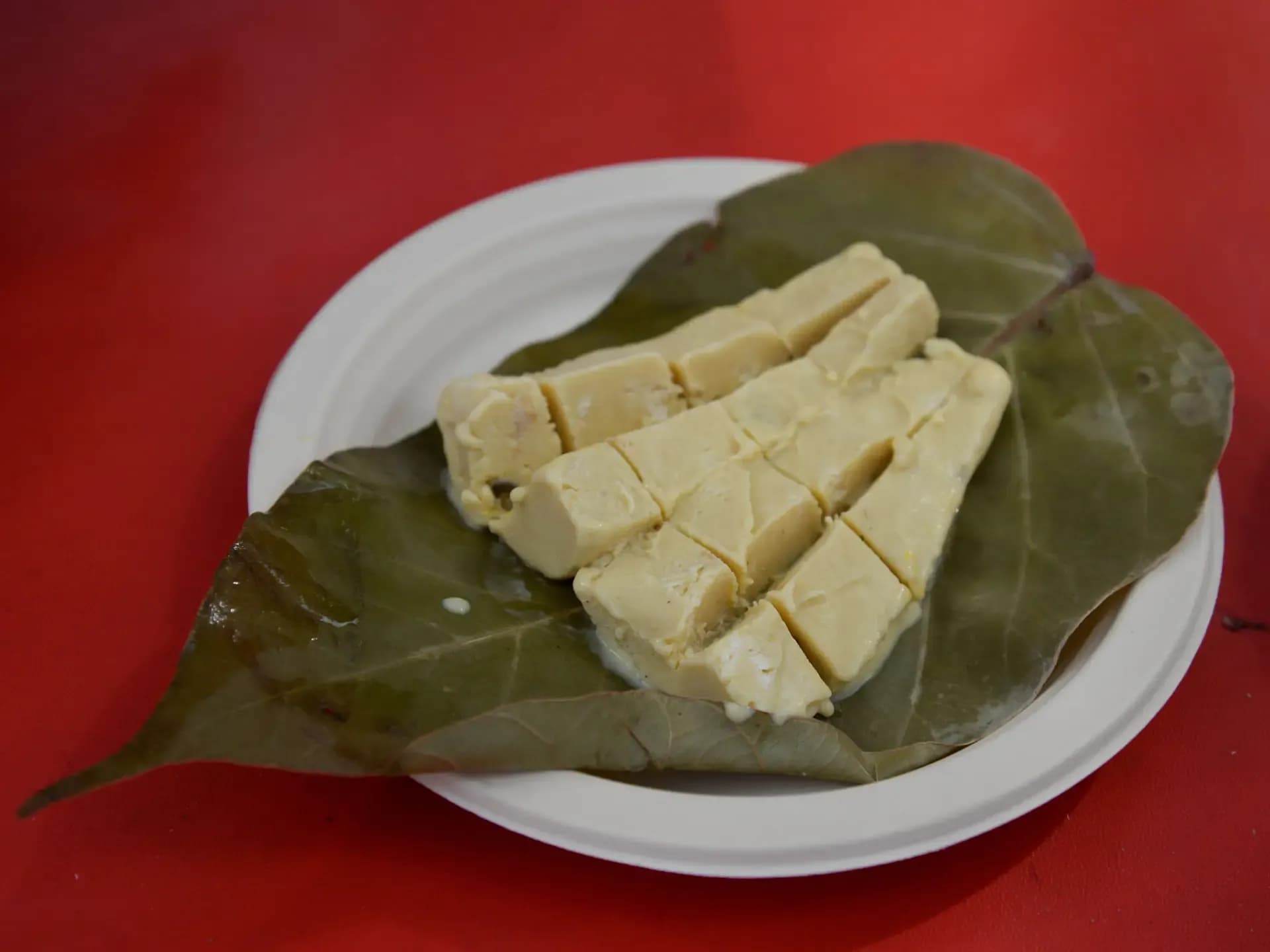
Kulfi Faluda
What it is
Dense frozen milk is set on sticks or in moulds, then served over faluda vermicelli with rose syrup and basil seeds. Unlike ice cream it is not churned, which gives it a firmer bite. Jaipur shops around Hawa Mahal serve it on double sticks to stop it slipping. Malai, kesar-pista and paan are the common flavours.
Best Places to try
Tip
To find nearby locations, search 'Kulfi Faluda' in Google Maps for places close to your location.
Ghewar
What it is
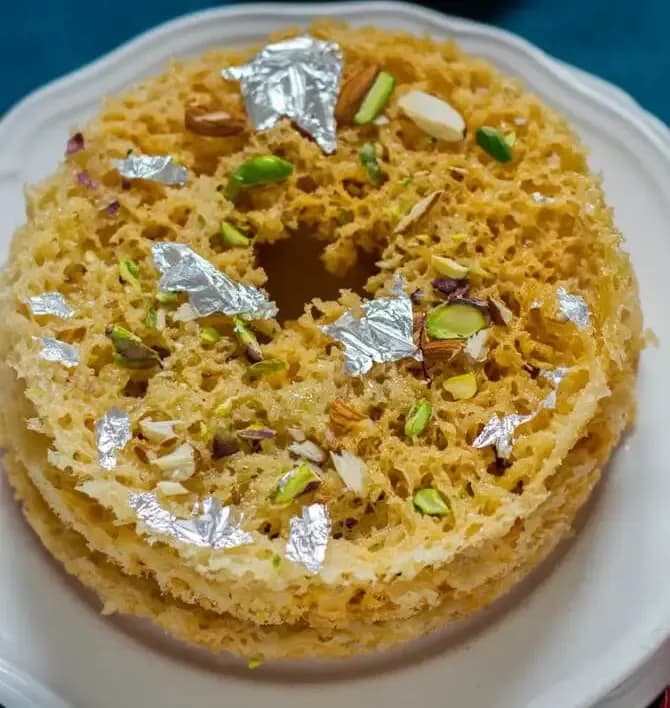
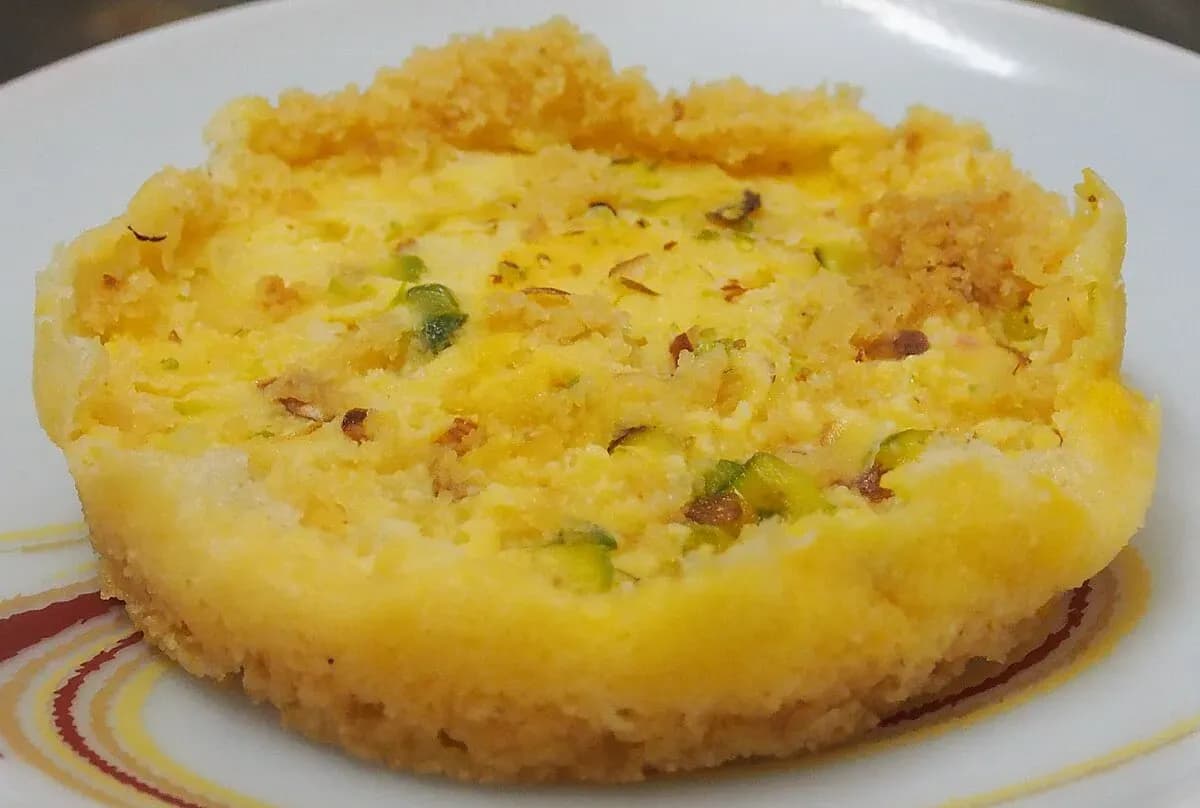
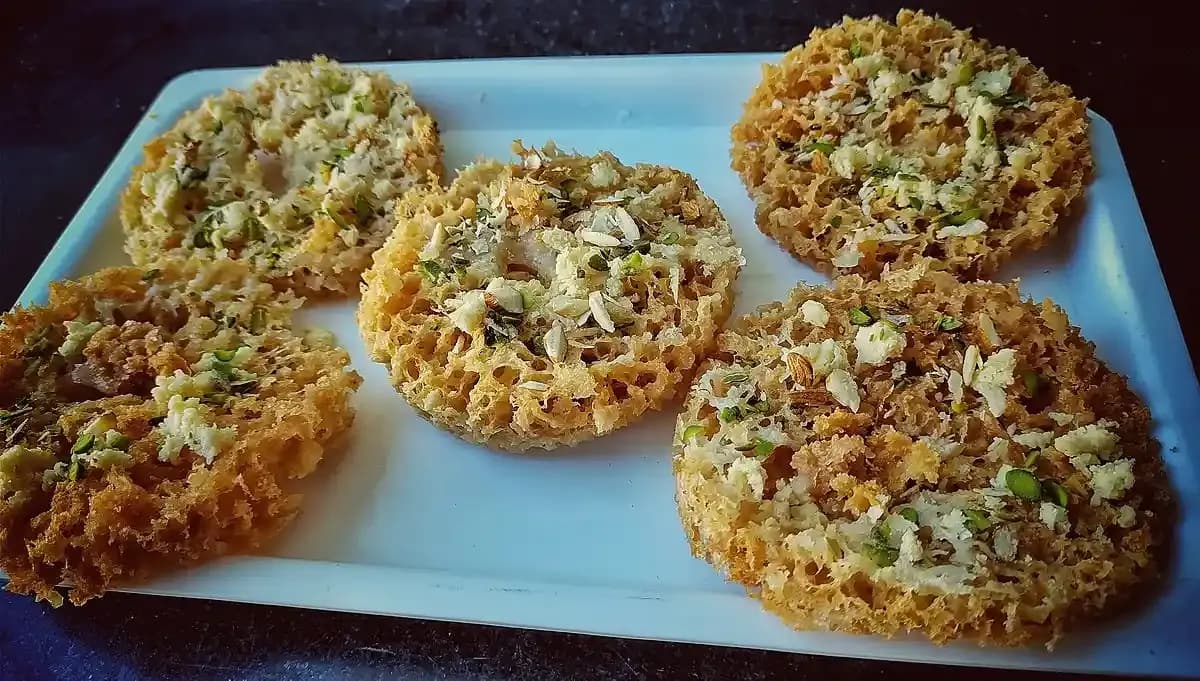
Batter is poured in a ring into hot ghee, where it sets as a honeycombed disc, then soaked in sugar syrup and topped with rabri or nuts. It is made mainly around Teej and Raksha Bandhan in the monsoon months. The open structure distinguishes it from other Indian sweets. Plain, malai and rabri versions are sold side by side.
Best Places to try
Tip
To find nearby locations, search 'Ghewar' in Google Maps for places close to your location.
Mawa Kachori
What it is
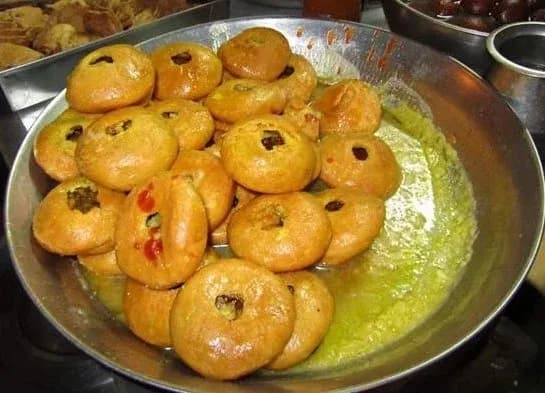
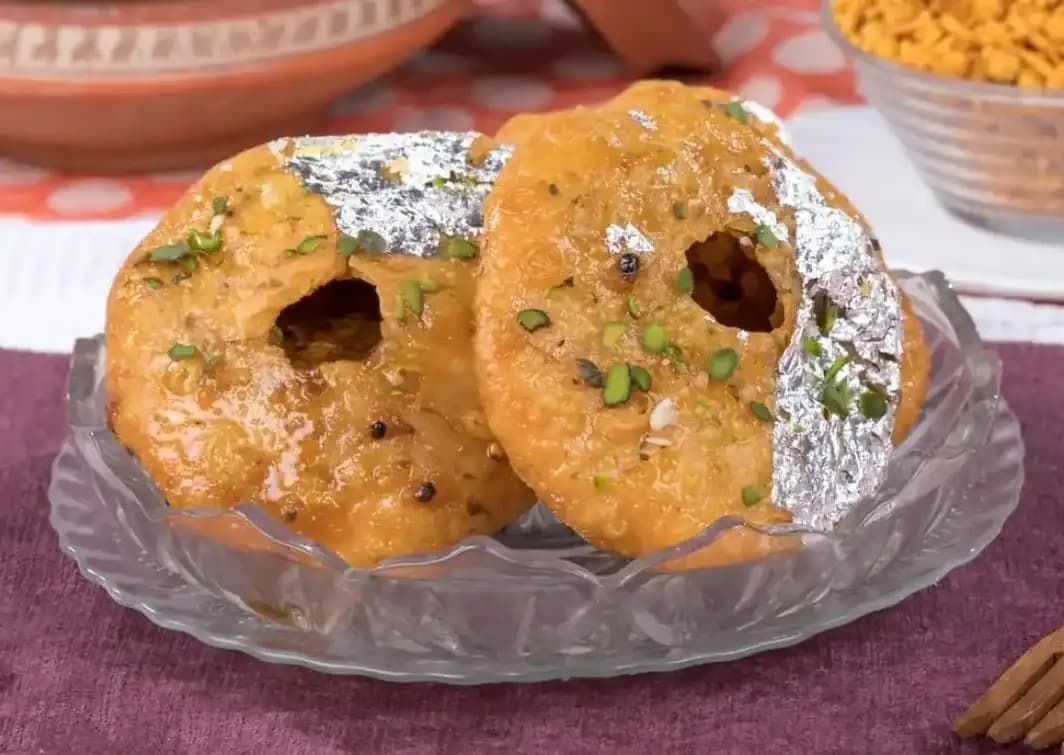
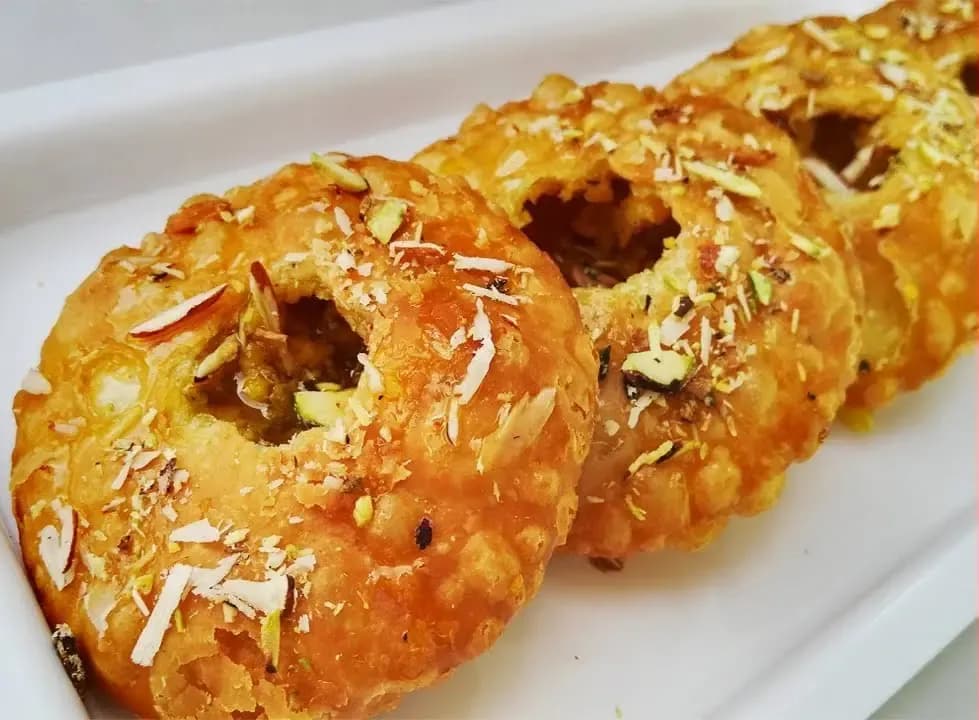
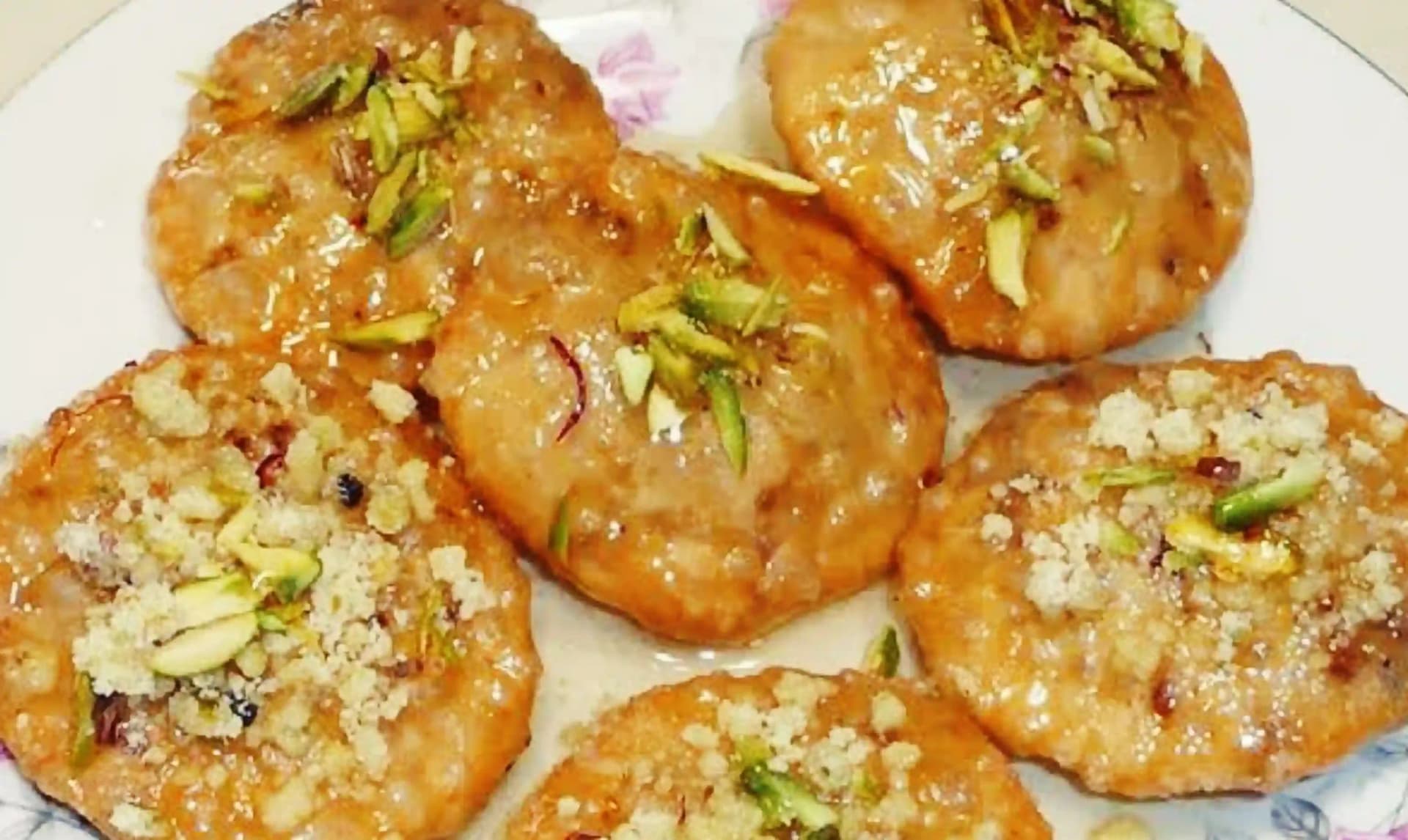
The savoury kachori form is filled instead with sweetened khoya, nuts and cardamom, fried, then dipped in sugar syrup. It sits between a pastry and a sweet, and one is usually enough for two people. Shops make it fresh through the day rather than in advance. It is heavier than most Rajasthani sweets, so eat it warm.
Best Places to try
Tip
To find nearby locations, search 'Mawa Kachori' in Google Maps for places close to your location.
Feeni
What it is
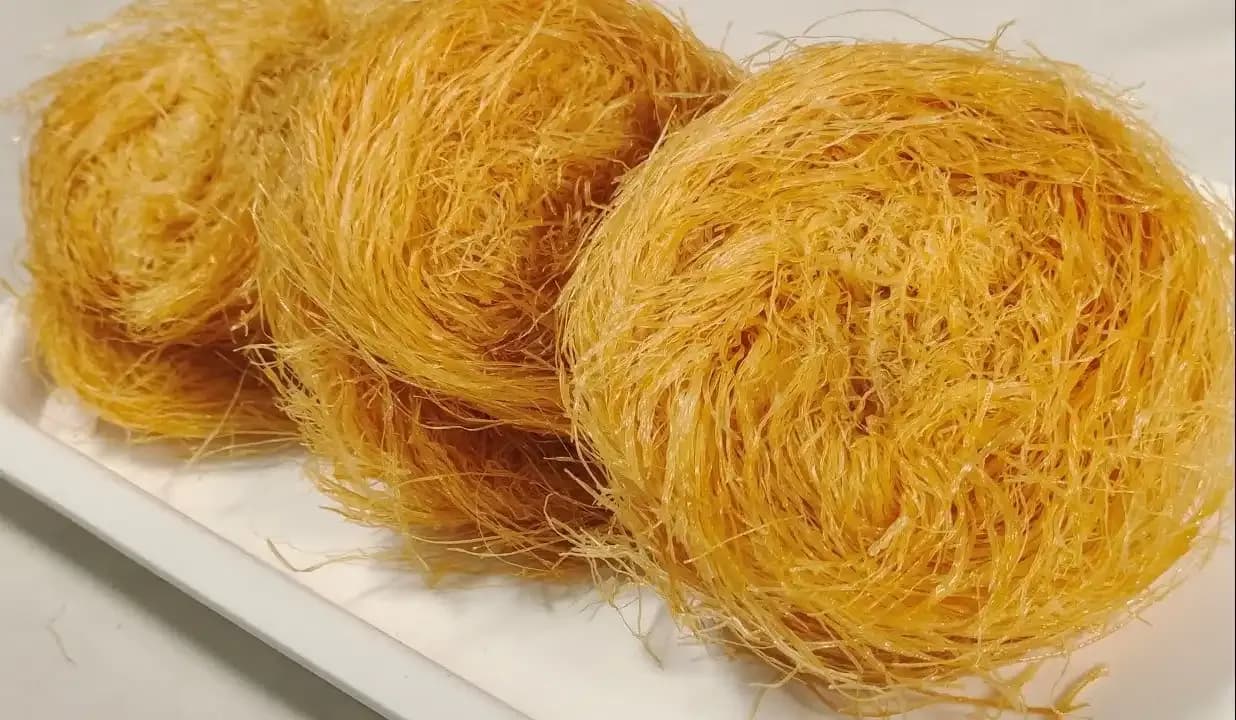
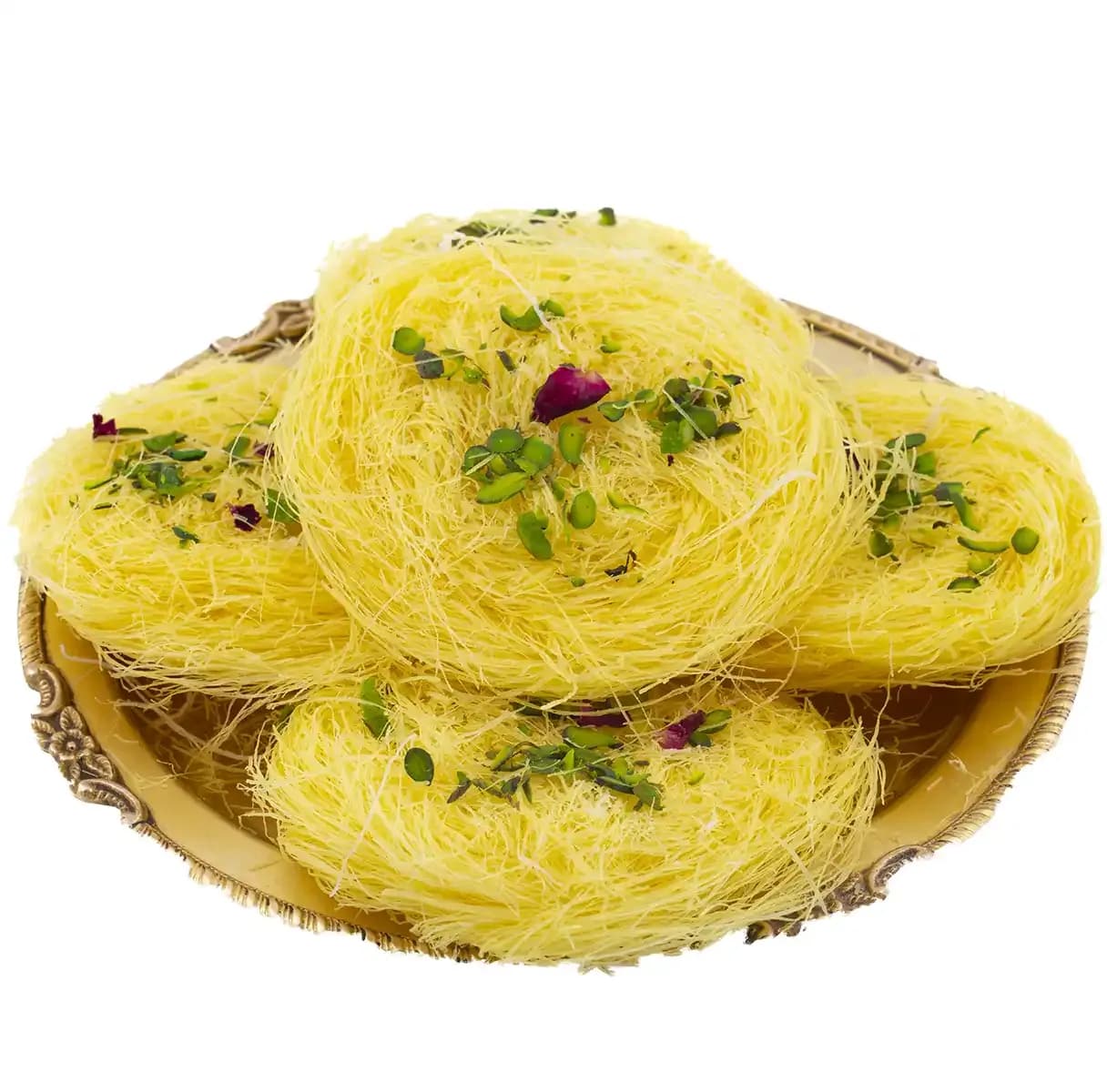
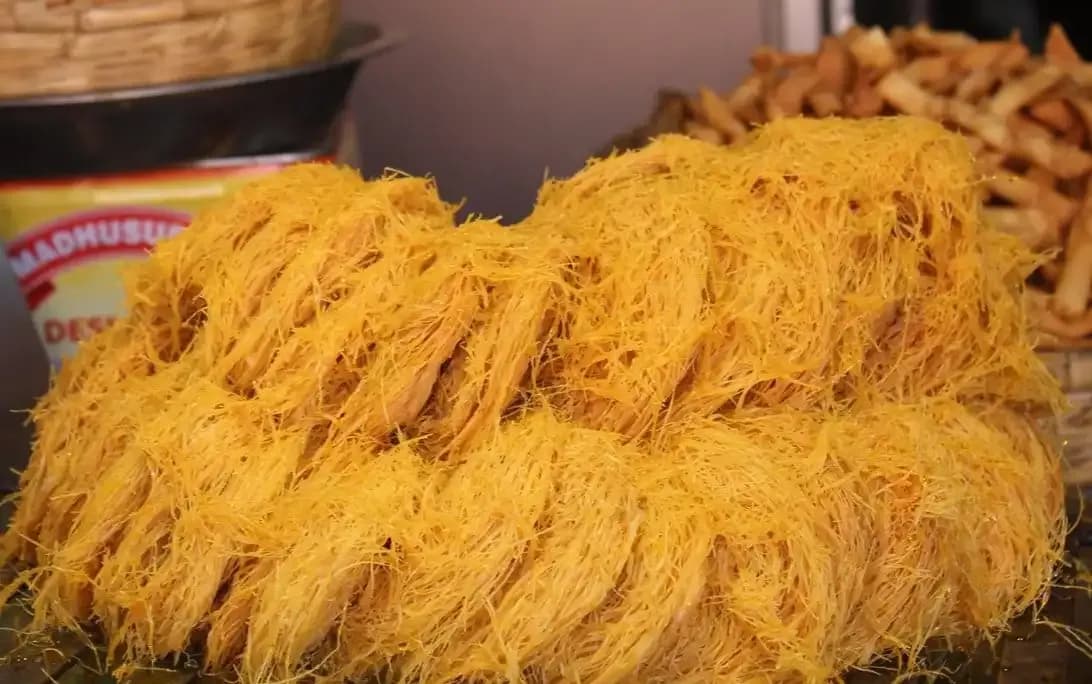
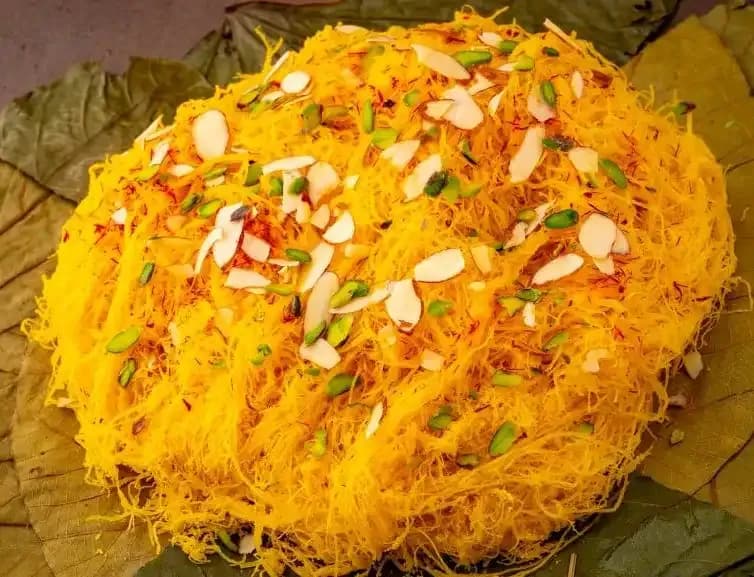
Fine strands of wheat dough are fried and layered into a nest, then eaten dry with sugar or soaked in warm milk. It is made mainly in winter and around festivals, when the strands are pulled by hand. Texture is closer to a crisp than a cake. Both plain and ghee-rich versions are sold by weight in the bazaars.
Best Places to try
Tip
To find nearby locations, search 'Feeni' in Google Maps for places close to your location.
Malpua
What it is
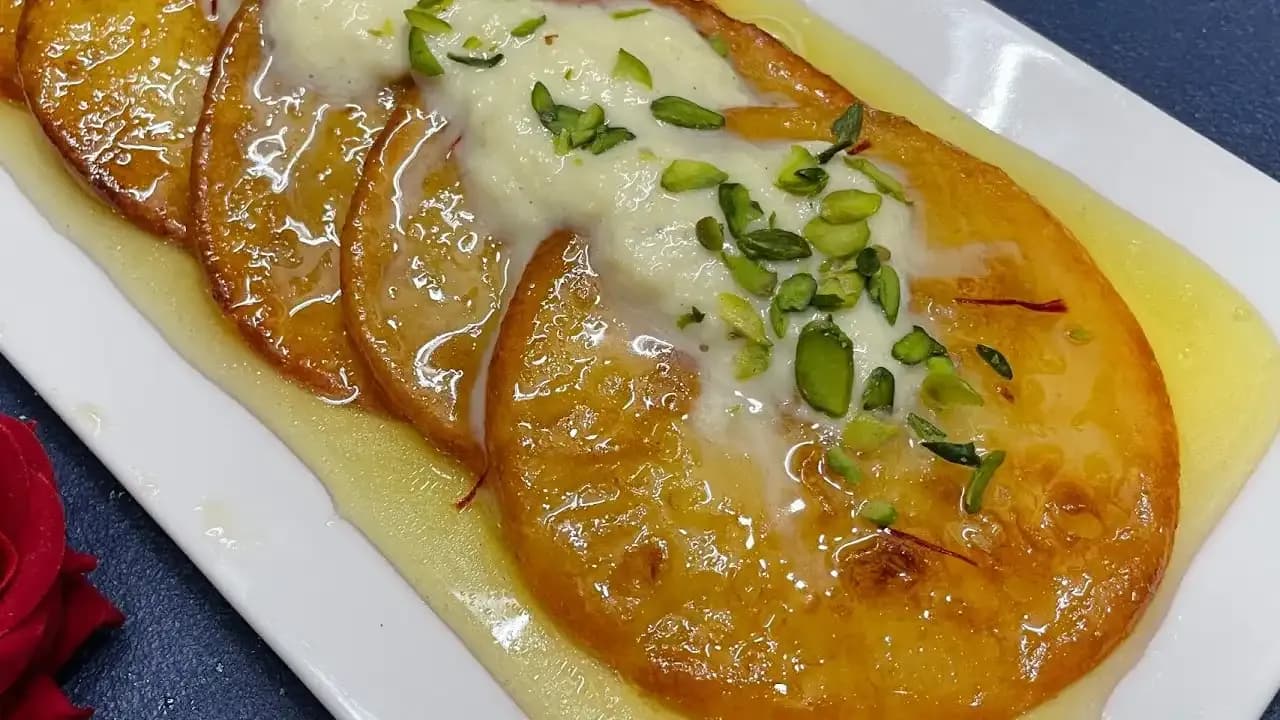
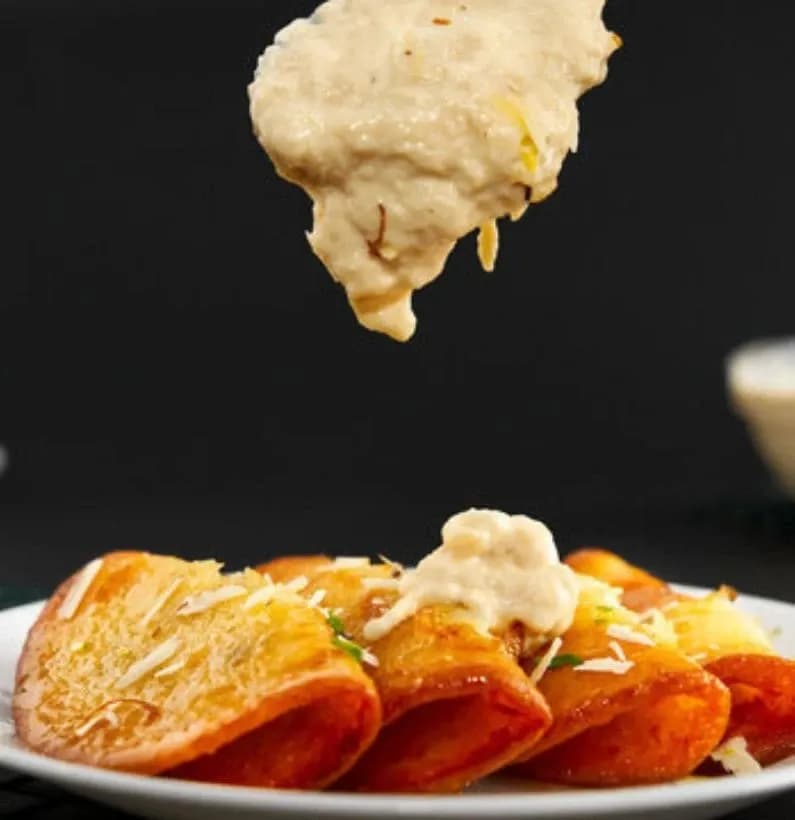
A batter of flour, milk and sometimes mashed banana is fried into a small pancake, then steeped in sugar syrup and served with rabri. Versions of the sweet appear in early Indian texts, making it one of the oldest on this list. Rajasthani malpua is thicker than the Bengali form. It is served warm, most often after a thali.
Best Places to try
Tip
To find nearby locations, search 'Malpua' in Google Maps for places close to your location.
Gajak
What it is
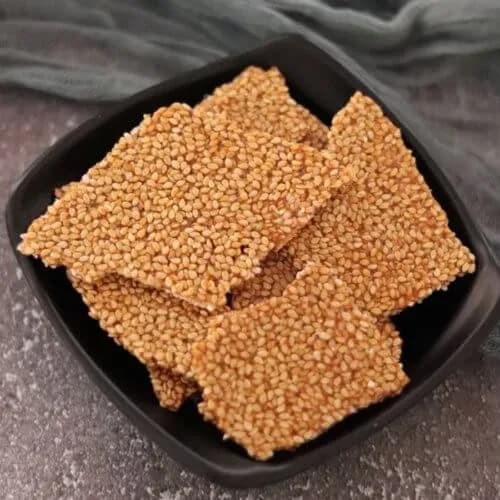
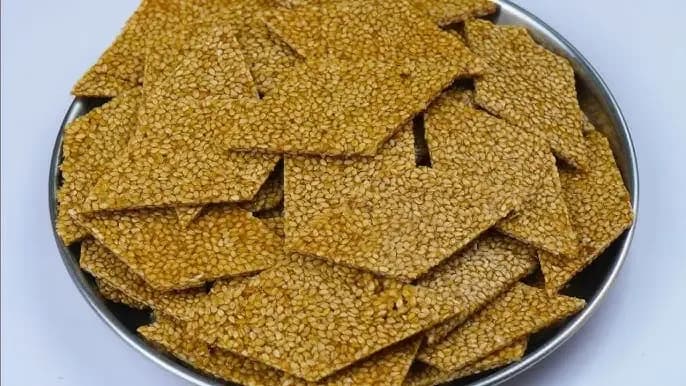
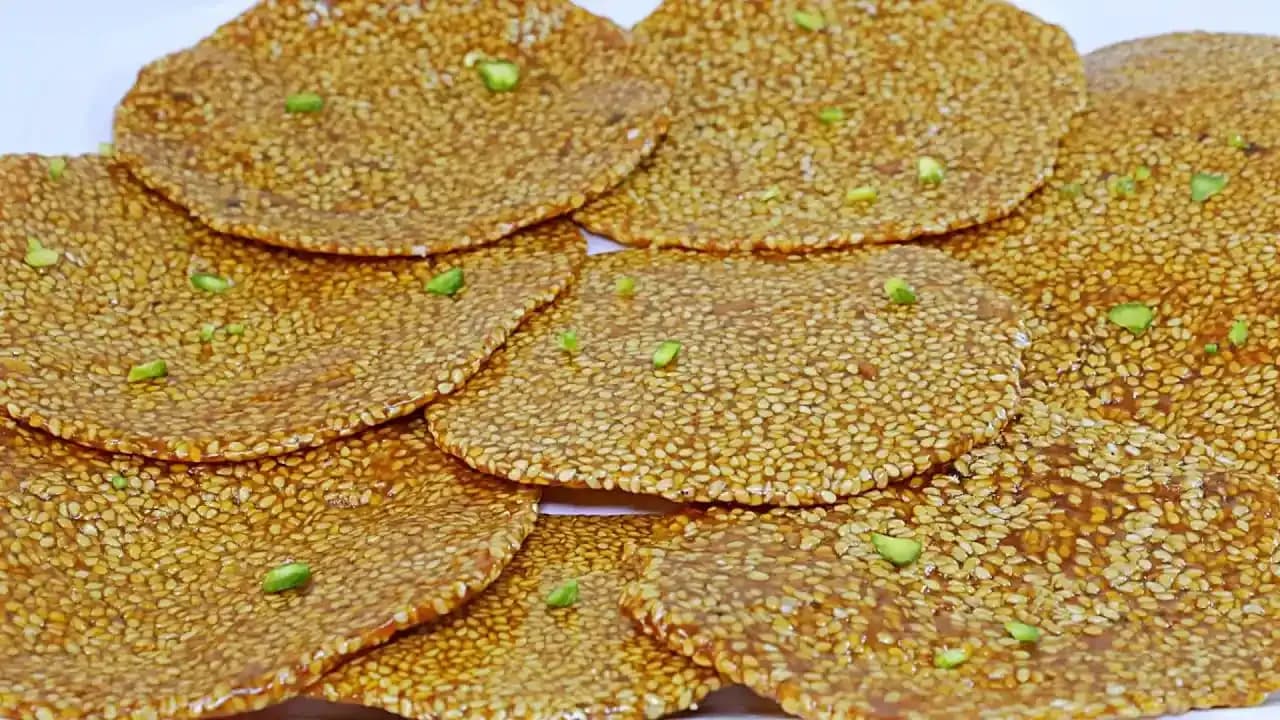
Sesame seeds and jaggery are cooked down and beaten into thin brittle sheets, then cut into bars. It is winter food, made from late November and sold heavily around Makar Sankranti in January. Dry-roasting the sesame gives it the characteristic snap. Peanut and dry-fruit versions are sold alongside the plain one.
Best Places to try
Tip
To find nearby locations, search 'Gajak' in Google Maps for places close to your location.
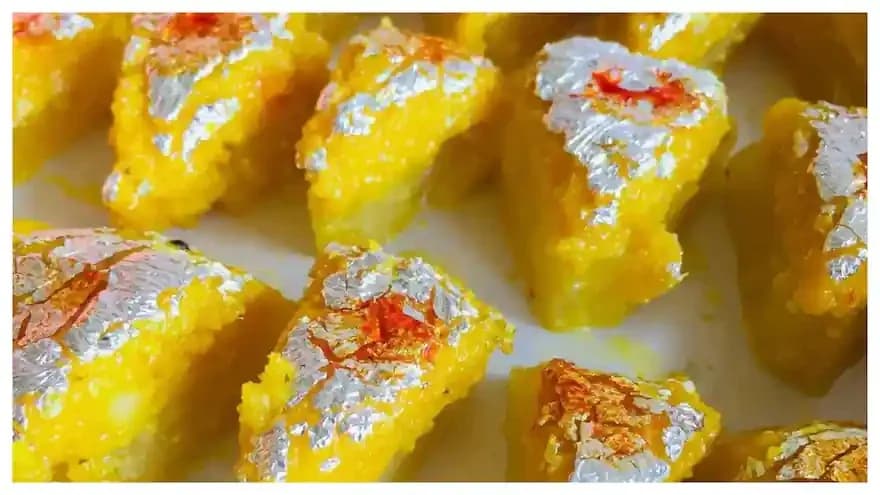
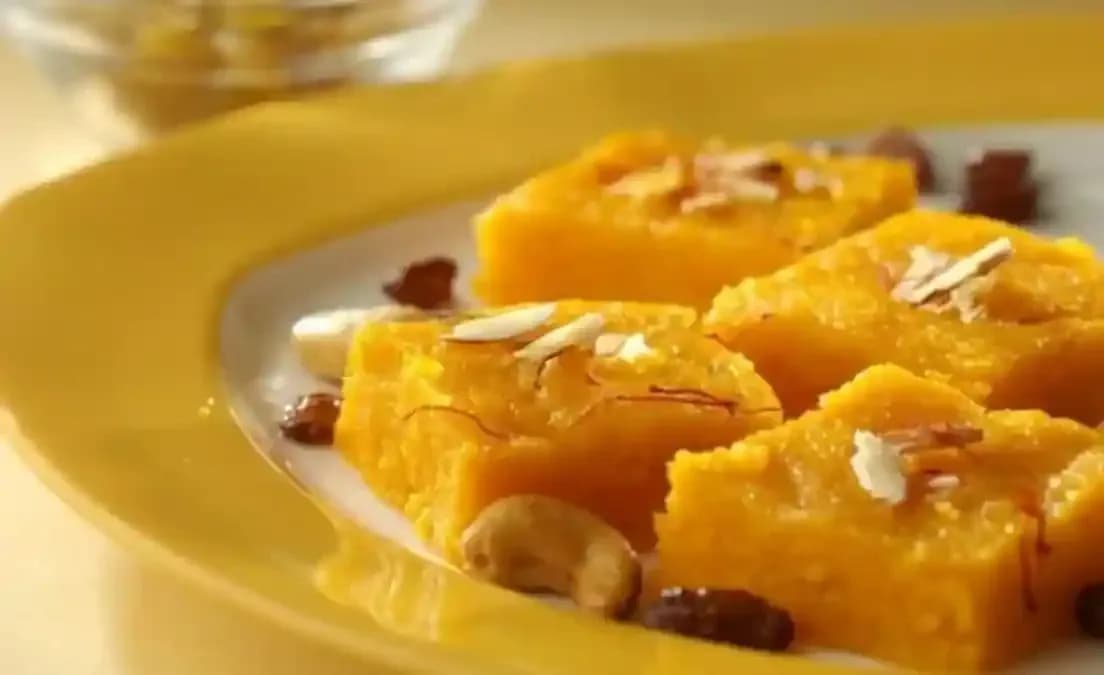
Gulab Sakri
What it is
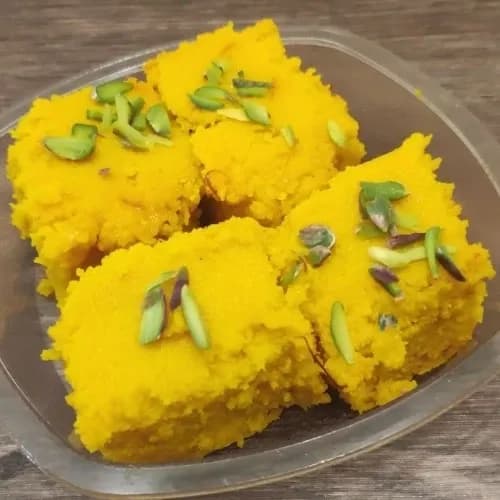
Rose is folded into a milk-solid sweet set into small discs, giving a floral note that sets it apart from standard mawa barfi. Rajasthan's rose-growing belt around Pushkar supplies much of the flavouring used in the state. It is sold by weight at the older sweet shops rather than in restaurants. Freshness matters, as it keeps only a few days.
Best Places to try
Tip
To find nearby locations, search 'Gulab Sakri' in Google Maps for places close to your location.
