




Shopping Guide

Kunbi saris
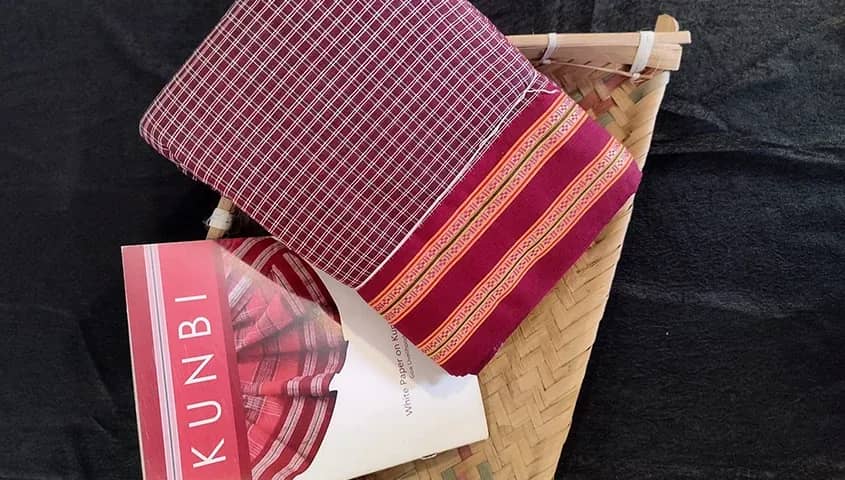
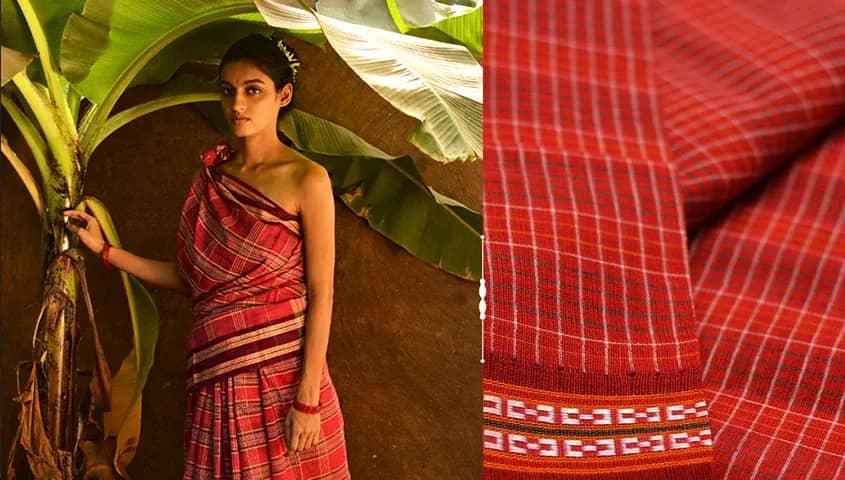
These handwoven saris are crafted by the local Kunbi community, and they epitomize vibrant colours and intricate patterns that reflect the cultural identity of Goa. The saris are made from cotton and often feature geometric designs, earthy tones, and a weave that allows for comfortable wear in the tropical climate. The art of weaving Kunbi saris has been passed down through generations, embodying both tradition and the artistic flair of the artisans. Purchasing a Kunbi sari allows visitors to take home a piece of Goan culture, creating both a memory and an elegant addition to one’s wardrobe.
Spices
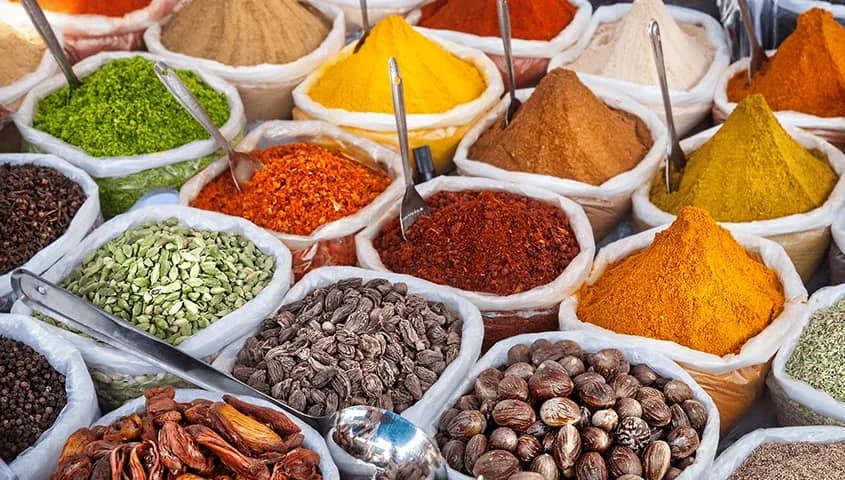
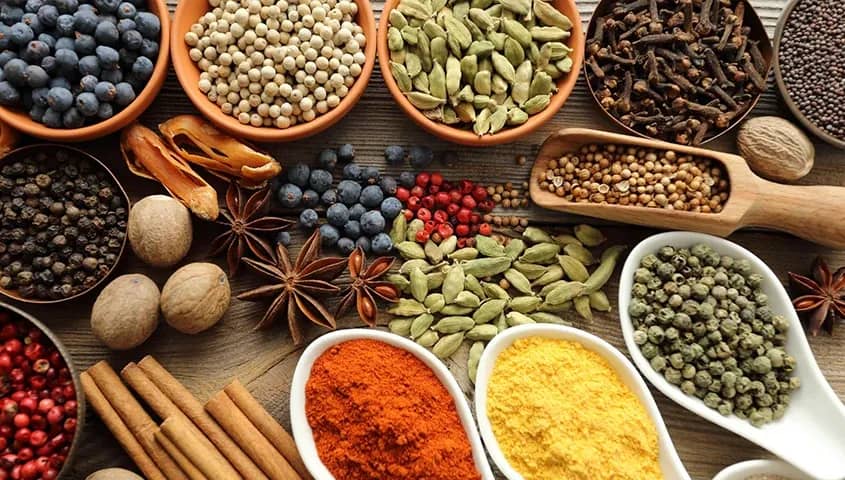
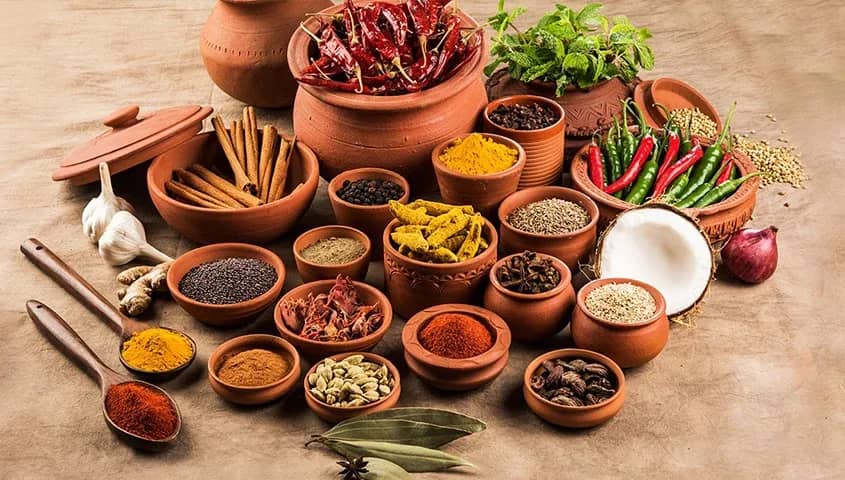
Goa, known for its stunning beaches and vibrant culture, is also home to a rich tapestry of spices that add flair to its culinary scene. These spices, cultivated in the region's lush landscapes, have a storied history, often linked to ancient trade routes. From the widely known cinnamon, nutmeg, cloves, cardamom and black pepper, to the lesser known Sichuan pepper and Monkey jackfruit (Kokum phool), they are all integral to Goan cooking; which marries Indian flavours with Portuguese influences. Purchasing spices directly from local markets or spice plantations allows visitors to experience the freshest and most authentic flavours. This is not just shopping; it is an opportunity to engage with the local culture and learn about the provenance of these aromatic ingredients.

Cashews
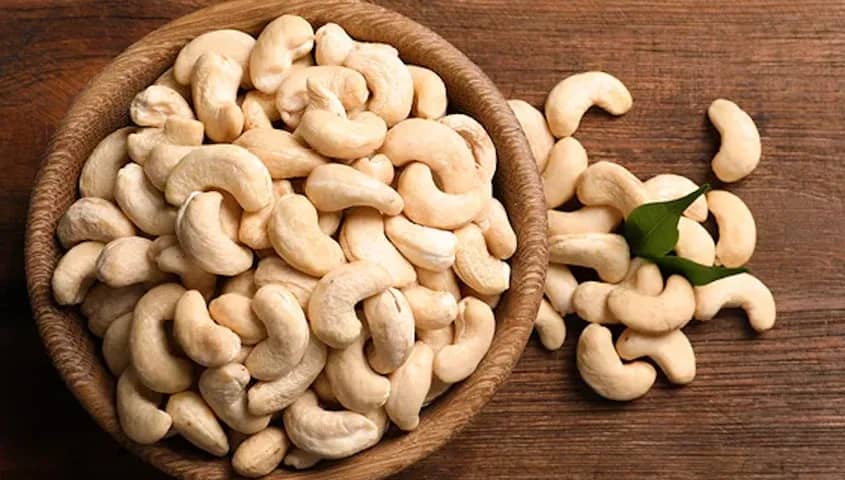
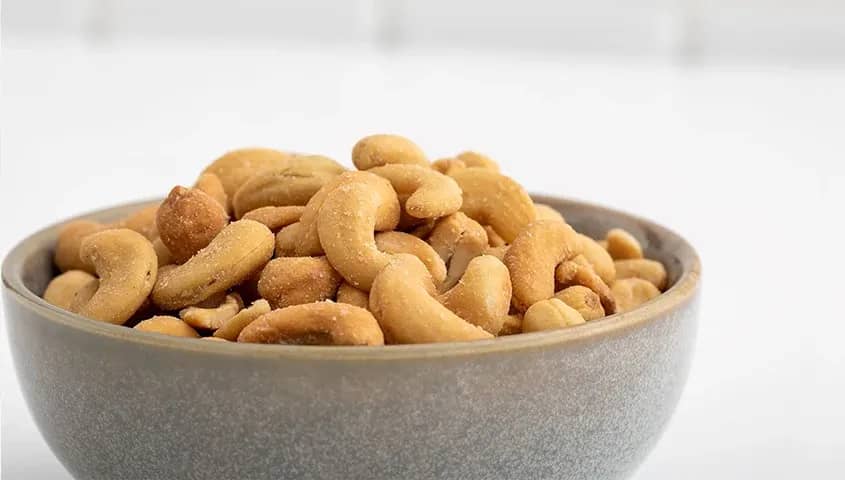
Often referred to as the ‘wonder nut,’ cashews are one of Goa's culinary highlights. These nuts grow on the cashew tree, which thrives in the coastal climate. What makes cashews appealing is not just their delicious, buttery flavour, but also their versatility in sweet and savoury dishes. They can be found roasted, salted, spiced, or even transformed into creamy cashew cheese or desserts. The traditional method of processing involves stripping the nut from the apple, which is the fruit that also grows on the tree. The history of cashews in Goa is linked to Portuguese colonisation, as they were introduced in the 16th century. The nuts have since become a prized local product, celebrated in various culinary forms ranging from sidis (sweets) to traditional Goan curries.

Alcohol
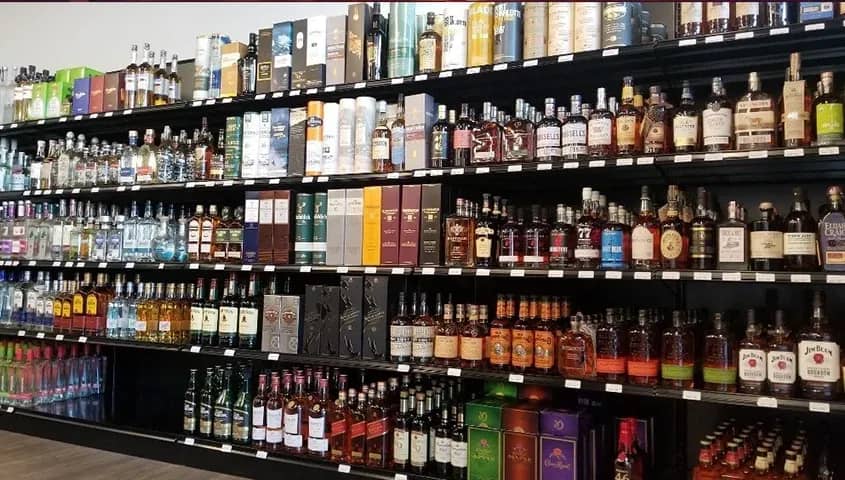
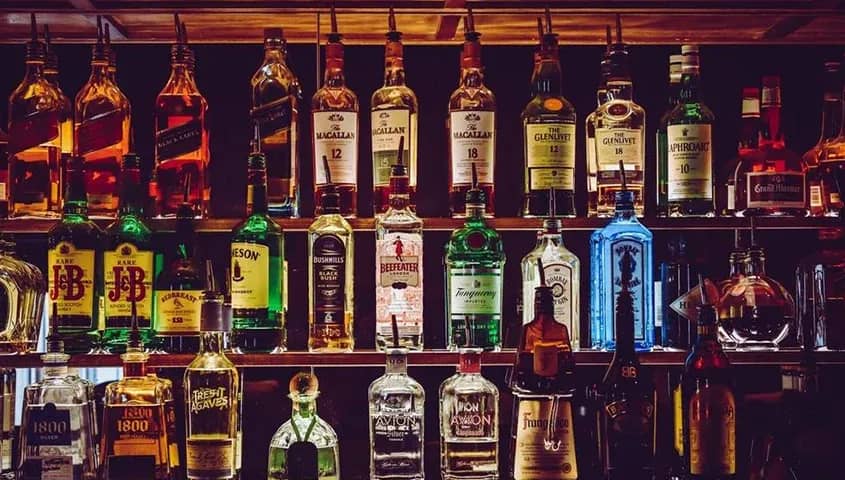
Goa is not just a haven for sun and sand; it is also a paradise for those who wish to indulge in diverse alcoholic beverages. The region boasts a rich tapestry of local drinks influenced by its Portuguese heritage, tropical climate, and vibrant culture. From the legendary feni, made from cashew apples or coconut sap, to locally crafted beers and a plethora of cocktails, Goa offers something for every palate. The traditional methods of crafting these beverages tell a story of the land, culture, and the revelry that defines this holiday hotspot. Be cautious if you are planning to take liquor out of the state. one needs a liquor permit from Excise Government of Goa. You will get the permit in the liquor shops by paying Rs.20/— Each person can take only 2 full bottles of liquor by Roadways, Railways or Flight. Note: The seal of the bottle should not break while transporting, otherwise the permit is invalid.
Coconut shell articles
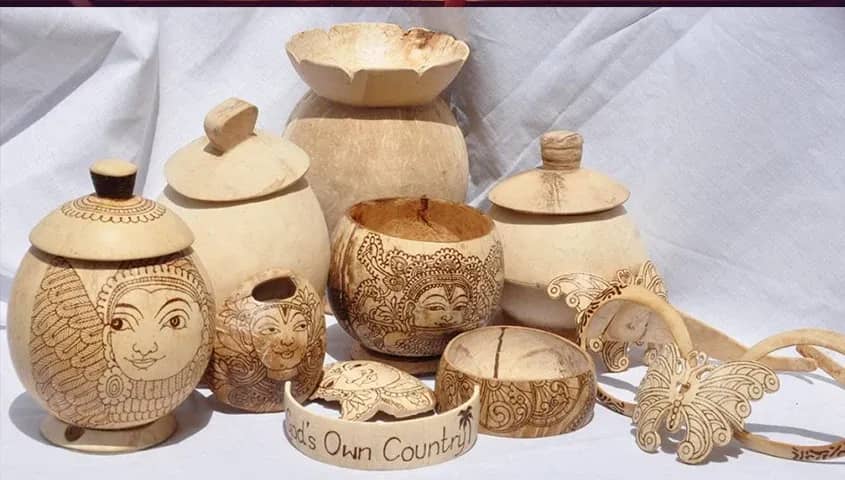
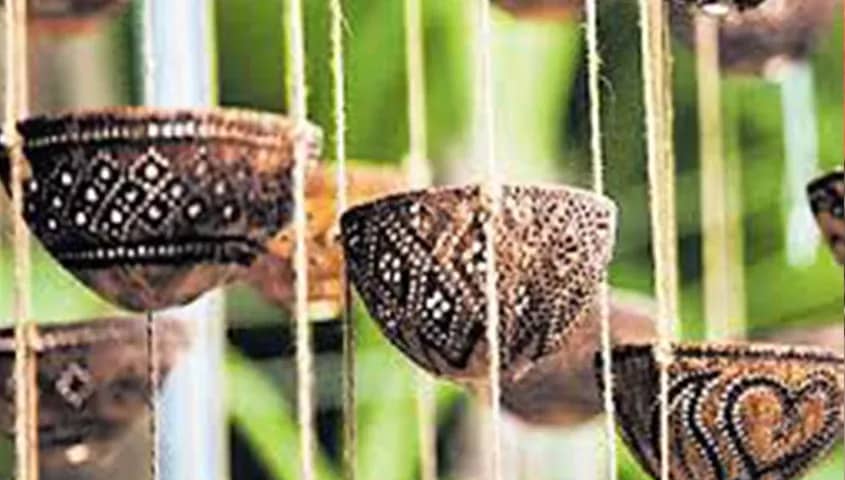
This eco-friendly product showcases the versatility of coconut shells, which are a by-product of the coconut industry. Artisans carve, polish, and sometimes paint these shells to create beautiful decorative items, utensils, and jewellery. Purchasing coconut shell handicrafts not only supports local craftsmanship but also adds a touch of Goa's tropical charm to your home. Beyond their aesthetic appeal, coconut shell articles have a fascinating history; they date back centuries, when they were first used in local households for practical purposes. As you browse the stalls, you will find everything from vibrant bowls to intricate ornaments, each telling a story of Goa's rich culture. Note: Coconut or Coconut shell items are are on the restricted items list in some airlines and countries, so unless you are travelling to your home town by road, you may want to look up your destination & airline laws to confirm if you can do so.
Terracota handicrafts
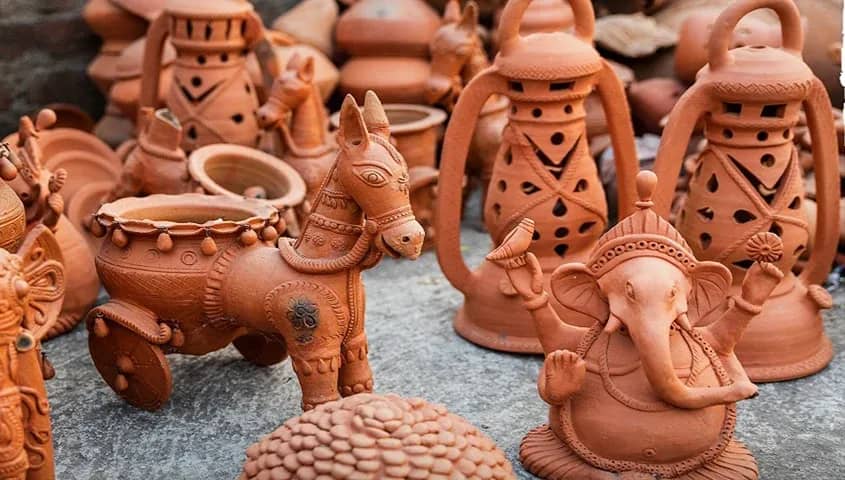
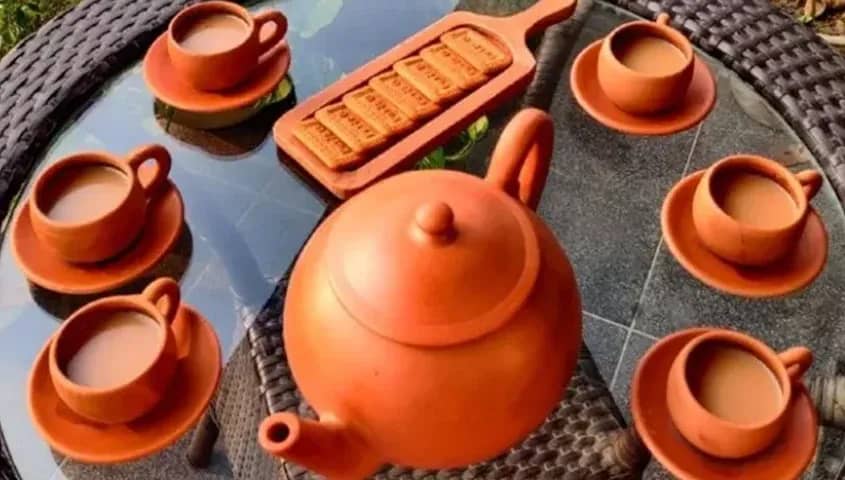
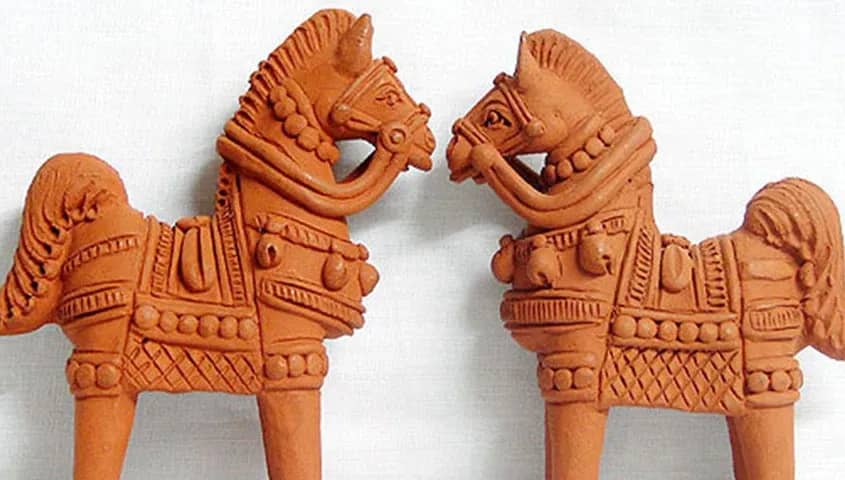
Goa earthenware, with its deep, rich, red surface has a charm and style of its own. The North Goa districts of Bicholim and Calangute are well known for its red clay pottery traditionally done by the Kumbhar community who now have added stoneware products to their repertoire. Making both utilitarian products for cooking and storing liquids; such as pots, bowls, plates and vases, they also craft items like lamps, idols, sculptures, planters, large figurines and masks for sale. Local artisans create these unique pieces using traditional techniques passed down through generations.
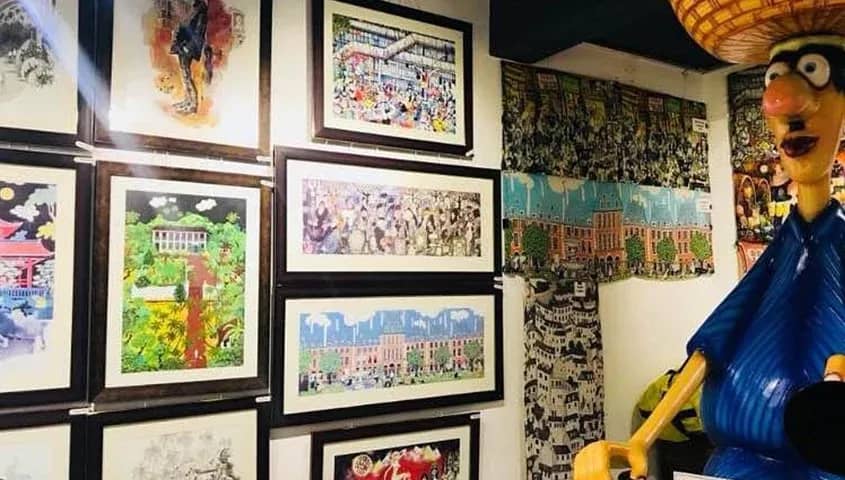
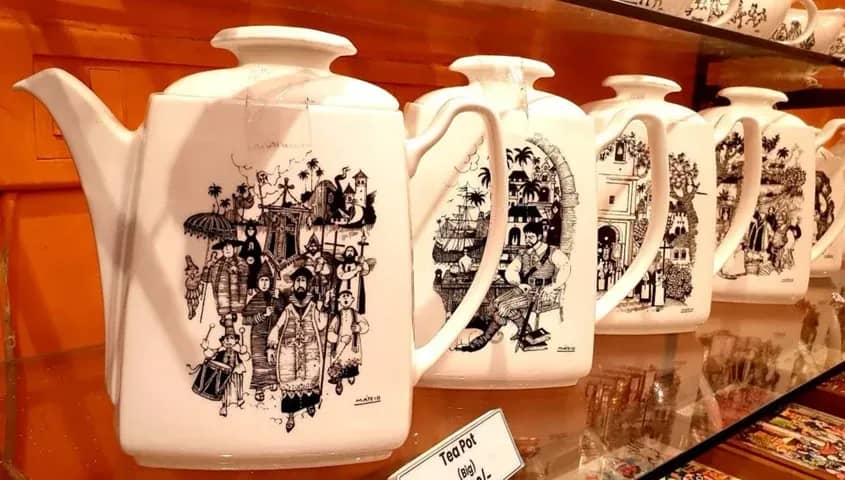
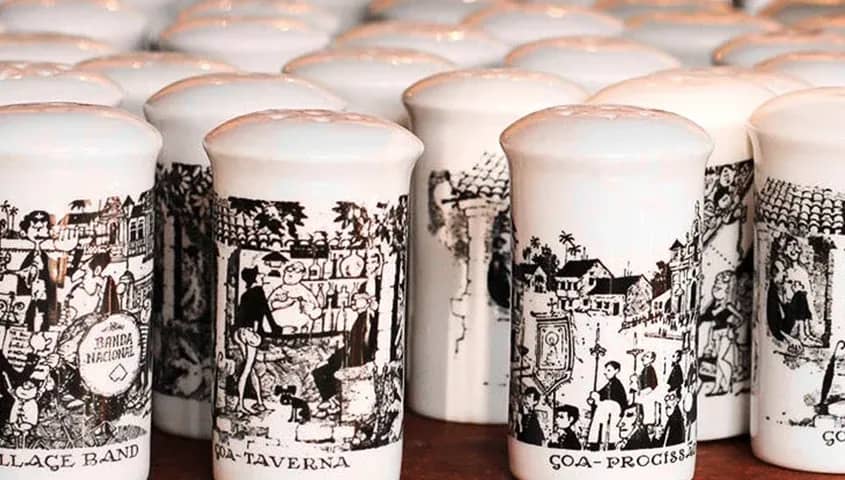
Mario Miranda art
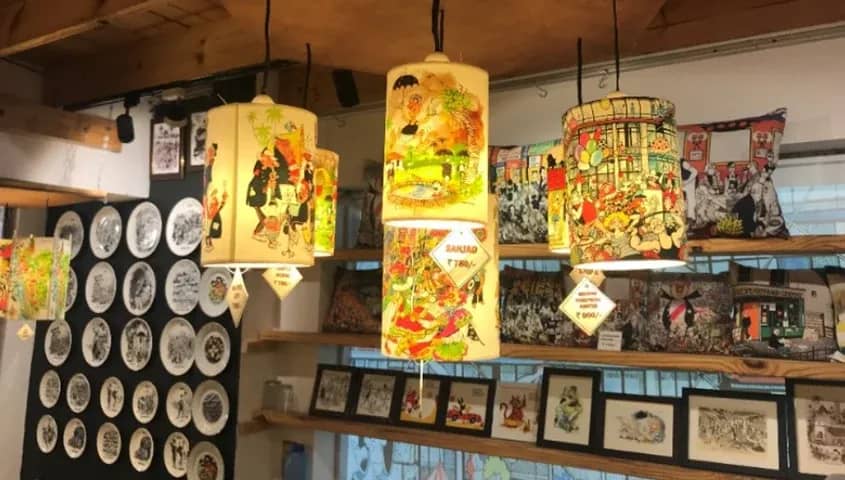
Mario Miranda’s whimsical illustrations have become emblematic of Goan culture, reflecting the region’s vibrant charm through playful caricatures of local life and architecture. His distinctive style—marked by meticulous pen strokes and a wry sense of humor—immortalizes everyday Goan scenes, from bustling markets to lazy afternoons by the sea. Today, visitors can find an array of Mario Miranda merchandise in quite a few galleries and cafes across Goa. From prints to postcards, mugs to T-shirts, lampshades to many a household items you can pick items bearing his trademark sketches. These items make for unique souvenirs and gifts, allowing art lovers to bring home a piece of Goa’s spirited heritage and celebrate the legacy of one of India’s most beloved illustrators.
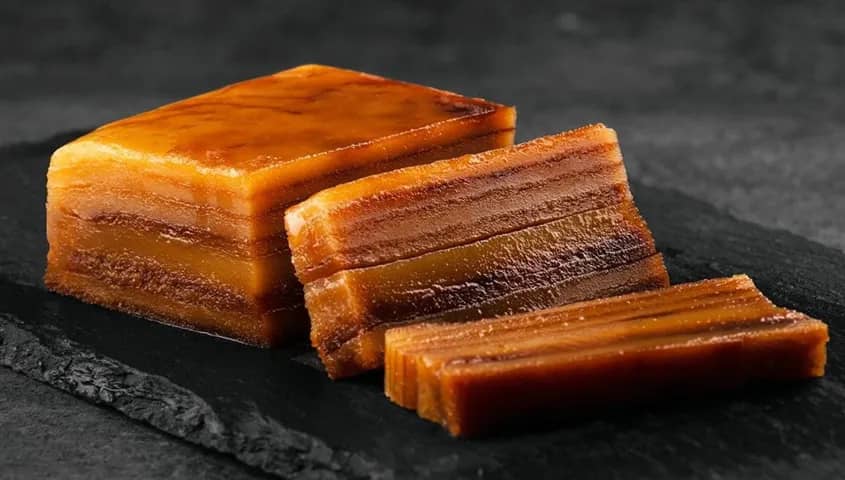

Bebinca & Dodol
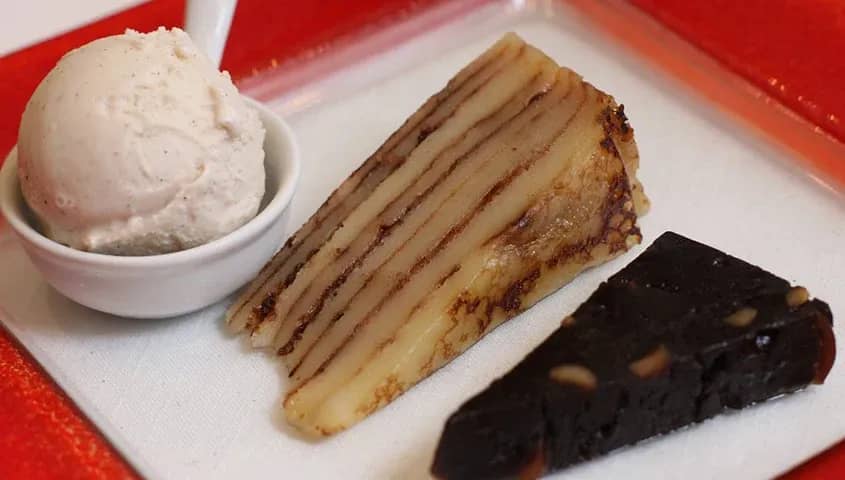
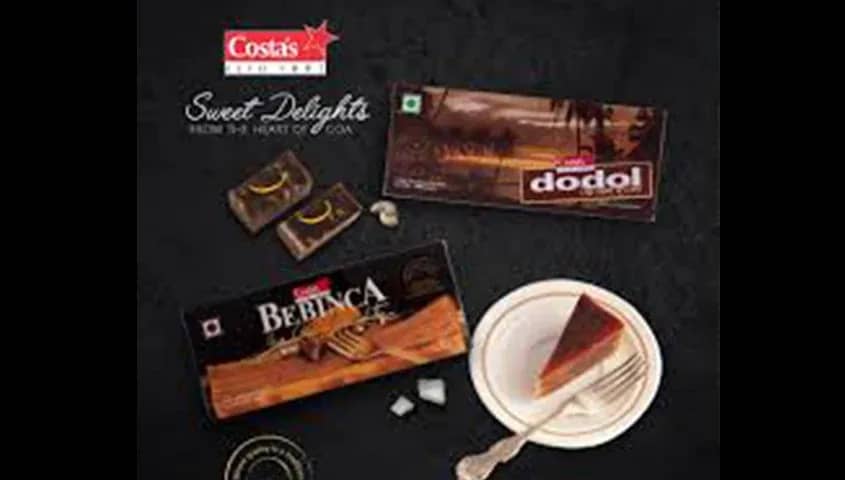
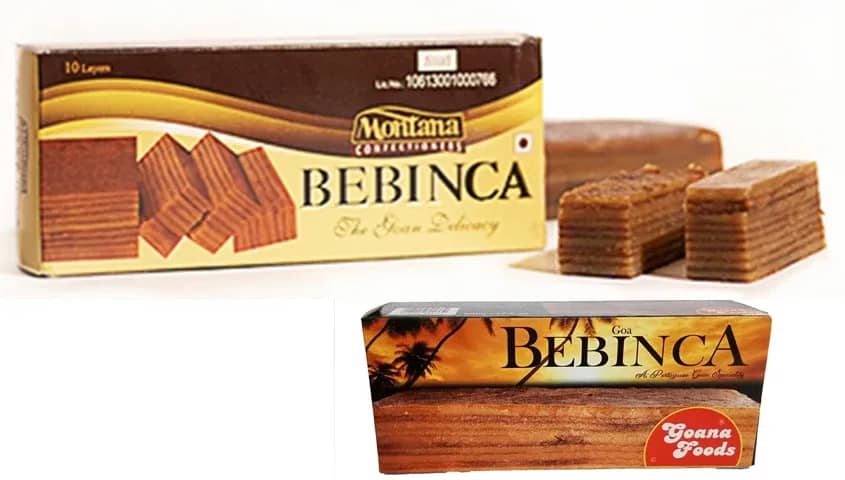
Two delightful treats that represent the sweet side of Goa. Bebinca is a traditional Portuguese layered coconut pudding, often considered the queen of Goan desserts, where each layer is created using coconut milk, sugar, eggs, and ghee. On the other hand, dodol is a sticky, sweet delight made primarily from rice flour and coconut milk, infused with jaggery for a rich taste. The history of these delicacies is rooted in Goan culture.
Fresh bakes
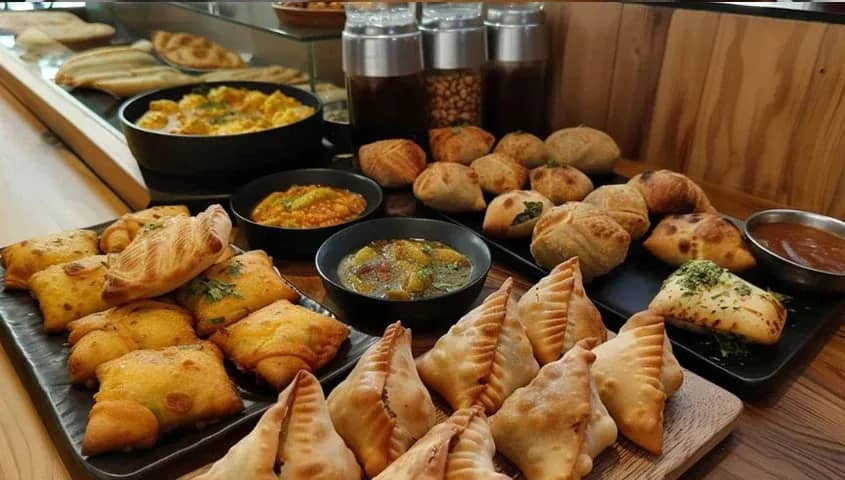
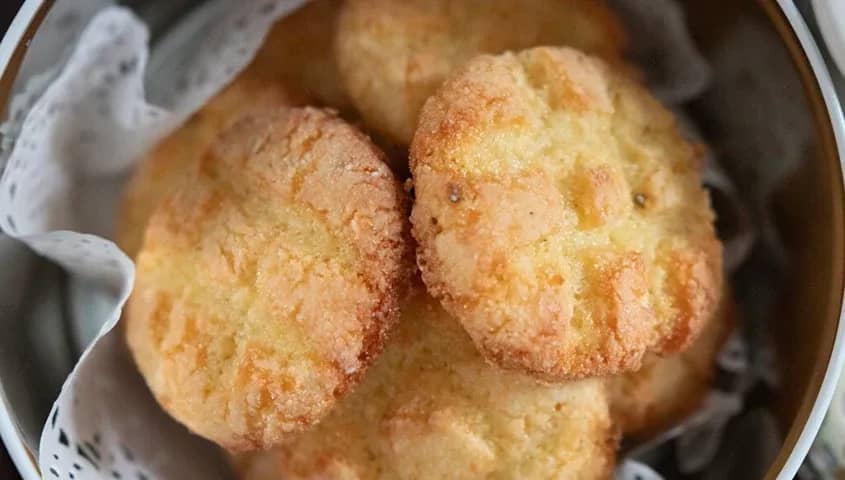
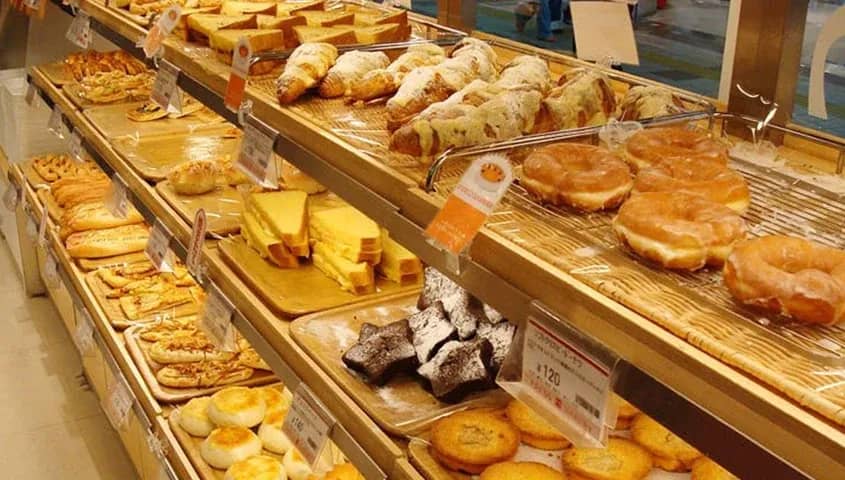
Baking in Goa has deep roots that trace back to the Portuguese colonial era. When the Portuguese arrived in the 16th century, they introduced their baking techniques, which were soon adopted by the locals. Over time, Goans infused these methods with local ingredients and flavors, giving birth to a unique baking tradition that has become an integral part of the state’s culinary identity. Freshly baked goods are widely available in Goa, thanks to traditional Goan bakeries, often referred to as poder’s trolleys (local breadmen). Some of the most iconic Goan baked items include pão (Goan bread), poee (a whole wheat bread), and undo (crispy bread rolls), which are staples of daily meals. Sweet treats like bebinca (a layered coconut and egg dessert) and bolinhas (coconut cookies), reflect the blend of Portuguese and Indian influences.
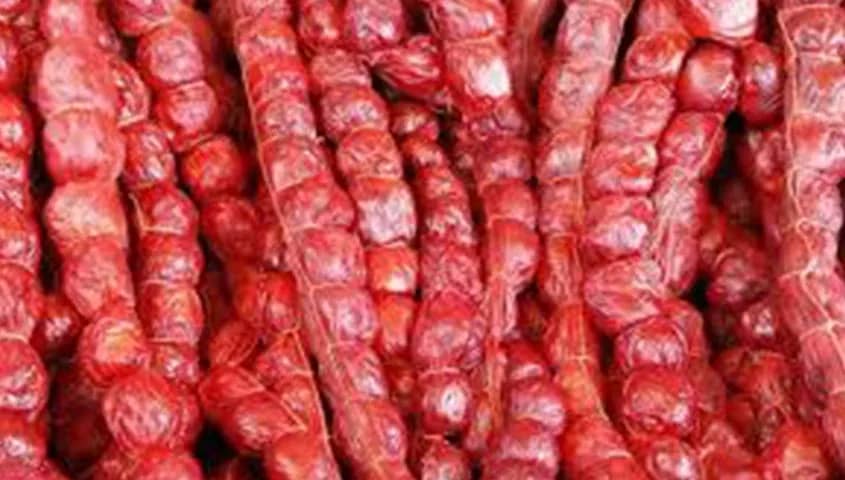
Sausages
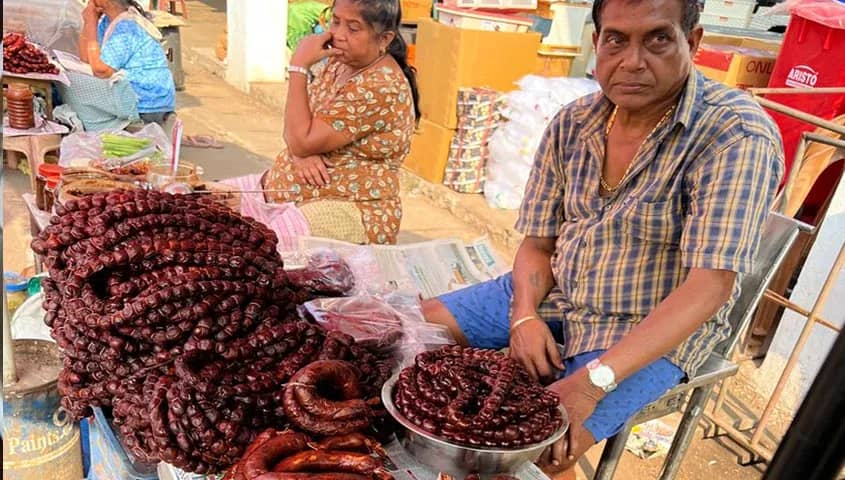
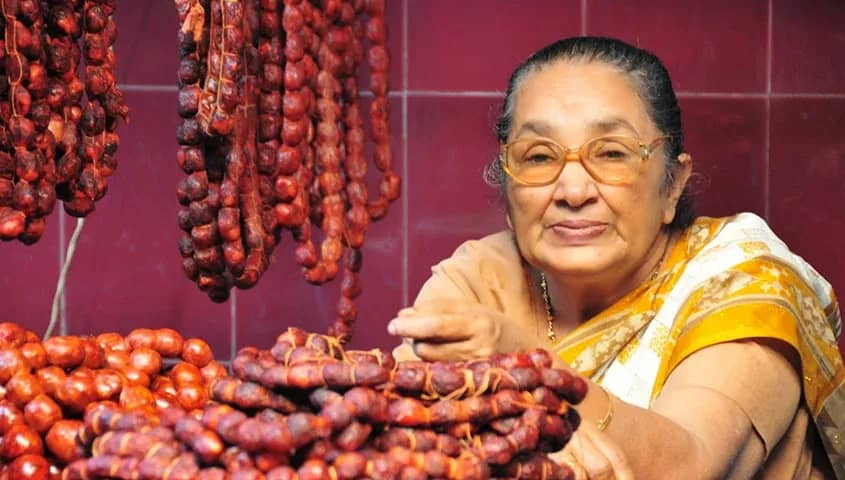
In Goa, sausages are more than just a food item; they embody a rich cultural exchange influenced by Portuguese colonialism and Indian traditions. These sausages are typically made from minced meat, often pork, mixed with spices, garlic, and sometimes vinegar. The result is a burst of flavours that reflects the Goan love for bold seasonings. Known locally as "Goan sausages," these delicacies can be enjoyed in various dishes or on their own, making them a versatile choice for any food lover. If you want to experience a taste of Goan heritage, indulging in these sausages is a must, as they showcase the unique flavours that the region has to offer.
