




Fine Dining
9 options
Local Cuisine Restaurants
10 options
Local Food
6 options
Local Dessert
8 options
Local Beverages
6 options
Local Alcoholic Beverages
7 options
Street Food
7 options
Local Authentic Meals
4 options
Goa New: Local Dessert

Share
Goan sweets sit at the meeting point of Portuguese convent baking and Konkani coconut cookery. Most use only coconut, jaggery, eggs and rice flour, and several are tied to Christmas, when families still bake a consoada tray to share with neighbours.
Share
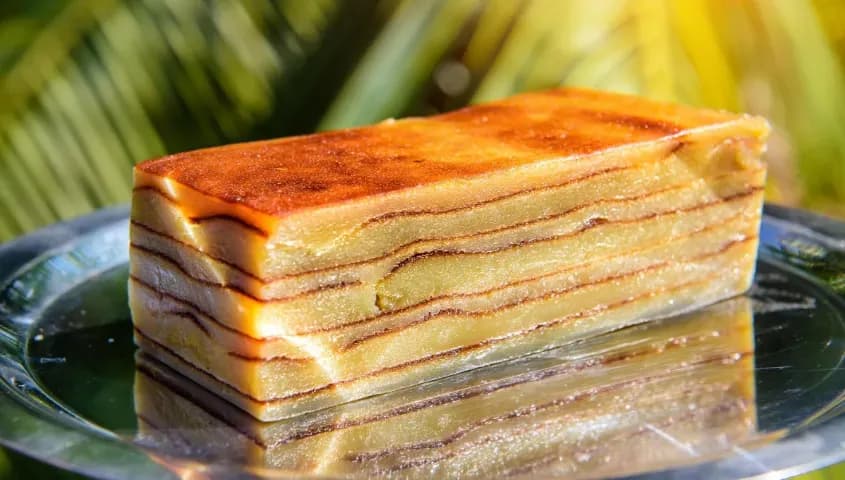
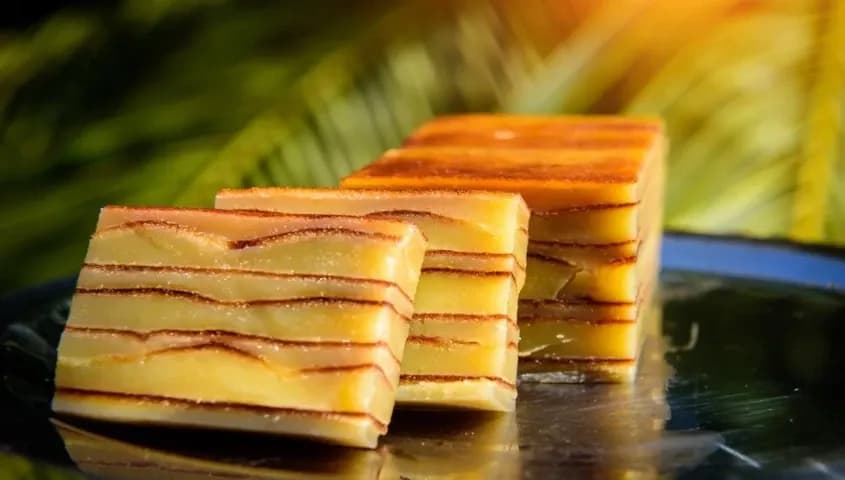
Bebinca
What it is
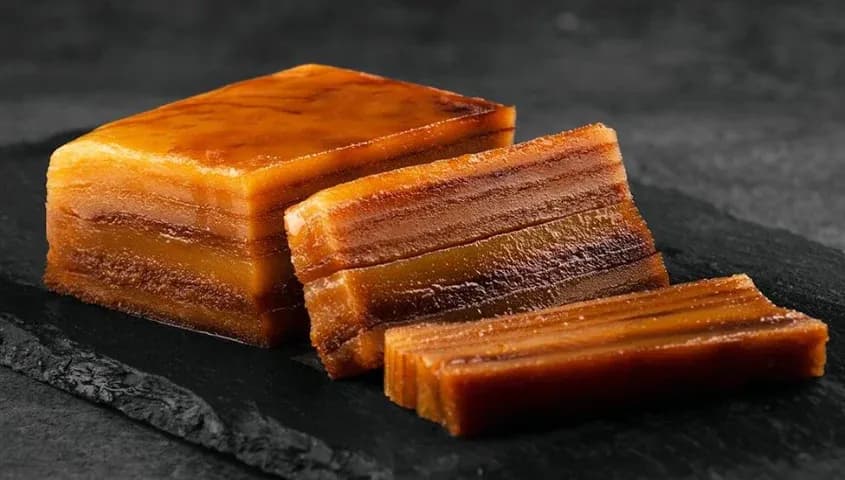
Layer by layer, this pudding is built from coconut milk, egg yolk, flour, sugar and ghee, with each layer grilled before the next is poured. Sixteen layers is the traditional count. Baking one takes several hours of attention. It is the centrepiece of a Goan Christmas tray and is served warm with ice cream.
Best Places to try

Tip
To find nearby locations, search 'Bebinca' in Google Maps for places close to your location.
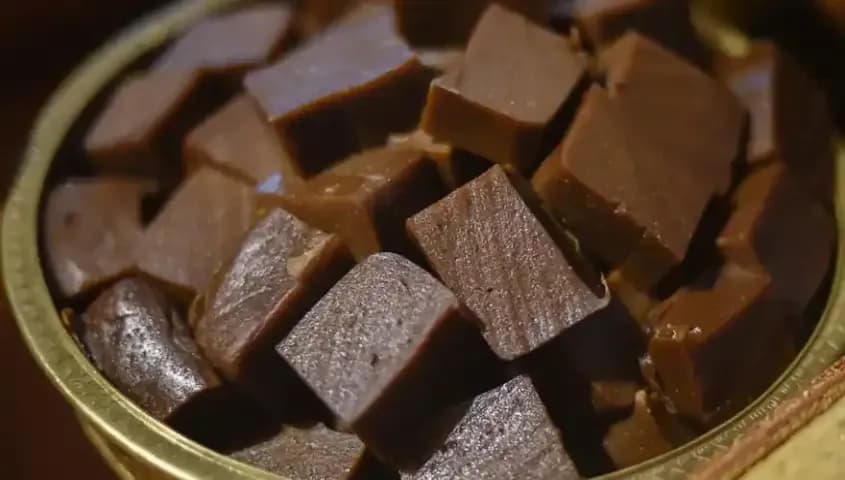
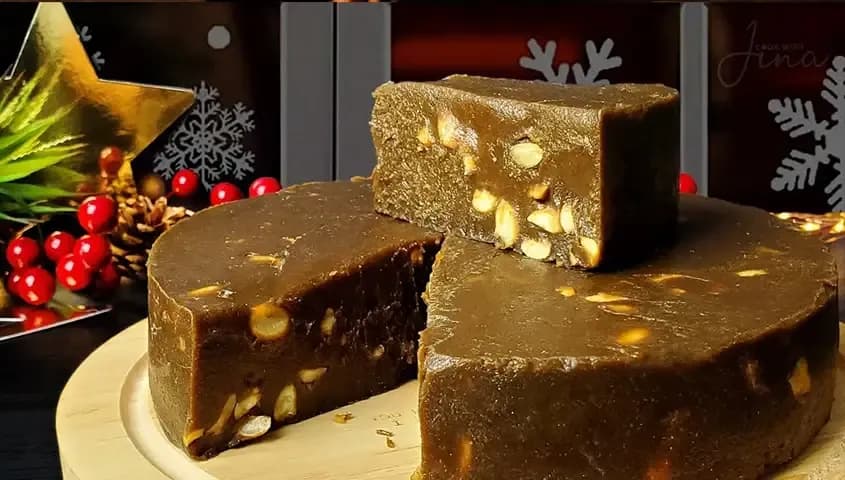
Dodol
What it is
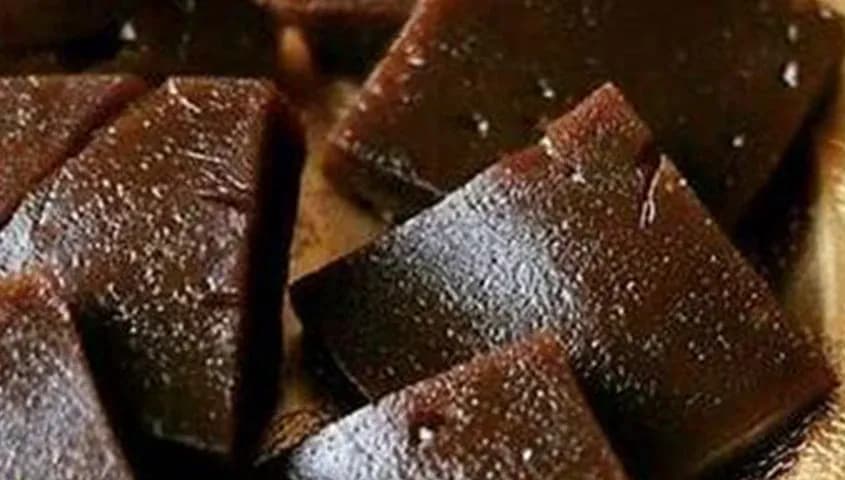
Jaggery, coconut milk and rice flour are stirred over a low flame for hours until the mixture darkens and pulls away from the pan. It sets into a dense, chewy block cut into diamonds. Cashew pieces are often folded through. Versions of it are found across the old Portuguese trade route, from Goa to Malacca.
Best Places to try
Tip
To find nearby locations, search 'Dodol' in Google Maps for places close to your location.
Alle Belle
What it is
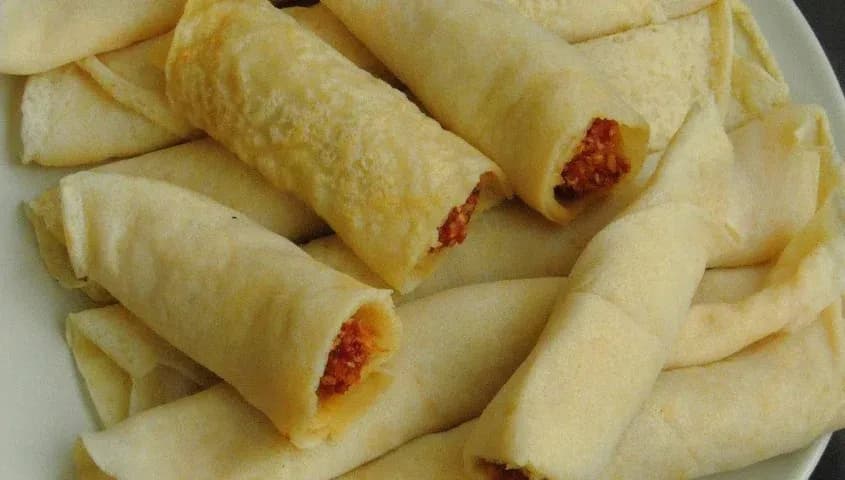
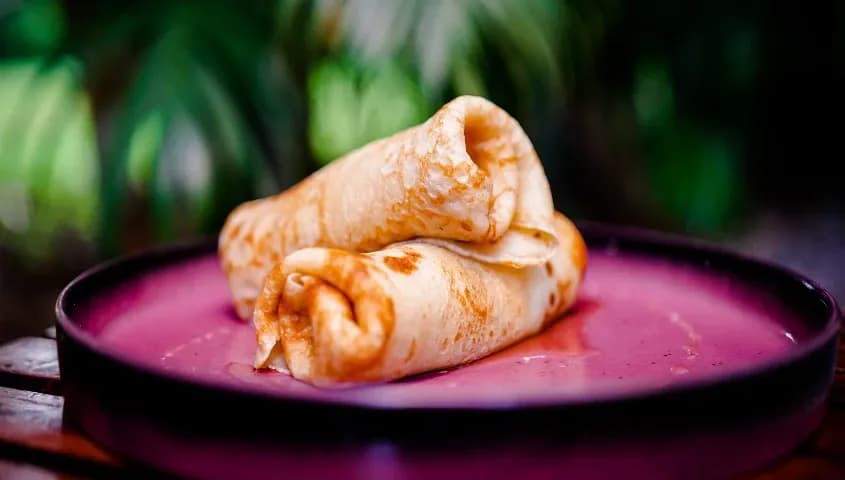
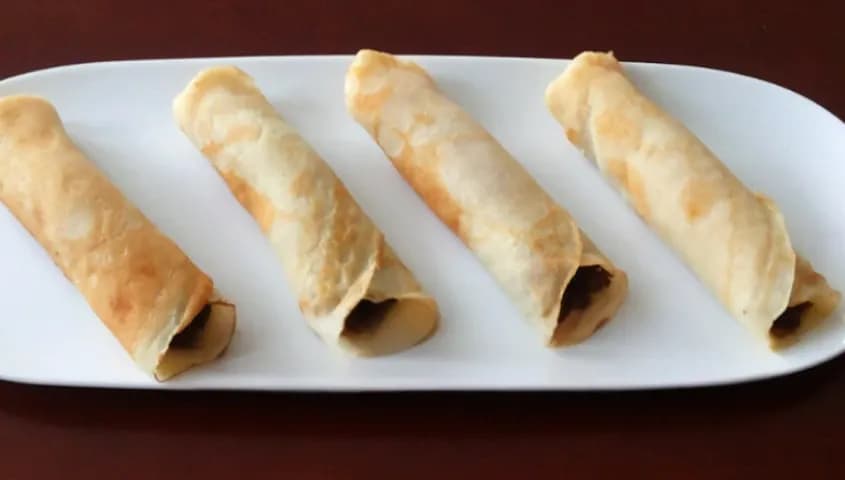
Thin crepes are rolled around a filling of grated coconut cooked with jaggery and a little cardamom. The name is thought to come from the Portuguese. Beach vendors carry them in baskets through the afternoon. They are eaten at room temperature, and the filling should still be moist rather than dry.
Best Places to try
Tip
To find nearby locations, search 'Alle Belle' in Google Maps for places close to your location.
Doce
What it is
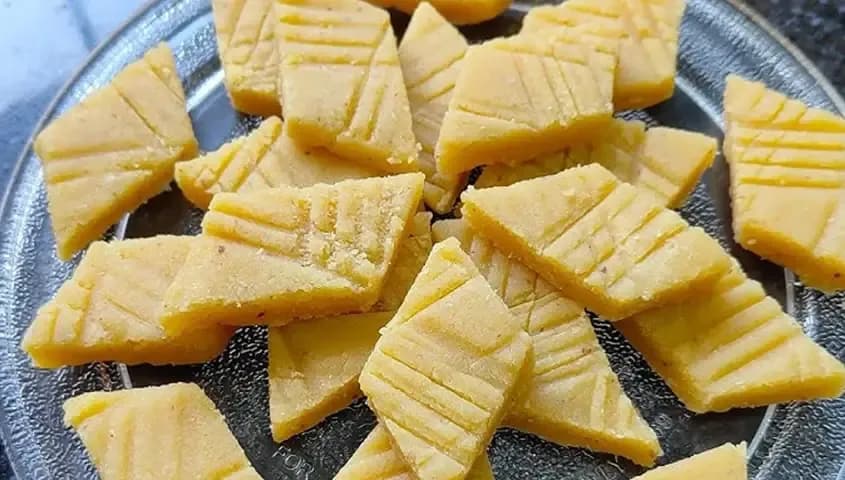
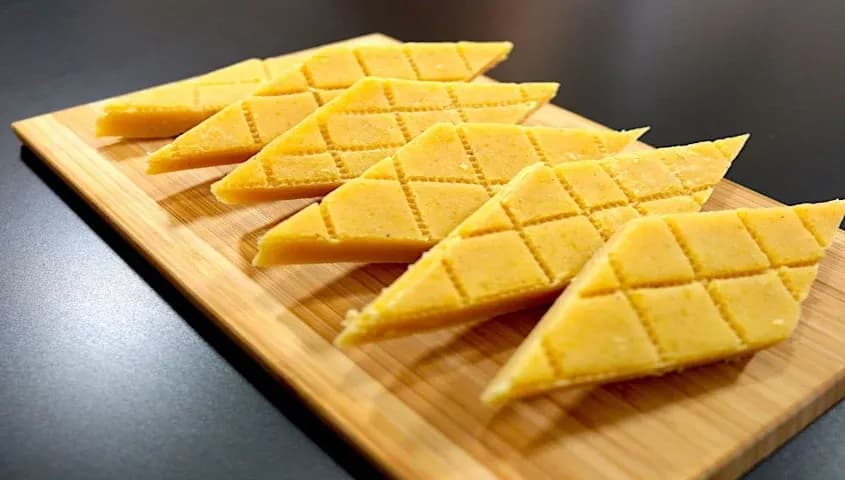
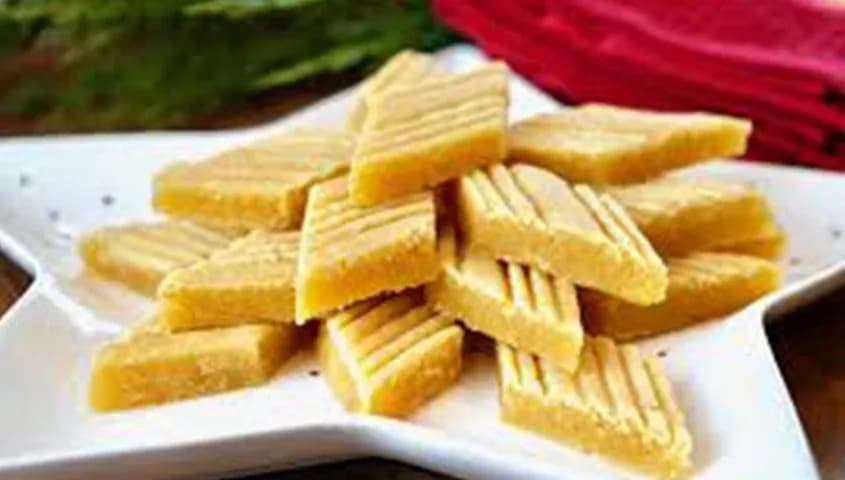
Chana dal and grated coconut are cooked with sugar until stiff enough to press into a tray and cut. The texture falls between fudge and burfi. Convents in Goa are credited with the recipe, and the sweet is still associated with the town of Chorão. It appears on Christmas and wedding trays.
Best Places to try
Tip
To find nearby locations, search 'Doce' in Google Maps for places close to your location.
Perad (Guava Cheese)
What it is
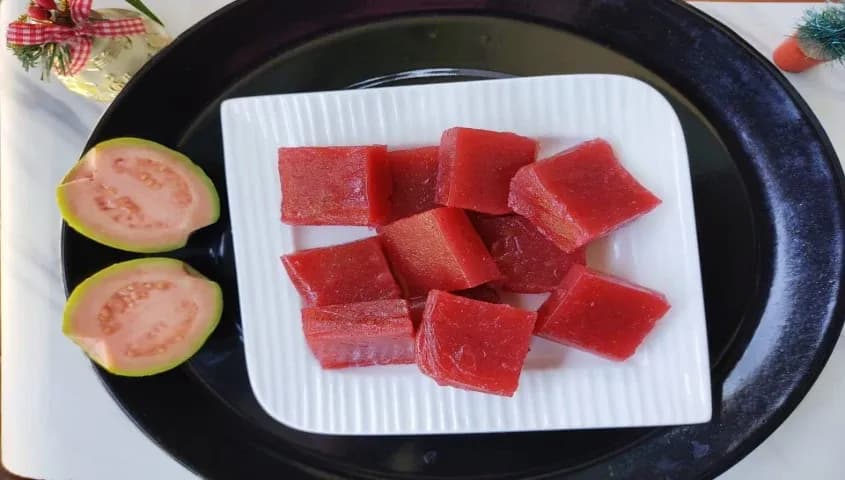
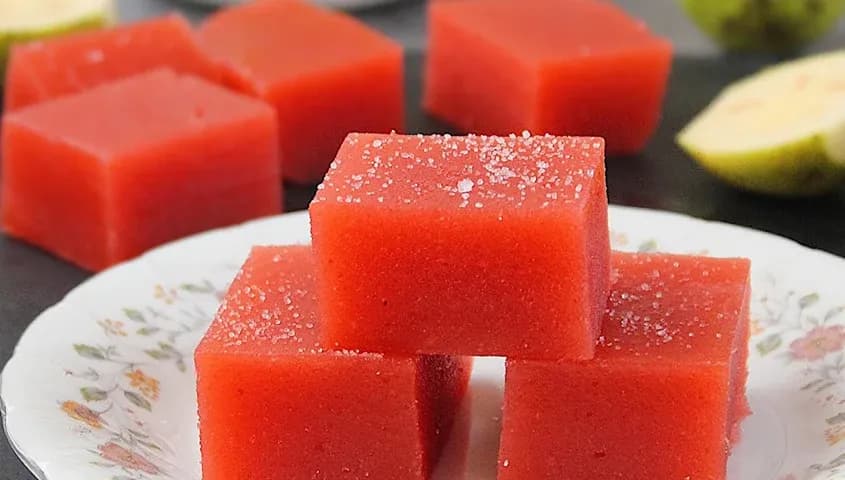
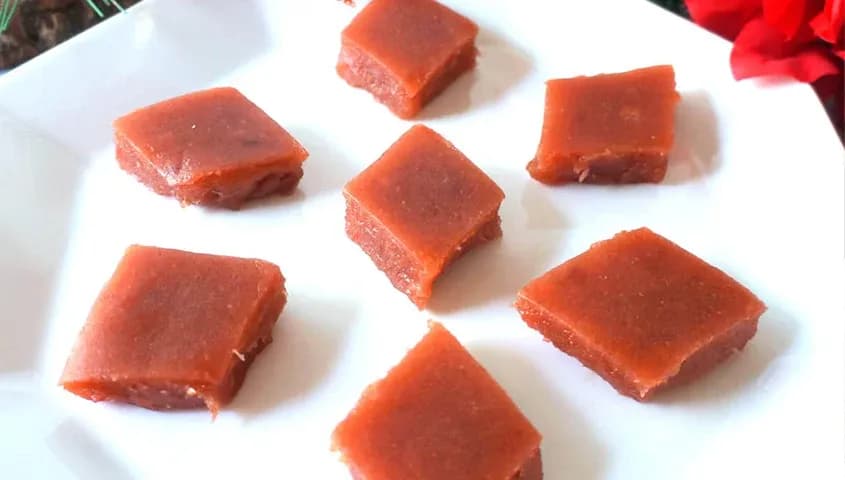
Guava pulp is cooked down with sugar until it sets firm enough to slice, then cut into cubes and dusted with sugar. The Portuguese brought both the fruit and the marmelada technique to Goa. It is made in the guava season around October and November. Colour ranges from pink to deep red depending on the fruit.
Best Places to try
Tip
To find nearby locations, search 'Perad (Guava Cheese)' in Google Maps for places close to your location.
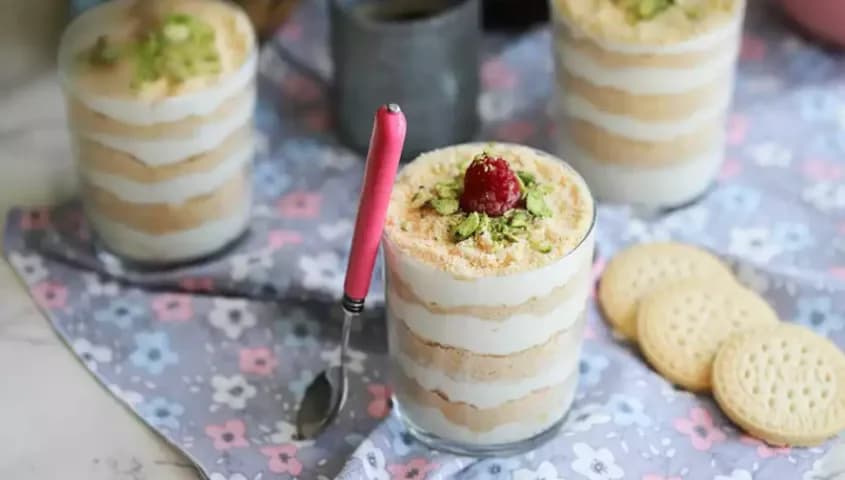
Serradura
What it is
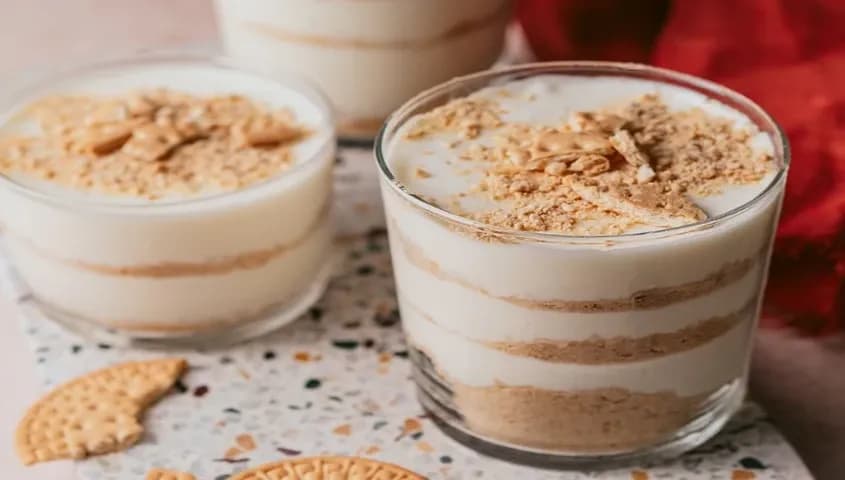
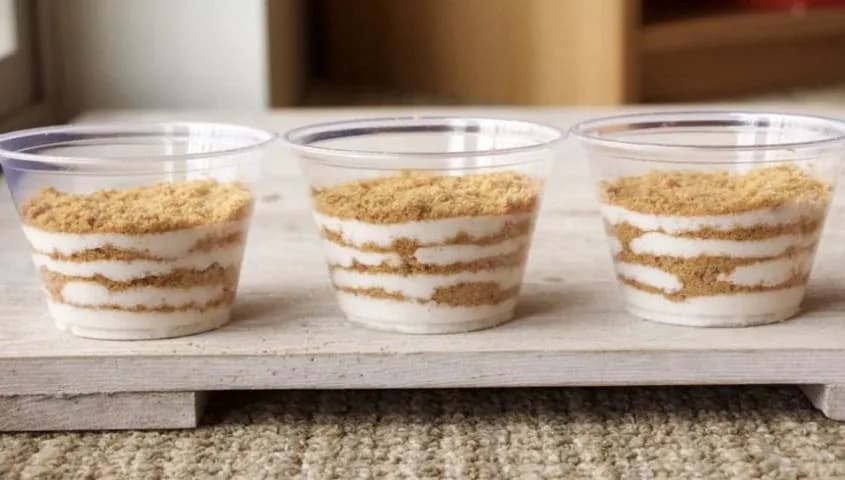
The Portuguese word means sawdust, which describes the layer of crushed Marie biscuit between spoonfuls of whipped cream and condensed milk. It is assembled cold and chilled, never baked. The dessert travelled to Goa via Macau. Most Goan restaurants now serve it in a glass at the end of a meal.
Tip
To find nearby locations, search 'Serradura' in Google Maps for places close to your location.
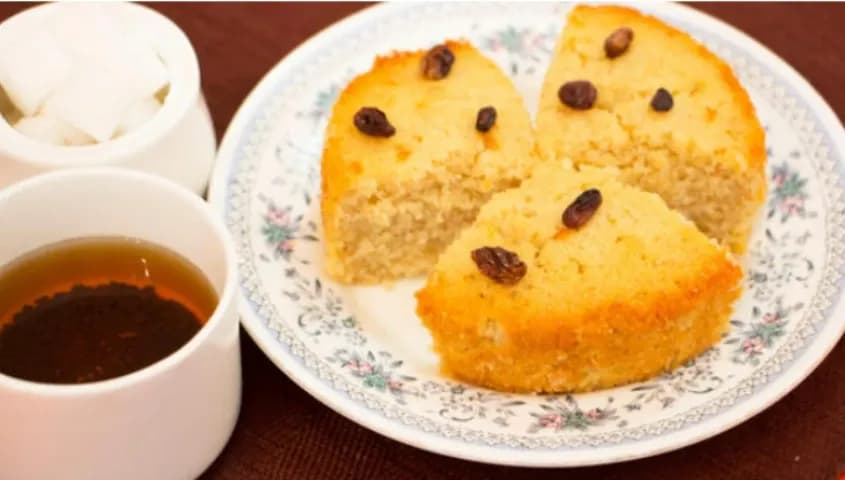
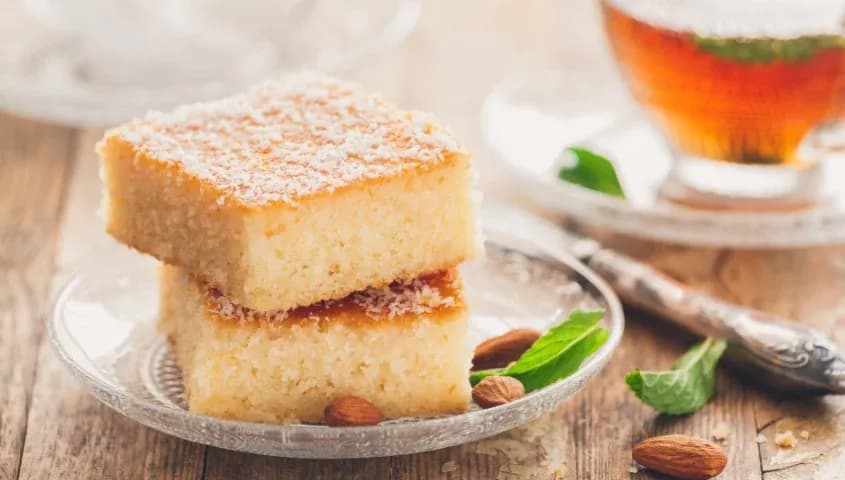
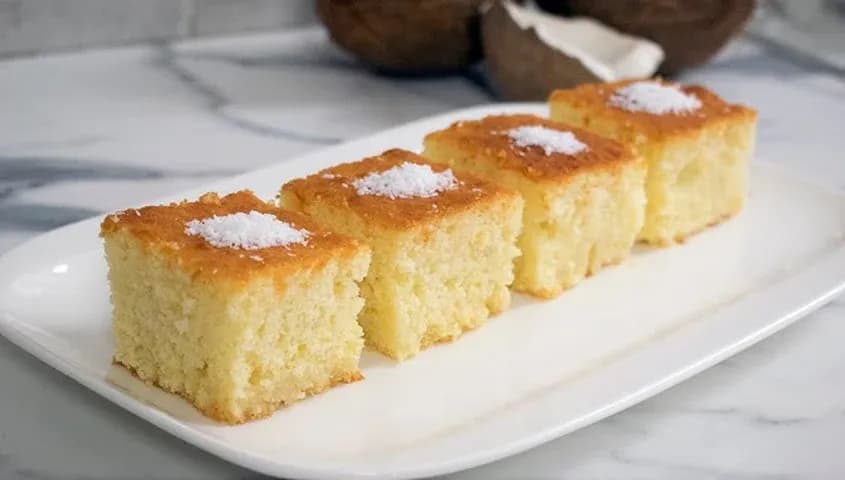
Baath Cake
What it is
Semolina and coconut are soaked overnight, then baked with butter, eggs and sugar into a dense, moist cake with a cracked top. It keeps for several days and improves on the second. Goan Catholic families bake it at Christmas and Easter. Some recipes add a splash of feni or rum to the batter.
Best Places to try
Tip
To find nearby locations, search 'Baath Cake' in Google Maps for places close to your location.
Vonn
What it is
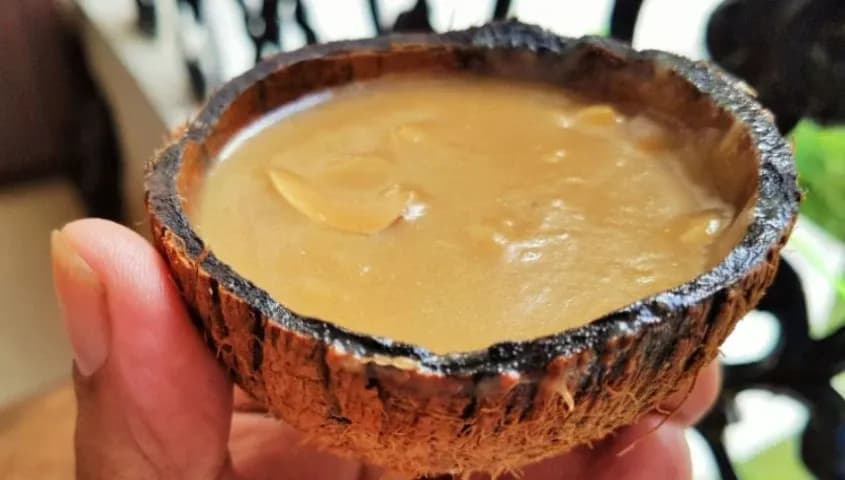
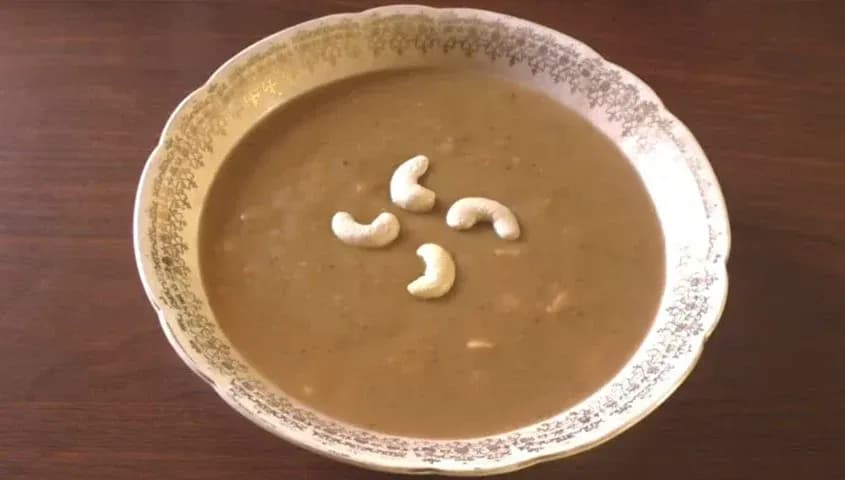
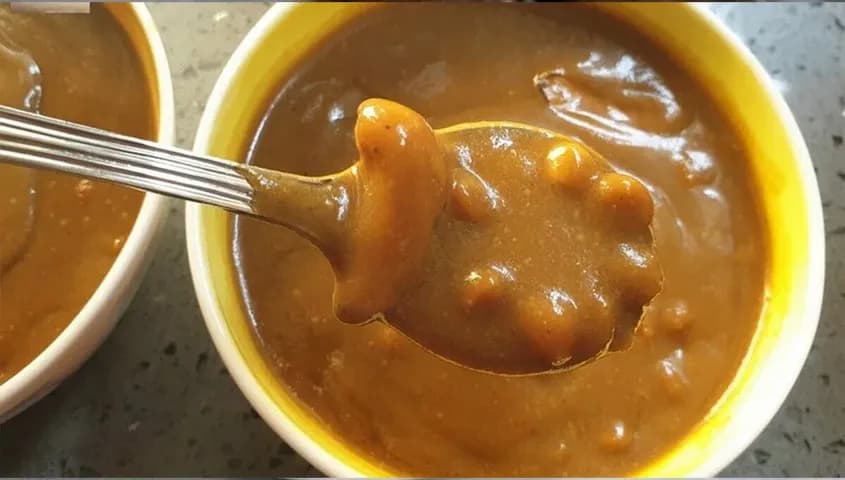
Sweet coconut milk is thickened with rice flour or semolina and flavoured with jaggery and cardamom, sometimes with chana dal folded in. Saraswat Hindu households make it for temple festivals and family occasions rather than for sale. It is served warm in a bowl. Finding it in restaurants takes some asking.
Best Places to try
Tip
To find nearby locations, search 'Vonn' in Google Maps for places close to your location.
