




Dubai Vibe
A Glimpse into the Past
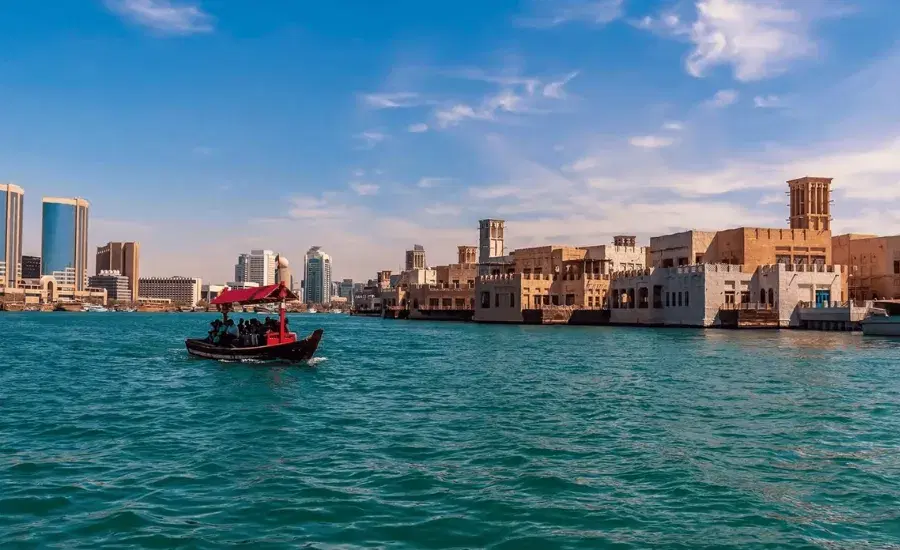
Dubai’s roots trace back to a modest fishing and pearling village on the Arabian Gulf. The discovery of oil in the 1960s fueled its rapid transformation into a futuristic metropolis of skyscrapers. Today, it stands as one of seven emirates in the UAE and a global hub for trade, tourism, and innovation.
Interesting Titbit
In Dubai, even the police cars are supercars. The police fleet includes Lamborghinis, Ferraris, and a Bugatti – a flashy approach to law enforcement that turns heads on the highways.

Recommended Days
Spend 3 to 4 days here to comfortably explore its iconic landmarks, desert adventures and modern entertainment options.
Top Interests
Icons
-
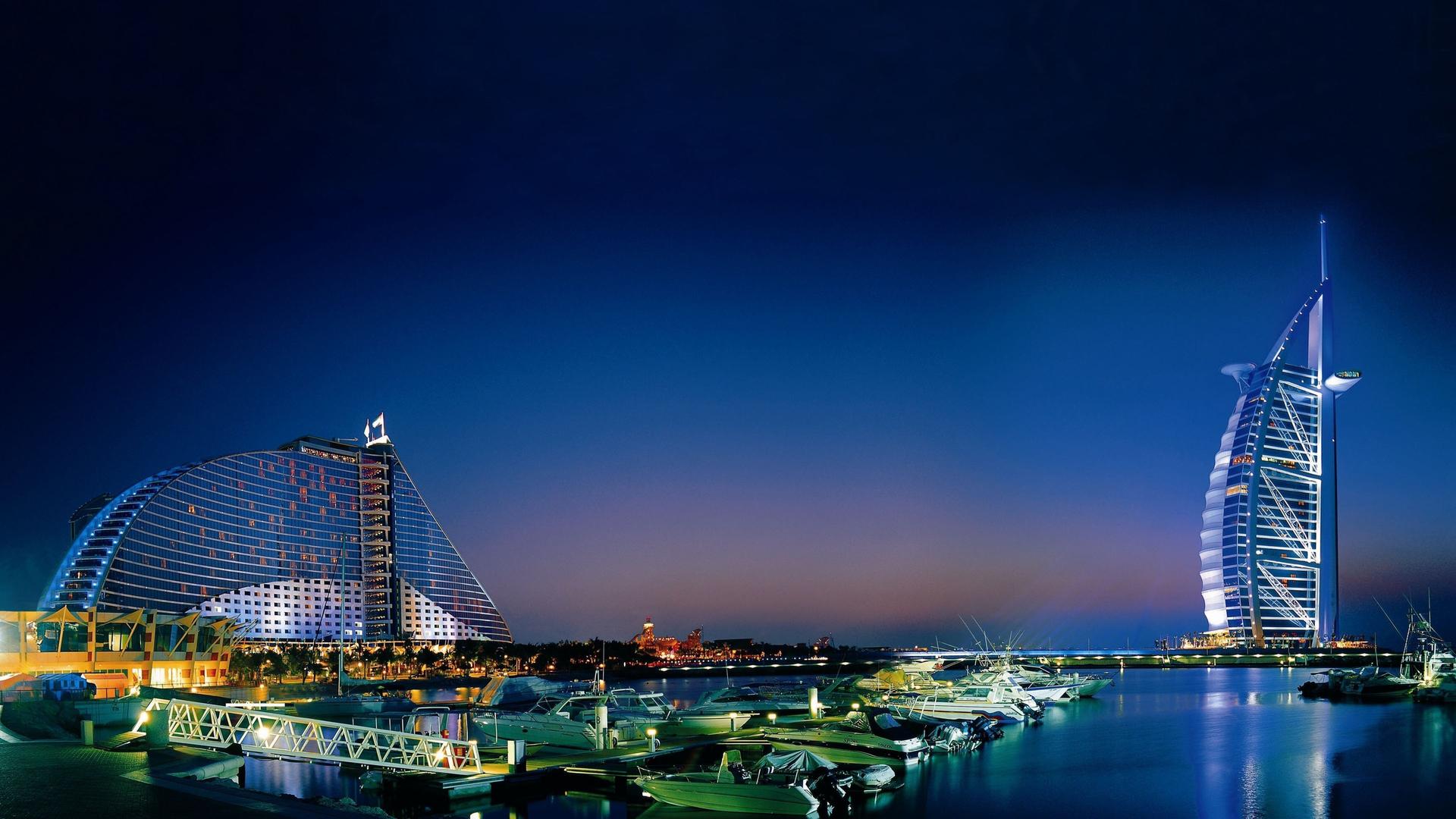
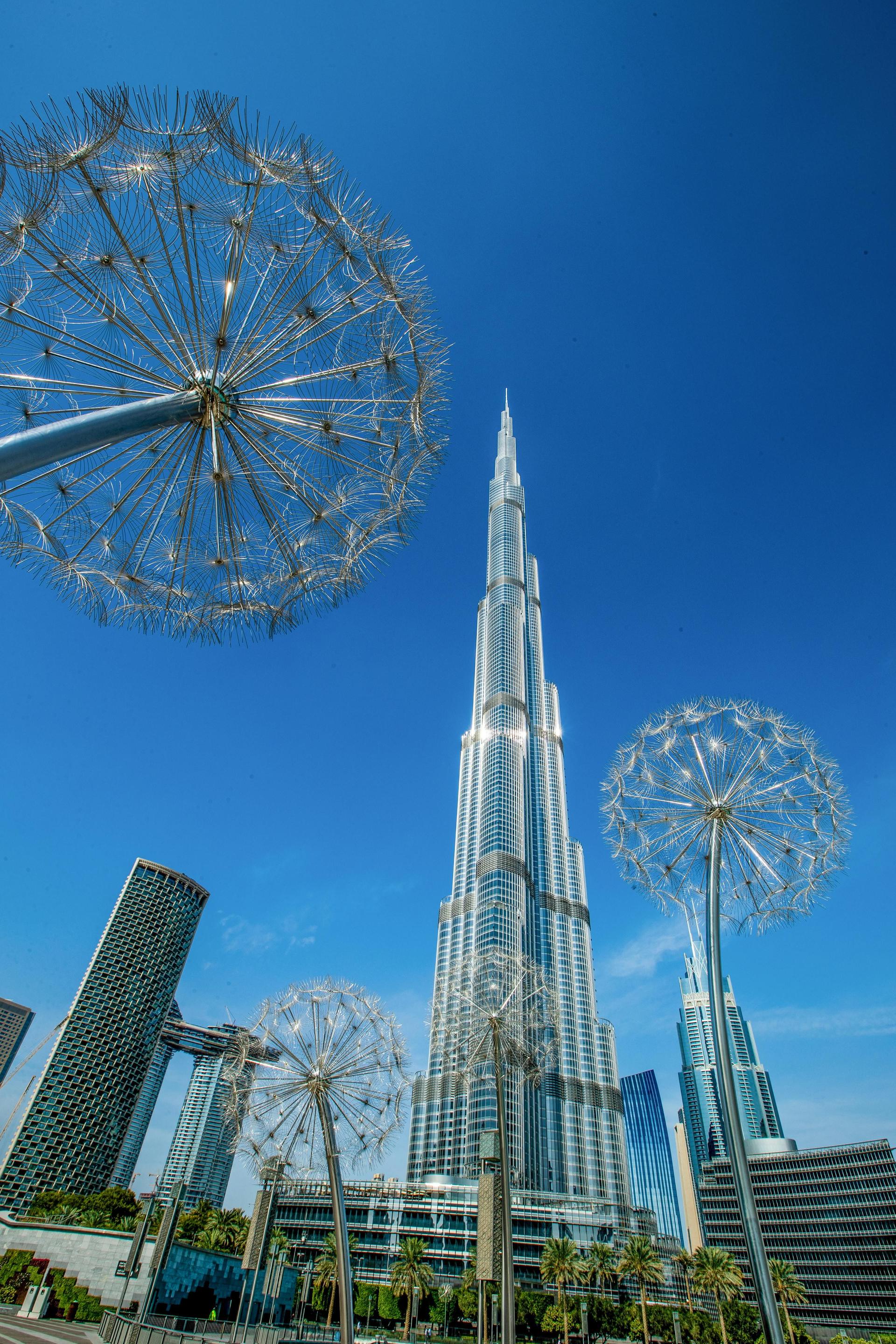
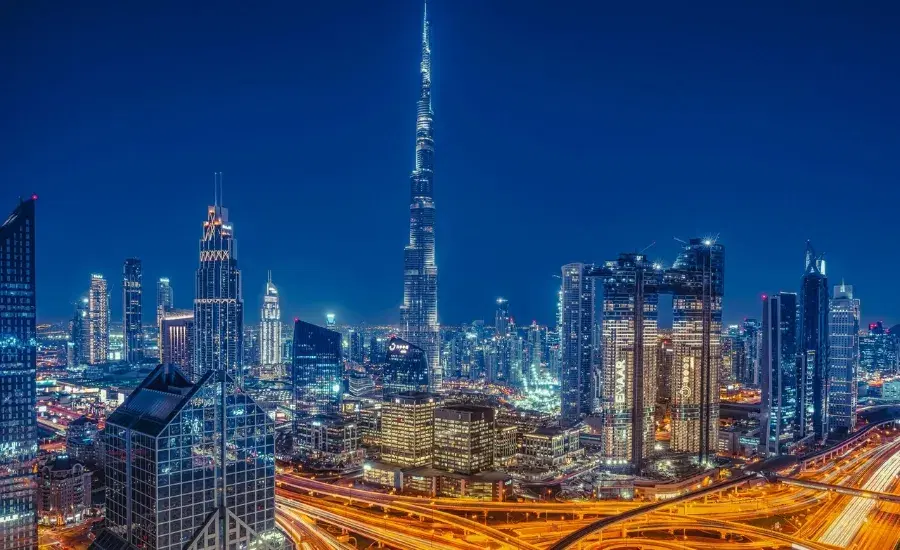
Dubai’s skyline is filled with record-breaking landmarks that define its identity. From the towering Burj Khalifa (the world’s tallest building) to the sail-shaped Burj Al Arab, the city showcases some iconic modern architecture. We’ve listed experiences like visiting the Burj Khalifa observation decks and guided tours inside Burj Al Arab so you can witness these feats up close.
-
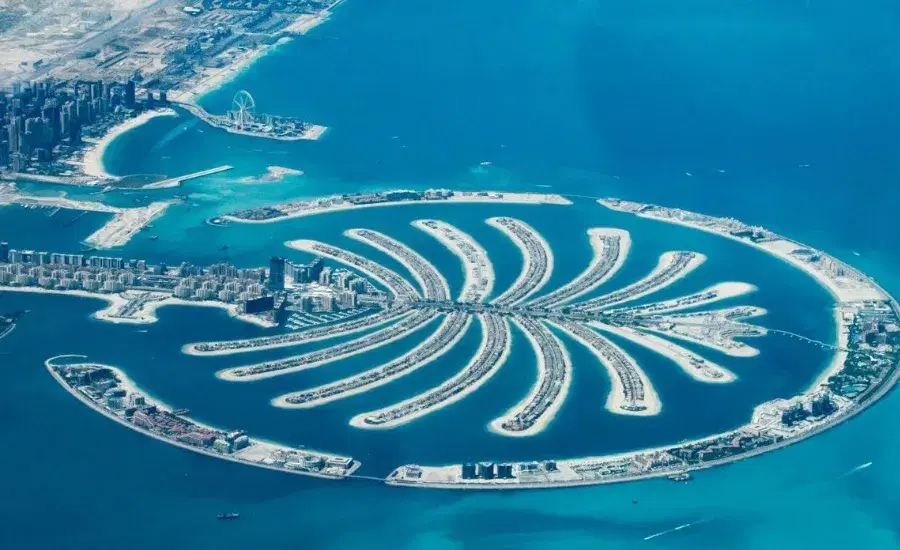
Beyond the skyscrapers, Dubai offers sights like the palm-shaped Palm Jumeirah island and the Dubai Frame, which captures old and new Dubai in one view. Don’t miss the Museum of the Future or the sprawling Global Village for a taste of the city's innovation and cultural diversity. Check our Icons section for skip-the-line tickets and combo passes to these attractions.
Adventure
-
Dubai is an adventure playground stretching from its desert dunes to the Arabian Gulf. The quintessential thrill here is a desert safari – driving over golden dunes in a 4x4, sandboarding down steep slopes, and riding camels at sunset. We’ve got a range of desert adventures listed, from budget-friendly dune bashing outings to premium safaris with Bedouin-style camp dinners under the stars.
-
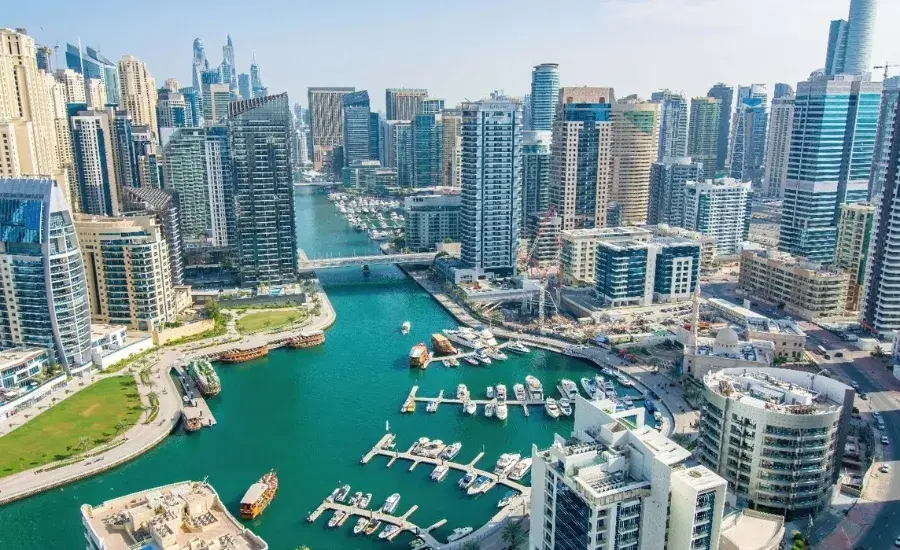
For adrenaline junkies, the city doesn’t disappoint. You can skydive over Palm Jumeirah for a bird’s-eye view, zipline past the glittering skyscrapers of Dubai Marina, or float in a hot air balloon at dawn over the endless desert. If water sports are your thing, consider jet-skiing along the skyline or even trying a futuristic flyboard. Check our Adventure listings for these heart-pumping options.
Shopping
-
Shopping in Dubai is an experience in itself, from traditional bazaars to some of the largest malls on earth. In Old Dubai’s souks, you can haggle for spices, textiles, and gleaming jewelry in the famed Gold Souk. Then there’s The Dubai Mall – not just for shopping but also home to an indoor aquarium and even an ice rink. Whether you’re after high-fashion brands or local handicrafts, this city offers it all.
-
Dubai even turns shopping into a citywide celebration. During the annual Dubai Shopping Festival, malls and markets offer big discounts, concerts, and prize raffles. We’ve listed guided shopping tours to help you find the best deals and hidden gems – from boutique fashion houses to bustling souk stalls. Be sure to check our Shopping section for personalized retail experiences.
Food and Beverages
-
Dubai’s dining scene is a melting pot of flavors reflecting its multicultural population. You can feast on everything from traditional Emirati dishes like machboos and sweet luqaimat dumplings to fine dining by Michelin-starred chefs. Street food lovers should try a shawarma or falafel from a roadside stall, while curious eaters might even sample camel meat at a specialty restaurant.
-
To dive deeper into local cuisine, consider a guided food tour or a cooking class with a regional chef. We’ve included several food walks through historic neighborhoods and even desert dining experiences in our listings. From dinner cruises on the Creek to high tea in a skyscraper, there’s no shortage of memorable dining adventures here. Check out our Food and Beverages section for curated culinary experiences.
Best Neighborhoods to Stay
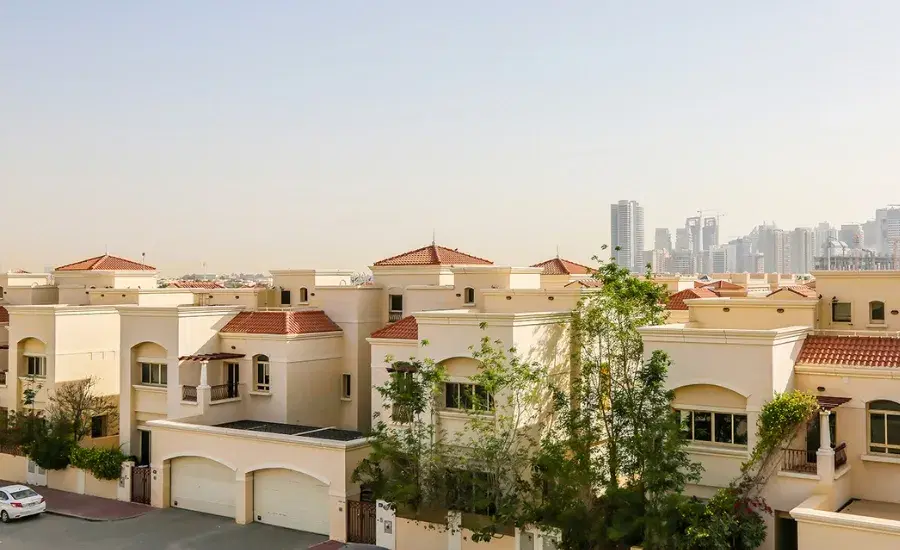
Our Dubai Specialist...

Laura Coughlin

Laura Lai is a seasoned media professional with over 15 years experience, passionately championing the UAE dining scene.
When she not showcasing hidden culinary gems or hosting her Very Best of Dubai series, she diving into adventures or officiating weddings as a certified celebrant.
Laura Lai is a seasoned media professional with over 15 years experience, passionately championing the UAE dining scene.
When she not showcasing hidden culinary gems or hosting her Very Best of Dubai series, she diving into adventures or officiating weddings as a certified celebrant.
Travel Tips.
Local Transport
Car Rentals or Sharing
-
Major car rental companies (Hertz, Avis, etc.) operate at airports and in the city. You'll need a valid license (an International Driving Permit is recommended) and a credit card for the deposit. Driving is on the right side; roads are modern but watch for fast traffic on highways.
-
App-based car-sharing services like Udrive and Ekar allow short-term rentals by the minute or hour. After registering with your license and ID, you can pick up and drop off these cars at designated spots. Fuel and parking are often included in the price, making it a handy option for quick trips.
Ride Hailing Apps
- Uber and Careem are widely used, providing safe and convenient rides across Dubai. Base fares start around AED 8–10, with distance-based rates after. You can book standard taxis through the apps as well, and payments can be made cashless (card/app) or in cash if needed.
Travel Cards
- Nol Card: A reloadable smart card for all public transport in Dubai (metro, bus, tram, and even taxis). Purchase one at any station or airport kiosk (a standard Silver Nol is popular for tourists). Tap in/out on each ride; you can top up as needed or buy daily/weekly passes. Keep a small balance as a refundable deposit is required for a new card.
Google Maps
Google Maps is reliable in Dubai, offering accurate driving directions and public transport routes. It integrates metro and bus schedules well and accounts for real-time traffic. Just be mindful of ongoing construction or new areas which might not be fully updated.
Payments
Pro Insights
Head Up!
Safety
-
Dubai is one of the safest cities in the world for tourists. Violent crime is extremely rare, and it's generally safe to walk around even at night in popular areas. Petty crimes like pickpocketing are uncommon but can occur in crowded places, so keep an eye on your belongings in busy souks or on public transport.
-
Respect local laws and cultural norms to ensure a smooth trip. Dubai has zero tolerance for drugs, and even some prescription medications are restricted – check guidelines before you travel. Public displays of affection can offend local sensibilities and even be penalized if excessive. Alcohol is only allowed in licensed venues (bars, hotel restaurants) – drinking or appearing intoxicated in public is illegal.
-
Scams targeting tourists are not widespread, but exercise common sense. Use official taxis or rideshares to avoid rogue drivers overcharging (more on scams in our dedicated section below). If an unfamiliar local offers unsolicited 'tour' or 'special deal', be polite but cautious. In any emergency, dial 999 for police or 998 for ambulance – operators speak English.
Apps
**BlockedApps **
-
WhatsApp (voice and video calls)
-
Skype (voice/video calls)
-
Facebook Messenger (calling features)
-
FaceTime (Apple)
-
Viber (VoIP calls)
**Alternatives **
-
Botim (licensed VoIP app in UAE)
-
Voico (approved internet calling app)
-
Zoom / Microsoft Teams / Google Meet (all allowed for video calls)
VAT Refunds
-
Tourists are eligible for a VAT refund (5% tax back) on shopping in the UAE, provided the store is part of the official Tax Refund scheme.
-
When you purchase goods, ensure the retailer issues a Tax Free invoice or attaches a VAT refund tag to your receipt (usually requires a minimum spend of around AED 250 at that store). You will typically need to show your passport or ID when making the purchase.
-
At the airport, locate the VAT refund kiosk or counter before you check in your bags. Present your receipts (with attached refund tags), your passport, and occasionally the purchased goods for verification. The process is electronic and quick at newer kiosks – you scan your documents and follow the on-screen prompts.
-
Once validated, you can choose a refund method: credit card (which posts in a few weeks) or cash in a selected currency (immediate, but only available at manned counters). A small admin fee is deducted from the total refund. Arrive a bit early at the airport to allow extra time for this process.
Local Etiquettes
-
Dress modestly in public, especially at religious sites or government buildings. In mosques and traditional areas, both men and women should cover shoulders and knees (women may be asked to cover their hair in mosques). Swimwear is fine at beaches/pools, but revealing clothing is not appropriate on city streets.
-
Always ask permission before photographing locals (especially women) or private property. Many Emiratis are friendly but value privacy. Additionally, avoid taking photos of government buildings, military sites, or inside mosques unless explicitly allowed.
-
Public displays of affection are best kept minimal. Holding hands is acceptable for married couples, but kissing or overly intimate behavior in public is frowned upon and can attract unwanted attention or even fines.
-
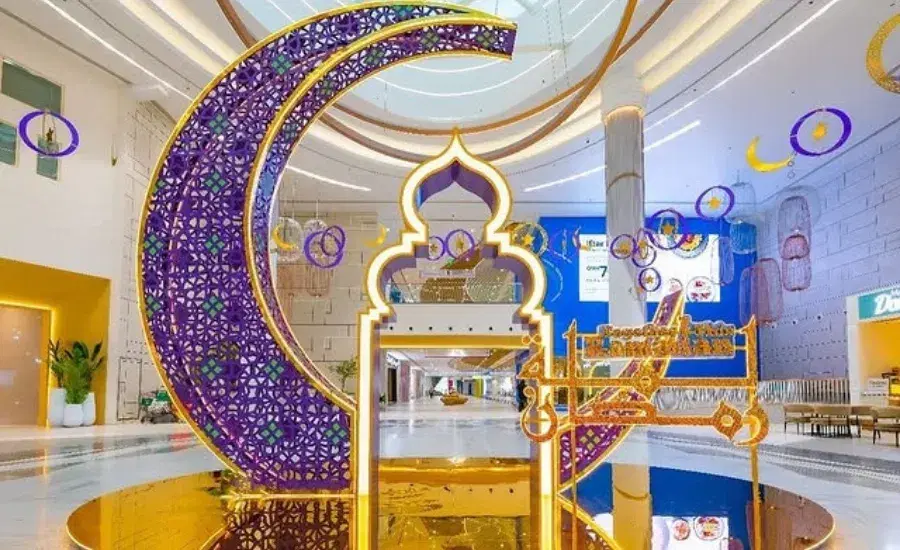
If you are visiting during Ramadan, be mindful of local customs: do not eat, drink, or smoke in public during daylight hours out of respect (and by law). Non-Muslims are not required to fast, but you should do so in private or in designated screened-off areas. After sunset, join in the iftar feasts and enjoy the more festive nighttime atmosphere.
-
Remove your shoes when entering someone’s home and certain establishments (you’ll usually see others doing so at the entrance). In traditional seating areas, avoid pointing the soles of your feet toward others as it is considered disrespectful.
-
When interacting with locals, a little politeness goes a long way. Learn a couple of greetings in Arabic (like 'Shukran' for thank you). Avoid discussing sensitive topics like politics or religion unless your local host brings it up first. And always remember to queue in an orderly fashion – patience is appreciated.
Weather
-
Summer (June–August): Extremely hot and humid. Daytime temperatures often exceed 40°C. Outdoor activities are limited in the midday heat – plan indoor attractions (like malls, museums) during peak sun hours. Always carry water, wear sunscreen, a hat, and light cotton clothing. Expect powerful air conditioning indoors (you might even need a light sweater inside cinemas or malls).
-
Winter (December–February): Mild, sunny, and very pleasant – this is Dubai’s peak tourist season. Daytime highs average 20–25°C, dropping to around 15°C at night. Perfect for desert safaris, walking tours, and beach outings. Pack a light jacket for the evenings or early mornings, as it can feel cool especially by the water.
-
Spring & Autumn (March–April, October–November): These shoulder months are warm but not unbearable. Temperatures range from mid-20s to mid-30s°C. You can comfortably enjoy beach time and outdoor activities, especially in the mornings and late afternoons. Humidity is lower than summer. Dressing in layers helps – you might start the day in short sleeves and want a light cover by night.
-
Rain and Other Considerations: Dubai has a very dry desert climate. Rain is sparse (mostly between January and March, and even then just short showers). Sandstorms or dusty winds occasionally occur, which can drop visibility and air quality briefly – on such days, plan indoor activities. Otherwise, expect blue skies almost every day.
Health
Dubai has high standards of sanitation, but travelers should still use common sense to stay healthy. Drink plenty of water to avoid dehydration (especially in the heat) – the tap water is desalinated and generally safe, but many visitors stick to bottled water for taste. Wear sunscreen and a hat when out in the sun, and take breaks in the shade or indoors to prevent heat exhaustion. Enjoy Dubai’s diverse cuisine, but if you have a sensitive stomach, ease into street foods and make sure meats and seafood are thoroughly cooked. Carry a basic travel health kit (pain relievers, antacids, rehydration salts, any personal medications). Pharmacies are everywhere and well-stocked, and medical facilities are modern in case you do fall ill (having travel insurance is highly recommended). For outdoor excursions, apply mosquito repellent, though the risk of insect-borne illness here is low.
Connectivity
-
Mobile Prepaid SIM cards are easy for tourists to obtain. The main operators are Etisalat and Du (and Virgin Mobile as a digital operator). You can buy a tourist SIM at the airport or telecom shops in the city by showing your passport. Packages vary – for around AED 100–150 (≈$30–40) you can get a SIM with several GB of data and local calling minutes. Coverage is excellent throughout the city (4G/LTE everywhere and 5G in many areas).
-
WiFi Wi-Fi is plentiful and fast in Dubai. Hotels, cafes, restaurants, and malls almost always offer free Wi-Fi for customers. Even public spaces like the Dubai Mall, Metro stations, and parks have hotspots (you may need to register or enter a code via SMS to connect). Internet speed is generally high, so you can easily use video calls, streaming, and online maps – just remember that some calling apps might be blocked, requiring the alternatives mentioned above.
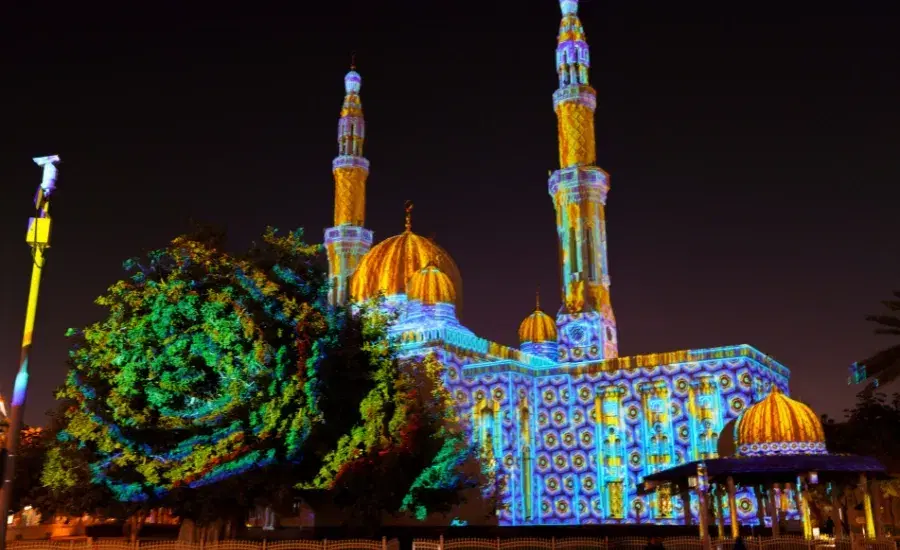
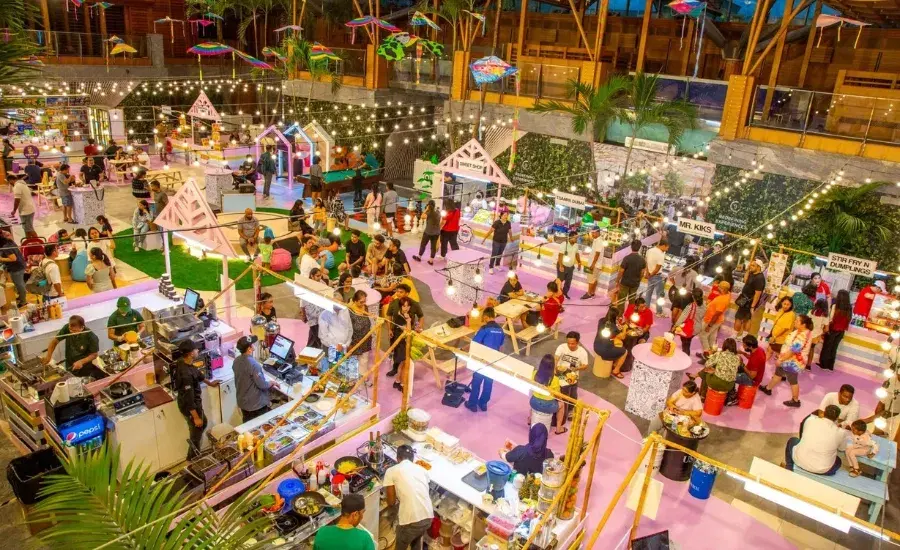
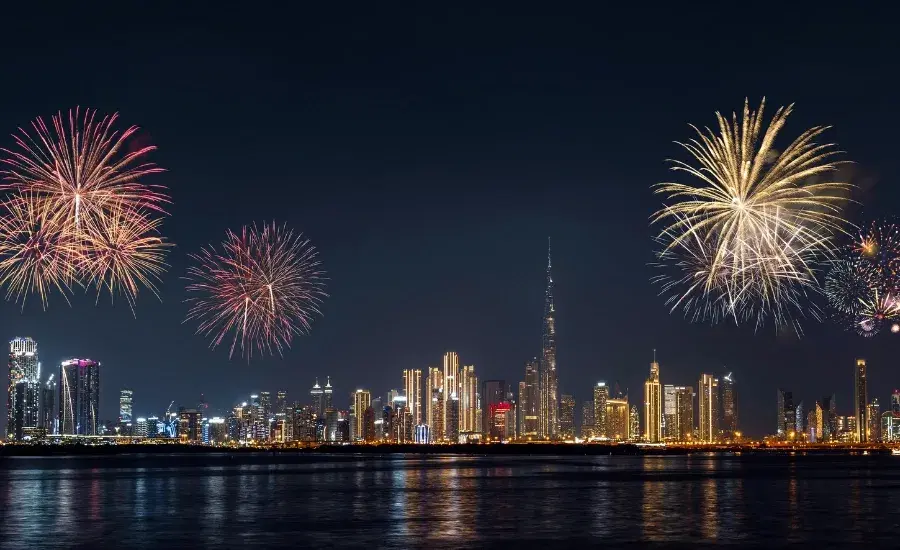
Festivals & Events
Interesting Extras

Scams
Welcome to Dubai, the Middle East’s ultimate cosmopolitan hub where futuristic skyscrapers, ancient souks, and luxury experiences meet in dazzling harmony. Famed for its iconic skyline, world-class shopping, and desert adventures, Dubai offers something extraordinary for every traveler.
The best time to visit Dubai is between November and March, when cool breezes and clear skies make it perfect for exploring the outdoors, beach clubs, and desert safaris. However, thanks to its endless indoor attractions, Dubai remains a year-round destination.
From must-sees like the Burj Khalifa, Dubai Marina, and Museum of the Future, to lesser-known gems tucked away in Deira or Jumeirah, there’s much more than meets the eye. Through TravJoy, discovering Dubai is effortless — explore our handpicked Top Picks, immersive Things to See & Do, trendiest Eat, Shop & Party spots, and reliable Transfers & Car Hire options.
And while these highlights grab attention, TravJoy’s curated collection uncovers even more: think hidden beach cafés, heritage walking tours, and VIP rooftop lounges you’d otherwise miss. Whether it’s your first visit or a city-break favorite, Dubai surprises you with more every time — made easy with TravJoy.
