



Key Information Guide


Share

INTRODUCTION
Delhi is a sprawling capital, and distance shapes every plan. Mughal lanes, colonial boulevards and glass-fronted malls sit kilometres apart. A cross-city drive can take 45 to 90 minutes at peak hours. The city suits travellers who plan by zone and use the Metro to skip the worst of the traffic.
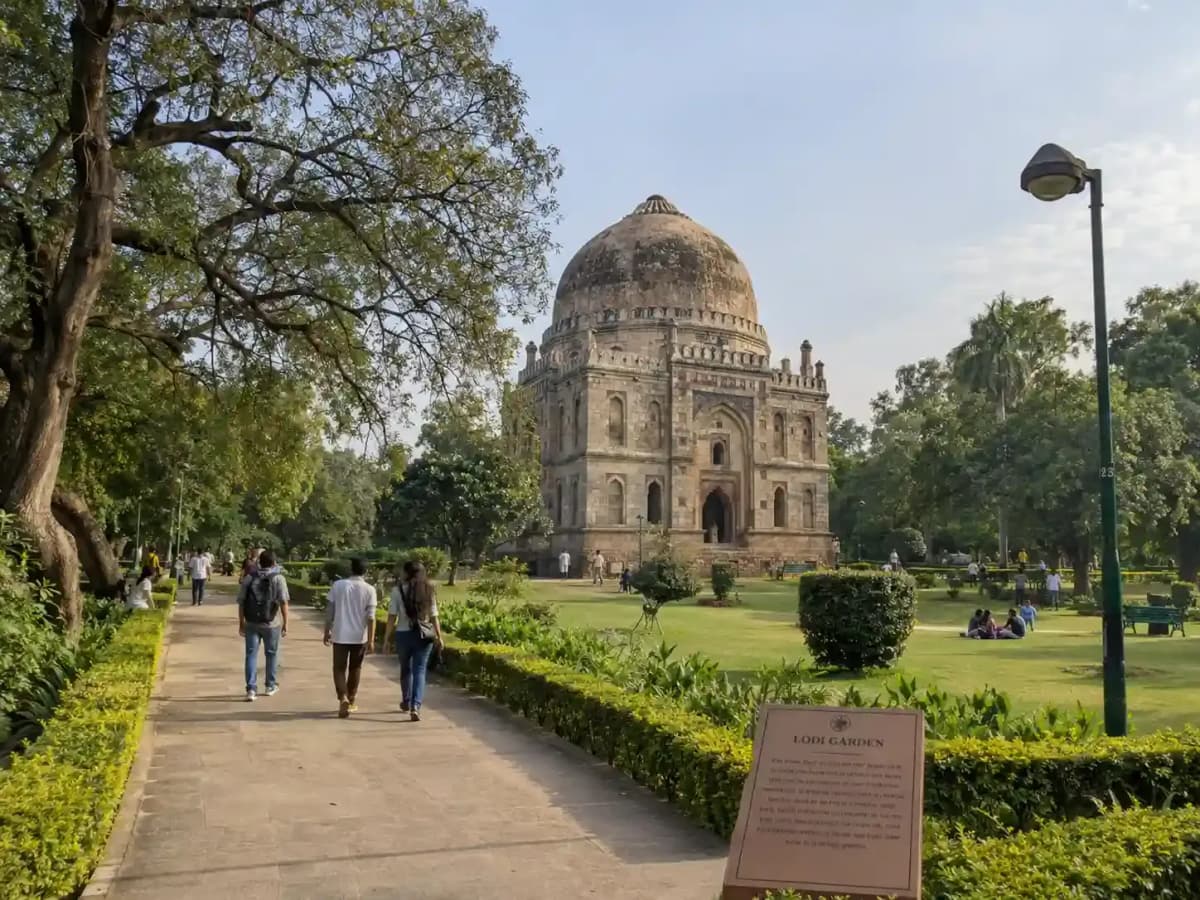
Group your days by area. Give Old Delhi a full morning for the Red Fort, Jama Masjid and Chandni Chowk. Pair India Gate, Humayun's Tomb and Lodhi Garden in central Delhi. Save Mehrauli, the Qutub Minar and Hauz Khas for a South Delhi day. The Metro links all three, and app cabs cover the gaps after dark.

Getting There

LOCAL TRANSPORT
- Delhi Metro
The Metro is the most dependable way to move across the city, with colour-coded lines reaching Old Delhi, Qutub Minar, Akshardham, Noida and Gurugram. Trains run from about 5:30am to 11:30pm, with a later start on Sundays. Fares run from ₹11 to ₹64, revised in August 2025. Every station has a bag scan and frisking queue, so allow five extra minutes at busy interchanges such as Rajiv Chowk and Kashmere Gate. - Airport Express (Orange Line)
A separate line running New Delhi station to Terminal 3 in about 20 minutes. Fares top out at ₹75 and the standard Tourist Card is not valid on it. Services start earlier than the rest of the network, from around 4:45am. - Auto-rickshaws
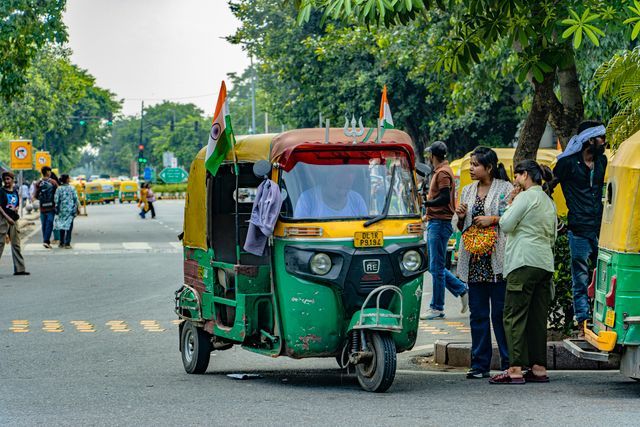
Useful for short hops of two to five kilometres. Street-hailed drivers often refuse the meter and quote a flat fare, so book an auto through Uber, Ola or Rapido to get a fixed price. Agree the fare before you sit down if you do hail one. - Buses
DTC and cluster buses, including a large electric fleet, cover routes the Metro misses. Tickets can be bought in the One Delhi app at a 10 per cent discount, and women travel free on pink tickets. Journeys are slow in traffic, so treat buses as a backup rather than a plan. - Cycle rickshaws
The practical way through Chandni Chowk and the lanes around Jama Masjid, where cars cannot go. Fares are negotiated; ₹100 to ₹150 covers most short rides. - Namo Bharat (RRTS)
The Delhi-Meerut regional rail corridor opened in full in February 2026, running from Sarai Kale Khan at up to 160 km/h. Fares start at ₹20 and the full run takes under an hour. Relevant if you are adding a Meerut or Ghaziabad leg.