


Delhi: Chandni Chowk


Operating Hours:Monday - Saturday: 10:30 - 19:30. Sunday: Closed

The Vibe:The densest concentration of eating in India. 🌶️
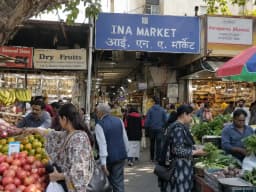
Laid out in 1650 by Jahanara Begum as the main avenue of Shahjahanabad, this is still Delhi's working market spine — wholesale trade by day, street food from dawn until late.
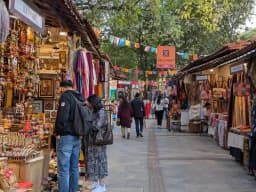
Rickshaw bells, hawkers and generator hum layer over each other in lanes barely two metres wide. Khari Baoli's chilli dust catches in the throat.
- Laid out in 1650 as the central avenue of Shah Jahan's Shahjahanabad
- Khari Baoli within it is the largest wholesale spice market in Asia
- Paranthe Wali Gali has been frying stuffed parathas in the same lane since the 1870s
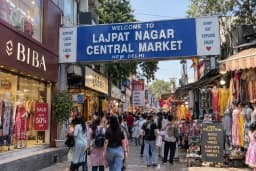
- Delhi's principal market for bridal wear, fabric, silver and wedding goods
Fit For
- 🍴 Foodies: "Paranthe Wali Gali, Karim's, Natraj's dahi bhalla and Kuremal's kulfi within a few hundred metres."
- 🌍 Culture travellers: "Shahjahanabad still working as a market, not preserved as a monument."
- 📸 Photographers: "Dawn, before the shutters go up, is the only time the lanes are legible."
- 🧳 Solo: "Manageable alone by day; a guide earns their fee in the back lanes."
- 💼 Business: "The place to buy fabric and silver, if you know what you are looking at."
Highlights
- Paranthe Wali Gali — a lane of stuffed-paratha shops, several operating since the 1870s
- Khari Baoli — Asia's largest wholesale spice market, at the western end of the avenue
- Kinari Bazar — wedding trim, zari and decorative goods, the most photogenic of the lanes
- Natraj Dahi Bhalle Wala and Old Famous Jalebi Wala, both institutional street stops
- Dariba Kalan — the silver lane, trading jewellery for more than three centuries — Hidden Gem
- Chawri Bazar — paper, brass and wedding cards, quieter than the main avenue — Hidden Gem


Similar Options you'd love