



Things to Do Around London Bridge: A Complete Guide to the Area's Best Experiences
8 min read
Key Highlights
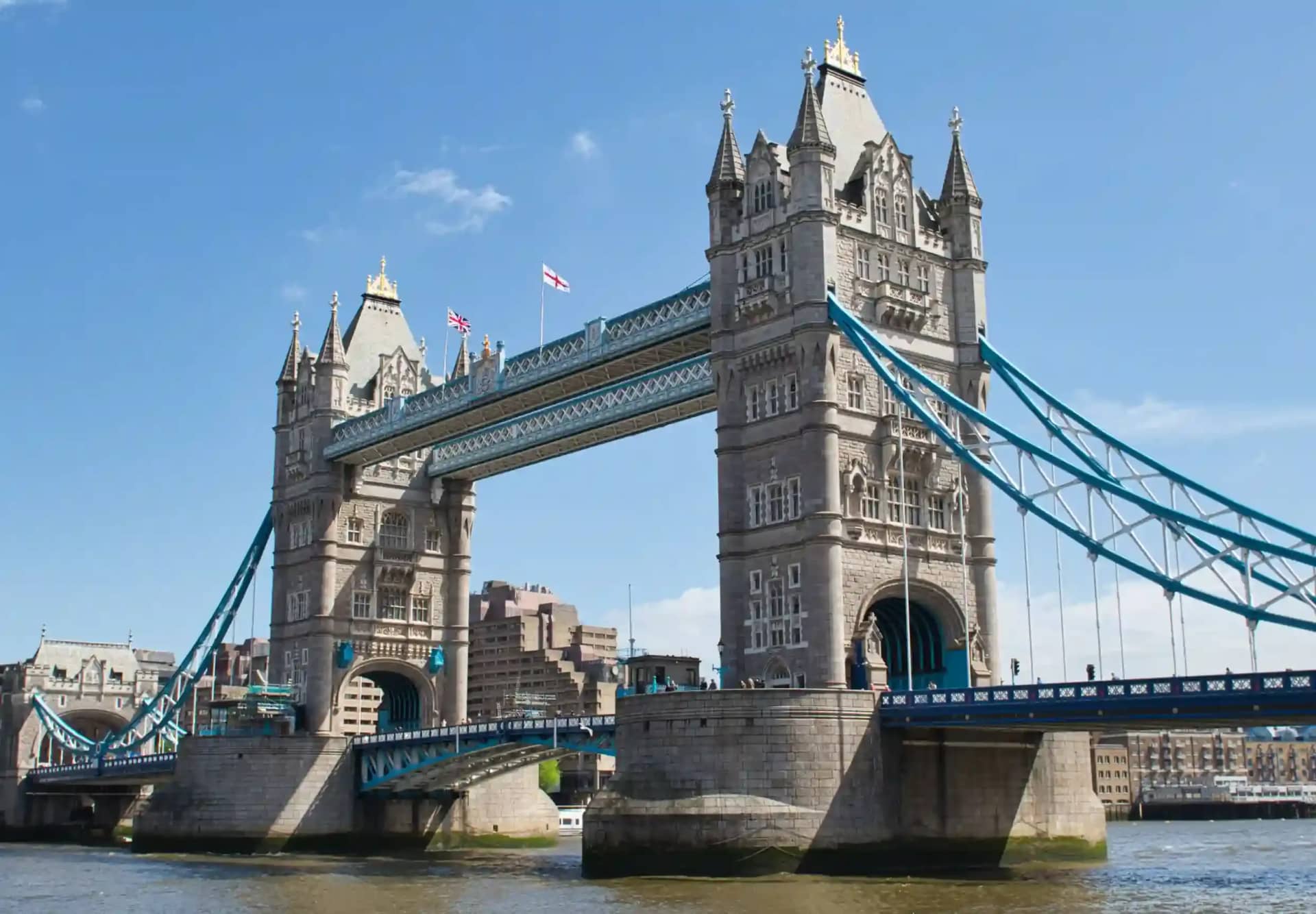
- The bridge in your photographs is almost certainly Tower Bridge, not London Bridge — London Bridge is the plain road crossing one stop west.
- London Bridge station (SE1) puts you within a 15-minute walk of the Shard, Borough Market, Tower Bridge and the Bankside galleries.
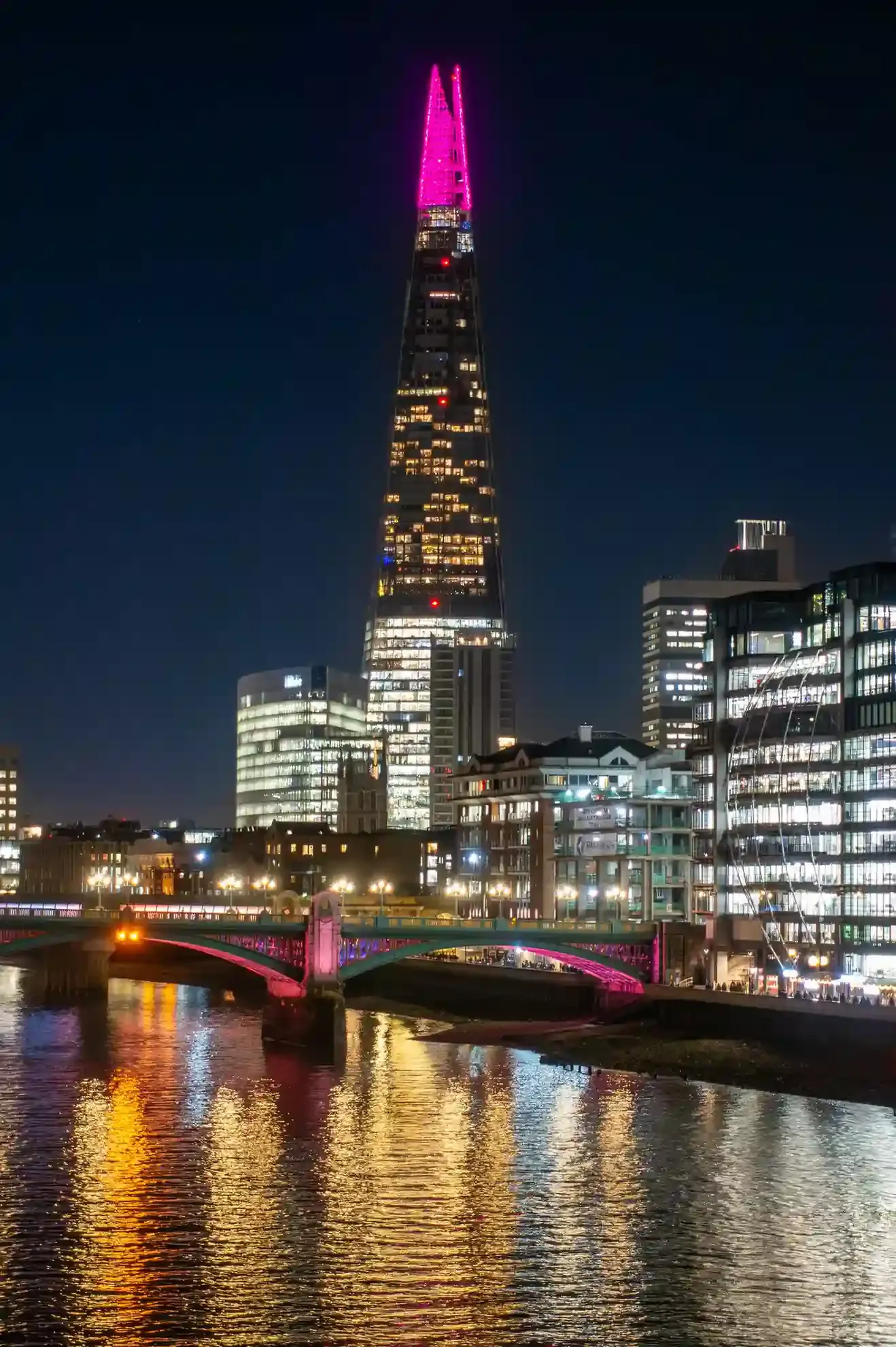
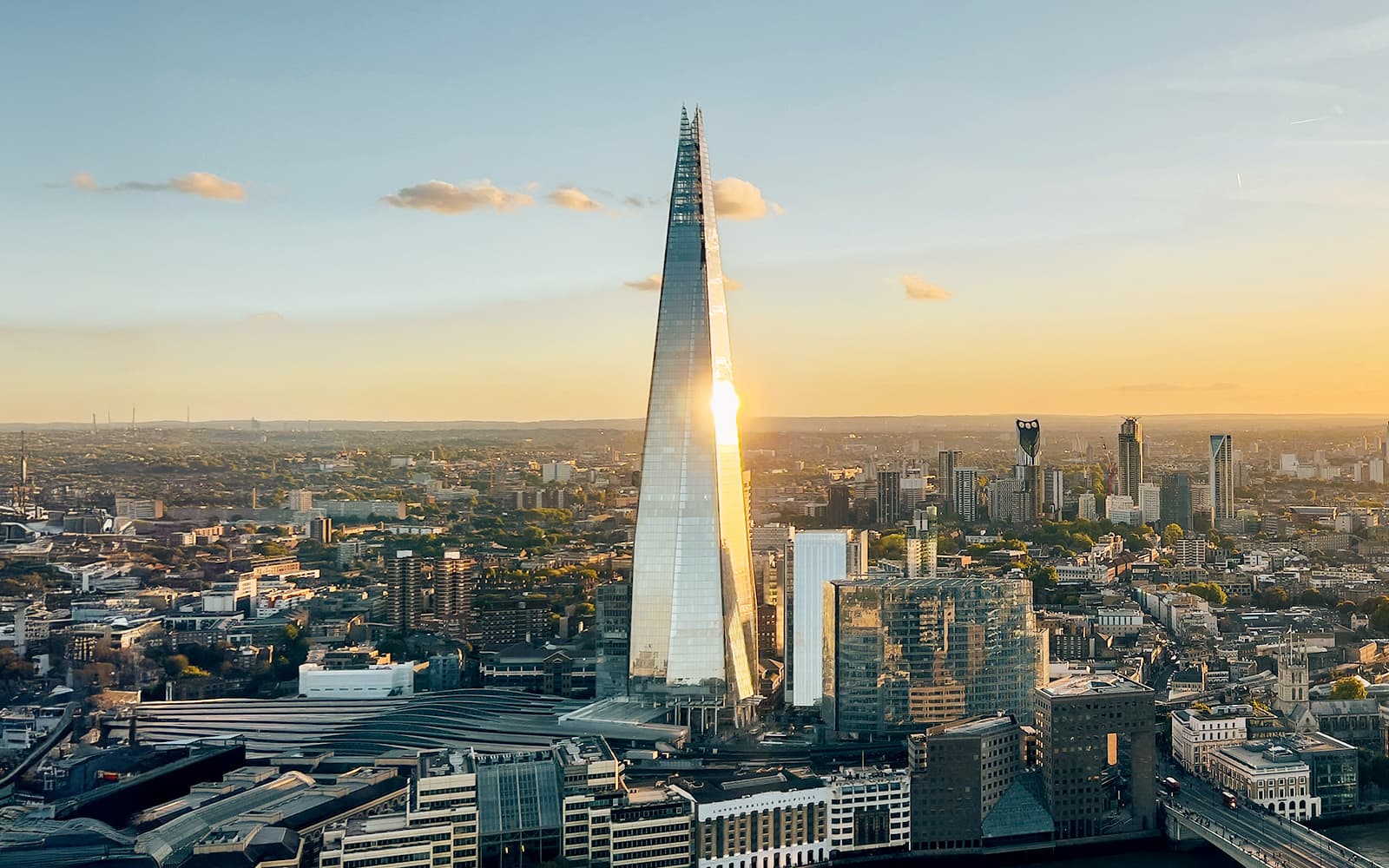
- The View from The Shard is Western Europe's highest public viewpoint; its open-air Level 72 skydeck is closed for maintenance into early July 2026.
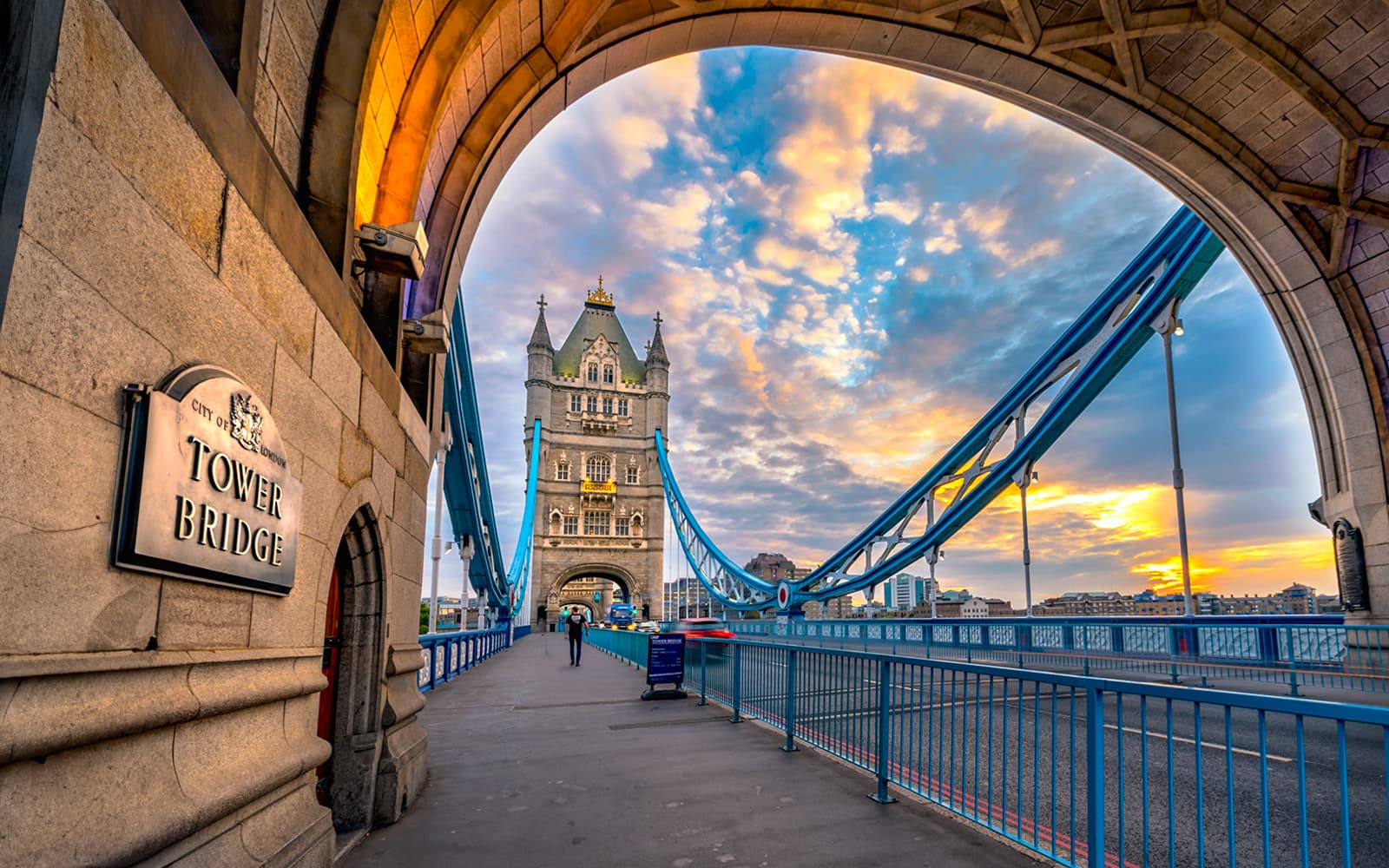
- Tower Bridge's glass-floor walkways sit 42 metres above the Thames, and the glass floor itself costs no more than standard entry.
- Two unhurried half-days cover the area well; a single full day works if you pick two interiors and walk past the rest.
The best things to do around London Bridge sit within a 15-minute walk of the station, on the south bank of the Thames in Southwark and Bankside: the View from The Shard, Tower Bridge's glass-floor walkways, Borough Market, HMS Belfast, and the Bankside galleries at Tate Modern and Shakespeare's Globe. The photogenic bridge most visitors picture is Tower Bridge, a 12-minute riverside walk east — London Bridge itself is the unremarkable road crossing one stop further upriver. Allow a relaxed half-day for the highlights, or a full day to add a skyline viewpoint and a Thames boat.
Plenty of travellers step off the train at London Bridge station expecting twin Gothic towers and a drawbridge, then find a flat grey crossing and a great deal of glass. The towers-and-bascules bridge they had in mind is Tower Bridge, a short walk east along the river. That small confusion aside, you have arrived in one of London's richest corners for riverside experiences — a tight cluster of skyline views, a 900-year-old market, a wartime warship and two of the city's best galleries, all on foot.
This guide covers what is worth your time among the things to do around London Bridge, what each paid experience actually costs in 2026, and how to thread them into a half-day or full day without crossing the city twice. It is written for the traveller who wants the elevated version — the right viewpoint, the table worth booking, the boat worth taking — rather than a checklist of free walk-pasts.
London Bridge or Tower Bridge? Clearing Up the Confusion First
There is no visitor attraction on London Bridge itself — it is a working road and rail crossing, rebuilt in plain concrete in 1973. The bridge people travel to see, with the two towers, the high walkway and the road sections that lift for tall ships, is Tower Bridge, about a 12-minute walk east along the river. Sort that out before you book anything and the rest of the area falls into place.
What "London Bridge" really names today is a district and a transport hub. London Bridge station sits on the Northern and Jubilee lines and is a major National Rail terminus, which makes it the natural front door to Southwark and Bankside on the Thames's south bank. Step out and the Shard is directly above you; the river, Borough Market and the galleries spread west and east within a quarter of an hour's walk.
How the area lays out
The geography is simple once you anchor on the station and the river. Walking east takes you past HMS Belfast and Hay's Galleria to Tower Bridge, with the Tower of London facing you from the opposite bank. Walking west brings you to Southwark Cathedral, Borough Market and then the Bankside stretch with Shakespeare's Globe, Tate Modern and the Millennium Bridge. The whole south-bank run from London Bridge to Tower Bridge is the riverside Queen's Walk, flat and traffic-free.
- East of the station: HMS Belfast, Hay's Galleria, Potters Fields Park, Tower Bridge.
- West of the station: Southwark Cathedral, Borough Market, the Old Operating Theatre, Bankside.
- Directly above: The Shard and its viewing galleries, on Joiner Street at the station.
- Across the river: the Tower of London and the City, reached on foot over Tower Bridge or London Bridge.
Is the London Bridge Area Worth Your Time?
Yes — for most visitors the London Bridge area earns at least half a day, because few parts of London pack this many distinct experiences into a flat, walkable stretch of riverbank. You can stand at the top of the Shard, walk a glass floor above the Thames, eat extremely well at Borough, and see a Rothko at Tate Modern without ever needing a taxi or the Tube between stops.
That said, it suits some travellers more than others. Being honest about the trade-offs is how you decide where to spend.
Worth it if…
- You want a high concentration of sights on foot, with skyline views, food and culture in one loop.
- You are a returning visitor who has done the Westminster and royal-London circuit and wants a different stretch of the city.
- You care about food — Borough Market and the surrounding restaurants are among London's strongest.
- You are travelling as a couple or a small group who would enjoy a sunset viewpoint and a good dinner.
Not ideal if…
- Your trip is tightly themed around royal London and the West End — those sit on the north and west sides.
- You dislike crowds and can only visit at midday on a summer weekend, when Borough and Tower Bridge are at their busiest.
- You are hoping to walk inside "London Bridge" as an attraction — there is nothing to enter there.
The Paid Experiences Around London Bridge, Compared
Most of the standout things to do around London Bridge are free to walk up to — the river path, the markets, the cathedral, Tate Modern's collection — but four paid experiences anchor the area, and they vary a lot in price and character. The table below compares them, with the Tower of London added because it faces the area from across the river and is easily reached on foot.
| Experience | What it is | Time needed | From (2026, adult) | Best for |
|---|---|---|---|---|
| The View from The Shard | Western Europe's highest public viewpoint, on floors 68, 69 and 72 | 45–60 min | £24–32 / $30–41 | Couples, photographers, a sunset moment |
| Tower Bridge Exhibition | Glass-floor walkways 42m up, plus the Victorian engine rooms | 90 min–2 hrs | £13.40 / $17 | Families, engineering and history fans |
| HMS Belfast | A WWII Royal Navy cruiser with nine decks to explore | 90 min | £22.70 / $29 | Families, military-history interest |
| Thames speedboat tour | A fast riverside ride past the bridges and the City skyline | 40–50 min | £40–50 / $51–64 | Groups, an active half-hour with a thrill |
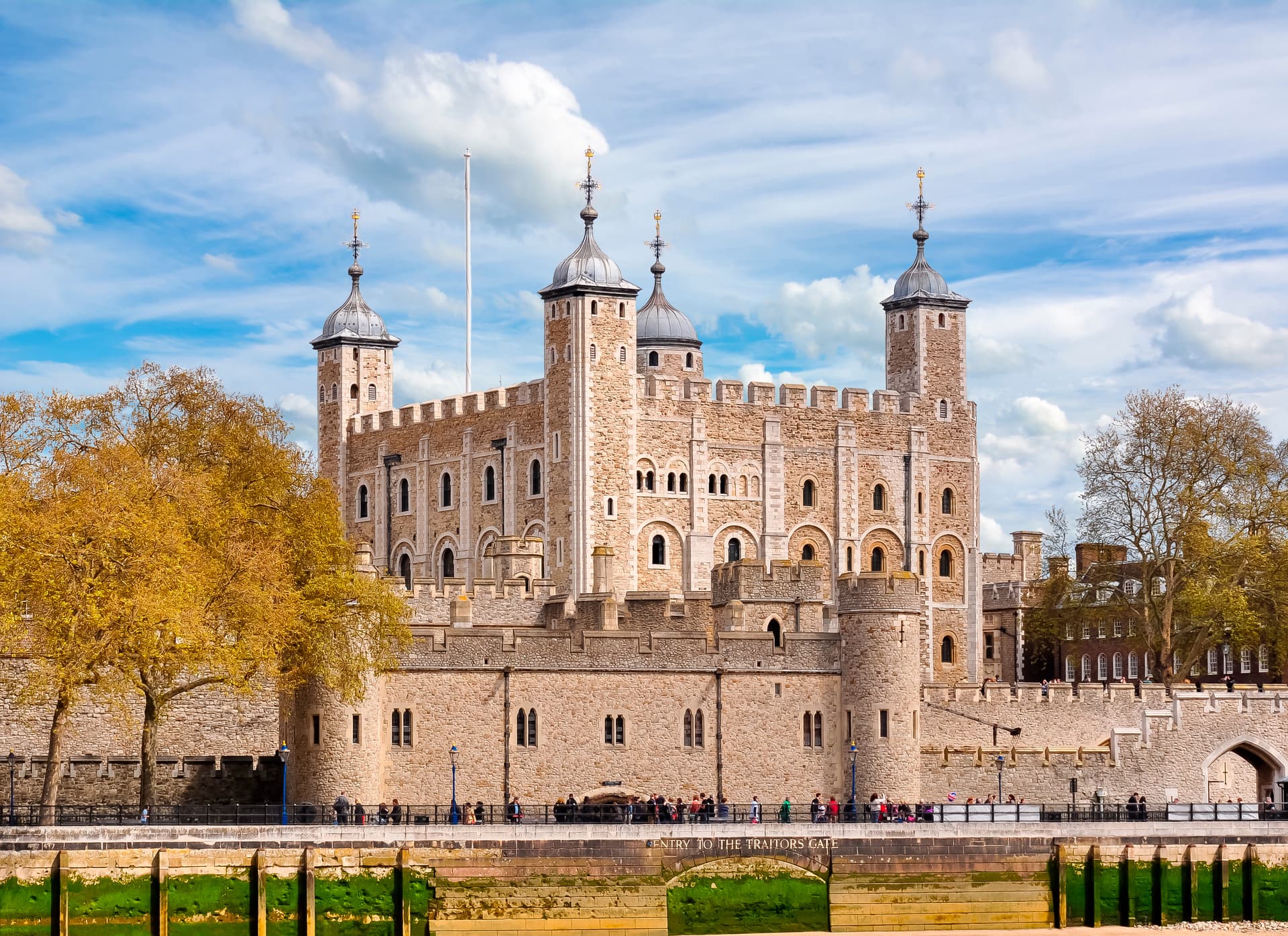
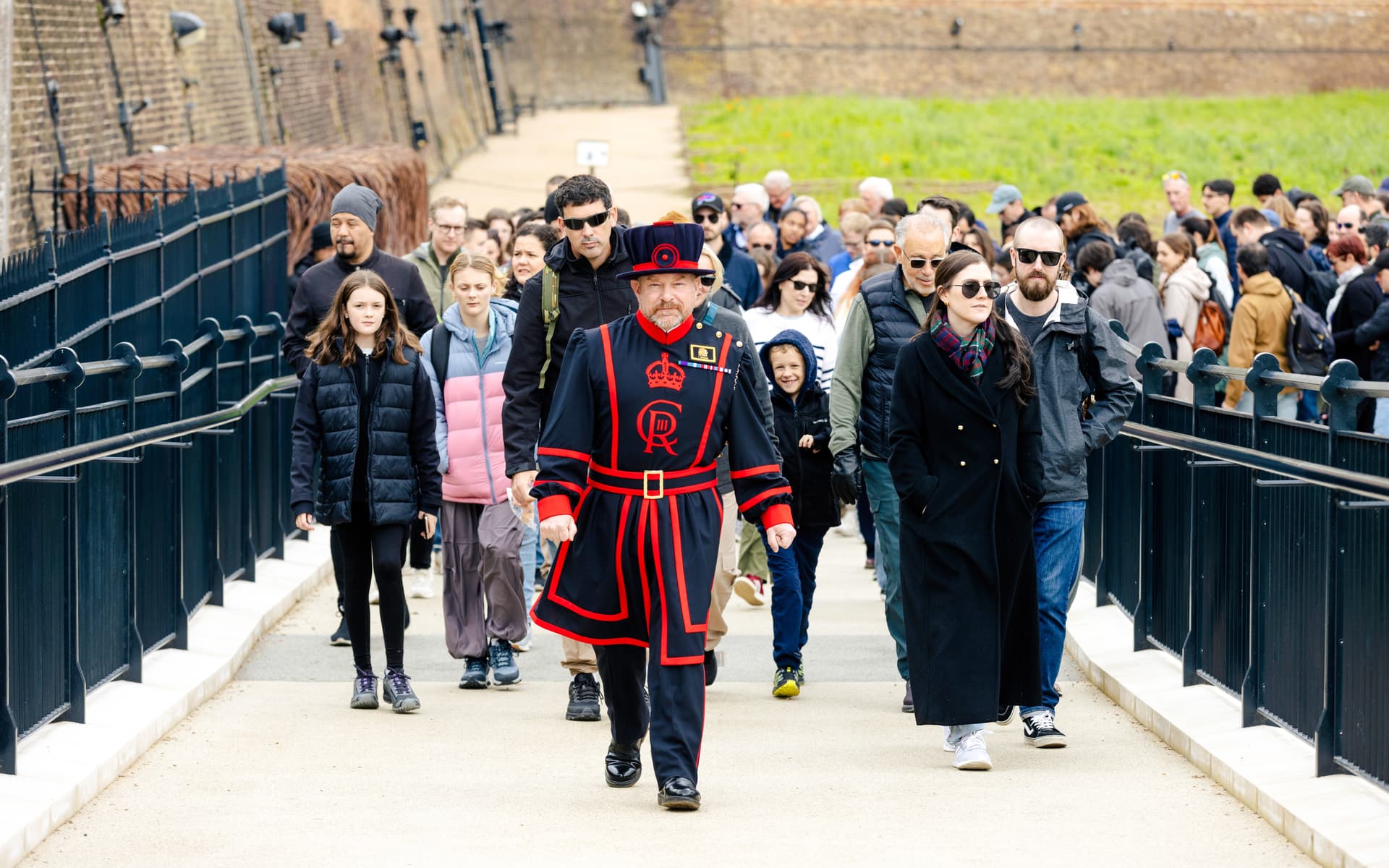
| Tower of London | A 1,000-year-old fortress and the Crown Jewels, across the river | 3 hrs | £35–37 / $44–47 | A first London visit or a returning history fan |
What the prices include
All five are timed-entry tickets best booked ahead, and the headline figures are the standard adult rate. A few details change the maths:
- The View from The Shard: entry only; an add-on with a glass of champagne and souvenir photos costs more. Children under four enter free.
- Tower Bridge Exhibition: the glass floor is part of standard admission — there is no upgrade. Children aged 5–15 are around £6.70 ($8.50), under-5s free; the on-the-door rate runs a little higher than online.
- HMS Belfast: under-fives and Imperial War Museums members enter free; all nine decks are covered by the one ticket.
- Thames speedboat tours: the fare covers the ride and commentary; sailings are weather-dependent and can pause in winter.
- Tower of London: a paying adult can usually bring up to three children at a nominal rate, which softens the family cost.
Prices are indicative for 2026 in pounds with a US-dollar equivalent and should be confirmed at the official source before you book, as rates shift seasonally. The experiences shown here on Travjoy are researched and approved by local experts, so you can book the right version with confidence rather than guessing between near-identical listings.
Insider reality check: the Shard in 2026
- The open-air Level 72 skydeck is closed for essential maintenance into early July 2026, so a visit before then is the enclosed Levels 68–69 only.
- To reflect the reduced experience, the ticket price has been cut during the works — the figures above already sit at the lower end.
- If standing in the open air at the top is the point of the visit for you, it is worth waiting until the skydeck reopens.
Insider reality check: the glass floor
- Tower Bridge's glass panels sit 42 metres up and are thick enough to hold a double-decker bus, so they will not crack underfoot.
- There are solid-floor strips along the sides of the walkway, so anyone uneasy about heights can still take in the view without stepping on the glass.
- First entry at 09:30 on a weekday is the quietest slot and the one moment you can photograph the glass floor with no one else on it.



Borough Market and Eating Well Around London Bridge
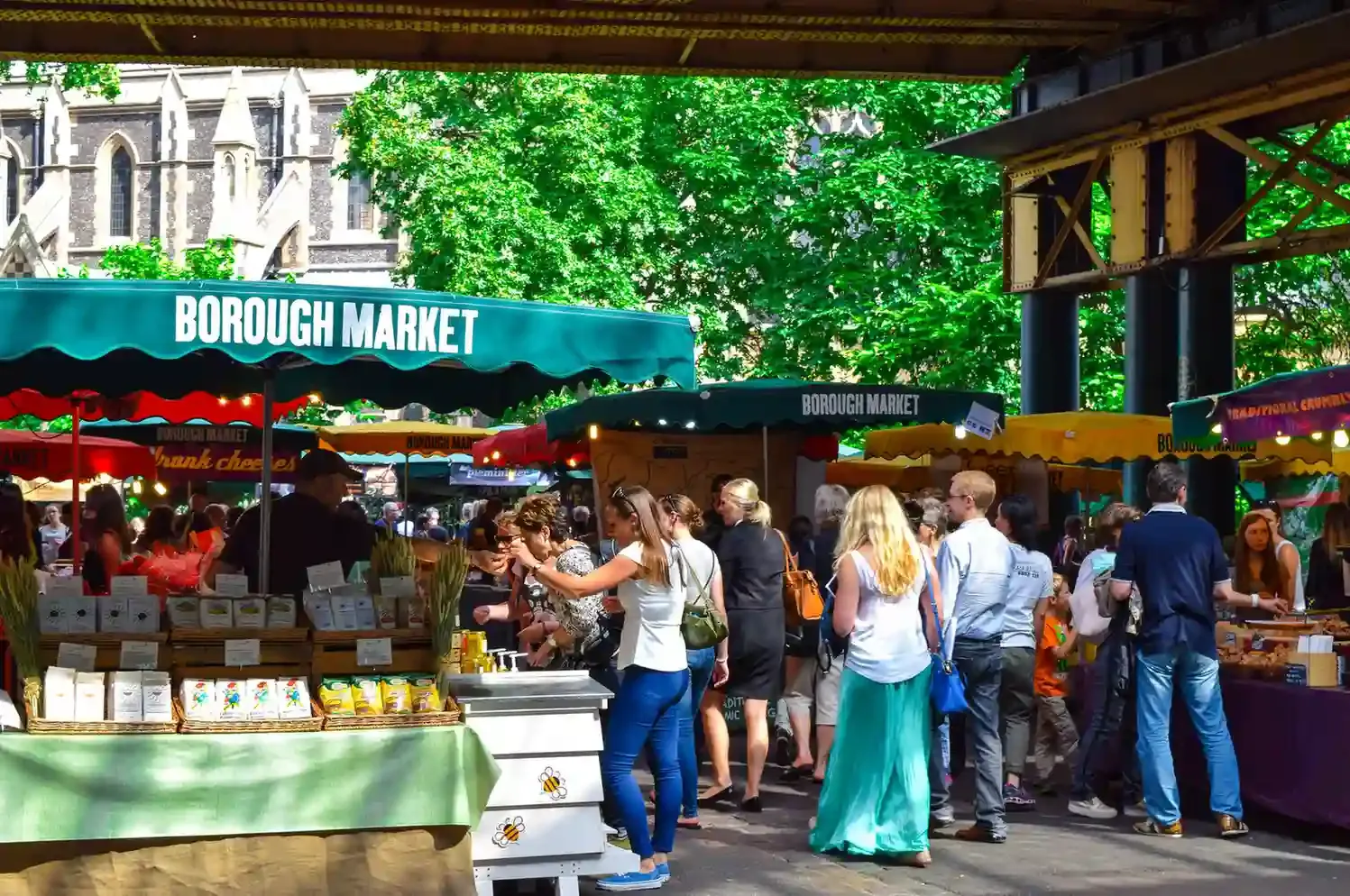
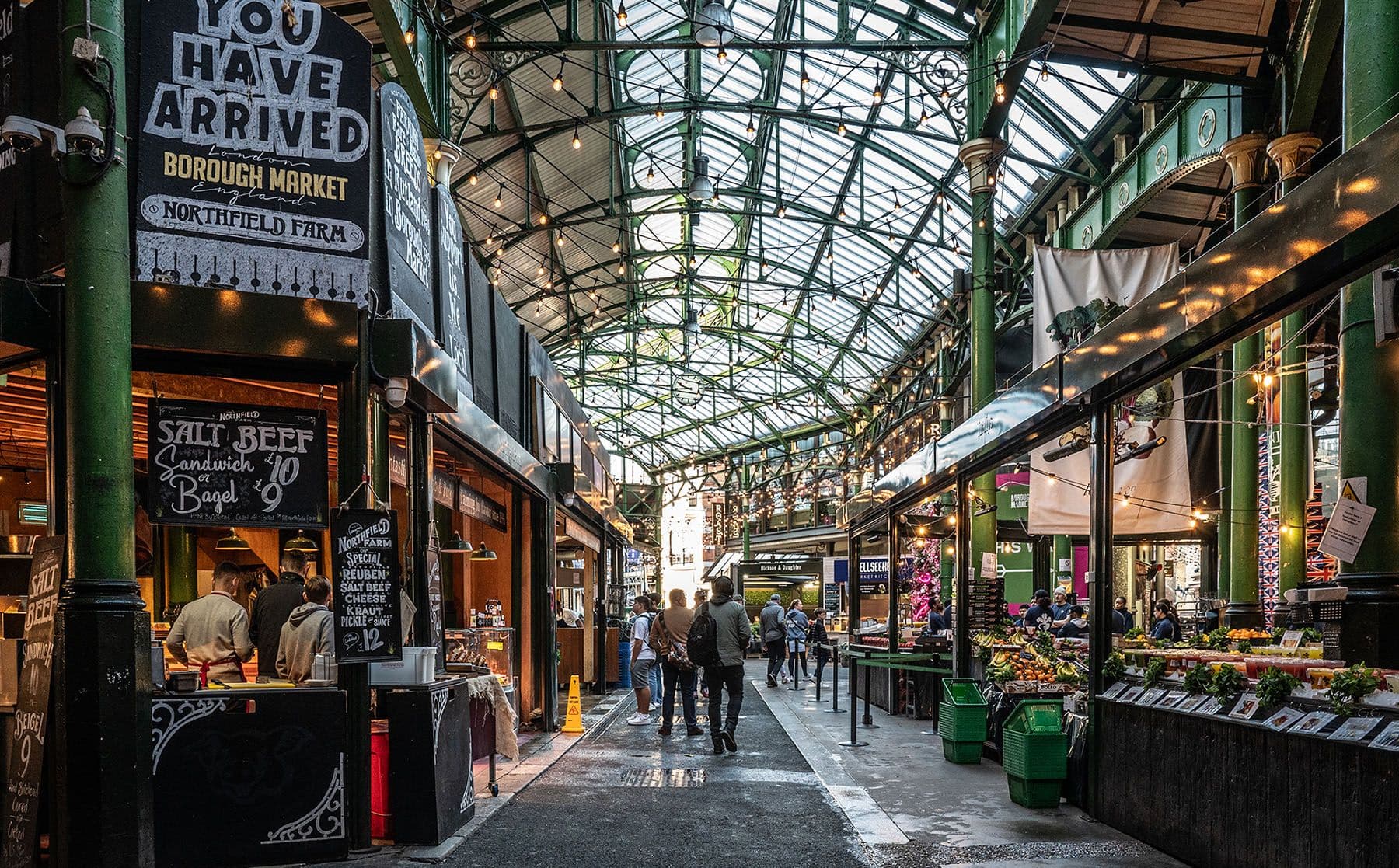
Borough Market is the area's anchor and one of the best reasons to spend a morning here. Trading on this site in some form for around 900 years, Borough Market is now a dense run of cheesemongers, fishmongers, bakers and street-food stalls under the railway arches beside Southwark Cathedral. Entry is free; what you spend goes on what you eat.
The approach that works is to graze rather than queue for a single trophy dish. Pick up a piece of Comté from a cheese stall, a warm pastry, an oyster or a plate from one of the international stalls in the Green Market hall, and eat as you wander. For a sit-down meal, the restaurants ringing the market — from the seafood counters to the long-running grill houses — are where the area's food reputation really sits.
Beyond the main market
If Borough is heaving, the smaller markets nearby reward a short walk. Maltby Street Market, a ten-minute stroll towards Bermondsey, is a tighter run of food and drink under the arches that draws a more local weekend crowd. It pairs naturally with the independent breweries and bottle shops along the Bermondsey Beer Mile if you are making an afternoon of it.
Insider reality check: timing Borough Market
- The fullest trading runs roughly Wednesday to Saturday; earlier in the week the market is quieter and some stalls stay shut.
- Saturday between noon and 2pm is the busiest window of the week — go before 11am for room to move and the pick of the stalls.
- Confirm current opening days and hours on the market's site before a special trip, as they vary around bank holidays and December.
Bankside: Tate Modern, Shakespeare's Globe and the Riverside Walk
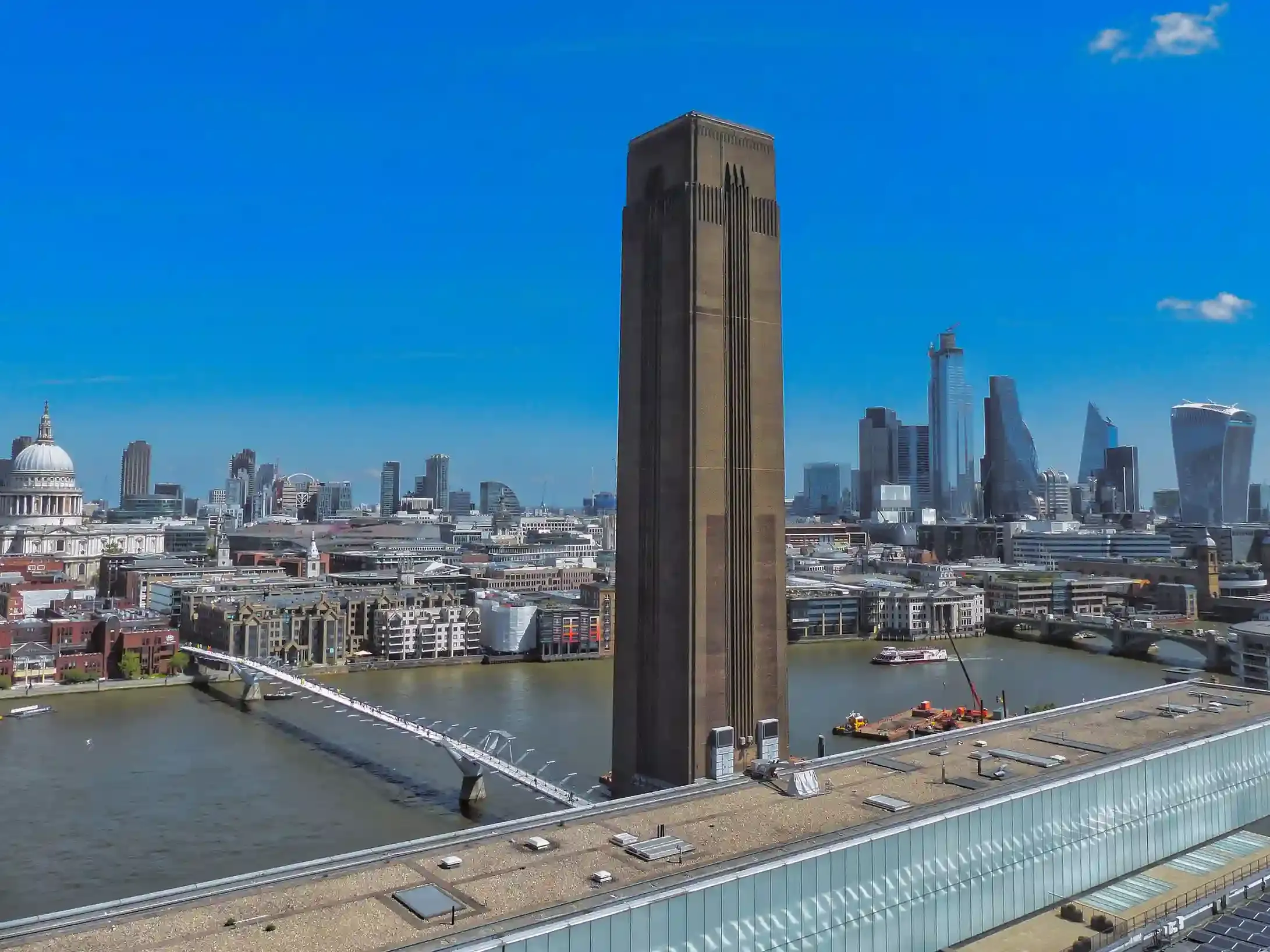
West of Borough, the riverside opens into Bankside — the cultural heart of the south bank and the stretch that gives the area its depth beyond the views. The walk alone, along the traffic-free Thames Path with St Paul's framed across the water, is one of London's finest.
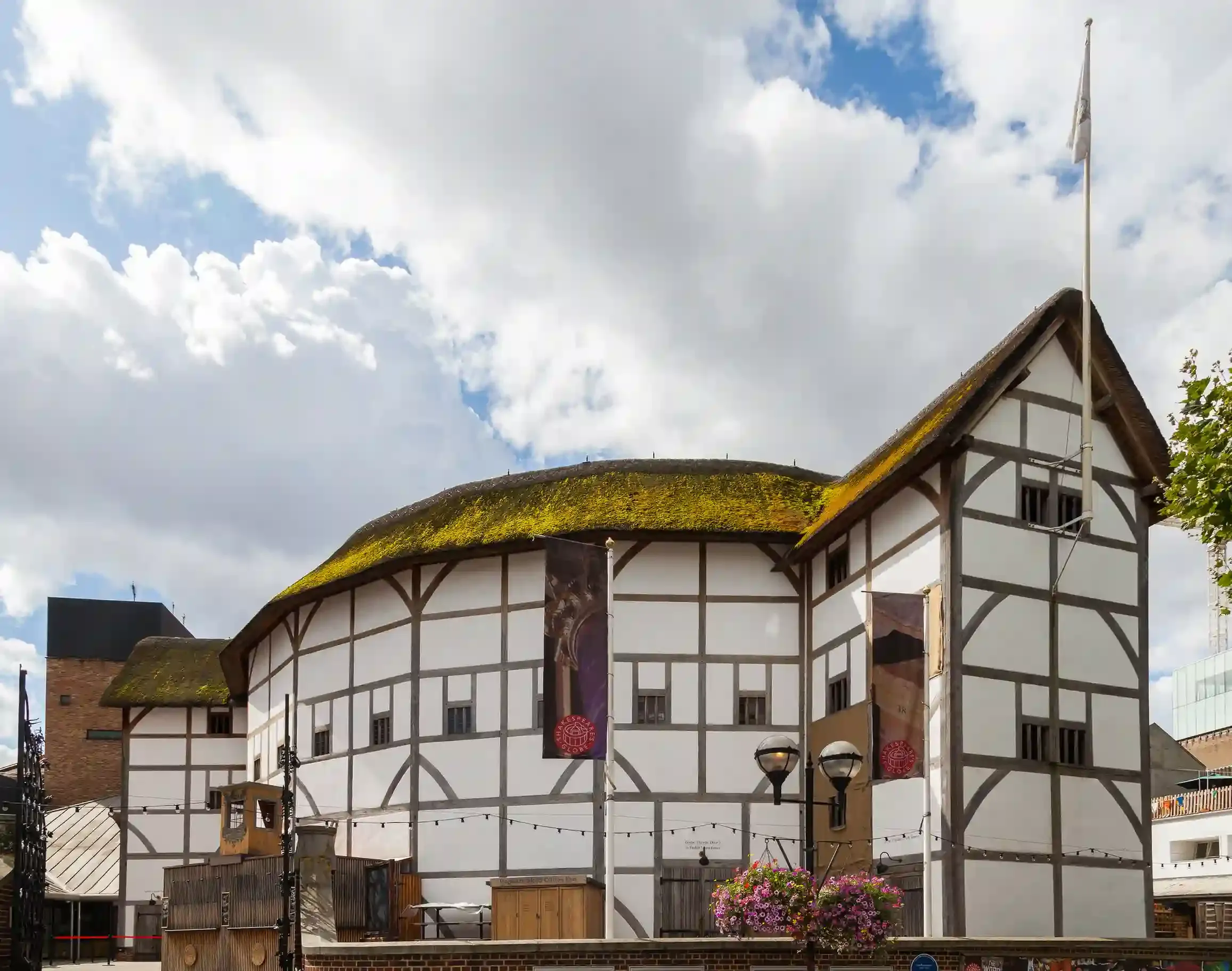
The two anchors are a few minutes apart. Tate Modern, housed in the old Bankside power station, holds one of the world's leading collections of modern and contemporary art — Picasso, Rothko, Dalí and Warhol among them — and the permanent collection is free to enter, with charges only for the big temporary shows. Next door, Shakespeare's Globe is a faithful reconstruction of the open-air Elizabethan playhouse; you can take a guided tour by day or, in season, stand as a "groundling" for a play much as audiences did 400 years ago.
The short Bankside loop
These sights string together into an easy walking sequence without backtracking:
- Cross the Millennium Bridge for the postcard line straight to St Paul's, then turn back for the river view.
- Step into Tate Modern, and ride up to the viewing level for one of the best free panoramas over the City.
- Walk on to Shakespeare's Globe and Southwark Cathedral, a 1,000-year-old place of worship that is free to enter.
- Detour up the 52-step spiral staircase to the Old Operating Theatre, Europe's oldest surviving surgical theatre, if curiosities appeal.
Insider reality check: Tate Modern's free view
- The collection and the upper-floor viewing level are free — you can ride up purely for the panorama and the bar without paying for an exhibition.
- The view spans the river to St Paul's and the City, and it is one of the area's best skyline shots that costs nothing.
- Late Friday and Saturday openings make this a calmer alternative to a paid viewpoint at sunset.
Which London Bridge Experience Should You Choose?
If you only have time for one paid experience, match it to who you are travelling with rather than to a ranking. Each of the area's headline options serves a different traveller, and you rarely need more than one viewpoint or one ticket in a day.
- Choose the Shard view if you are a couple or marking an occasion and want height and a sunset — the elevated pick, ideally timed to dusk (allowing for the Level 72 closure into mid-2026).
- Choose Tower Bridge if you are travelling with children or care about how things are built; the glass floor and the Victorian engine rooms hold attention and the price is gentle.
- Choose HMS Belfast if naval or wartime history is the draw and you want something hands-on across nine decks.
- Choose a Thames speedboat if you have an active group and would rather feel the river than look down on it.
- Choose the Tower of London if it is a first visit to the city and you want the single most storied site within reach.
A half-day and a full-day route
The area rewards a loop anchored on London Bridge station. For a relaxed half-day, start at Borough Market mid-morning, walk the river west to Tate Modern and the Globe, then back east along the Queen's Walk to Tower Bridge for the glass floor. For a full day, add the Shard at the start for the morning light, or save it for dusk, and fit in HMS Belfast or a Thames boat in the afternoon.
Insider reality check: what to combine, and what not to
- Tower Bridge and the Tower of London pair well — they face each other across the river and share an entrance area.
- Do not try to enter the Shard, Tower Bridge, HMS Belfast and the Tower of London in one day; you will spend it in security queues, not enjoying any of them.
- Two interiors plus the free riverside walk and Borough Market is the comfortable ceiling for a single day around London Bridge.
Plan Your Day Around London Bridge
The strength of the London Bridge area is that the best things to do around London Bridge are nearly all on foot and on the river: a skyline view, a glass floor, a 900-year-old market and two of London's finest galleries, threaded along one flat stretch of the south bank. Sort out the Tower Bridge confusion, book one or two timed-entry experiences ahead, and leave room to simply walk the Queen's Walk between them. Pick the viewpoint or ticket that suits your group, time the markets for the quieter hours, and you have a day that rewards a first visit and a returning one alike. Start planning your London trip on Travjoy to line up the experiences worth booking around London Bridge.



.svg&w=1920&q=75)