



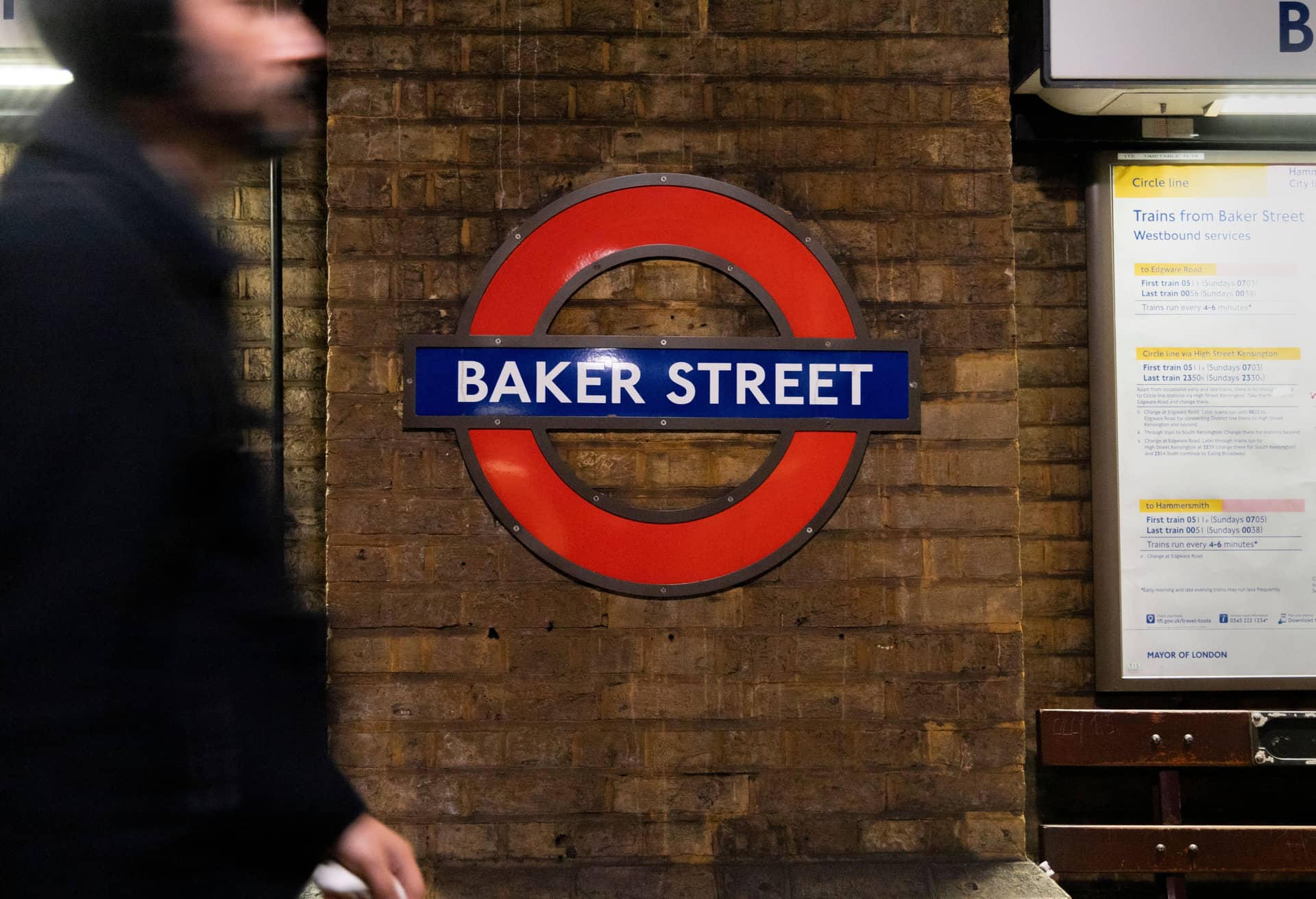
Things to Do on Baker Street: A Complete Guide to Sherlock's London and Marylebone
8 min read
Key Highlights
- The Sherlock Holmes Museum sits at the famous 221B address — though the door is actually between numbers 237 and 241 Baker Street.
- Madame Tussauds stands right beside Baker Street station, with over 150 figures across seven themed zones.
- One street over, Marylebone hides the free Wallace Collection, Daunt Books and a slower, more local London.
- Regent's Park sits to the north and Hyde Park to the south, so green space is never more than a short walk away.
The best things to do on Baker Street start with Sherlock Holmes — the statue outside the station and the museum at 221B — then widen quickly into Marylebone. Within a ten-minute walk you can pair the wax figures of Madame Tussauds with the calm of the Wallace Collection, the oak galleries of Daunt Books, and the rose gardens of Regent's Park. A focused visit takes a morning; a full day rewards anyone who wants to slow down.

Say "Baker Street" to most people and one image arrives first: a deerstalker, a pipe, and a detective who never existed. Sir Arthur Conan Doyle gave Sherlock Holmes the address 221B, and more than a century later visitors still queue at that door. But the street is more than a literary shrine. It runs through the heart of Marylebone, one of central London's most liveable districts, where village-scale shopping streets sit minutes from two of the city's great royal parks.
This guide covers the full range of things to do on Baker Street and the Marylebone streets around it — the headline attractions, the quieter pleasures most visitors miss, and how to plan a half-day or full day so the walking actually makes sense. Where it helps, there are current prices in pounds and US dollars, opening hours, and honest notes on when to go and what to expect.
Getting your bearings on Baker Street
Baker Street runs north to south through Marylebone, in the City of Westminster, connecting Marylebone Road and Regent's Park at the top to the edge of Mayfair at the bottom. The name covers both a long, fairly ordinary thoroughfare of shops and offices and a famous Underground station — and it is the area around the station, not the whole street, where almost everything worth seeing clusters.
Baker Street station is one of the best-connected in central London, which makes the area easy to fold into a wider day out. Five Underground lines stop here:
- Bakerloo — south to Oxford Circus, Piccadilly and Waterloo
- Jubilee — east to Bond Street, Westminster and London Bridge
- Metropolitan — out towards the north-west suburbs and Wembley
- Circle and Hammersmith & City — west to Paddington, east to King's Cross
That connectivity is the practical reason to base a day here: you can arrive from almost anywhere, see the attractions on foot, and leave in a different direction without backtracking. Marylebone mainline station, a quarter-mile west, adds onward trains towards Oxford and the Chilterns if you want to pair the day with a trip out of the city.
What the street is actually like
It is worth setting expectations. Baker Street itself is not the prettiest road in London — it is broad, busy with traffic, and lined mostly with shopfronts and offices. The charm is in the side streets and what sits at either end. Treat the station as your anchor: the Sherlock statue and Madame Tussauds are right there on Marylebone Road, the museum is a few minutes' walk down Baker Street, and the village-like part of Marylebone begins one block east.
Sherlock Holmes and 221B Baker Street
The Sherlock Holmes Museum is the single most popular reason people come to Baker Street, and it delivers exactly what it promises: a recreation of the detective's Victorian lodgings, staged room by room as described in the stories. Holmes and Dr Watson supposedly lived here from 1881; the rooms are lit to feel gas-lamp dim, with the violin, the chemistry set, the deerstalker, and waxwork tableaux from the most famous cases on the upper floors. Allow one to one and a half hours.
The quirk worth knowing before you go: the address reads 221B, but the building actually sits between numbers 237 and 241. When Conan Doyle was writing, Baker Street did not yet stretch as far as 221, and by the time it did the number belonged to a building society. The museum took a shop a few doors along and simply mounted "221B" above the door. Almost nobody notices.
- Hours: Daily, roughly 9:30am to 6pm (closed 25 December); last entry about 30 minutes before closing
- Adult ticket: around £16–£19 (about $20–$24)
- Child (under 16): around £11–£14 (about $14–$18); under-6s free with an adult
- Tickets: bought in person at the shop next door, then you join the queue — there is no advance online booking
- Time needed: 1 to 1.5 hours
Because tickets are sold on the day and the building is small, queues build quickly, especially at weekends and through the middle of the day. The single most useful piece of advice is to arrive at opening. By late morning the line outside the blue plaque can resemble a theme-park queue. If the wait is long, the gift shop — free to enter — is a destination in its own right for deerstalkers, pipes and Conan Doyle editions.
Don't overlook the free parts of the Sherlock story on the street itself. The nine-foot bronze statue of Holmes stands just outside the station's Marylebone Road exit, and Baker Street station carries his profile in its platform tiling. There are blue plaques in the area too — including one to William Pitt the Younger, who lived at 120 Baker Street and became Britain's youngest prime minister at 24. If you want the literary thread pulled together properly, Travjoy's Sherlock Holmes trail links the key locations into a single walk, and every stop on it has been researched and approved by local experts so you are not guessing which ones are worth your time.
Madame Tussauds
Right beside the station on Marylebone Road, Madame Tussauds is the other headline attraction and the one most worth booking ahead. This is the original wax museum, opened in London in 1835 by Marie Tussaud herself — long before the New York, Amsterdam or Sydney versions. The draw is that you are not looking at figures behind a rope; you stand beside them, photograph with them, and at times struggle to tell the wax from the visitors.
The museum runs over three floors and seven themed zones, with more than 150 figures and a regularly refreshed line-up — royalty, film, music, sport and superheroes among them. The Spirit of London ride, a black-cab journey through 400 years of city history, is included with standard entry, as is the theatrical Chamber of Horrors. One change to note: the Marvel Universe 4D cinema closed permanently in April 2026, so don't plan around it.

Tickets, timing and when to go
Madame Tussauds uses dynamic pricing, so booking online in advance is meaningfully cheaper than paying at the door, and the earlier you book a slot the lower the price tends to be.
- Online advance: from around £29 (about $37)
- On the day: typically £39–£42 (about $50–$53)
- Fast Track upgrade: roughly +£10 for priority entry via a separate door
- Opening: usually from 10am, closing between 4pm and 5pm depending on the day
- Time needed: 1.5 to 2 hours
- Note: the venue is cashless — card only — and suitcases or large bags are not allowed inside
For the calmest visit, take a weekday morning slot right at opening; by late morning the photo zones fill and the pace slows considerably. Madame Tussauds also runs quieter, lower-capacity sessions for anyone who prefers a less crowded experience — worth checking when you book. Travjoy lists the museum among its London experiences precisely because the value depends on getting the timing and ticket type right, all of it checked and approved by local experts before it reaches the page.





Marylebone beyond the icons
One block east of Baker Street, Marylebone shifts gear entirely — from coach-tour London to a village-scale neighbourhood of independent shops, low-key galleries and good coffee. This is where the area rewards a returning visitor, and where most people who only "do" Sherlock and the wax museum never set foot. It is also where the better things to do on Baker Street tend to hide.
The standout is the Wallace Collection, a few minutes south at Hertford House on Manchester Square. It is a national museum of art — Old Master paintings, French furniture, armour — set inside a grand townhouse, and entry is free. Frans Hals's The Laughing Cavalier hangs here. It rarely feels crowded, and the glass-roofed courtyard restaurant makes a calm lunch stop.
A short walk takes in the rest:
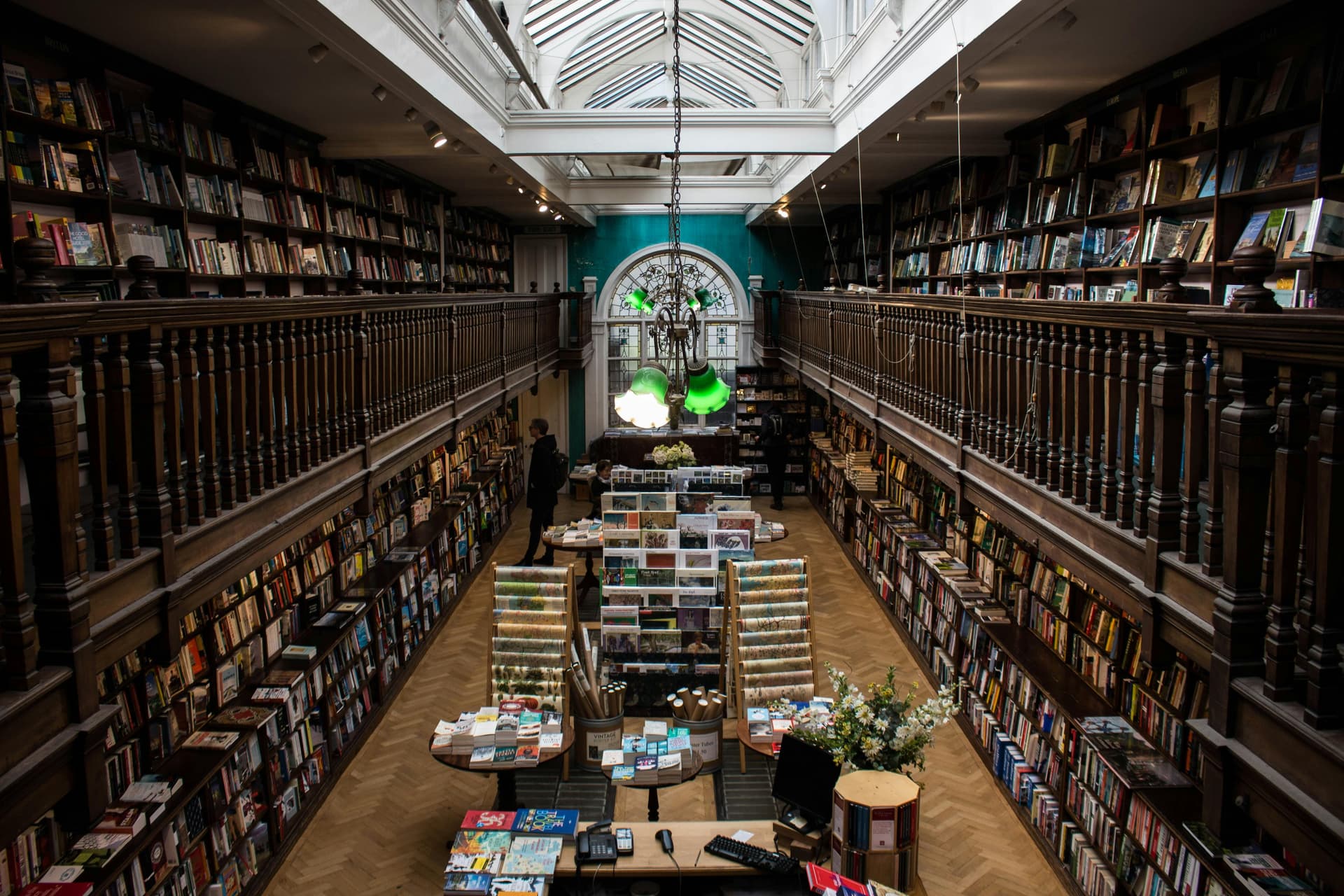
- Daunt Books on Marylebone High Street — an Edwardian shop with a long oak gallery and a stained-glass window, where travel books are shelved by country rather than genre
- Marylebone High Street and Marylebone Lane — boutiques, a long-running farmers' market on Sundays, delicatessens and tea specialists; the Lane curves because it follows the buried River Tyburn
- Paddington Street Gardens — a quiet former burial ground turned local park, good for a pause between stops
- The Langham — the grand hotel near the bottom of the area where Conan Doyle dined with Oscar Wilde in 1889, a meeting that led to the second Holmes novel, The Sign of Four
For book lovers, Daunt Books alone justifies the detour — it photographs beautifully and is one of the few London bookshops worth visiting as a destination rather than for a quick browse.
Green space on either side
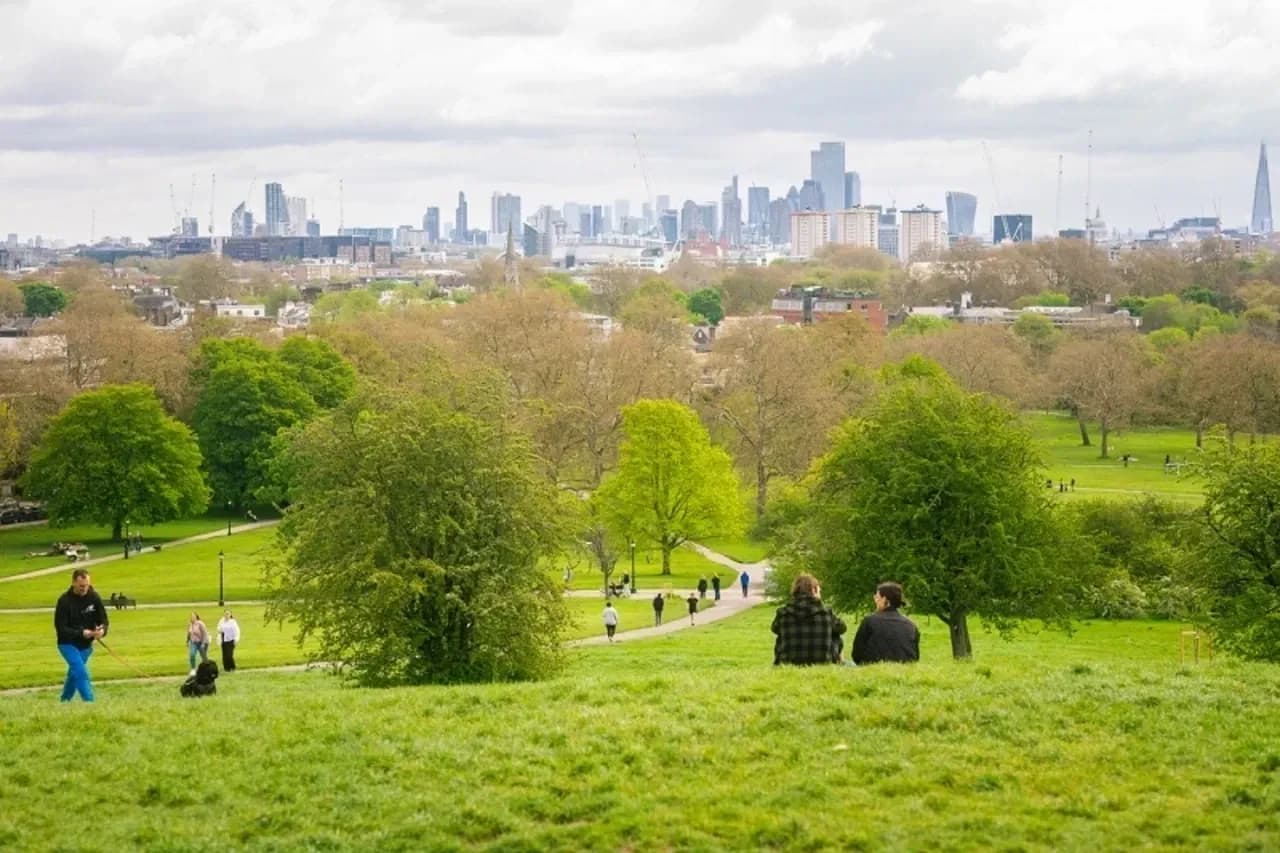
Baker Street's quiet advantage is that it has a major royal park at each end. To the north, just past Madame Tussauds, lies Regent's Park — formal gardens, a boating lake, and Queen Mary's Gardens, whose rose beds peak in June. Walk to the northern edge and Primrose Hill gives one of the best free skyline views in London, taking in the City and the West End in a single sweep.
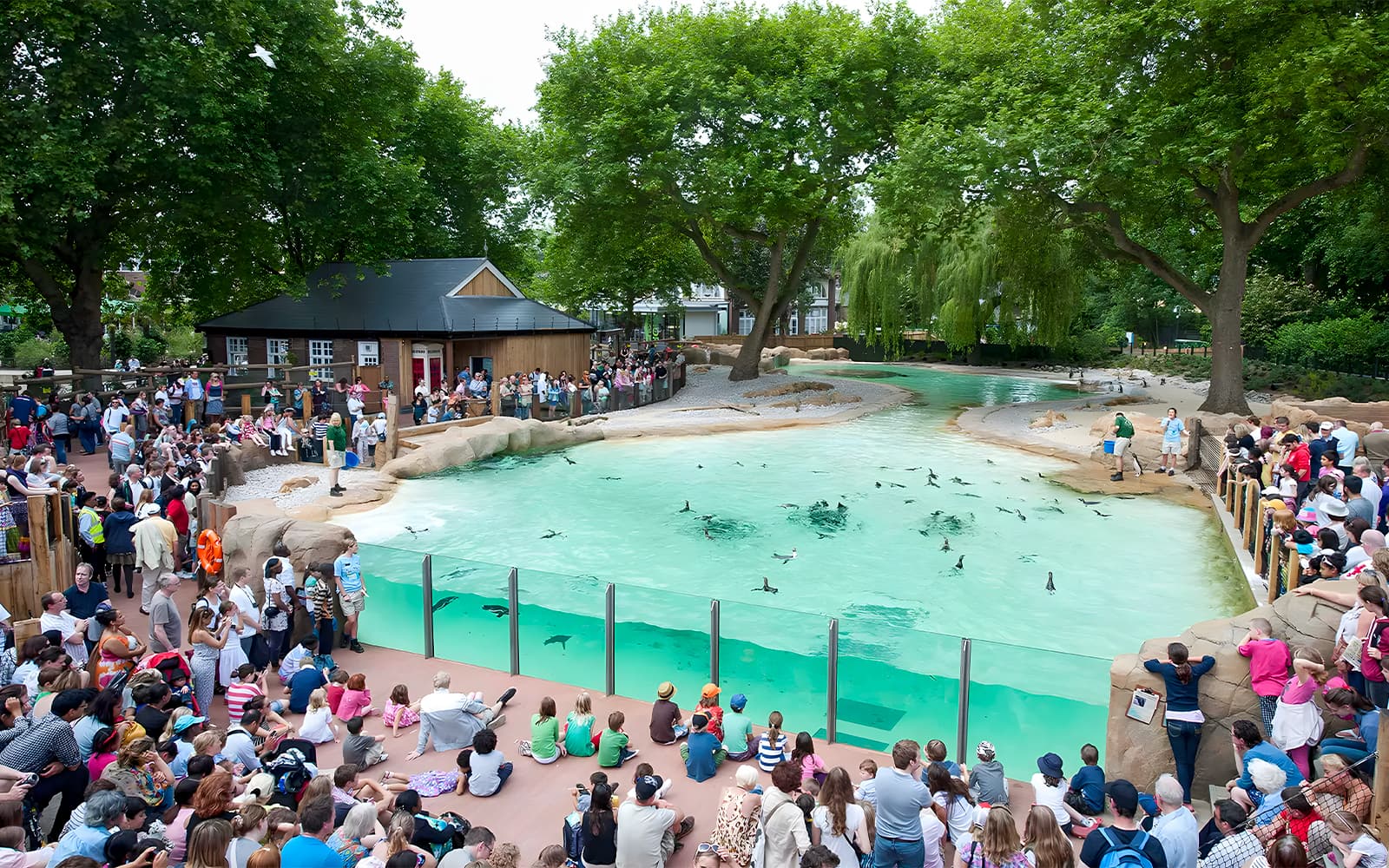
Inside the park's northern corner is ZSL London Zoo, the world's oldest scientific zoo, which makes an easy add-on for families or anyone with half a day to fill. To the south, a longer stroll or one Tube stop brings you to Hyde Park, so a day built around Baker Street can begin and end in green space with attractions in between.
When to go
- Best time of day: arrive at attraction opening (9:30–10am) to beat the queues at the Sherlock Holmes Museum and Madame Tussauds, then shift to Marylebone and the parks as the crowds build
- Best season: May to September for the parks and Queen Mary's roses; December for Marylebone's lower-key Christmas lights and shop windows
- Quietest days: weekday mornings; Sunday adds the Marylebone farmers' market but busier streets
- Avoid: midday at weekends and school holidays, when the museum queue is at its longest
Where to eat well, and how to plan your time
Marylebone is one of central London's better-fed districts, and you do not have to walk far from Baker Street to eat well. The choice runs from old-school delis and bakeries on Marylebone Lane to the grand afternoon teas in the area's landmark hotels. The glass-roofed atrium tea at The Landmark London, beside Marylebone station, is a long-standing favourite for a celebratory stop.
- Quick and good: the cafes and delicatessens of Marylebone Lane and High Street — sandwiches, pastries and proper coffee
- Sit-down lunch: the Wallace Collection's courtyard restaurant, or one of the High Street's independent kitchens
- A treat: afternoon tea at a Marylebone hotel — book ahead, especially at weekends

A half-day versus a full day
How much time you need depends on how deep you go. The two big attractions plus the statue fit comfortably into a morning; adding Marylebone and a park turns it into a satisfying full day.
- Half-day (3–4 hours): Sherlock statue → Sherlock Holmes Museum at opening → Madame Tussauds → coffee on Marylebone High Street
- Full day: the above, then the Wallace Collection and Daunt Books, lunch in Marylebone, and an afternoon in Regent's Park or up Primrose Hill
- With children: swap the Wallace Collection for ZSL London Zoo and keep the parks for running-around time
Plan your trip
The smartest way to approach the things to do on Baker Street is to treat the station as a base, not a single stop: do Sherlock and Madame Tussauds early while the queues are short, then let the day open out into Marylebone's shops and galleries and the parks at either end. It is one of the few corners of central London where world-famous attractions and a properly local neighbourhood sit side by side. Start planning your London days, with experiences researched and approved by local experts, over on Travjoy's London page.

.svg&w=1920&q=75)