


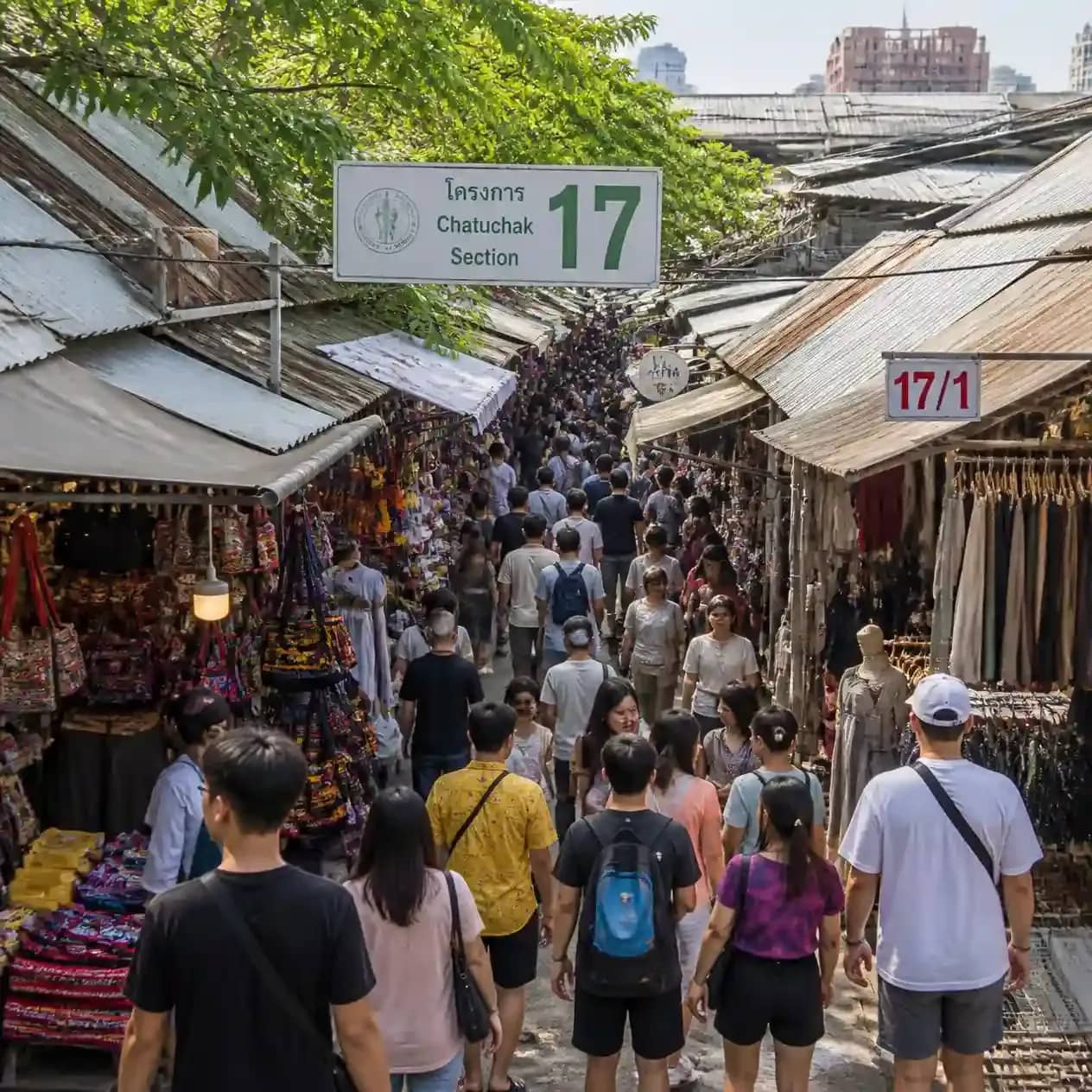
Chatuchak Weekend Market: A Complete Guide for Discerning Travellers — Sections, Timings and What's Worth Buying
8 min read
Key Highlights
- The full market runs Saturday and Sunday, 09:00–18:00. Friday evening, 18:00 to midnight, is the wholesale session. Wednesday and Thursday, 07:00–18:00, are plants and flowers only.
- More than 15,000 stalls sit across roughly 35 acres and 27 numbered sections — three to four hours covers two or three sections at a pace that lets you actually look at things.
- BTS Mo Chit Exit 1 and MRT Chatuchak Park Exit 1 both land at the market; MRT Kamphaeng Phet Exit 2 puts you directly into the plant and flower rows.
- Buddha images and antiques require an export licence from the Fine Arts Department — a maximum of five pieces per person, and three to five working days to process.
- The 7% VAT refund works in the adjacent malls, not at the stalls: you need a retailer displaying the blue "VAT Refund for Tourists" sign and 2,000 THB (around USD 57) spent in one shop on one day.
Chatuchak Weekend Market opens Saturday and Sunday from 09:00 to 18:00, with a wholesale session on Friday evening from 18:00 to midnight and a plants-only market on Wednesday and Thursday from 07:00 to 18:00. It holds more than 15,000 stalls across 27 numbered sections in northern Bangkok, reached by BTS Mo Chit or MRT Chatuchak Park. Allow three to four hours to cover two or three sections properly, and plan the visit around the weekend rather than hoping to fit it in.
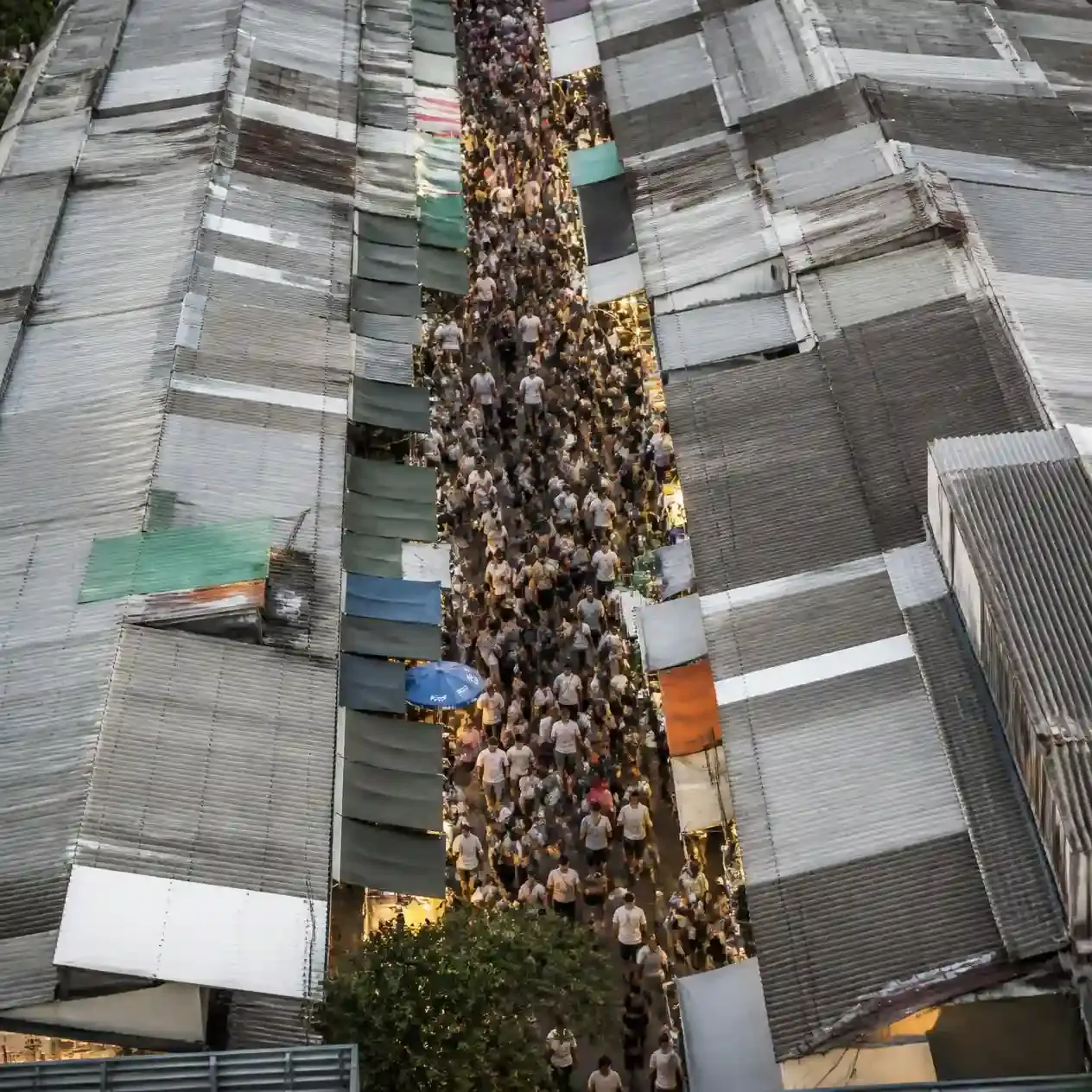
Most visitors arrive through whichever gate the taxi driver chooses, walk for forty minutes towards whatever looks busiest, and leave with a coconut ice cream and a T-shirt they will not wear. The market is not difficult. It is simply large enough that walking without a plan is the same as walking in circles.
What makes Chatuchak Weekend Market worth the trip is not its size but its depth. Bangkok's design studios, ceramicists, silk weavers and antique dealers all sell here, often alongside mass-produced stock that looks similar at a glance and is not. Knowing which sections hold which, and how to tell one from the other, is the difference between a morning well spent and a long hot walk.
This guide covers the opening days and the hours that actually work, how to get in and orient yourself, what is worth buying in each part of the market, where to eat both inside and immediately opposite, and — the part almost nobody writes about — the paperwork you need to get antiques and Buddha images out of Thailand legally.
Is Chatuchak Weekend Market Worth Your Time?
Yes, if you want Thai craft, ceramics, textiles and antiques bought directly from the people who make or source them, and you are prepared to give it three hours or more. No, if you have a single free afternoon and want an air-conditioned browse — Bangkok's malls do that better. The market rewards intent, not wandering.
Who it suits
Chatuchak works best for buyers with a category in mind. Collectors of ceramics, anyone furnishing a home, textile buyers, and people hunting mid-century Thai and Chinese pieces will find stock here at a range and price they will not see elsewhere in the city. It also suits the returning visitor who has already done the Grand Palace and the river and wants a day with some texture to it.
Who should consider something else
If heat is a problem, if you are travelling with small children, or if your visit falls midweek, the calculation changes. The market is largely uncovered, the alleys are narrow, and by midday in April the temperature under those corrugated roofs is punishing. Bangkok's other markets and flea markets run on different days and at different intensities, and several are indoors.
The second-visit angle
If you have been before and remember it as chaos, go back with a narrower brief. Pick two sections, arrive at opening, and treat the rest of the market as scenery. Regulars shop this way — Section 7 for ceramics, Section 26 for antiques, out by noon — and it is a different experience entirely from trying to see everything.
Opening Hours, Days and the Windows That Work
The full Chatuchak Weekend Market operates on Saturday and Sunday only, from 09:00 to 18:00. Three smaller sessions run outside those days, and each has a different character. Getting the day right matters more than any other planning decision, because arriving on a Tuesday means arriving at a car park.
The full schedule
- Saturday and Sunday, 09:00–18:00 — all 27 sections open. This is the market as it is meant to be seen.
- Friday, 18:00–24:00 — the wholesale evening. Fewer sections, larger quantities, buyers rather than browsers. Cooler and considerably calmer.
- Wednesday and Thursday, 07:00–18:00 — plants, flowers and garden supplies only, with a handful of food stalls. Worth a detour if you care about orchids and bonsai; not worth crossing the city for otherwise.
- JJ Mall and Mixt Chatuchak — open daily, air-conditioned, with permanent shops carrying similar stock at somewhat higher prices.
The best hours of the day
Two windows work. From 09:00 to about 11:00 the alleys are passable, vendors are unhurried and willing to talk about what they sell, and the heat has not yet built. From roughly 16:00 to closing, the light softens, the day-trippers have gone, and the covered food areas fill with a local crowd. The stretch between noon and three is when the market is at its hottest and most crowded, and it is the least productive time to be in it.
The best months
November to February is Bangkok's cool, dry season, with daytime temperatures generally in the low thirties Celsius and low humidity by local standards. March to May is the hot season and the market becomes hard work by late morning. June to October brings afternoon rain, which is less disruptive than it sounds — most of the central alleys are roofed, and a downpour thins the crowd considerably.
If your trip falls entirely on weekdays, the evening markets are the alternative rather than a weekday Chatuchak visit. Jodd Fairs runs nightly and covers food and vintage clothing well, though it does not replicate Chatuchak's craft and antique depth.
Getting There and Reading the 27 Sections
Three rail stations serve the market, and which one you use determines where you start. Take BTS Mo Chit Exit 1 or MRT Chatuchak Park Exit 1 for the main entrances and the central sections. Take MRT Kamphaeng Phet Exit 2 to arrive directly in the plant and flower rows at the market's southern edge. Rail beats road on weekends, when traffic around Phahonyothin Road builds from mid-morning.
Orientation and the clock tower
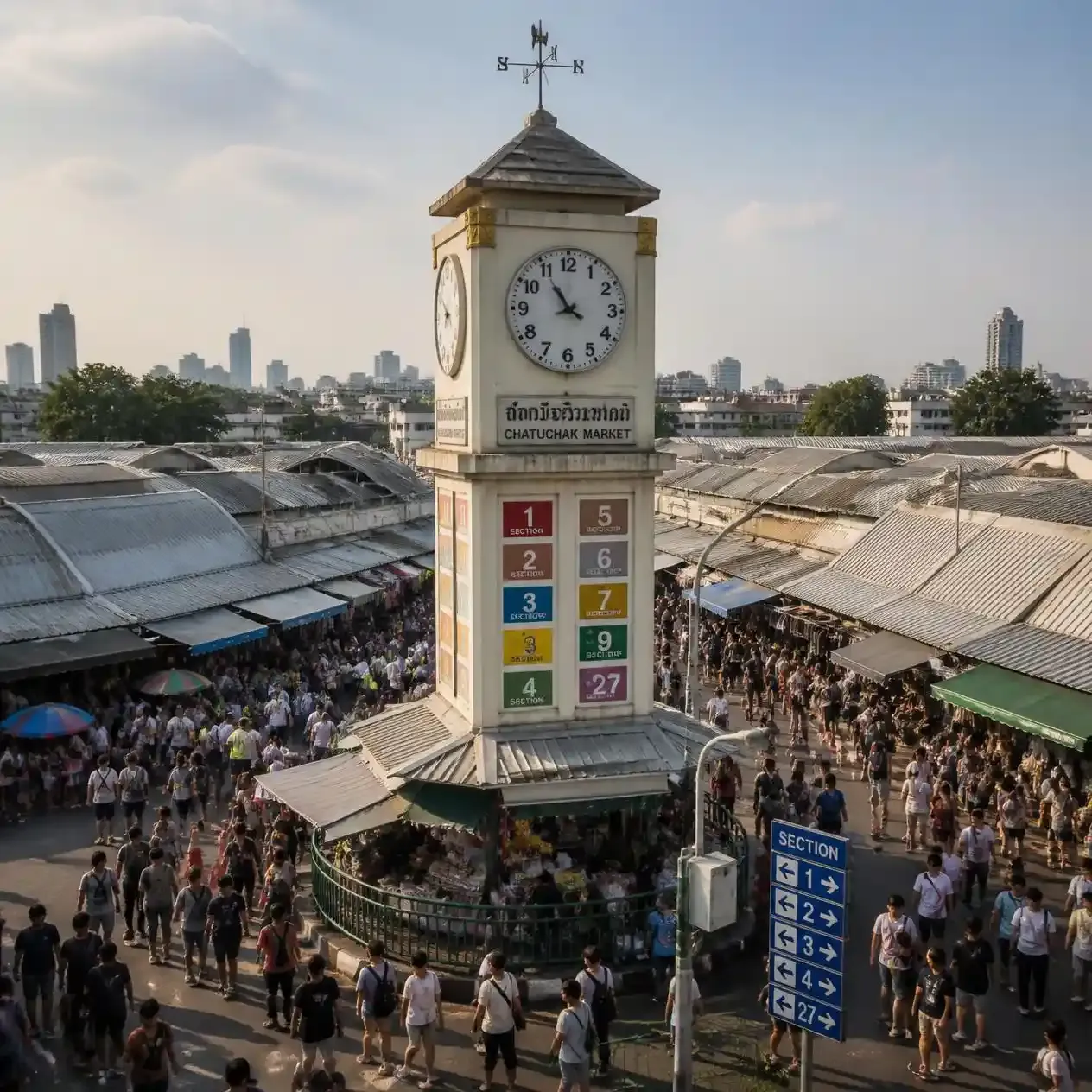
The clock tower at the centre of the market is the reset point. Section numbers radiate outwards from it, and every alley eventually leads back. Photograph the section map posted at the information booths near the main gates before you set off — mobile mapping applications show the market as a single block and will not help you inside it.
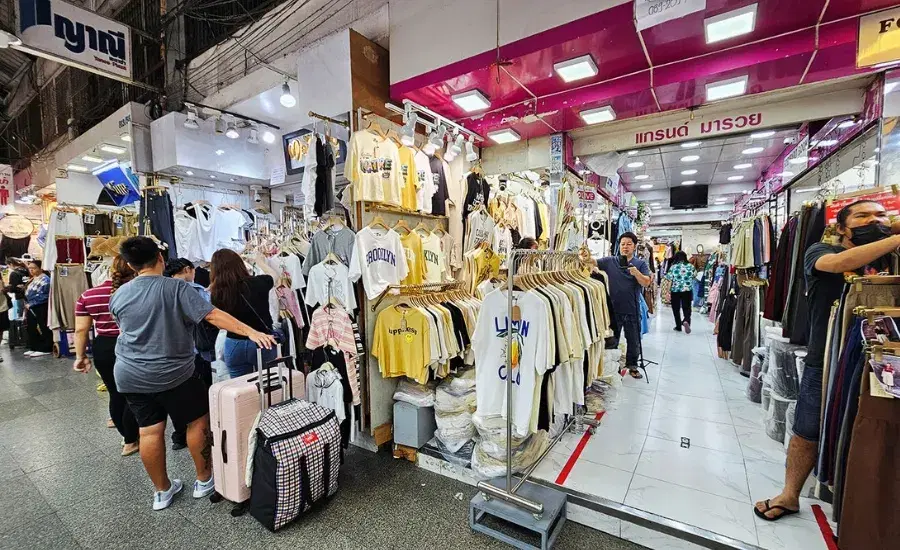
The section logic is real but loose. Broadly, the lower numbers and Section 26 hold antiques, collectibles and furniture; the middle range covers clothing and accessories; the upper twenties mix ceramics, handicrafts and home décor; and plants sit at the southern end. Individual stalls cross those lines constantly — a handicraft section will contain ready-to-wear, and a clothing section will contain a ceramicist. Treat the numbers as a direction of travel, not a catalogue.
JJ Market, JJ Mall and Mixt Chatuchak — three different places
These three names are used interchangeably online and refer to three separate things. Knowing the difference saves an argument with a taxi driver.
- Chatuchak Weekend Market (JJ Market) — the open-air and semi-covered market itself. 15,000-plus stalls, weekends and Friday evenings.
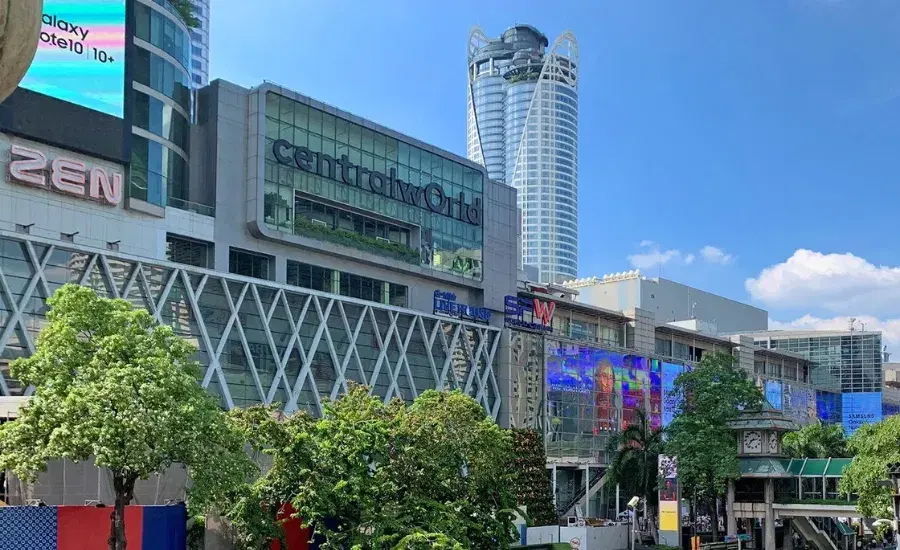
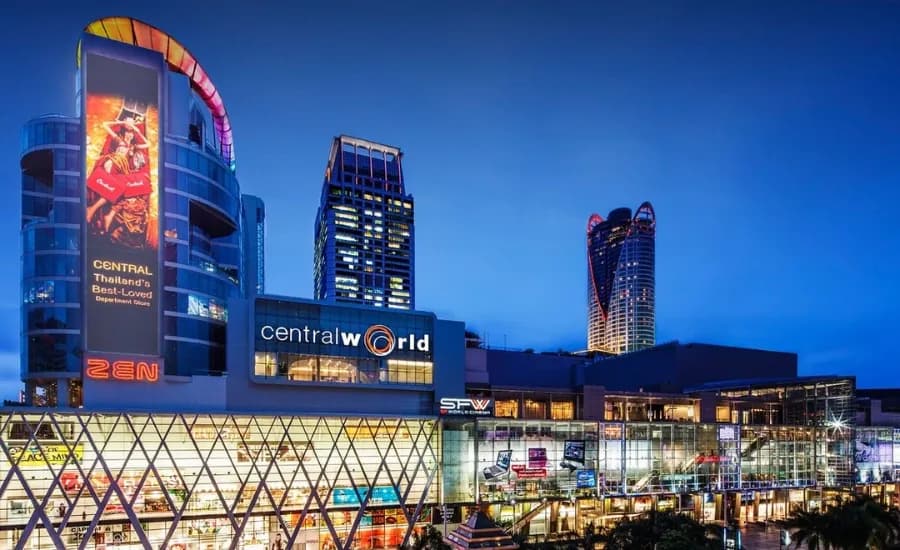
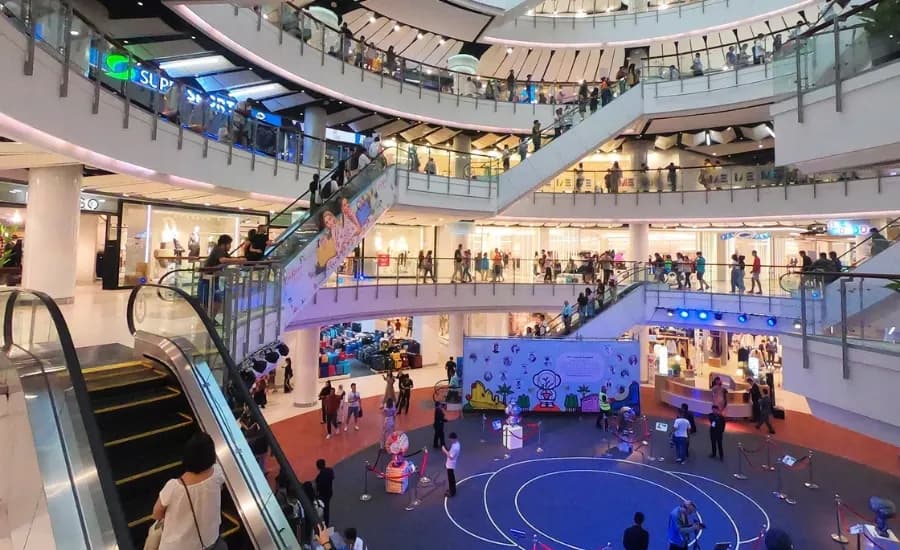
- JJ Mall — a multi-storey indoor mall on the market's northern side, open daily, with permanent shops selling comparable goods in air conditioning at slightly higher prices.
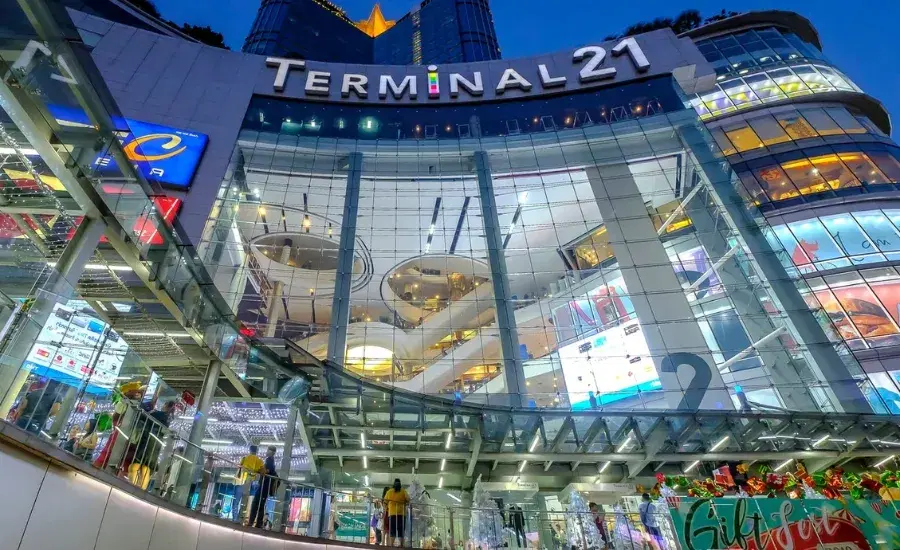
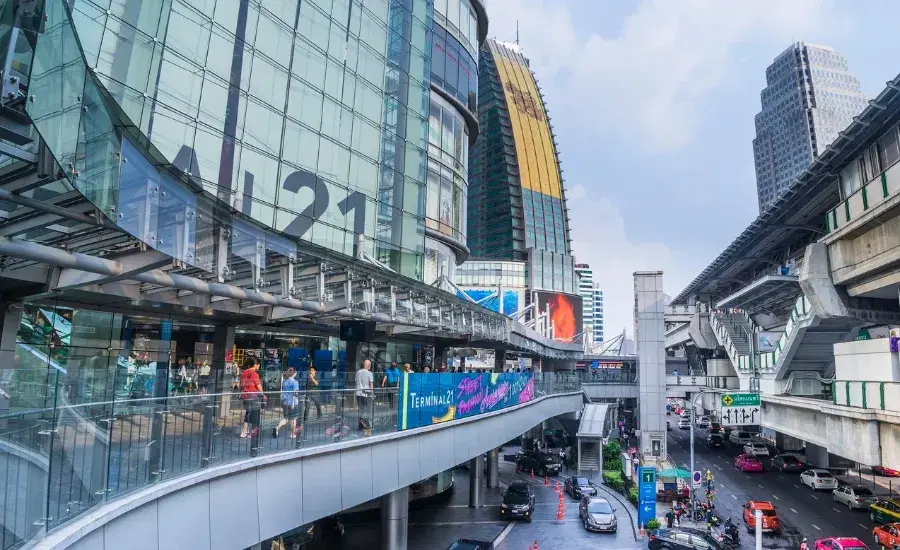
- Mixt Chatuchak — a newer lifestyle mall on the edge of the complex, with a supermarket, cinema, currency exchange on the ground floor, international chains and courier desks.
Practical notes for the day
- Carry cash. Many stalls take QR payment now, but a significant number still do not, and card acceptance is patchy.
- Wear shoes you can stand in for four hours. The surfaces are uneven concrete and the alleys are narrow.
- Mixt Chatuchak and JJ Mall are the air-conditioned retreats — both have proper lifts, wide corridors and clean facilities, which matters if anyone in your party has limited mobility.
- Currency exchange sits on the ground floor of Mixt Chatuchak, near Section 9. Bring your passport.
- The market's pet zone sells live animals in conditions that have drawn sustained criticism from welfare organisations, and it has been linked to the wildlife trade. Sections 8, 9, 11 and 13 are the ones concerned. Most travellers choose to skip them.






What's Actually Worth Buying, Section by Section
The strongest categories at Chatuchak Weekend Market are ceramics, Thai textiles, antiques and handmade homeware — things made by small workshops that sell here directly and nowhere else. The weakest are branded goods, gemstones and anything sold with a story about how rare it is. Buy from the categories where the market has real supply, and the quality is high for what you pay.
Ceramics and celadon
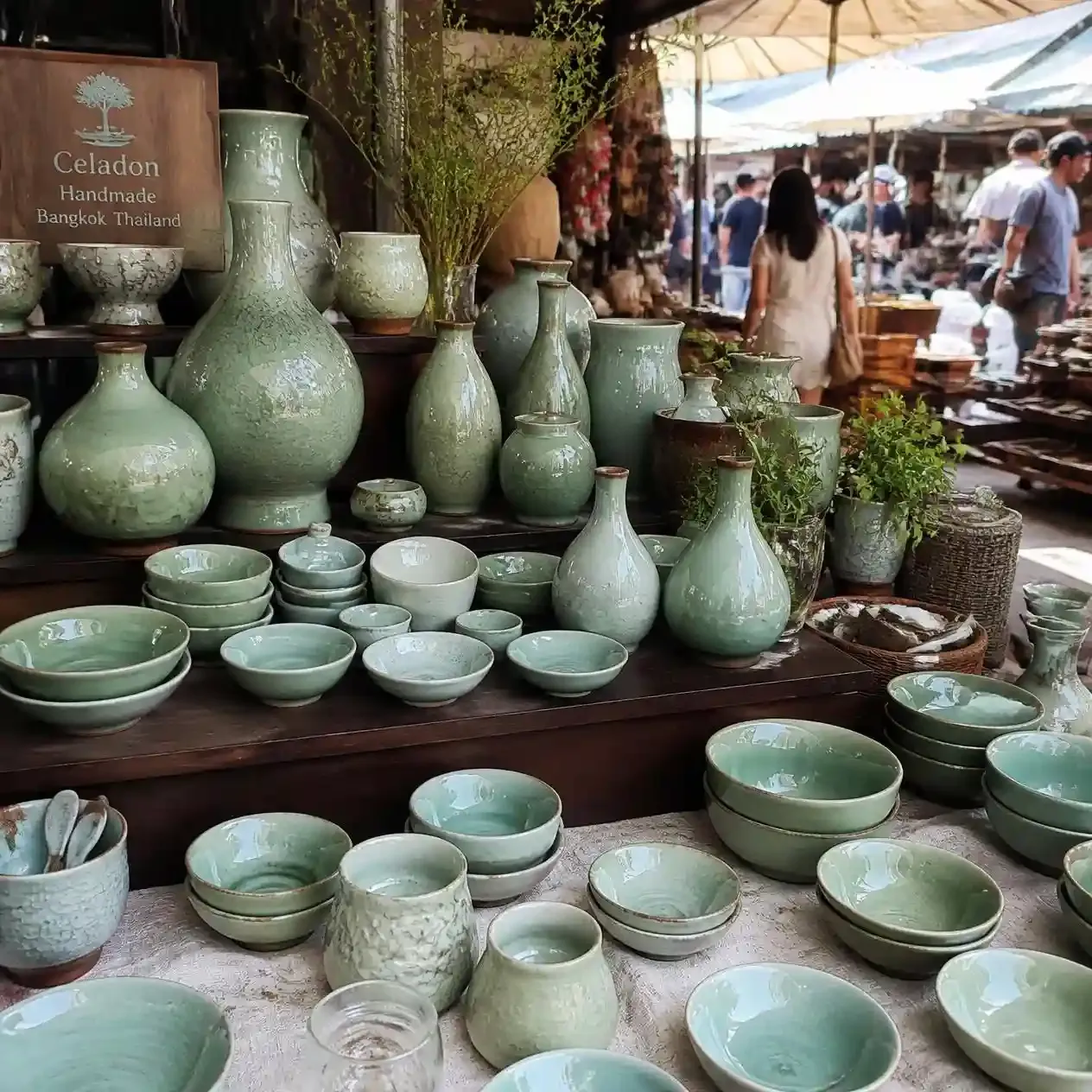
Thai celadon — the crackle-glazed stoneware in jade greens and greys, produced mainly around Chiang Mai and Lampang — is one of the best buys here. Look for even glaze pooling, a foot ring finished cleanly rather than sanded flat, and a maker's mark on the base. Hand-painted Benjarong, the five-colour enamelled porcelain, also appears in quantity; the difference between a hand-painted piece and a transfer-printed one is visible in the slight irregularity of the gold linework.
Silk and textiles
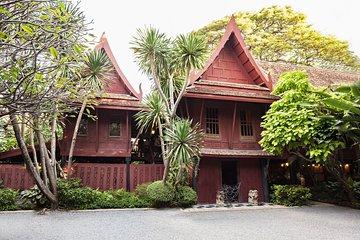
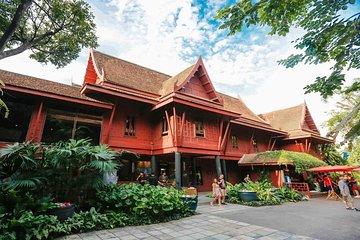
Thai silk is sold by the metre and made up into scarves, cushion covers and clothing across several sections. Hand-woven silk has small irregularities in the weft and a matte depth to the colour; machine-woven and blended fabric is flatter and more uniformly shiny. If you want to understand what good Thai silk looks like before you buy, an hour at the Jim Thompson House earlier in the trip is the most useful preparation you can do.
Antiques, furniture and collectibles
Sections 1 and 26 hold the antique and collectibles trade — Thai and Chinese ceramics, teak carving, mid-century furniture, old advertising, Buddhist ritual objects. Dealers here are knowledgeable and prices reflect that. This is also the category with the most paperwork attached, covered further down.
What to be careful with
- Gemstones and jewellery — unset stones are difficult to assess and are excluded from the VAT refund scheme entirely. Buy from established jewellers rather than market stalls.
- Branded goods — counterfeits are common and export of trademark-infringing goods from Thailand is prohibited.
- "Antique" Buddha images — genuine antiquities cannot legally leave Thailand at all. Newly cast pieces can, with a licence.
| Section range | What you'll find | Typical spend | Best for |
|---|---|---|---|
| Sections 1 & 26 | Antiques, collectibles, mid-century furniture, ritual objects | 2,000–40,000 THB (USD 57–1,140) | Collectors and anyone furnishing a room |
| Sections 7–11 | Handicrafts, wood carving, silk, homeware, ceramics | 300–5,000 THB (USD 9–143) | Gifts with provenance and craft buyers |
| Sections 2–6, 10–24 | Clothing, vintage, accessories, independent Thai labels | 200–3,000 THB (USD 6–86) | Vintage hunters and anyone after young Thai design |
| Sections 11–25 (odd) | Celadon, Benjarong, tableware, decorative ceramics | 150–4,000 THB (USD 4–114) | Ceramics buyers and people shipping a set home |
| Sections 3 & 4 (southern edge) | Plants, orchids, bonsai, garden supplies | 100–2,000 THB (USD 3–57) | Midweek visitors and gardeners |
Prices are indicative for 2026 and vary by piece, quantity and how the day is going. Sections bleed into one another, so treat the ranges above as a starting direction rather than a fixed map.
Where to Eat — Inside the Market and the Or Tor Kor Detour
The food inside Chatuchak is good enough to sustain a full day without leaving, and clusters in two places: the central corridor and sections in the low twenties, and the runs near Gates 2 and 4. Directly opposite the market, across Kamphaeng Phet Road, Or Tor Kor is the better sit-down lunch and the more comfortable room to be in.
Eating inside the market
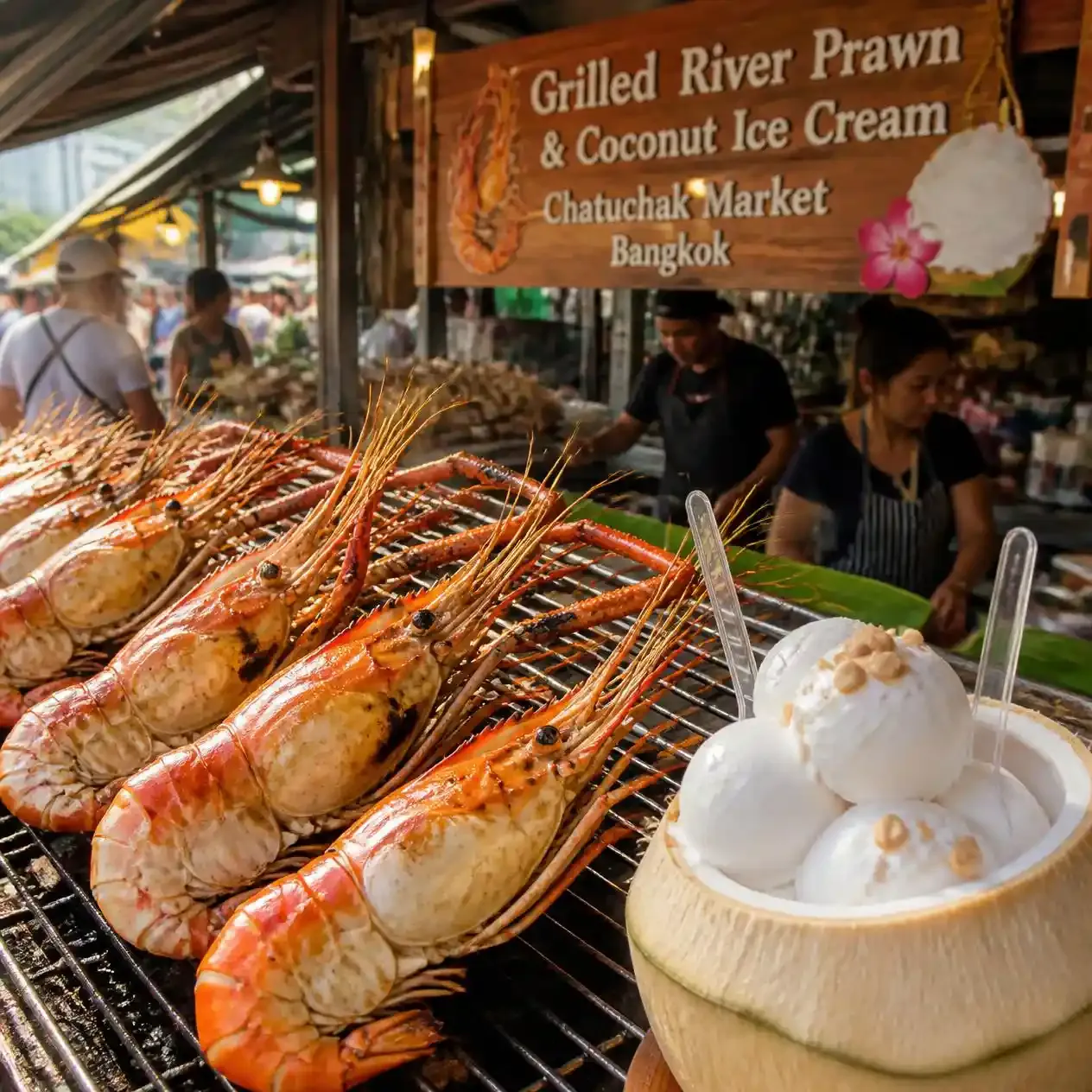
- Grilled river prawns and seafood — the covered food rows near the centre, cooked to order, typically 200–600 THB (USD 6–17) a plate.
- Coconut ice cream — served in a half-shell with peanuts and sticky rice, 60–100 THB (USD 2–3). A market institution, and a reasonable one.
- Noodle soups and khao man gai — the reliable working lunch, 60–120 THB (USD 2–4).
- Air-conditioned cafés — clustered in Sections 7 and 26 and inside JJ Mall, useful when you need twenty minutes out of the heat.
The Or Tor Kor detour
Or Tor Kor Market sits directly across from Chatuchak at MRT Kamphaeng Phet Exit 3, and it is a different proposition — indoor, air-conditioned, immaculately kept, and open daily from around 08:00 to 18:00 rather than weekends only. Run by the Marketing Organization for Farmers, it holds roughly 600 stalls across zones for fruit, seafood, meat, rice, dried goods and prepared food, and it has been ranked among the world's best fresh markets by CNN.
The food court is the reason to cross the road. Curries, grilled fish, southern Thai dishes and regional sweets are cooked by vendors who supply restaurant kitchens, and you eat sitting down in cool air. Produce prices are higher than a neighbourhood market and the quality is why. If you are shopping Chatuchak in the morning, a late lunch at Or Tor Kor is the natural end to it.
Getting It Home: Export Permits, Shipping and the VAT Reality
Two rules catch travellers out at Chatuchak, and neither is posted anywhere in the market. Buddha images and antiques cannot leave Thailand without a licence from the Fine Arts Department. And the 7% VAT refund does not apply to market stalls — it applies to registered retailers displaying the official sign, which at this address means the malls.
Buddha images and antiques — the licence
Under Thai law, antiquities and objects of art depicting the Buddha cannot be exported without written permission, whether or not they are registered. Genuine antique Buddha images and fragments of ancient monuments may not leave the country at all. Newly cast complete images may be exported for worship, cultural exchange or educational purposes with a Fine Arts Department licence, capped at five pieces per person. Objects that are demonstrably under five years old can go without a permit, provided you can prove the production date.
- What you need: the completed application form, two front-view photographs of each object (roughly 3 x 5 inches), and a photocopy of your passport — for Buddha images, certified as a true copy by your embassy or consulate in Thailand.
- Where to apply: the Office of Archaeology and National Museums on Si Ayutthaya Road in Dusit, Bangkok.
- How long: three to five working days, and applications for some categories are accepted only on set days of the week.
- What you get: the object is inspected and sealed with a lead wire or stamp, and issued a pink identification card to attach for customs.
- If you skip it: confiscation, a fine, and potentially imprisonment. Customs at Suvarnabhumi does check.
Dealers in the antique sections handle this regularly. Ask before you buy whether the seller holds an antiques trading licence and has processed export permits before — a dealer who has will tell you plainly, and one who deflects is telling you something too.
Shipping bulk purchases
Furniture, ceramics sets and anything you would rather not carry can go by courier. Mixt Chatuchak has courier desks on site, and DHL, FedEx and UPS all operate services from Bangkok. Photograph valuable items before they are packed and keep receipts — insurance claims need proof of contents and condition, and additional cover typically costs 1–2% of declared value. Factor shipping into the purchase decision rather than treating it as an afterthought; on heavy items it can approach the value of the goods.
The VAT refund, accurately
- You must buy from a shop displaying the blue and white "VAT Refund for Tourists" sign. Market stalls are not in the scheme.
- Minimum 2,000 THB (around USD 57) at one establishment on one day, evidenced on a P.P.10 form issued at the time of purchase with the original tax invoice attached.
- Total claim across all forms must reach 5,000 THB (around USD 143).
- Goods must leave Thailand with you within 60 days, unused and in original packaging.
- Gemstones, firearms and prohibited items are excluded outright.
- Present goods and forms to customs before check-in; refunds under 30,000 THB can be paid in cash at the VAT Refund office after passport control.
Before you buy anything substantial
- Ask the seller directly whether the piece needs an export permit — for anything depicting the Buddha, assume yes.
- Get a written receipt describing the item and its age. You will need it for both the permit and customs.
- Allow a working week in your itinerary if you intend to export an antique. Buying on the last Sunday of a trip and flying out on Monday does not work.
- For anything you want VAT back on, buy it in JJ Mall, Mixt Chatuchak or a city retailer rather than at a stall.
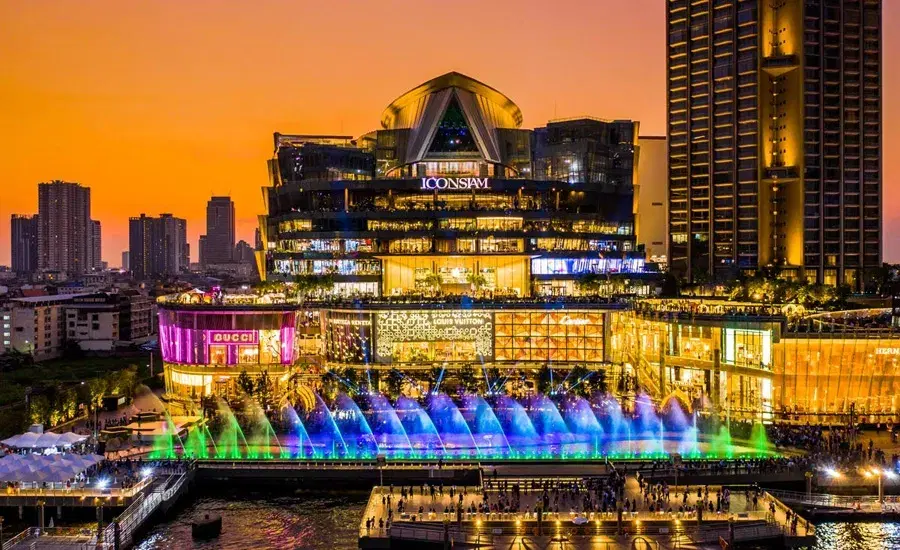
Bangkok's shopping runs far wider than one market, and the practicalities shift between malls, wholesale districts and craft workshops. Our Bangkok shopping guide covers the rest of the city in the same detail. Every experience listed alongside it has been researched and approved by local experts, so the shortlist you are choosing from is already a considered one.
Planning Your Visit
Three things decide how the day goes. Go on a Saturday or Sunday and arrive at opening, because the market between noon and three is a test of endurance rather than a pleasure. Pick two or three sections and commit to them — the depth at Chatuchak Weekend Market sits in ceramics, textiles, antiques and homeware, and those categories reward a slow look. And settle the paperwork question before you hand over money for anything old or anything depicting the Buddha, because that is the one mistake that cannot be fixed at the airport.
Build the market into a weekend rather than squeezing it into a spare afternoon, finish with lunch across the road at Or Tor Kor, and the whole thing becomes one of the better days you will have in the city. Start planning your Bangkok trip with Travjoy.


.svg&w=1920&q=75)