


Bangkok: Sampeng (Chinatown) Market
Operating Hours:Daily (Day Market): 08:00 - 17:00. Daily (Night Market): 23:00 - 05:00
The Vibe:Old-school chaos in Chinatown’s heart 🏮
Hidden in Chinatown’s warren of lanes, Sampeng has thrived as Bangkok’s original wholesale bazaar for generations. This cramped labyrinth is where locals have bargained over fabrics, jewelry, and knick-knacks since the days of bullock carts.
A narrow Chinatown lane buzzes with bargaining and chatter as porters squeeze past. Gold shops and fabric stalls glow under bare bulbs, the air thick with incense and dried seafood aromas in the humid heat.
- Over 100 years as Chinatown’s busiest market street.
- Synonymous with wholesale deals among local businesses in Bangkok.
- Visitors embrace its authentic old-world chaos 🏮.
Persona Fit
- 👨👩👧 Families: Not suitable for strollers or young children – narrow, crowded alleys can be overwhelming.
- 💕 Couples: For adventurous pairs, wandering these chaotic lanes and sampling street snacks makes for a memorable outing.
- 👵 Seniors: Challenging – very crowded, few places to rest; if needed, go in the morning when it’s cooler and less packed.
- 🧭 Culture Explorers: A genuine peek into daily Chinatown commerce – chaotic, colorful, and full of local character.
- ✂️ Crafters: Endless fabrics, ribbons, beads, and craft supplies at wholesale prices – a DIY paradise if you’re willing to hunt.
Highlights
- Textile Paradise — a multitude of fabric shops selling silk, cotton, and synthetic textiles by the yard at wholesale rates (great for tailors or DIY enthusiasts).
- Beads and Baubles — entire sections of the market dedicated to beads, jewelry findings, and accessories; you can find everything to make your own jewelry or costumes.
- Chinese Goods — shops brimming with traditional Chinese products: herbal medicines, paper lanterns, festival decorations, tea sets, and more, reflecting the heritage of the area.
- Atmospheric Maze — walking through Sampeng is an experience itself: narrow alleys crammed with goods overhead, locals pushing trolleys of merchandise, and a constant flow of chatter and bargaining.

Tom Vater
Our Bangkok Local Expert
Table of Contents
- MRT: Take the MRT Blue Line to Wat Mangkon Station. Use Exit 1 (Wat Mangkon exit) and walk along Charoen Krung Road towards Yaowarat, then duck into Soi Wanit 1 (Sampeng Lane) from there – about a 5-10 minute walk in total.
- River Boat: Take a Chao Phraya Express Boat to Ratchawong Pier. From there, walk straight inland on Ratchawong Road – it will lead you right to the start of Sampeng Lane. This route lets you enter from the west end of the market.
- Taxi/Tuk-tuk: Ask for “Sampeng Market” or “Chinatown market.” Many drivers will drop you on Yaowarat Road (the main road) since the market lane itself is pedestrian. From Yaowarat, look for a side alley (Soi Wanit 1) filled with vendors – that’s Sampeng. The main entry points are near the Chinatown Gate or via small alleys off Yaowarat like Soi 11 or 13.
- On foot: If you’re already exploring Chinatown, just wander towards the small alleys south of Yaowarat Road – once you dive in, you’ll know you’re in Sampeng by the sudden flurry of shops and narrow crowds.
Food & Coffee Shops
Yaowarat Street Food: Just outside Sampeng on Yaowarat Road, you can find endless food options (especially in the evening) – from dim sum and roasted chestnuts to famous noodle and seafood stalls.
Lhong Tou Cafe: A tiny two-story cafe on Yaowarat Road known for its stylish dim sum and photogenic interior – a great spot for a mid-shopping brunch (be prepared to queue).
Nam Sing Bird’s Nest: Also on Yaowarat, this traditional shop serves Chinese bird’s nest soup and herbal teas – an adventurous cultural treat to try if you’re curious (pricier, but famous).
Yaowarat Street Food: Just outside Sampeng on Yaowarat Road, you can find endless food options (especially in the evening) – from dim sum and roasted chestnuts to famous noodle and seafood stalls.
Lhong Tou Cafe: A tiny two-story cafe on Yaowarat Road known for its stylish dim sum and photogenic interior – a great spot for a mid-shopping brunch (be prepared to queue).
Nam Sing Bird’s Nest: Also on Yaowarat, this traditional shop serves Chinese bird’s nest soup and herbal teas – an adventurous cultural treat to try if you’re curious (pricier, but famous).
Insider Tips
Best Time: Go on a weekday late morning. The market will be fully open but slightly less hectic than peak afternoon or weekends. Plus, you’ll avoid the early morning delivery chaos and have time to explore before it gets too hot.
Hack: Enter from the Ratchawong Road side (coming from the river) and walk one direction through Sampeng, exiting at Yaowarat Road. This way you cover the full market without doubling back. The alleys are one-way streams of people – it’s easier to go with the flow.
Hidden Gem: Just off Sampeng on Charoen Krung Soi 16 is Wat Chakrawat, known as the "Crocodile Temple" for the resident crocs in its pond. It’s a 5-minute detour and a quirky Bangkok sight if you need a break from shopping.
Cash Only: Almost every transaction in Sampeng is cash. Keep small bills (20s and 100s) handy for quick deals. Also, bring a large reusable shopping bag or backpack – you’ll accumulate lots of little plastic bags and it’s easier to consolidate them.
Best Time: Go on a weekday late morning. The market will be fully open but slightly less hectic than peak afternoon or weekends. Plus, you’ll avoid the early morning delivery chaos and have time to explore before it gets too hot.
Hack: Enter from the Ratchawong Road side (coming from the river) and walk one direction through Sampeng, exiting at Yaowarat Road. This way you cover the full market without doubling back. The alleys are one-way streams of people – it’s easier to go with the flow.
Hidden Gem: Just off Sampeng on Charoen Krung Soi 16 is Wat Chakrawat, known as the "Crocodile Temple" for the resident crocs in its pond. It’s a 5-minute detour and a quirky Bangkok sight if you need a break from shopping.
Cash Only: Almost every transaction in Sampeng is cash. Keep small bills (20s and 100s) handy for quick deals. Also, bring a large reusable shopping bag or backpack – you’ll accumulate lots of little plastic bags and it’s easier to consolidate them.
Photography Tips
Use a wide-angle lens to capture the claustrophobic charm of the narrow lanes stacked with goods. Lighting can be dim under tarps, so adjust your camera for low light (higher ISO or slower shutter with steady hands).
The market is busy – avoid setting up any gear that blocks traffic. Instead, find a shop alcove or corner if you want to pause for a shot without being bumped.
Chinatown’s vibrant street life is just outside: after weaving Sampeng, head to Yaowarat Road in the evening. The neon signs and bustling street food stalls here make for iconic Bangkok night photographs, complementing your daytime market shots.
Be mindful of capturing locals up-close; many don’t mind, but it’s polite to smile or ask. The candid scenes – an elderly vendor sorting silk flowers, a courier napping on a cart – often make the best photos of Sampeng’s everyday life.
Use a wide-angle lens to capture the claustrophobic charm of the narrow lanes stacked with goods. Lighting can be dim under tarps, so adjust your camera for low light (higher ISO or slower shutter with steady hands).
The market is busy – avoid setting up any gear that blocks traffic. Instead, find a shop alcove or corner if you want to pause for a shot without being bumped.
Chinatown’s vibrant street life is just outside: after weaving Sampeng, head to Yaowarat Road in the evening. The neon signs and bustling street food stalls here make for iconic Bangkok night photographs, complementing your daytime market shots.
Be mindful of capturing locals up-close; many don’t mind, but it’s polite to smile or ask. The candid scenes – an elderly vendor sorting silk flowers, a courier napping on a cart – often make the best photos of Sampeng’s everyday life.
Things To Do Nearby
Yaowarat Road — the main street of Chinatown, famous for its plethora of street food after sunset and gold shops by day. Just a block north of Sampeng, it’s a must-stroll for foodies and photographers.
Wat Mangkon Kamalawat — the main Chinatown temple, ornate and active, just a couple of blocks from Sampeng. Ornate architecture and constant incense-burning activity give a great cultural context to the market visit.
Little India (Phahurat) — adjacent to Chinatown, around Phahurat Road. Here you’ll find Indian textile shops, saris, spices and the Sri Gurudwara temple.
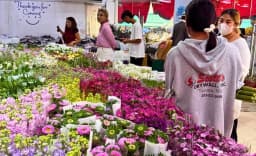
Pak Khlong Talad (Flower Market) — a few minutes drive (or one river boat stop) south, this 24-hour flower wholesale market is a sensory overload of its own with mountains of roses, jasmine garlands, and orchids (best seen late night or pre-dawn).
Yaowarat Road — the main street of Chinatown, famous for its plethora of street food after sunset and gold shops by day. Just a block north of Sampeng, it’s a must-stroll for foodies and photographers.
Wat Mangkon Kamalawat — the main Chinatown temple, ornate and active, just a couple of blocks from Sampeng. Ornate architecture and constant incense-burning activity give a great cultural context to the market visit.
Little India (Phahurat) — adjacent to Chinatown, around Phahurat Road. Here you’ll find Indian textile shops, saris, spices and the Sri Gurudwara temple.
Pak Khlong Talad (Flower Market) — a few minutes drive (or one river boat stop) south, this 24-hour flower wholesale market is a sensory overload of its own with mountains of roses, jasmine garlands, and orchids (best seen late night or pre-dawn).