




Local Must Eats
11 options
Local Beverages
7 options
Street Food
9 options
Vegetarian Restaurants
5 options
Fine Dining
7 options
Local Cuisine Restaurants
5 options
Vegan Restaurants
4 options
Other Restaurants or Cool Cafes
4 options
Bali: Local Beverages

Share
Bali's traditional beverages range from potent spirits used in Hindu ceremonies to herbal tonics rooted in centuries of Indonesian wellness practices. These drinks offer visitors an authentic taste of the island's cultural and agricultural heritage.
Share

Snapshot
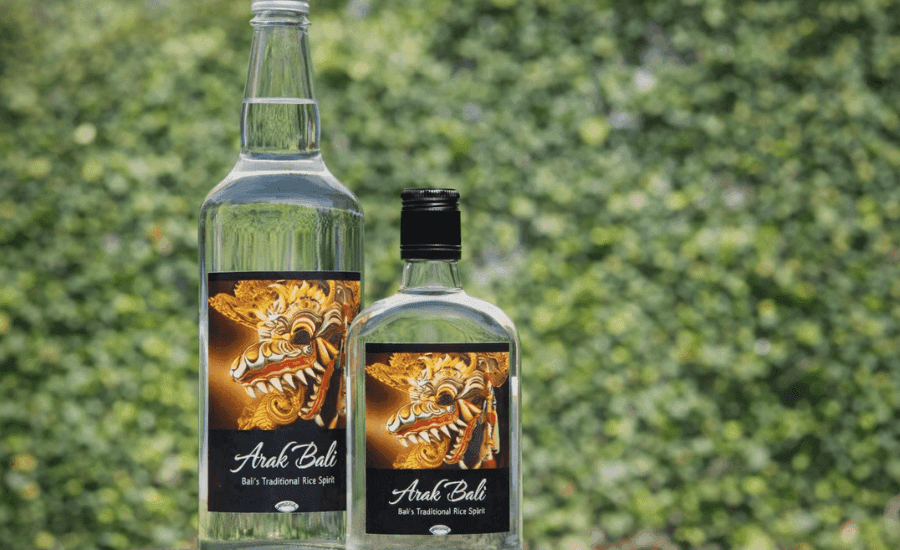
A potent distilled spirit made from fermented coconut palm sap or glutinous rice with an alcohol content of 30 to 45 percent. Arak has been used in Hindu-Balinese temple offerings and ritual libations for centuries. In 2020, the Governor of Bali officially recognised arak as part of the island's cultural heritage, and 29 January is now celebrated as Arak Bali Day.
Tips
To find nearby locations, search 'Arak Bali' in Google Maps for places close to your location.
Snapshot
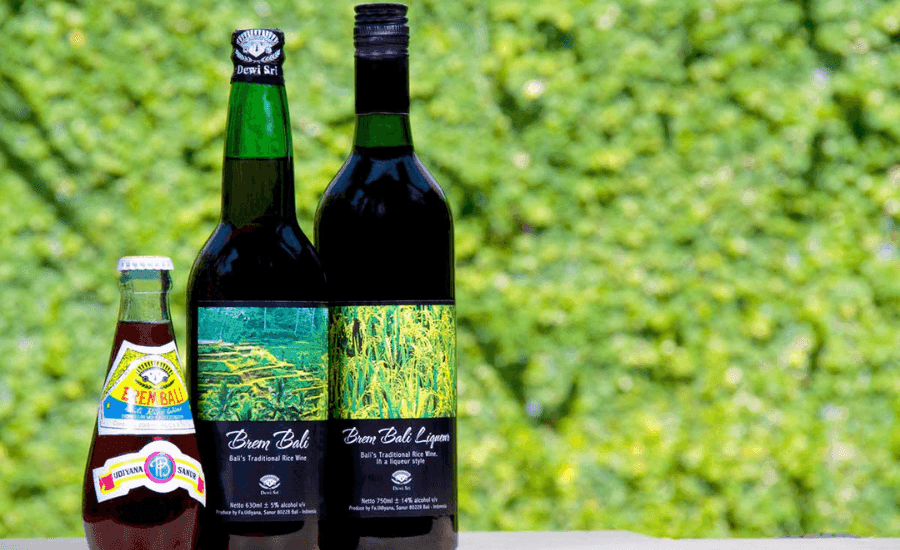
A traditional Balinese rice wine fermented from black or white glutinous rice using a yeast culture called ragi. Brem has an alcohol content of approximately 5 to 14 percent and a mildly sweet, slightly tart flavour. It holds a sacred role in Hindu-Balinese ceremonies, where it is placed alongside arak as part of temple offerings.
Tips
To find nearby locations, search 'Brem Bali' in Google Maps for places close to your location.
Kopi Luwak
Snapshot
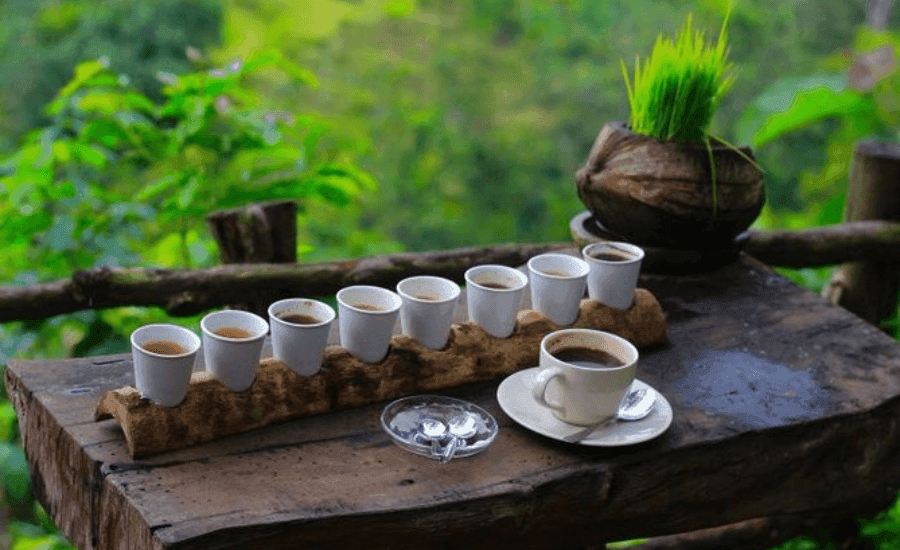
One of the world's most expensive coffees, produced from beans eaten and excreted by the Asian palm civet. The fermentation during digestion creates a distinctive smooth, low-acidity flavour. Visitors should seek out producers certified for ethical, wild-sourced civet practices. Plantations in the Kintamani highlands offer tastings alongside other Balinese coffee varieties.
Tips
To find nearby locations, search 'Kopi Luwak' in Google Maps for places close to your location.
Snapshot
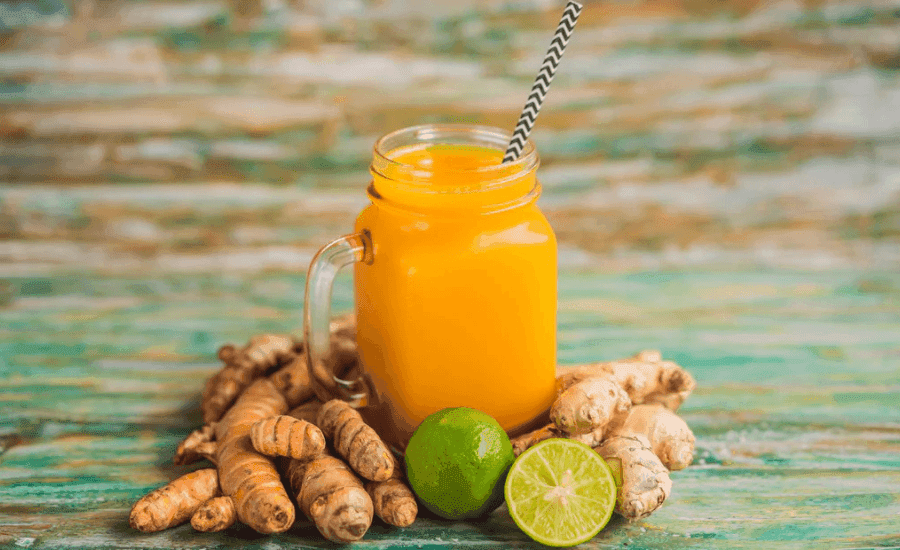
A traditional Indonesian herbal elixir made from turmeric, tamarind, ginger, honey and lime juice. Jamu has been consumed across Indonesia for centuries as a digestive tonic and immunity booster. Vendors at traditional morning markets sell freshly prepared jamu from glass bottles. Wellness cafes in Ubud and Canggu now serve modernised versions of the drink.
Tips
To find nearby locations, search 'Jamu' in Google Maps for places close to your location.
Es Daluman (Cincau)
Snapshot
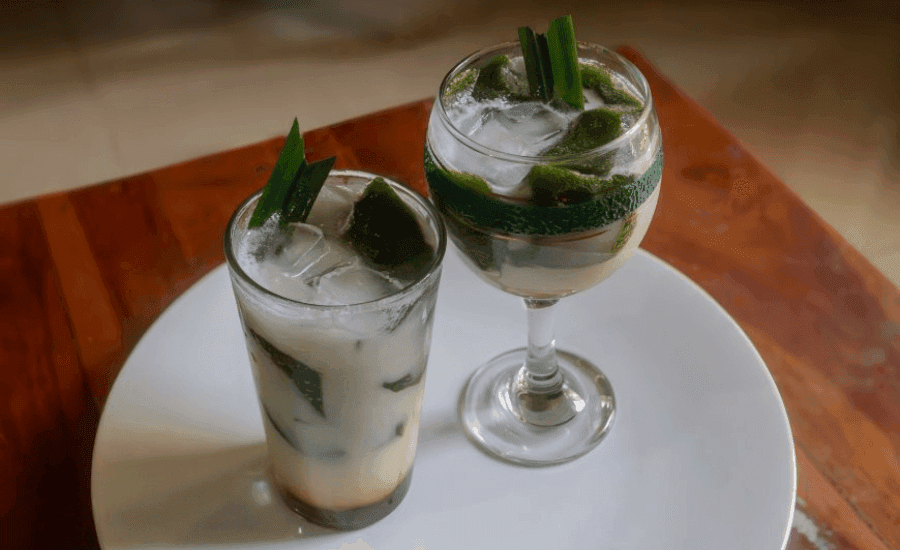
A chilled green jelly drink made from the leaves of the Cyclea barbata plant, served with coconut milk and palm sugar syrup. The jelly has a mild herbal-sweet taste and is valued locally for cooling the body and soothing sore throats. Es daluman is a common refreshment at traditional markets and food stalls across the island.
Tips
To find nearby locations, search 'Es Daluman' in Google Maps for places close to your location.
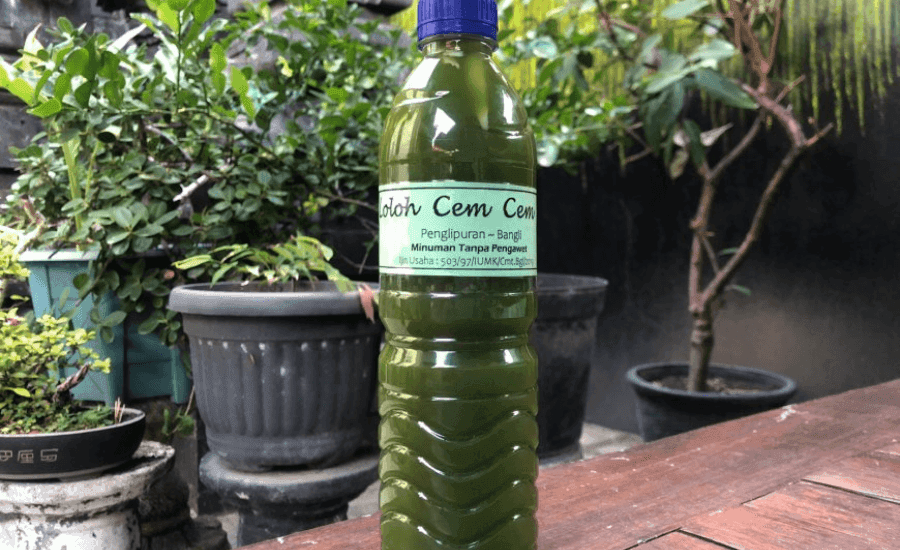
Loloh Cemcem
Snapshot
A traditional herbal drink from Penglipuran Village in Bangli Regency, made from crushed cemcem (wild hog plum) leaves blended with tamarind, palm sugar, cinnamon and coconut. The drink has been consumed since the colonial era as a remedy for high blood pressure and digestive issues. Villagers in Penglipuran sell it in bottles directly from their homes.
Tips
To find nearby locations, search 'Loloh Cemcem' in Google Maps for places close to your location.
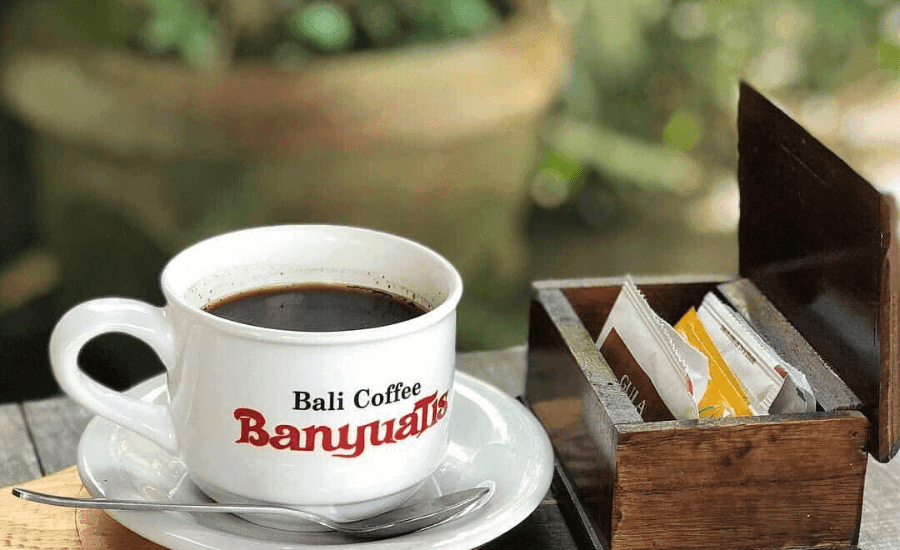
Balinese Coffee (Kopi Bali)
Snapshot
A robust coffee made from Robusta beans grown in Bali's volcanic highland soil, traditionally hand-roasted over firewood and brewed unfiltered. Fine grounds are placed directly in a cup, steeped with boiling water and left to settle before drinking. Kintamani Arabica coffee, cultivated between Mount Batukaru and Mount Agung, is a regional variant with a citrus-forward flavour profile.
Tips
To find nearby locations, search 'Kopi Bali' in Google Maps for places close to your location.
